Context
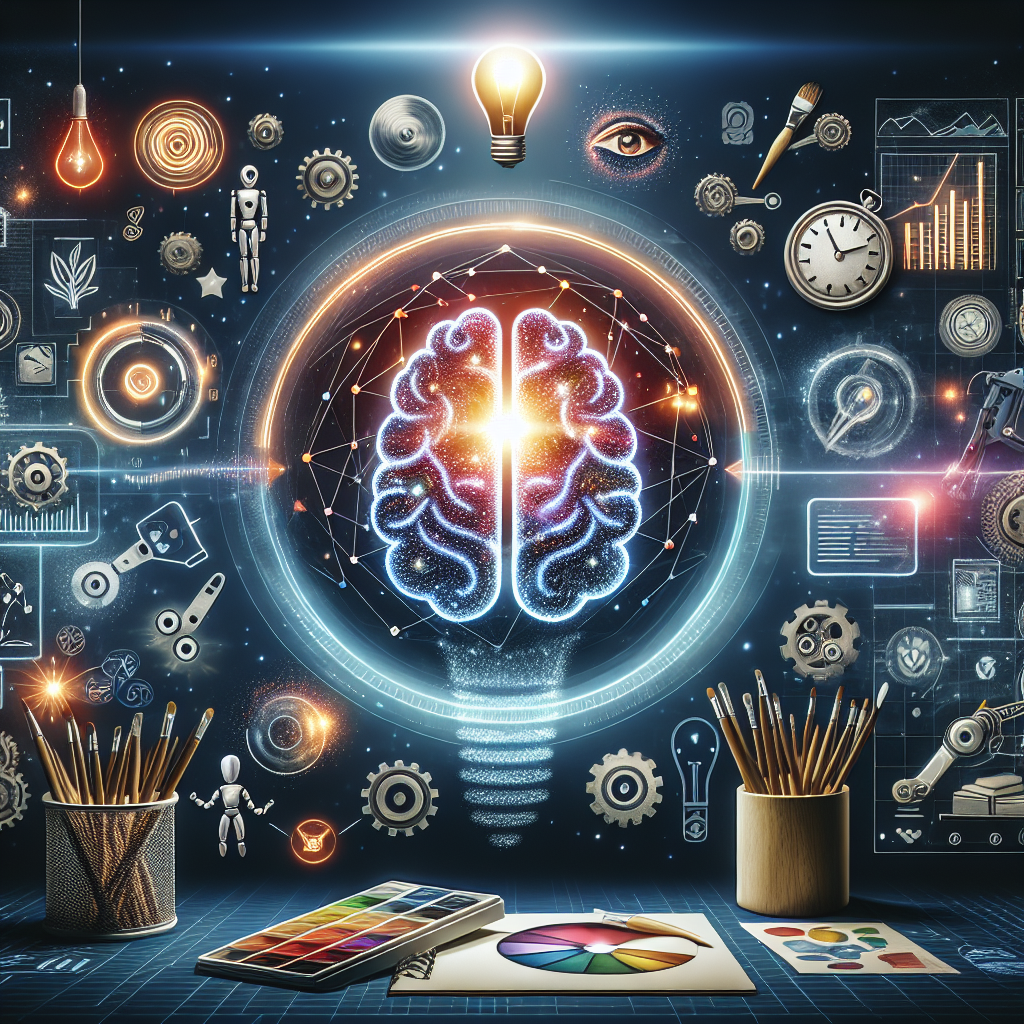
The rapid evolution of artificial intelligence (AI) technologies, particularly in the realm of generative models, is transforming industries by enhancing creativity and productivity. A notable example of this trend is the utilization of DALL∙E 2, an advanced AI system developed by OpenAI, which generates custom images based on textual descriptions. This technology has been leveraged by various brands, including Mattel, to revolutionize design processes.
At Mattel, designers tasked with creating new Hot Wheels models utilize DALL∙E 2 to generate visual prototypes by simply typing in descriptive prompts. This interactive approach allows designers to iteratively refine their concepts, fostering a creative environment where the quantity of ideas can lead to higher quality outcomes. The integration of DALL∙E 2 through Microsoft’s Azure OpenAI Service underscores a significant shift in how AI can be aligned with practical applications in design and content creation.
Main Goal and Its Achievement
The primary goal highlighted in the original post is to demonstrate how brands are harnessing AI technologies like DALL∙E 2 to enhance productivity and creativity in their operations. This goal can be achieved by utilizing AI to generate visual content that inspires and informs design decisions. By employing such generative AI systems, companies can streamline the creative process, enabling designers to explore a wider range of possibilities more efficiently. Ultimately, this leads to innovative products while maintaining a focus on quality.
Advantages of AI Integration in Design and Content Creation
- Enhanced Creativity: DALL∙E 2 allows designers to explore a multitude of design variations quickly, as evidenced by the ability of Mattel designers to generate dozens of images that refine their ideas.
- Improved Productivity: By automating the initial stages of design, AI tools reduce the time spent on manual iterations, enabling professionals to focus on higher-level creative tasks.
- Scalability: AI technologies facilitate the generation of personalized content at scale, as demonstrated by RTL Deutschland’s application of DALL∙E 2 to create tailored imagery for diverse user interests.
- Streamlined Content Management: Solutions like Microsoft Syntex optimize content processing by automatically tagging and indexing documents, which enhances accessibility and compliance in document management.
- Accessibility of AI Tools: With platforms like Microsoft Power Platform, non-technical users can create AI-powered applications using natural language, democratizing access to AI capabilities.
Limitations and Considerations
While the advantages of AI integration are significant, there are important caveats. The effectiveness of generative AI, such as DALL∙E 2, is contingent on the quality and diversity of the training data. This can lead to biases in generated outputs if not carefully managed. Additionally, the reliance on AI for creative processes might inadvertently stifle human creativity if not balanced appropriately. Organizations must remain vigilant regarding ethical considerations and the responsible use of AI technologies.
Future Implications of AI Developments
The future landscape of design and content creation is poised for transformation as AI technologies continue to evolve. Advancements in generative models will likely lead to even greater capabilities in personalization and automation, enabling brands to engage consumers in unprecedented ways. As AI becomes increasingly integrated into creative workflows, it will facilitate the exploration of new design paradigms, potentially reshaping entire industries. Furthermore, as AI tools become more sophisticated, the need for appropriate governance and responsible deployment will become paramount, ensuring that innovations serve to enhance human creativity rather than replace it.
Disclaimer
The content on this site is generated using AI technology that analyzes publicly available blog posts to extract and present key takeaways. We do not own, endorse, or claim intellectual property rights to the original blog content. Full credit is given to original authors and sources where applicable. Our summaries are intended solely for informational and educational purposes, offering AI-generated insights in a condensed format. They are not meant to substitute or replicate the full context of the original material. If you are a content owner and wish to request changes or removal, please contact us directly.
Source link :