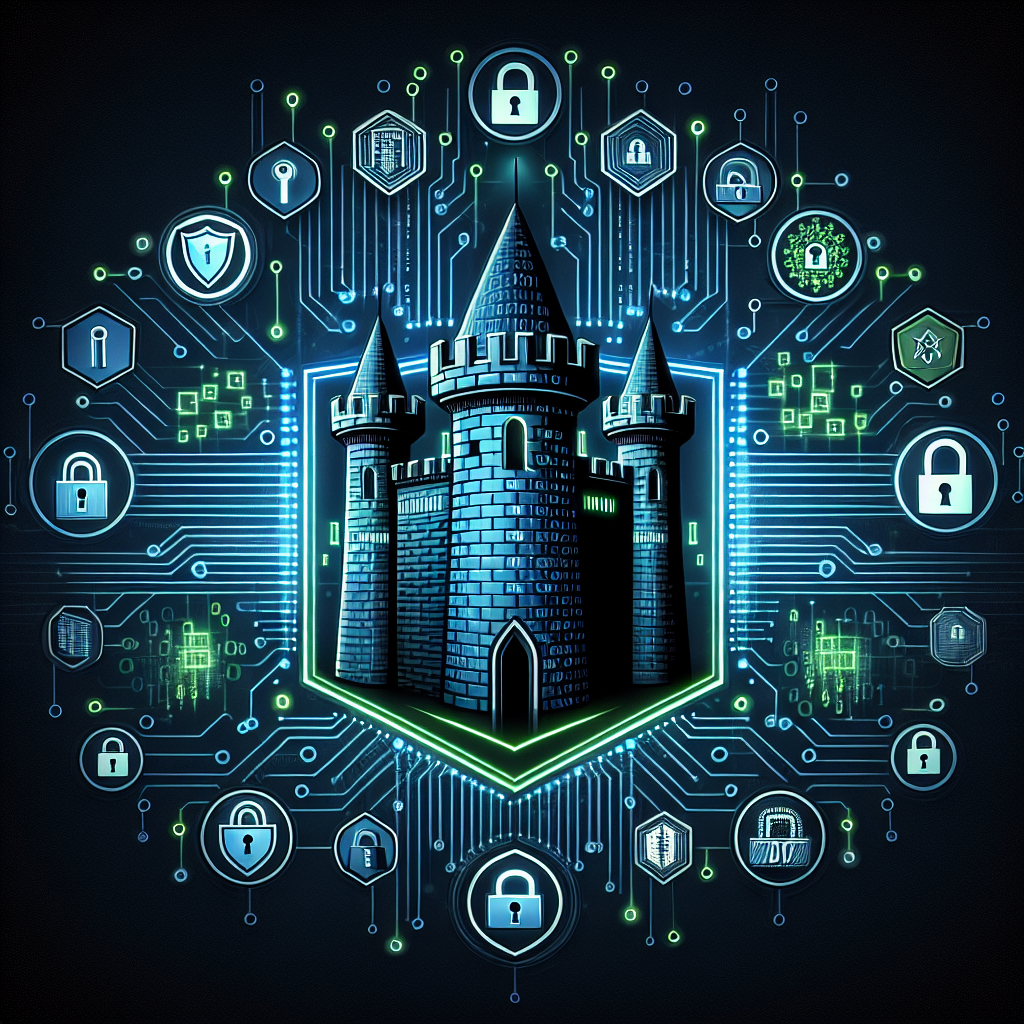
This comprehensive guide focuses on fundamental security concepts that are crucial for the CompTIA Security+ SY0-701 certification, emphasizing their relevance in the field of Computer Vision and Image Processing. By synthesizing critical information on identity and access management, security frameworks, deception techniques, and physical security controls, we aim to establish a robust foundational knowledge base for professionals, particularly Vision Scientists who are increasingly integrating security measures into their work.
The primary objective of this post is to elucidate the significance of fundamental security concepts in the realm of Computer Vision and Image Processing. This goal can be achieved by illustrating how these concepts—such as the AAA framework (Authentication, Authorization, and Accounting), the CIA Triad (Confidentiality, Integrity, Availability), and Zero Trust Architecture—are applied to safeguard data and systems that are critical for Vision Scientists. By integrating these security measures, professionals in this field can enhance the integrity and reliability of their systems while protecting sensitive data from unauthorized access.
While the application of these security concepts offers numerous benefits, it is important to recognize certain limitations. For instance, implementing a Zero Trust Architecture may require significant changes to existing workflows and infrastructure, potentially leading to increased operational complexity. Additionally, the reliance on advanced encryption and authentication techniques may introduce performance overhead, which could be detrimental in real-time image processing applications.
As artificial intelligence (AI) continues to advance, its impact on Computer Vision and Image Processing will be profound. The integration of AI technologies into security frameworks will enable more dynamic and adaptive security measures, such as real-time anomaly detection and threat response. Furthermore, AI-driven platforms can enhance the efficiency of identity verification and access management processes, allowing Vision Scientists to focus more on innovation rather than security concerns. However, this also raises new challenges, as the sophistication of AI systems may attract more sophisticated attacks, necessitating continuous evolution of security practices to safeguard critical systems and data.
In conclusion, the intersection of security concepts and Computer Vision is becoming increasingly crucial as technology evolves. Vision Scientists must understand and implement these foundational principles to protect their work and data effectively. By leveraging the advantages of the AAA framework, CIA Triad, and Zero Trust Architecture, professionals can enhance the security posture of their systems and ensure the integrity of their research and development efforts in an increasingly interconnected digital landscape.
Disclaimer
The content on this site is generated using AI technology that analyzes publicly available blog posts to extract and present key takeaways. We do not own, endorse, or claim intellectual property rights to the original blog content. Full credit is given to original authors and sources where applicable. Our summaries are intended solely for informational and educational purposes, offering AI-generated insights in a condensed format. They are not meant to substitute or replicate the full context of the original material. If you are a content owner and wish to request changes or removal, please contact us directly.
Source link :