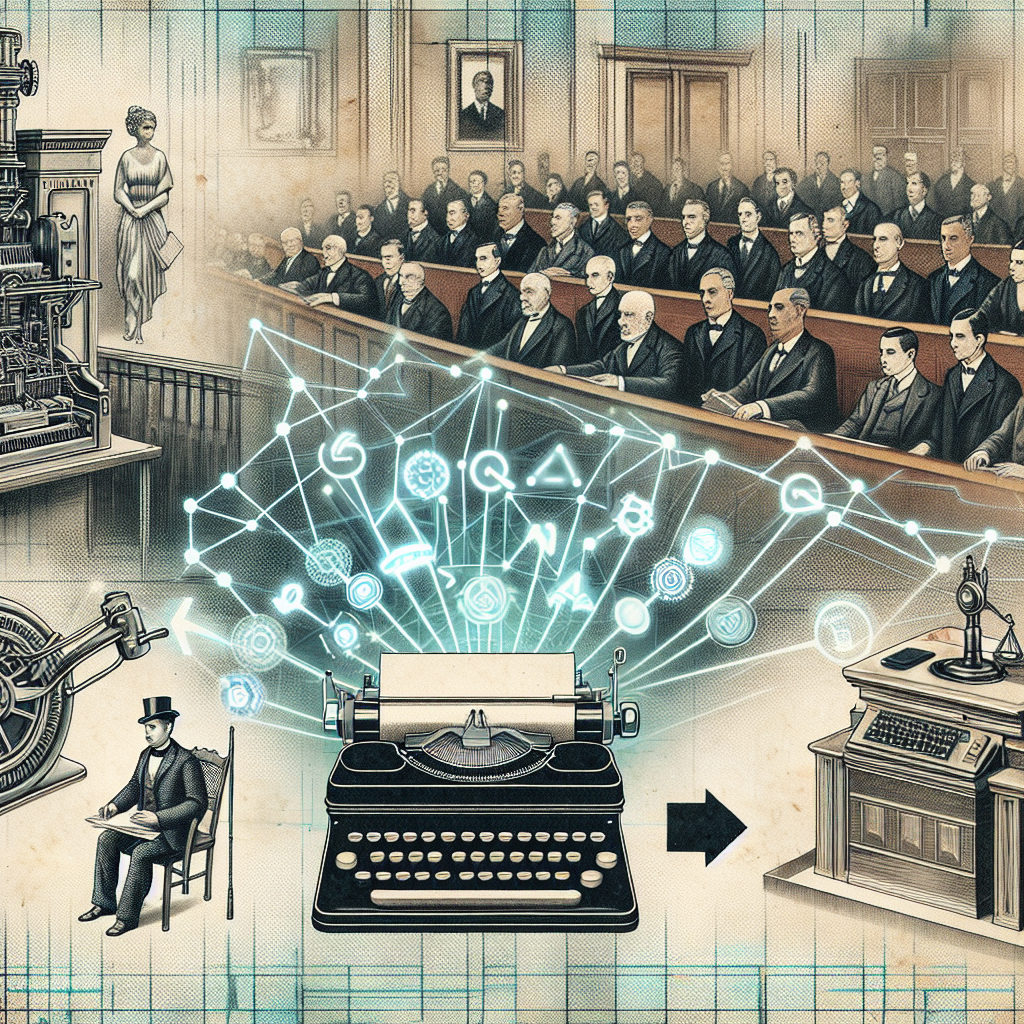
For many years, the term “the record” has been synonymous with the text transcripts produced by professional stenographers, forming the cornerstone of due process within legal systems. However, recent developments highlight a transformative shift in the landscape of court reporting, particularly with the emergence of advanced speech recognition technology and the pressing shortage of trained stenographers. The discussion led by industry leaders JP Son and Matan Barak from Verbit sheds light on this critical juncture, examining how evolving technology can enhance traditional court reporting practices while retaining the integrity and legitimacy of legal records.
The primary objective of Verbit’s innovation is to modernize the entire spectrum of legal proceedings, encompassing everything from depositions to courtroom workflows. The initiative aims to provide faster turnaround times and more accessible outputs by integrating advanced tools that elevate the capabilities of certified professionals rather than replacing them. This approach effectively addresses the dual challenges of labor shortages in court reporting and increasing demand for legal services. The methodology emphasizes collaboration with existing court reporting agencies and enhancing workflows through advanced technological support rather than positioning itself as a competitor.
While the benefits of integrating technology into court reporting are substantial, several caveats must be acknowledged. The potential for reliance on automated systems may lead to overconfidence in their accuracy, particularly if legal professionals do not remain vigilant. Additionally, the industry must navigate the existing legal frameworks that have long been text-based, which may resist rapid technological changes. Stakeholders must approach these innovations with a clear understanding of their limitations and the need for human oversight to ensure quality control.
The future of court reporting and legal documentation is poised for significant evolution, driven by advancements in artificial intelligence. As the legal industry increasingly embraces technology, it is likely that we will see a gradual integration of AI-tagged video records alongside traditional text transcripts. Although complete replacement of text records is not imminent due to longstanding institutional practices, incremental advancements will redefine how legal proceedings are documented and accessed. This shift promises to enhance the efficiency of legal processes, improve the accessibility of information, and ultimately empower legal professionals to achieve better outcomes for their clients.
In summary, the integration of advanced transcription technologies within the legal sector presents a pivotal opportunity to enhance the efficiency and effectiveness of court reporting. By combining human expertise with sophisticated AI-driven tools, legal professionals can navigate the complexities of modern legal environments while preserving the sanctity of the legal record. As the field continues to evolve, it is essential for stakeholders to remain informed and adaptable, embracing innovations that align with the core values of accuracy, confidentiality, and due process.
Disclaimer
The content on this site is generated using AI technology that analyzes publicly available blog posts to extract and present key takeaways. We do not own, endorse, or claim intellectual property rights to the original blog content. Full credit is given to original authors and sources where applicable. Our summaries are intended solely for informational and educational purposes, offering AI-generated insights in a condensed format. They are not meant to substitute or replicate the full context of the original material. If you are a content owner and wish to request changes or removal, please contact us directly.
Source link :