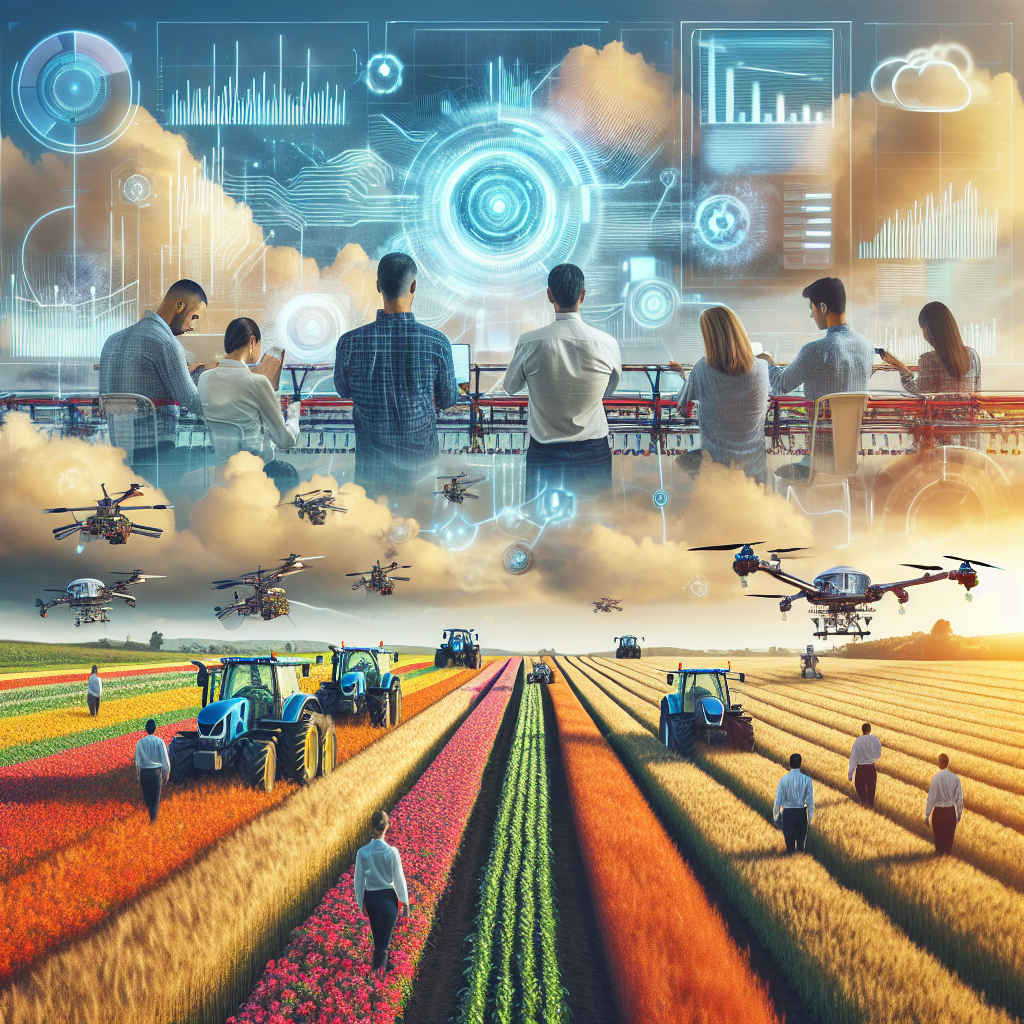
The landscape of agriculture is undergoing a significant transformation, largely driven by advancements in autonomous farming technology. As we witness the deployment of autonomous tractors and systems across various agricultural operations, several emerging trends are reshaping perceptions of this technology. This post will elucidate key trends impacting autonomous farming, focusing on retrofitting existing machinery, labor dynamics, and the evolving concept of horsepower in agricultural practices. Understanding these aspects is crucial for AgriTech innovators striving to enhance efficiency and productivity in farming operations.
One of the most compelling trends in autonomous farming is the retrofit solution, which emphasizes the importance of upgrading existing machinery rather than developing brand-new equipment. This approach recognizes that many farmers have substantial investments in their current equipment, which they prefer to maximize rather than replace. By retrofitting existing tractors and implements with autonomous technology, farmers can enhance the utility of their current assets, thus extending their operational lifespan and improving performance.
This shift towards retrofitting presents a strategic opportunity for AgriTech innovators. By focusing on solutions that integrate seamlessly with established machinery, companies can cater to farmers’ desires for continuity and reliability. This strategy not only enhances the value proposition of autonomous technology but also mitigates the risk associated with adopting untested new machinery.
Another significant trend is the evolving role of labor within agricultural operations adopting autonomy. Contrary to the common perception that automation reduces the need for human labor, many farming operations are utilizing autonomous systems to enhance workforce efficiency. The integration of autonomous technology allows farmers to reallocate their existing workforce to higher-value tasks while automation handles repetitive and labor-intensive activities.
This trend highlights the importance of viewing autonomy not as a means of job replacement but as a catalyst for unlocking human potential in agriculture. By enabling workers to focus on more strategic roles, farms can increase their productivity without expanding their payroll. This paradigm shift is essential for AgriTech innovators to consider when designing solutions that complement and enhance the capabilities of existing labor forces.
The third trend involves a reevaluation of the concept of horsepower in the context of autonomous technology. Historically, the agricultural sector has focused on increasing equipment size and horsepower to meet production demands. However, the advent of autonomous systems introduces a new dimension: the ability to increase operational hours without proportionally increasing horsepower.
James Watt’s equation, which correlates horsepower with work and time, underscores that as operational time increases through autonomy, the demand for horsepower may decrease. This shift could lead to a future where the significance of horsepower diminishes, allowing for more efficient, smaller, and cost-effective machinery to dominate the market. AgriTech innovators must consider this implication as they develop future technologies that balance efficiency with the evolving needs of farmers.
While the advantages of autonomous farming technology are substantial, it is essential to acknowledge potential limitations. The initial cost of retrofitting can be significant for some farmers, and there may be technological compatibility issues with older machinery. Furthermore, reliance on technology raises concerns regarding data security and the need for ongoing technical support. Thus, AgriTech innovators must navigate these challenges to create accessible and reliable solutions.
The future of autonomous farming is poised for further evolution, particularly through the integration of artificial intelligence (AI). As AI technologies advance, their application in autonomous systems can enhance decision-making processes, optimize field operations, and improve predictive analytics for crop management. Such developments could lead to more precise farming techniques, increased sustainability, and greater yields.
Moreover, the integration of AI will likely facilitate real-time data analysis, enabling farmers to make informed decisions based on current field conditions. This synergy between AI and autonomous technology will redefine productivity metrics and operational efficiency, creating a new standard in agricultural practices.
The trends in autonomous farming—retrofitting existing machinery, rethinking labor dynamics, and redefining horsepower—illustrate the profound changes occurring in the agricultural sector. As AgriTech innovators continue to explore these avenues, they will not only enhance operational efficiency but also foster a more sustainable and productive future for farming. By embracing these trends, stakeholders can navigate the complexities of modern agriculture and harness the full potential of autonomous technology.
Disclaimer
The content on this site is generated using AI technology that analyzes publicly available blog posts to extract and present key takeaways. We do not own, endorse, or claim intellectual property rights to the original blog content. Full credit is given to original authors and sources where applicable. Our summaries are intended solely for informational and educational purposes, offering AI-generated insights in a condensed format. They are not meant to substitute or replicate the full context of the original material. If you are a content owner and wish to request changes or removal, please contact us directly.
Source link :