Advanced Techniques for Underwater Image Enhancement with OpenCV

Context

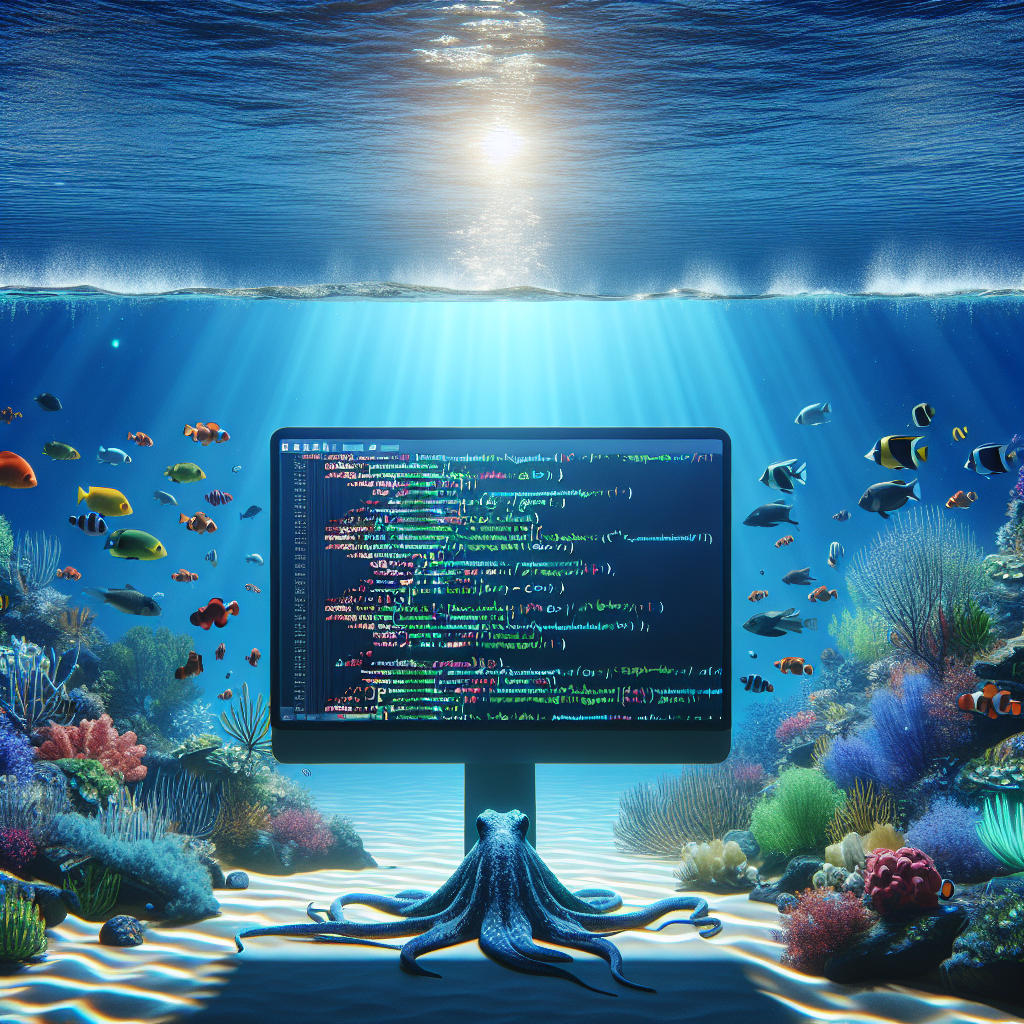
Underwater photography presents unique challenges that significantly impact image quality. Common issues such as poor visibility, muted colors, and a pervasive bluish-green haze can undermine the aesthetic and informational value of underwater images. These challenges arise primarily due to the selective absorption of light as it penetrates water, where warmer wavelengths are absorbed first, leading to images that lack vibrancy and contrast. Additionally, light scattering caused by suspended particles further complicates underwater image capture by diminishing clarity and blurring fine details. This blog post aims to explore computational approaches utilizing OpenCV to restore color balance, enhance contrast, and improve overall clarity in underwater images through effective image processing techniques implemented in Python.

The Challenge: Underwater Image Degradation Factors

Underwater images face three predominant degradation factors that hinder visual quality:

  • Selective Light Absorption: The natural filtering effect of water absorbs red wavelengths quickly, resulting in images devoid of warm colors as depth increases.
  • Light Scattering: Particles suspended in the water scatter light, creating a low-contrast effect similar to fog, which obscures visibility and fine details.
  • Color Cast and White Balance Issues: The lack of a natural white reference underwater complicates color balance, often resulting in severe color casts that misrepresent the scene.

Main Goal and Achievements

The primary goal of the original post is to implement a robust multi-stage image enhancement pipeline using OpenCV to address the unique challenges of underwater photography. This goal can be achieved through a series of image processing techniques, including:

  • White balance correction to neutralize color casts.
  • Red channel restoration to recover lost warm colors.
  • Contrast-Limited Adaptive Histogram Equalization (CLAHE) to improve local contrast.
  • Dehazing techniques to mitigate the effects of light scattering.
  • Adaptive unsharp masking to enhance edge details.
  • Gamma correction to adjust luminance for better visibility.

Advantages of Underwater Image Enhancement

The implementation of a systematic underwater image enhancement pipeline provides several advantages:

  • Improved Visual Clarity: Techniques like CLAHE significantly enhance local contrast, resulting in clearer images.
  • Restored Color Fidelity: Through methods such as red channel restoration and white balance adjustments, the true colors of underwater scenes can be better represented.
  • Real-Time Processing Capability: The use of OpenCV allows for interactive applications, enabling real-time adjustments to enhance images as they are captured.
  • Enhanced Research and Documentation: Improved image quality aids in marine biology research and underwater archaeology by providing clearer visual data for analysis.

However, it is important to note that these enhancements are contingent upon the quality of the input images. Heavily compressed or low-resolution images may not yield optimal results even after processing, thereby limiting the effectiveness of the enhancement techniques.

Future Implications

The future of underwater image enhancement stands to benefit significantly from advancements in artificial intelligence (AI) and machine learning. As AI technologies evolve, they will facilitate the development of more sophisticated algorithms capable of automatically correcting image imperfections, recognizing underwater scenes, and optimizing enhancement parameters based on environmental conditions. This will lead to improved user experiences and potentially democratize high-quality underwater imaging, making it accessible to a broader audience, including amateur photographers and researchers alike. Moreover, the integration of AI could enhance real-time processing capabilities, enabling applications such as autonomous underwater vehicles (AUVs) to navigate and inspect underwater environments with unprecedented clarity.

Disclaimer

The content on this site is generated using AI technology that analyzes publicly available blog posts to extract and present key takeaways. We do not own, endorse, or claim intellectual property rights to the original blog content. Full credit is given to original authors and sources where applicable. Our summaries are intended solely for informational and educational purposes, offering AI-generated insights in a condensed format. They are not meant to substitute or replicate the full context of the original material. If you are a content owner and wish to request changes or removal, please contact us directly.

Source link :

Click Here

How We Help

Our comprehensive technical services deliver measurable business value through intelligent automation and data-driven decision support. By combining deep technical expertise with practical implementation experience, we transform theoretical capabilities into real-world advantages, driving efficiency improvements, cost reduction, and competitive differentiation across all industry sectors.

We'd Love To Hear From You

Transform your business with our AI.

Get In Touch