Context and Importance of Graph Neural Networks in HealthTech
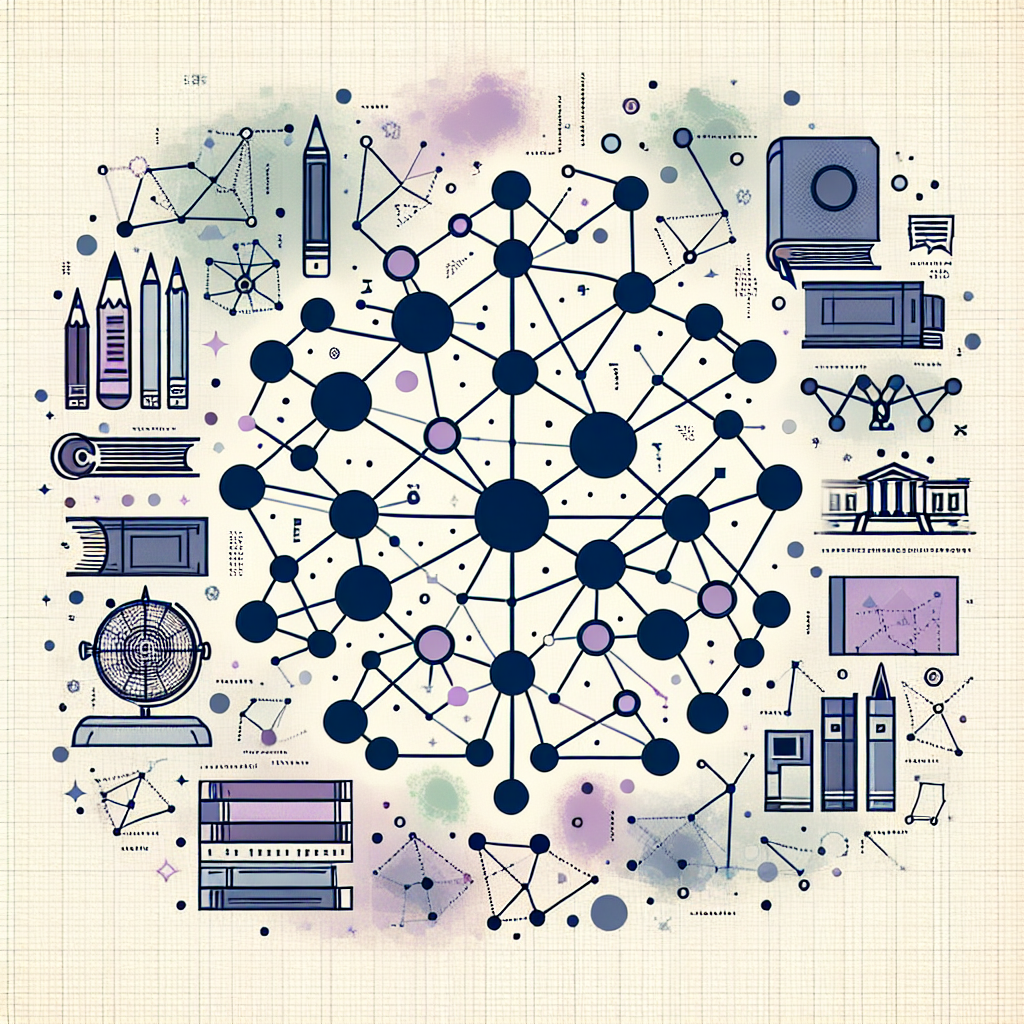
Graph Neural Networks (GNNs) have emerged as a powerful tool in the realm of artificial intelligence, particularly in the fields of health and medicine. These networks efficiently process graph-structured data, enabling the representation of complex relationships among entities, such as patients, treatments, and biological molecules. The capacity to model interactions as graphs allows for enhanced predictions and insights in various applications, including drug discovery, patient diagnosis, and personalized medicine.
Main Goal of GNNs in HealthTech
The primary objective of utilizing GNNs within the health and medicine sectors is to improve predictive modeling related to complex biological and clinical data. This goal can be achieved through the effective representation of relationships and interactions among nodes (e.g., patients or molecules) and edges (e.g., interactions or relationships). By embedding these interactions into a graph format, GNNs can enhance the accuracy of predictions regarding patient outcomes, drug interactions, and other critical health metrics.
Advantages of Graph Neural Networks in HealthTech
- Enhanced Predictive Accuracy: GNNs can model intricate relationships within health data more effectively than traditional methods, leading to improved accuracy in predictions of disease outcomes and treatment responses.
- Flexibility in Data Representation: GNNs can handle heterogeneous data structures, accommodating various data types, including molecular structures, patient demographics, and clinical outcomes. This versatility is essential for comprehensive health analytics.
- Improved Interpretability: By visualizing the relationships within the graph, GNNs can provide insights into the underlying mechanisms of patient responses or disease progression, making it easier for healthcare professionals to understand complex interactions.
- Scalability: GNNs are inherently designed to handle large datasets, which is a crucial requirement in health contexts where the volume of data is continuously expanding due to advancements in technology and data collection.
- Support for Personalized Medicine: By integrating patient-specific data into a graph framework, GNNs can help in tailoring treatments based on individual patient profiles, thus advancing the field of precision medicine.
Caveats and Limitations
While the advantages of GNNs are considerable, there are several caveats and limitations to consider:
- Data Quality and Availability: The effectiveness of GNNs relies heavily on the quality and comprehensiveness of the underlying data. Inaccurate or incomplete data can lead to erroneous predictions.
- Complexity of Implementation: Developing and fine-tuning GNN models requires specialized knowledge and experience, which may not be readily available in all healthcare settings.
- Computational Resources: Training GNNs, especially on large datasets, can be resource-intensive, necessitating access to powerful computing infrastructure.
Future Implications of AI Developments in HealthTech
As advancements in artificial intelligence, particularly in GNNs, continue to evolve, the implications for health and medicine are profound:
- Increased Integration of AI in Clinical Practices: As GNNs become more established, their integration into clinical workflows is likely to enhance decision-making processes, leading to more accurate diagnostics and treatment plans.
- Evolution of Personalized Medicine: The ability of GNNs to analyze complex interdependencies in patient data will further the development of personalized medicine approaches, allowing for more tailored therapies based on individual patient characteristics.
- Expansion of Research Opportunities: GNNs will facilitate new research avenues in healthcare, particularly in understanding the relationships between various biological factors and disease states, potentially leading to novel therapeutic strategies.
- Improved Public Health Outcomes: By enabling more precise and effective interventions, GNNs have the potential to positively impact public health by improving disease management and prevention strategies.
Disclaimer
The content on this site is generated using AI technology that analyzes publicly available blog posts to extract and present key takeaways. We do not own, endorse, or claim intellectual property rights to the original blog content. Full credit is given to original authors and sources where applicable. Our summaries are intended solely for informational and educational purposes, offering AI-generated insights in a condensed format. They are not meant to substitute or replicate the full context of the original material. If you are a content owner and wish to request changes or removal, please contact us directly.
Source link :