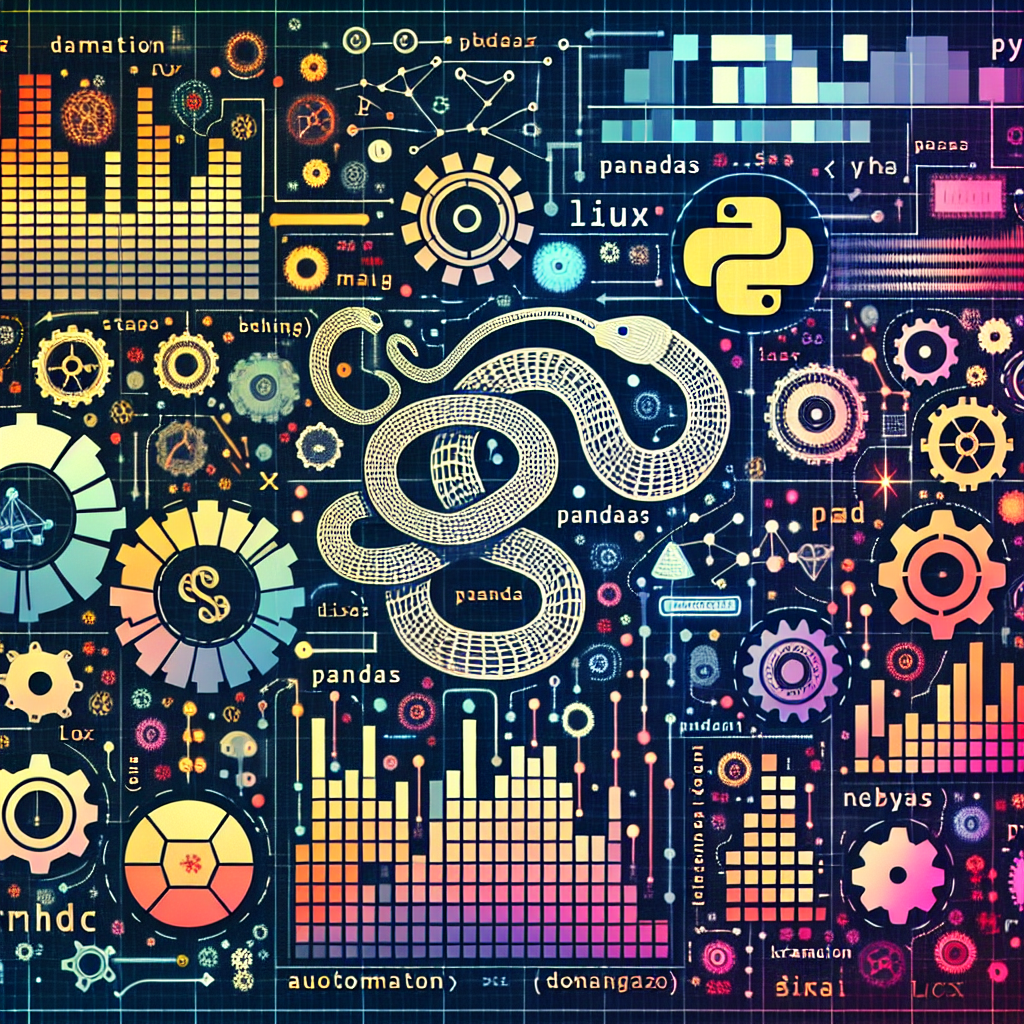
In the evolving landscape of data science and applied machine learning, the ability to derive insights from extensive datasets is paramount. Analysts frequently encounter the challenge of sifting through vast amounts of data, which often leads to a repetitive and time-consuming process. Traditional methods for exploratory data analysis (EDA) necessitate manual inspection of DataFrames, generating plots one at a time, and spending significant time on rudimentary visualizations. To address this inefficiency, tools like Lux have emerged, integrating seamlessly with existing Python libraries such as Pandas to automate the visualization process, thereby enhancing productivity for data practitioners.
The primary objective of Lux is to streamline the exploratory data analysis process by automatically generating insightful visualizations directly from Pandas DataFrames. This automation serves to alleviate the monotony of manual plotting and enables analysts to focus on interpreting results rather than getting bogged down in the mechanics of data visualization. By integrating Lux into their workflows, data scientists and analysts can expedite their exploration of data, leading to quicker hypothesis generation and deeper insights into underlying patterns.
The central goal of integrating Lux with Pandas is to eliminate the repetitive nature of data visualization tasks. Analysts can achieve this by leveraging Lux’s capabilities to generate visualizations that elucidate distributions, correlations, and trends within datasets automatically. To implement this, users simply need to display their DataFrame in a Jupyter Notebook or Google Colab environment, and Lux will provide a comprehensive array of visual outputs without additional coding. This functionality promotes a more intuitive understanding of data characteristics, thereby enhancing the analytical process.
While Lux offers numerous benefits, it is essential to consider its limitations:
As artificial intelligence continues to evolve, the integration of advanced machine learning techniques with tools like Lux is expected to enhance data analysis capabilities further. Future iterations of such tools may incorporate more sophisticated algorithms for predictive analytics, thereby enabling analysts to not only visualize data but also to forecast trends and outcomes based on historical patterns. The continued development of automated data visualization tools will likely democratize data science practices, allowing professionals with varying levels of expertise to derive actionable insights from complex datasets efficiently. Ultimately, embracing such innovations will be crucial for ML practitioners aiming to stay competitive in a rapidly advancing field.
Disclaimer
The content on this site is generated using AI technology that analyzes publicly available blog posts to extract and present key takeaways. We do not own, endorse, or claim intellectual property rights to the original blog content. Full credit is given to original authors and sources where applicable. Our summaries are intended solely for informational and educational purposes, offering AI-generated insights in a condensed format. They are not meant to substitute or replicate the full context of the original material. If you are a content owner and wish to request changes or removal, please contact us directly.
Source link :