Contextualizing the AI Controversy in the Music Industry
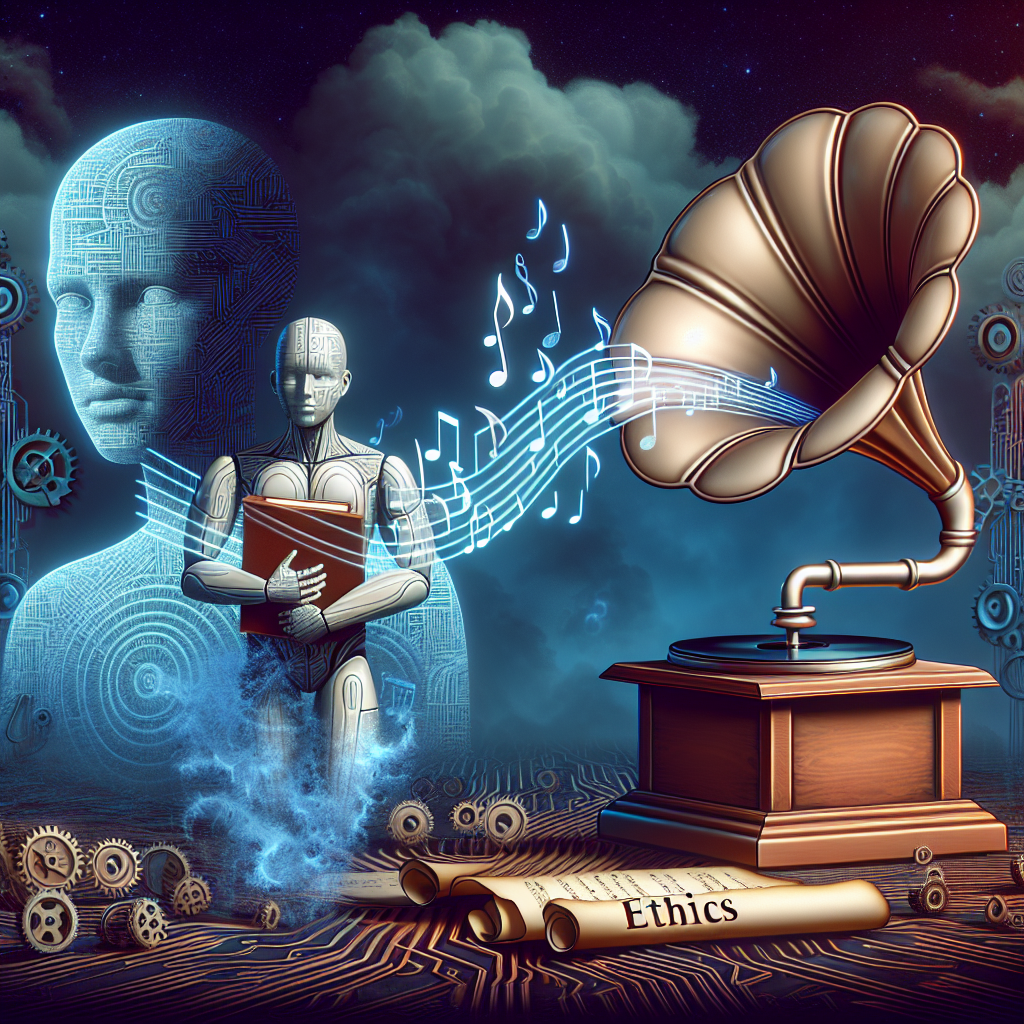
Spotify has recently come under scrutiny for its release of AI-generated music attributed to deceased artists, raising ethical concerns regarding exploitation and intellectual property rights. An investigation by 404 Media revealed that the streaming service published tracks without obtaining authorization from the artists’ estates or record labels. For instance, a song titled “Together” appeared on the page of Blake Foley, a country musician murdered in 1989, despite the track’s creator being a different individual entirely.
This incident reflects a broader trend wherein AI tools are employed to generate music that emulates the styles of past artists. The emergence of an AI band, Velvet Sundown, which has gained significant traction with its track “Dust on the Wind,” further exemplifies the growing presence of AI-generated content within established music platforms. Despite Spotify’s removal of unauthorized tracks following media exposure, the prevalence of such incidents indicates a systemic issue within the industry.
Main Goals and Their Achievement
The primary goal highlighted in this discourse is the necessity for ethical standards and regulatory frameworks governing AI-generated content in the music industry. Achieving this goal involves implementing robust policies that require platforms to seek explicit permission from artists or their estates before using their likeness or style in AI-generated compositions. Moreover, transparency in labeling AI-generated content is essential to inform consumers and protect the integrity of human artistry.
Advantages and Considerations
- Preservation of Artist Rights: Establishing clear regulations surrounding AI-generated music would safeguard the rights of deceased artists and their estates, ensuring that their legacies are not exploited without consent.
- Consumer Trust: Providing transparent labeling of AI-generated content fosters trust among listeners, as they can make informed decisions about the music they consume.
- Fair Competition: By regulating AI-generated music, platforms can create a level playing field for human artists, preventing AI tracks from unfairly competing for streaming royalties.
- Innovation in Music Creation: While regulations are necessary, they can also stimulate innovation by encouraging the development of AI technologies that respect intellectual property rights.
However, it is essential to note that overly stringent regulations could stifle creativity and limit the potential benefits of AI in music production, such as enhancing accessibility and diversity in musical expression.
Future Implications of AI in the Music Industry
The ongoing advancements in AI technology are poised to significantly reshape the music landscape. As AI becomes more sophisticated, the potential for creating music that closely mimics established artists will increase, leading to heightened ethical dilemmas. The industry may witness the development of AI systems capable of generating entirely new compositions that blend various musical elements, further blurring the lines between human and machine-generated music.
Moreover, as the debate surrounding copyright and intellectual property rights intensifies, music streaming platforms may face increased pressure to adopt transparent practices. This could prompt a shift toward more equitable revenue-sharing models that recognize the contributions of both human artists and AI systems. Ultimately, the future of AI in the music industry hinges on balancing innovation with ethical considerations, ensuring that technological advancements do not come at the expense of artistic integrity.
Disclaimer
The content on this site is generated using AI technology that analyzes publicly available blog posts to extract and present key takeaways. We do not own, endorse, or claim intellectual property rights to the original blog content. Full credit is given to original authors and sources where applicable. Our summaries are intended solely for informational and educational purposes, offering AI-generated insights in a condensed format. They are not meant to substitute or replicate the full context of the original material. If you are a content owner and wish to request changes or removal, please contact us directly.
Source link :