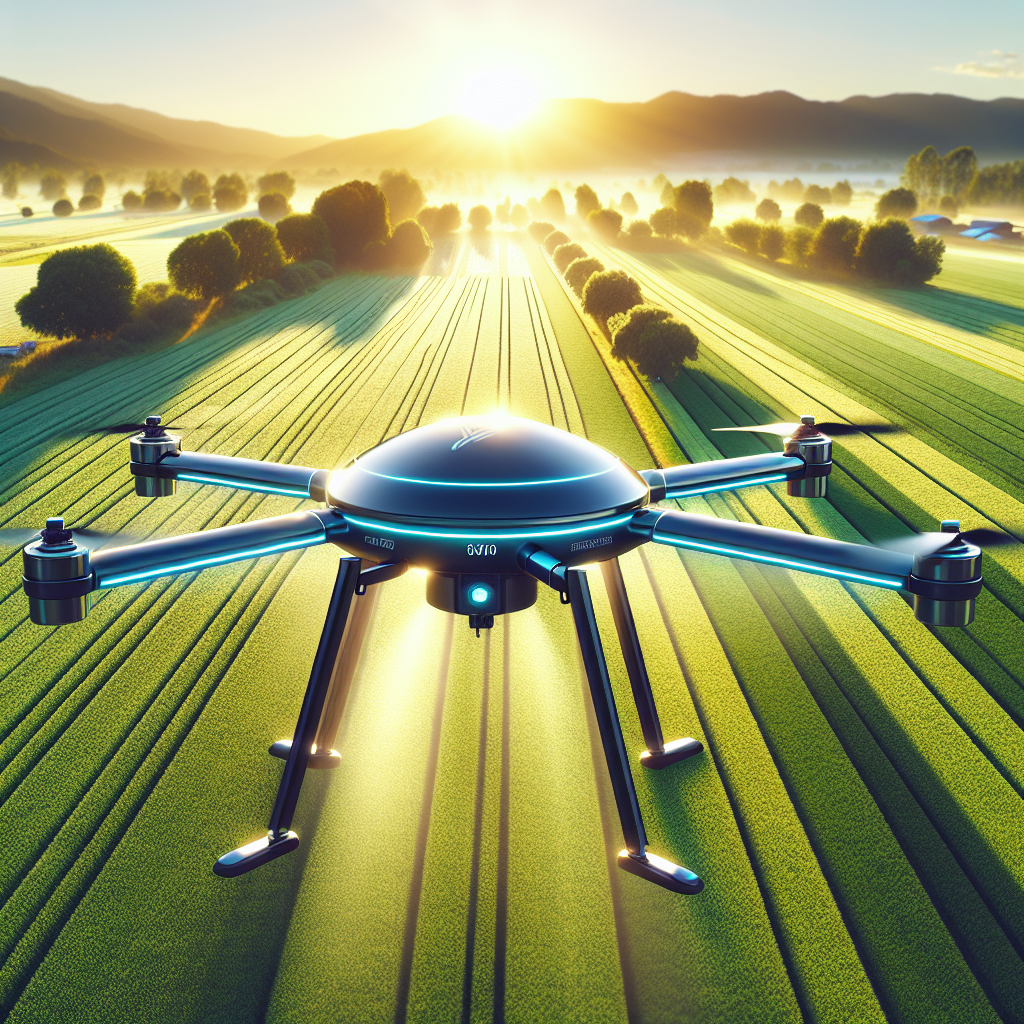
The integration of unmanned aircraft systems (UAS) in agriculture is gaining momentum, presenting innovative solutions to some of the sector’s most pressing challenges. The recent initiatives by Mississippi State University (MSU) through its Agricultural Autonomy Institute (AAI) exemplify this trend. By launching a comprehensive video series aimed at educating farmers about the operational and regulatory aspects of agricultural drones, the AAI is facilitating the adoption of this pioneering technology. These systems, particularly those equipped with spray capabilities, promise to enhance efficiency in agricultural production, a necessity in an industry increasingly challenged by labor shortages and rising operational costs.
The rapid acceleration of UAS adoption in agricultural contexts can be attributed to the establishment of clear regulatory frameworks which have permitted their commercial use. While initial investments in technology may appear daunting, the long-term benefits—including significant reductions in labor, time, and costs associated with tasks like aerial cover crop seeding, fertilizer distribution, and pesticide application—underscore the value proposition of this innovation.
The principal goal of the AAI’s video series is to enhance understanding and facilitate the safe, effective use of agricultural drones among stakeholders. This aim is pursued by addressing common inquiries and providing comprehensive guidance through a 13-part instructional video series. By focusing on both foundational knowledge and troubleshooting, the AAI aims to empower users to navigate the complexities of drone technology effectively.
To achieve this goal, the series is structured to incorporate short, digestible videos that cover high-demand topics, thereby catering to various levels of expertise among users. This educational approach not only demystifies drone technology but also promotes safe practices, which is critical given the evolving regulatory landscape surrounding UAS operations in agriculture.
1. **Increased Efficiency**: Agricultural drones can perform tasks such as spraying and monitoring crops at a fraction of the time required by traditional methods. This efficiency translates to labor savings and increased productivity.
2. **Cost Savings**: While there is an upfront investment, the reduction in labor costs and the ability to cover larger areas quickly yield substantial financial benefits in the long run.
3. **Precision Agriculture**: Drones enable precise application of inputs, reducing waste and minimizing environmental impact. This precision is particularly beneficial for tasks such as pesticide application, where targeted delivery can enhance efficacy and safety.
4. **Real-time Data Collection**: Drones are equipped with advanced sensors that provide real-time data on crop health, soil conditions, and environmental factors, empowering farmers to make informed decisions.
5. **Educational Support**: Initiatives like the video series from AAI provide critical educational resources, bridging the knowledge gap for farmers and stakeholders unfamiliar with drone technology.
While these advantages are compelling, it is essential to acknowledge some limitations. The initial investment in drone technology and the need for ongoing training to keep up with regulatory changes can pose challenges for adoption, particularly among smaller operations.
Looking ahead, advancements in artificial intelligence (AI) are poised to further revolutionize the agricultural drone sector. Enhanced AI algorithms will enable drones to perform more complex tasks, such as autonomous decision-making regarding crop treatment and monitoring. This capability could significantly reduce the need for human oversight, allowing farmers to focus on strategic decision-making rather than operational management.
Moreover, the integration of AI with machine learning will facilitate the analysis of vast amounts of data collected by drones, enabling predictive analytics that can inform crop management practices. This evolution could lead to more sustainable agricultural practices, optimized resource management, and improved yield outcomes.
In conclusion, the initiatives undertaken by the AAI highlight the potential of agricultural drones as transformative tools in modern farming. By fostering education and understanding of this technology, stakeholders can harness its benefits, leading to enhanced productivity and sustainability in the agricultural sector. The future, particularly with the integration of AI, promises even greater advancements, ensuring that agricultural innovation continues to evolve in response to the challenges of the industry.
Disclaimer
The content on this site is generated using AI technology that analyzes publicly available blog posts to extract and present key takeaways. We do not own, endorse, or claim intellectual property rights to the original blog content. Full credit is given to original authors and sources where applicable. Our summaries are intended solely for informational and educational purposes, offering AI-generated insights in a condensed format. They are not meant to substitute or replicate the full context of the original material. If you are a content owner and wish to request changes or removal, please contact us directly.
Source link :