Contextual Overview
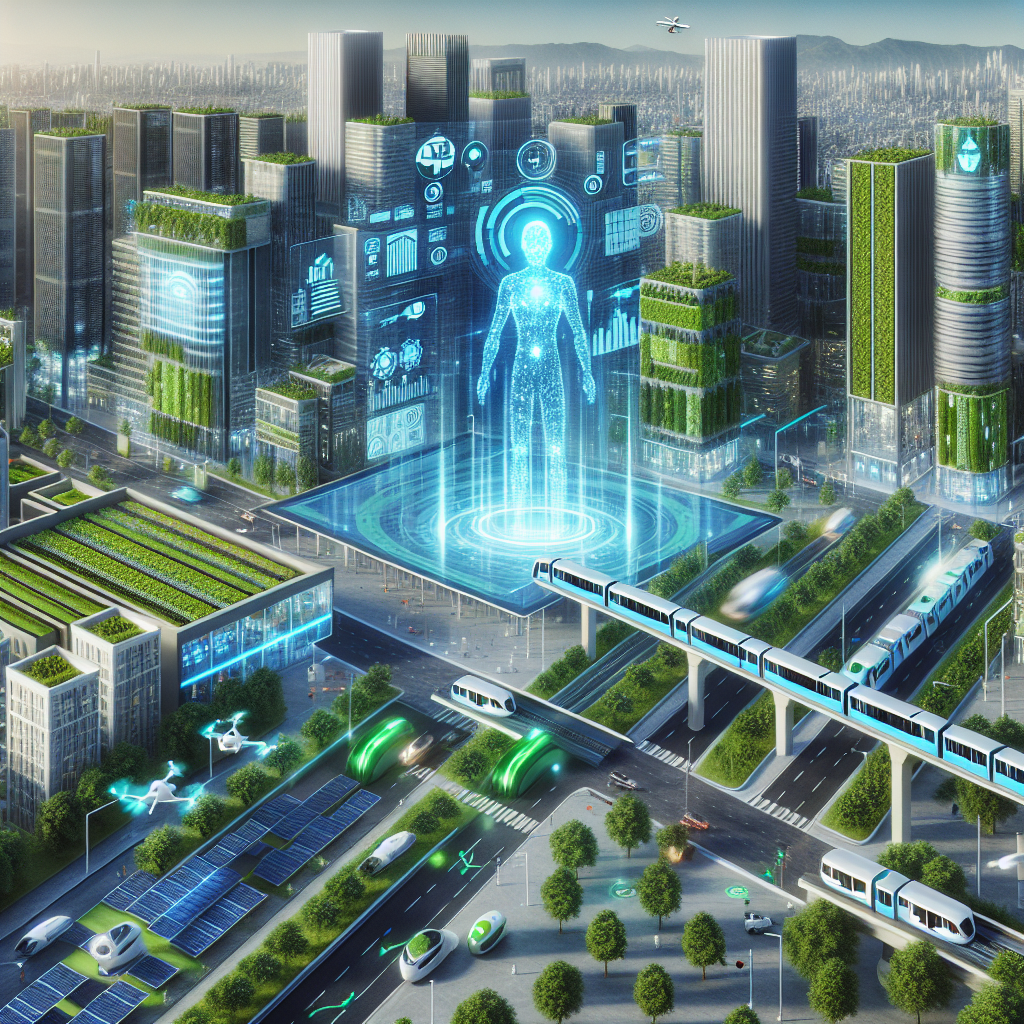
The rapid urbanization of cities globally has ushered in a myriad of challenges, particularly in managing increased population densities and aging infrastructure. These operational hurdlesāranging from traffic congestion to emergency service coordinationāare exacerbated by disjointed data streams and isolated governmental processes. To navigate these complexities, cities are increasingly turning to advanced technological solutions, particularly artificial intelligence (AI) and digital twin technologies. The integration of these innovations enables urban centers to harness real-time data for more effective decision-making and operational efficiency.
Main Goal and Achievement Strategies
The primary objective of implementing AI agents within smart cities is to facilitate enhanced operational efficiency and proactive urban management. This can be realized through the adoption of comprehensive frameworks such as the NVIDIA Blueprint for Smart City AI, which serves as a robust reference point for building, testing, and deploying AI agents within simulation-ready environments. By utilizing OpenUSD-enabled digital twins, cities can simulate various scenarios, allowing stakeholders to evaluate potential outcomes and make informed decisions based on accurate predictive analytics.
Advantages of AI in Urban Operations
- Enhanced Decision-Making: AI agents provide comprehensive, real-time insights that improve the quality of decision-making processes within urban management. By utilizing synthetic data generated through simulation, cities can anticipate challenges and devise strategic responses.
- Operational Efficiency: Cities utilizing AI technologies have reported significant improvements in operational metrics. For instance, Kaohsiung City, Taiwan, experienced an 80% reduction in incident response times due to the deployment of street-level AI.
- Resource Optimization: AI applications have been shown to optimize resource consumption across various domains. French rail networks utilizing digital twins achieved a 20% reduction in energy consumption, showcasing the potential for significant cost savings.
- Proactive Urban Management: By transitioning from reactive to proactive operational strategies, cities can better manage emergency services and public safety, thus enhancing the overall quality of life for residents.
Caveats and Limitations
Despite the numerous advantages, the adoption of AI in urban operations is not without its limitations. Technical barriers such as data fragmentation and the need for substantial investment in infrastructure may hinder implementation efforts. Additionally, ethical considerations surrounding data privacy and security must be addressed to ensure public trust in AI systems.
Future Implications of AI in Urban Environments
The continued advancement of AI technologies will likely have profound implications for urban environments. As AI systems become increasingly sophisticated, they will enable cities to develop more nuanced and effective responses to urban challenges. Future developments may include enhanced predictive analytics capabilities, allowing for even more accurate modeling of urban scenarios. Moreover, as generative AI technologies evolve, the potential for automating complex tasks within urban management will expand, paving the way for smarter, more resilient cities.
Disclaimer
The content on this site is generated using AI technology that analyzes publicly available blog posts to extract and present key takeaways. We do not own, endorse, or claim intellectual property rights to the original blog content. Full credit is given to original authors and sources where applicable. Our summaries are intended solely for informational and educational purposes, offering AI-generated insights in a condensed format. They are not meant to substitute or replicate the full context of the original material. If you are a content owner and wish to request changes or removal, please contact us directly.
Source link :