
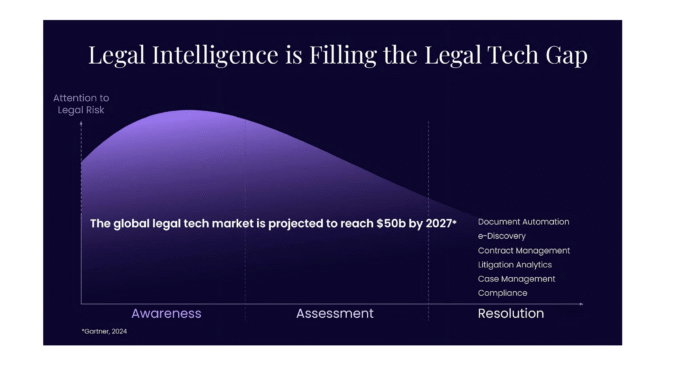
The advent of legal intelligence technologies has initiated significant transformations within the legal landscape. Traditional legal practice has predominantly relied on reactive methodologies, where attorneys address issues only after clients report them. This approach inherently limits the potential for uncovering systemic violations, such as environmental abuses and consumer fraud, which often remain obscured until significant harm has already occurred. Legal intelligence serves as a powerful tool to identify these latent issues proactively, elevating the practice of law to a more anticipatory and investigative discipline.
The primary aim of integrating legal intelligence is to shift the paradigm from a reactive model of practice to a proactive one. By employing advanced analytics and artificial intelligence, legal professionals can scan extensive databases for patterns indicative of systemic harm. This shift allows for earlier identification of potential claims, thereby enhancing the ability of attorneys to serve clients effectively and efficiently. Achieving this goal necessitates the adoption of sophisticated data analysis tools that can process vast amounts of information swiftly and accurately.
Despite its advantages, the implementation of legal intelligence is not without challenges. The reliance on technology necessitates a robust understanding of data privacy and ethical considerations, as improper use of data can lead to significant legal repercussions. Additionally, while AI can significantly enhance efficiency, it cannot entirely replace the nuanced understanding required for legal interpretation and advocacy. The need for skilled legal professionals who can navigate these complexities remains paramount.
The trajectory of AI development within the legal sector suggests a future where legal intelligence becomes an integral component of practice. As technologies evolve, the capabilities of AI will likely expand, enabling even more sophisticated analytical tools that can handle increasingly complex datasets. This evolution will further empower attorneys to identify and address systemic harms proactively, thus fulfilling the legal profession’s essential mandate of justice and accountability. The continuous integration of AI into legal practice is poised to redefine how legal professionals engage with their work, ultimately leading to more equitable outcomes for clients and society at large.
Disclaimer
The content on this site is generated using AI technology that analyzes publicly available blog posts to extract and present key takeaways. We do not own, endorse, or claim intellectual property rights to the original blog content. Full credit is given to original authors and sources where applicable. Our summaries are intended solely for informational and educational purposes, offering AI-generated insights in a condensed format. They are not meant to substitute or replicate the full context of the original material. If you are a content owner and wish to request changes or removal, please contact us directly.
Source link :