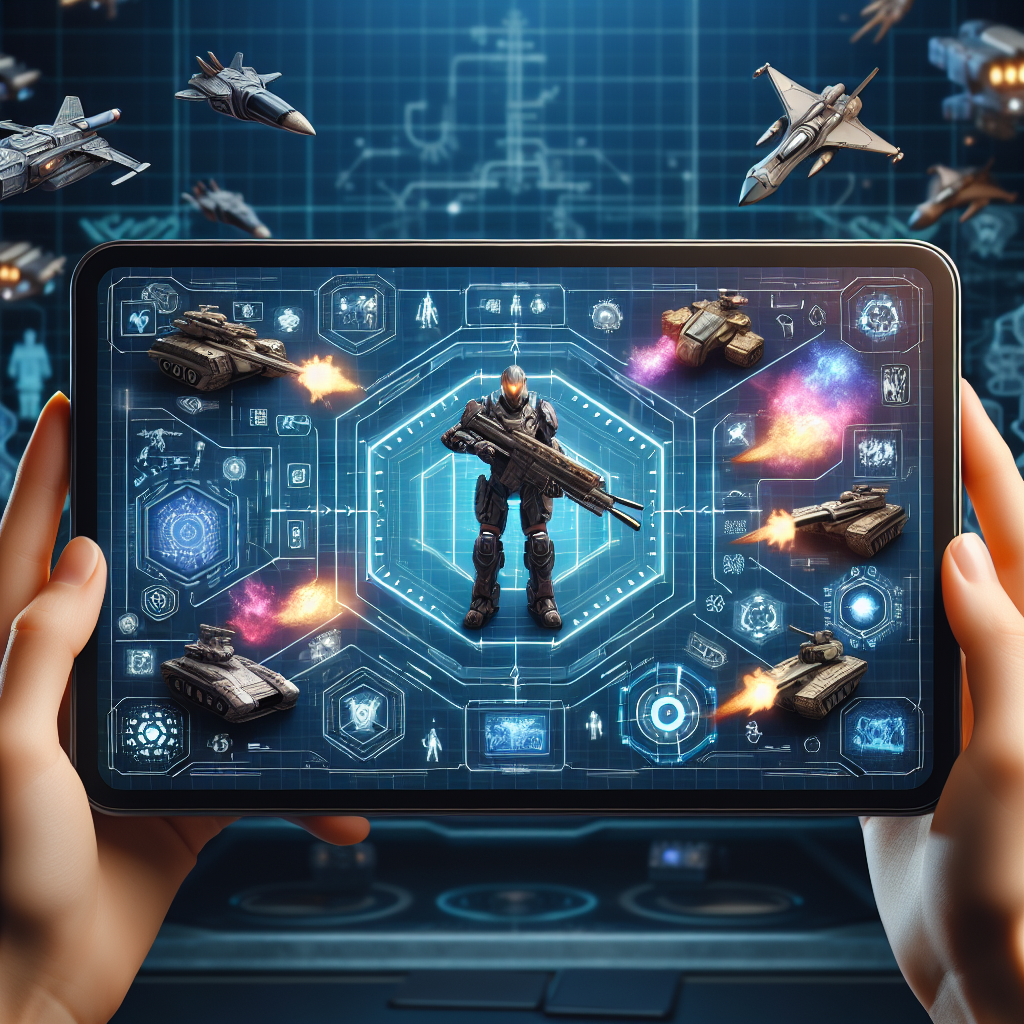
In recent developments within the gaming and cloud computing sectors, the launch of *Call of Duty: Black Ops 7* via GeForce NOW exemplifies a significant milestone in interactive entertainment. As cloud gaming technologies advance, users can engage with intensive gaming experiences across a diverse range of devices, including underpowered laptops and handheld consoles. The introduction of advanced graphical processing units (GPUs), such as the GeForce RTX 5080, enhances the feasibility of high-fidelity gaming without the traditional hardware constraints. This shift towards cloud-based solutions not only democratizes access to high-performance gaming but also signifies a trend towards the broader application of generative AI models in interactive environments.
The primary objective articulated in the original content is to enhance user engagement through seamless streaming of high-performance games across various platforms. This is achieved by leveraging cutting-edge GPU technology and cloud computing capabilities, which collectively facilitate a smoother gaming experience characterized by reduced latency and higher frame rates. By utilizing services like GeForce NOW, gamers can bypass the need for extensive local hardware, effectively broadening the audience and enhancing user satisfaction. This goal is paramount for both gaming companies and consumers, as it fosters an environment conducive to immersive gameplay while minimizing logistical barriers.
The integration of cloud gaming with generative AI technologies presents several advantages:
1. **Accessibility Across Devices**: Users can engage in high-performance gaming without the necessity for expensive hardware. The ability to stream games on underpowered laptops, Macs, and handheld devices such as the Steam Deck makes gaming significantly more accessible.
2. **Enhanced Performance**: The deployment of GeForce RTX 5080-class power allows for exceptional graphical fidelity and responsiveness. This enhancement translates to a more visually and interactively engaging experience for users, even in complex gaming environments.
3. **Instant Access to Games**: With cloud gaming, players enjoy immediate access to new titles without waiting for downloads or installations. This capability is particularly beneficial for premium members of services like GeForce NOW, who experience no waiting times and can dive directly into gameplay.
4. **Seamless Updates and Maintenance**: Cloud-based platforms automatically update games and maintain server health, ensuring that users always have access to the latest features and improvements without manual intervention.
5. **Scalability**: The cloud infrastructure allows gaming companies to scale their services rapidly, accommodating fluctuating user demand without the need for physical hardware upgrades.
Despite these advantages, it is essential to acknowledge caveats, such as dependency on stable internet connections and potential latency issues in regions with inadequate bandwidth. Moreover, while cloud gaming offers numerous benefits, it may also raise concerns regarding data privacy and security.
The future of cloud gaming, particularly as it intersects with generative AI models, suggests a transformative trajectory for the interactive entertainment landscape. As AI technologies continue to evolve, we can anticipate several potential outcomes:
1. **Personalized Gaming Experiences**: Generative AI could facilitate more tailored gameplay by analyzing player behavior and preferences, leading to dynamic in-game adaptations that enhance user engagement.
2. **Improved Game Development Processes**: AI models can streamline the game development process by automating asset generation and testing, enabling studios to focus on creative aspects while maintaining high standards of quality.
3. **Real-Time Adaptation**: Future advancements may allow for real-time adjustments to game mechanics and scenarios based on player interactions, creating a more immersive and responsive gaming environment.
4. **Broader Applications Beyond Gaming**: The technology and methodologies developed for cloud gaming could find applications in various fields, such as education and training simulations, further extending the reach and utility of generative AI.
In conclusion, the integration of cloud gaming platforms with generative AI technologies marks a pivotal moment in the evolution of interactive entertainment, paving the way for a more inclusive and responsive gaming ecosystem. As developments in this domain progress, the implications for both industry professionals and consumers will be profound, reshaping the landscape of how games are created, accessed, and experienced.
Disclaimer
The content on this site is generated using AI technology that analyzes publicly available blog posts to extract and present key takeaways. We do not own, endorse, or claim intellectual property rights to the original blog content. Full credit is given to original authors and sources where applicable. Our summaries are intended solely for informational and educational purposes, offering AI-generated insights in a condensed format. They are not meant to substitute or replicate the full context of the original material. If you are a content owner and wish to request changes or removal, please contact us directly.
Source link :