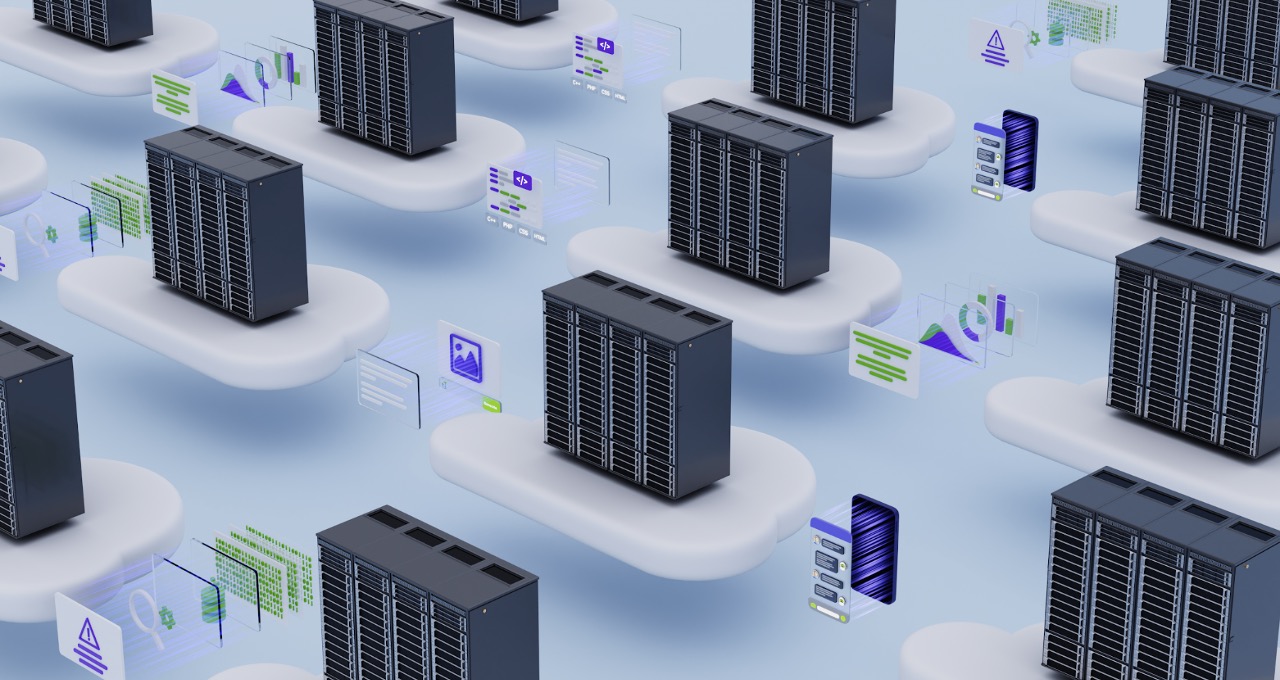
In the rapidly evolving landscape of artificial intelligence (AI), the demand for high-performance storage solutions is intensifying. With projections indicating that enterprises will generate nearly 400 zettabytes of data annually by 2028, the storage needs of AI workloads are becoming more complex and critical. A significant portion of this data is unstructured, encompassing various formats such as images, videos, and documents, which necessitates innovative storage strategies. This blog post delves into the utilization of Remote Direct Memory Access (RDMA) for accelerating S3-compatible storage, a transformative approach that enhances data management for AI applications.
The primary objective of integrating RDMA into S3-compatible storage is to enhance storage performance for AI workloads. RDMA facilitates rapid data access and transfer, allowing for efficient handling of substantial data volumes characteristic of AI applications. By leveraging RDMA, organizations can achieve significant improvements in storage throughput, lower latency, and reduced costs per terabyte. The implementation of this technology enables AI scientists to access and process vast datasets more efficiently, thereby optimizing their workflows and accelerating project timelines.
While RDMA presents numerous advantages, it is essential to recognize potential limitations. The initial libraries are optimized for specific hardware, primarily NVIDIA GPUs, which may restrict broader applicability across different platforms. Additionally, organizations may face challenges in integrating RDMA into existing infrastructure, which could require substantial investment in new hardware or software solutions.
The advancement of AI technologies will undoubtedly continue to shape the landscape of data storage and management. As AI models become increasingly sophisticated, the need for swift data access and processing will intensify. RDMA’s role in facilitating high-performance, S3-compatible storage is likely to become even more critical as organizations strive to leverage data for AI-driven insights. The standardization efforts currently underway will also promote wider adoption of RDMA technology, ensuring that more organizations can benefit from these enhancements in the near future.
In summary, the integration of RDMA for S3-compatible storage presents a transformative opportunity for organizations engaged in AI development. By enhancing storage performance, reducing costs, and enabling seamless workload portability, RDMA technology stands to significantly impact the efficiency of AI workloads. As the industry continues to evolve, staying abreast of these developments will be essential for AI scientists and organizations aiming to harness the full potential of their data resources.
Disclaimer
The content on this site is generated using AI technology that analyzes publicly available blog posts to extract and present key takeaways. We do not own, endorse, or claim intellectual property rights to the original blog content. Full credit is given to original authors and sources where applicable. Our summaries are intended solely for informational and educational purposes, offering AI-generated insights in a condensed format. They are not meant to substitute or replicate the full context of the original material. If you are a content owner and wish to request changes or removal, please contact us directly.
Source link :