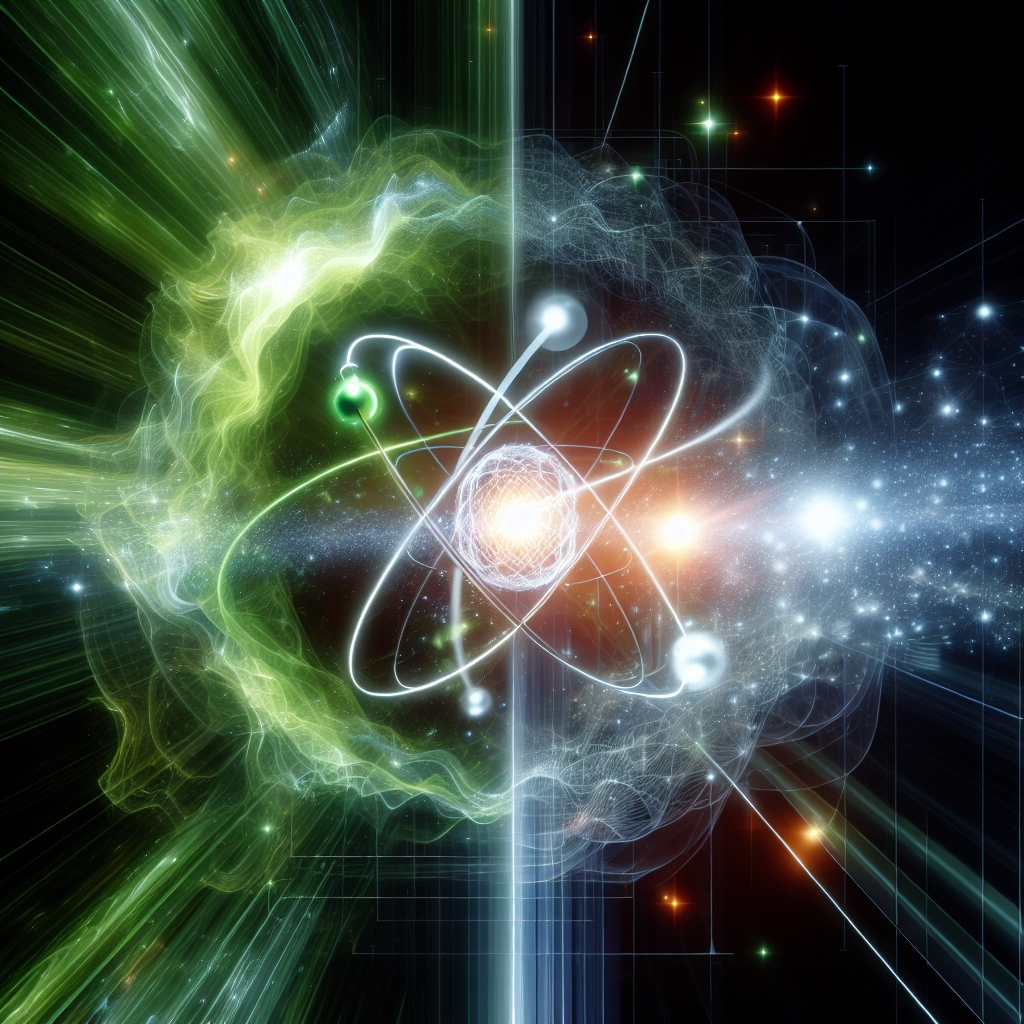
The pursuit of harnessing fusion energy, akin to replicating the sun’s power on Earth, has garnered significant attention in scientific and industrial circles. Recent advancements by NVIDIA and General Atomics, in collaboration with international research teams, highlight the transformative role of artificial intelligence (AI) in this endeavor. Through the development of a high-fidelity, AI-enabled digital twin for fusion reactors, these organizations are not only accelerating research but also redefining the operational capabilities of fusion technology. The integration of generative AI models into this process presents an unprecedented opportunity for scientists and engineers in the field.
The primary goal of the collaborative project is to create a digital twin of the DIII-D National Fusion Facility, facilitating real-time simulations of plasma behavior. By leveraging AI surrogate models, the initiative aims to significantly reduce simulation times from weeks to mere seconds. This approach enables researchers to explore various operational scenarios virtually, enhancing their ability to predict and control plasma behavior effectively. Such advancements are crucial for advancing the feasibility of commercial fusion energy.
While the integration of AI in fusion research presents numerous advantages, it is essential to acknowledge certain limitations. The complexity of plasma behavior, influenced by numerous variables, may still pose challenges that AI models must continuously adapt to. Additionally, the reliance on historical data for model training may introduce biases that could affect prediction accuracy. Continuous refinement of these models and validation against experimental data will be critical to mitigate such risks.
The implications of AI advancements for fusion energy research are profound. As generative AI models evolve, they will likely provide deeper insights into plasma dynamics, allowing for the design of more efficient reactors. Furthermore, the capacity for near-real-time simulations will enable researchers to respond swiftly to operational challenges, paving the way for faster iterations of reactor design and optimization. Ultimately, these advancements could catalyze the transition from experimental fusion to commercially viable energy solutions, potentially revolutionizing the global energy landscape.
The collaboration between NVIDIA, General Atomics, and their partners marks a significant milestone in the quest for sustainable fusion energy. By harnessing the power of AI and creating interactive digital twins, researchers can overcome traditional barriers in fusion research, paving the way for a cleaner, more efficient energy future. As the field continues to evolve, the ongoing integration of generative AI will undoubtedly play a crucial role in realizing the dream of practical fusion energy.
Disclaimer
The content on this site is generated using AI technology that analyzes publicly available blog posts to extract and present key takeaways. We do not own, endorse, or claim intellectual property rights to the original blog content. Full credit is given to original authors and sources where applicable. Our summaries are intended solely for informational and educational purposes, offering AI-generated insights in a condensed format. They are not meant to substitute or replicate the full context of the original material. If you are a content owner and wish to request changes or removal, please contact us directly.
Source link :