Optimize Your Legacy Starlink Dish for Continued Functionality

Context and Relevance to Applied Machine Learning

The rapid evolution of technology necessitates that hardware and software systems remain current to function effectively. This principle is especially pertinent in the realm of Applied Machine Learning (ML), where outdated tools can severely hinder operational performance. A recent advisory regarding Starlink hardware exemplifies this urgency, as users are prompted to update their devices to avoid permanent inoperability. Similarly, ML practitioners must ensure that their tools, algorithms, and models are consistently updated to leverage advancements in data processing and computational efficiency.

Main Goal and Achievement Strategies

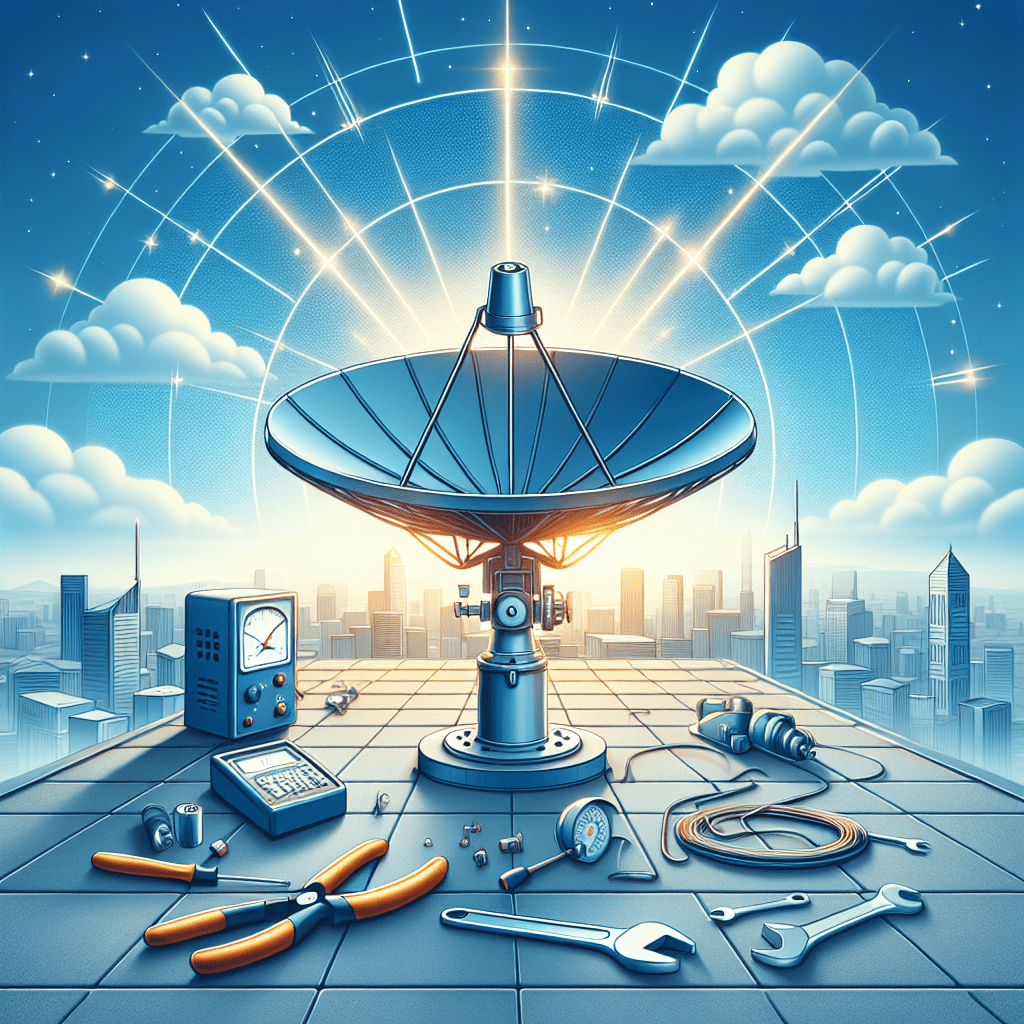
The central objective of the original advisory is to inform users of Starlink dishes about the impending obsolescence of outdated firmware. Specifically, hardware utilizing the 2024.05.0 firmware must be updated by November 17, 2025, to maintain functionality. This can be achieved through a straightforward three-step process: powering up the dish outdoors, ensuring a clear view of the sky, and using the accompanying application to monitor the update progress. By following these steps, users can prevent their devices from becoming permanently inoperable, thereby maximizing their investment in technology.

Advantages of Timely Updates

  • Prevention of Obsolescence: Regular updates protect hardware from becoming obsolete. In Applied ML, this principle holds true as outdated algorithms may lead to decreased accuracy and relevance in predictions.
  • Enhanced Connectivity: Maintaining updated firmware ensures that devices remain connected to necessary networks. In ML applications, connectivity is vital for data retrieval and processing, which directly impacts model performance.
  • Cost-Effectiveness: By avoiding the costs associated with replacing outdated devices, users can allocate resources more effectively. This is particularly crucial for ML practitioners who may face significant expenses in acquiring new hardware or software tools.
  • Increased Performance: Updates often include enhancements that improve device functionality, much like how ML updates can improve algorithm performance through optimized code or new features.

Future Implications for Applied Machine Learning

As the field of AI continues to advance, the implications for Applied Machine Learning are profound. The integration of more sophisticated algorithms and hardware capabilities will demand that practitioners remain vigilant about updates. Continuous learning and adaptation will be essential, particularly as AI models evolve to process larger datasets and incorporate more complex functionalities. The ability to leverage updated technologies will not only enhance operational efficiency but also foster innovation in ML applications, thereby shaping future industry standards.

Disclaimer

The content on this site is generated using AI technology that analyzes publicly available blog posts to extract and present key takeaways. We do not own, endorse, or claim intellectual property rights to the original blog content. Full credit is given to original authors and sources where applicable. Our summaries are intended solely for informational and educational purposes, offering AI-generated insights in a condensed format. They are not meant to substitute or replicate the full context of the original material. If you are a content owner and wish to request changes or removal, please contact us directly.

Source link :

Click Here

How We Help

Our comprehensive technical services deliver measurable business value through intelligent automation and data-driven decision support. By combining deep technical expertise with practical implementation experience, we transform theoretical capabilities into real-world advantages, driving efficiency improvements, cost reduction, and competitive differentiation across all industry sectors.

We'd Love To Hear From You

Transform your business with our AI.

Get In Touch