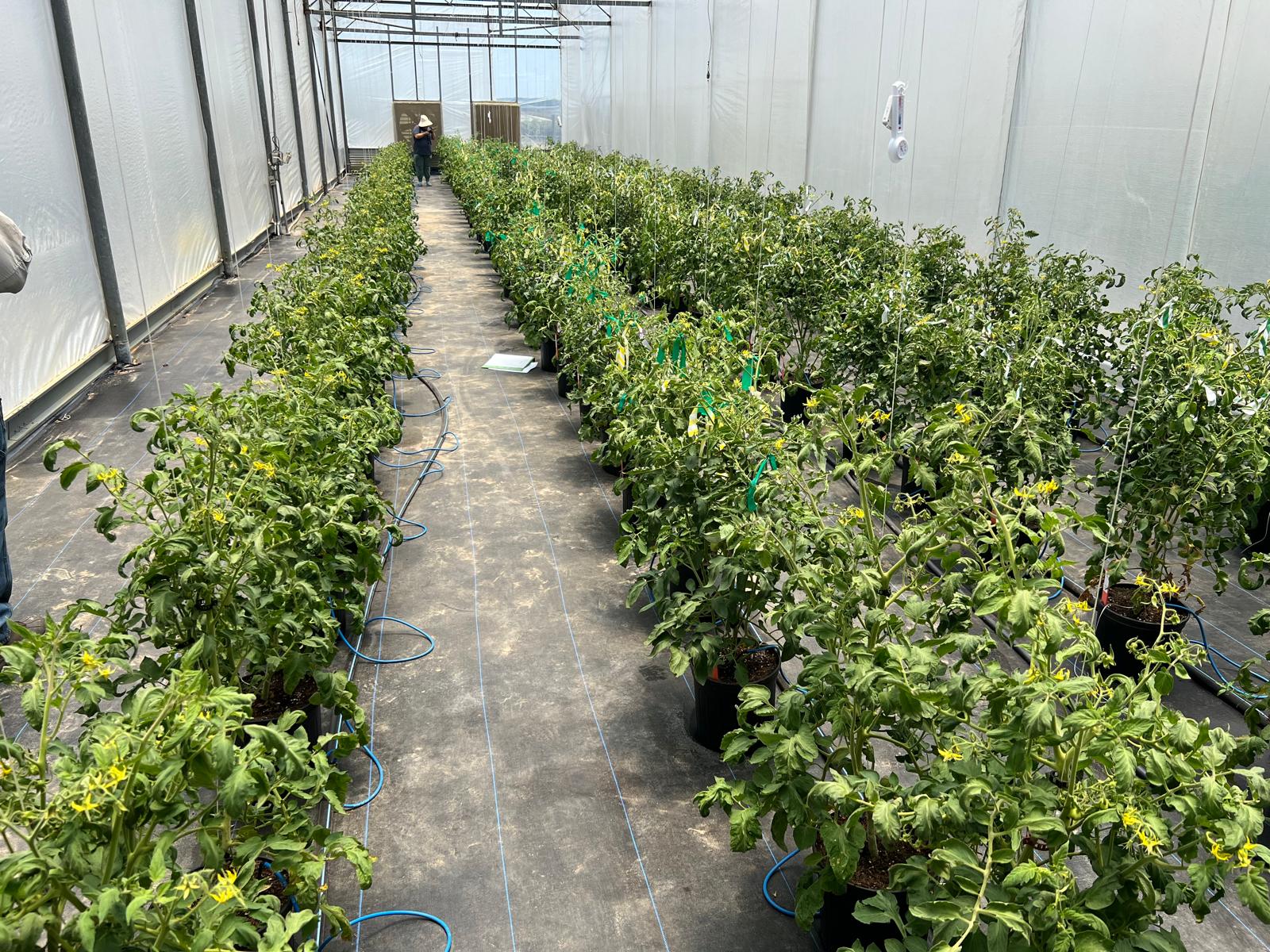
Squash, a versatile and nutritious fruit, has been cultivated for over 8,000 years, tracing its origins back to the indigenous peoples of the Americas. This long history of cultivation has led to the emergence of numerous squash varieties, each with unique traits and growing conditions. As the demand for local and sustainable agriculture rises, understanding which squash varieties to cultivate can play a pivotal role in modern agriculture, particularly within the AgriTech and Smart Farming sectors. This post aims to explore the advantages of selecting the right squash varieties while considering the implications of technological advancements in agriculture.
The primary goal of selecting specific squash varieties is to optimize yield and meet market demands while adapting to local climate conditions. By strategically choosing squash cultivars that are easy to grow and align with consumer preferences, agricultural innovators can maximize productivity and sustainability. This can be achieved through careful planning, taking into account factors such as growth duration, plant size, and pest resistance. Utilizing local agricultural data and resources can further enhance decision-making in variety selection.
While the selection of optimal squash varieties presents numerous advantages, there are limitations to consider. Factors such as climate variability, soil health, and pest pressures can influence the success of specific cultivars. Furthermore, reliance on a limited number of varieties may lead to decreased genetic diversity, increasing vulnerability to diseases and pests. Thus, continuous research and adaptive management strategies are essential to navigate these challenges.
The integration of artificial intelligence (AI) in agriculture is poised to revolutionize the selection and cultivation of squash varieties. AI technologies can analyze vast datasets, providing insights into soil conditions, weather patterns, and market trends. By leveraging machine learning algorithms, farmers can receive personalized recommendations for the most suitable squash varieties based on specific environmental and market conditions. Furthermore, AI can enhance pest and disease management strategies, ensuring sustainable cultivation practices.
As AI continues to evolve, its application in predictive analytics could enable growers to anticipate consumer preferences, thus aligning production with market demands more effectively. This proactive approach can lead to enhanced profitability and sustainability within the AgriTech sector, ultimately transforming how squash and other crops are cultivated.
The strategic selection of squash varieties is integral to optimizing agricultural practices and meeting consumer demands. Through careful planning and consideration of local conditions, growers can leverage the benefits of diverse cultivars while addressing potential challenges. As advancements in technology, particularly AI, reshape the agricultural landscape, the future holds promising opportunities for AgriTech innovators to enhance productivity, sustainability, and profitability in squash cultivation.
Disclaimer
The content on this site is generated using AI technology that analyzes publicly available blog posts to extract and present key takeaways. We do not own, endorse, or claim intellectual property rights to the original blog content. Full credit is given to original authors and sources where applicable. Our summaries are intended solely for informational and educational purposes, offering AI-generated insights in a condensed format. They are not meant to substitute or replicate the full context of the original material. If you are a content owner and wish to request changes or removal, please contact us directly.
Source link :