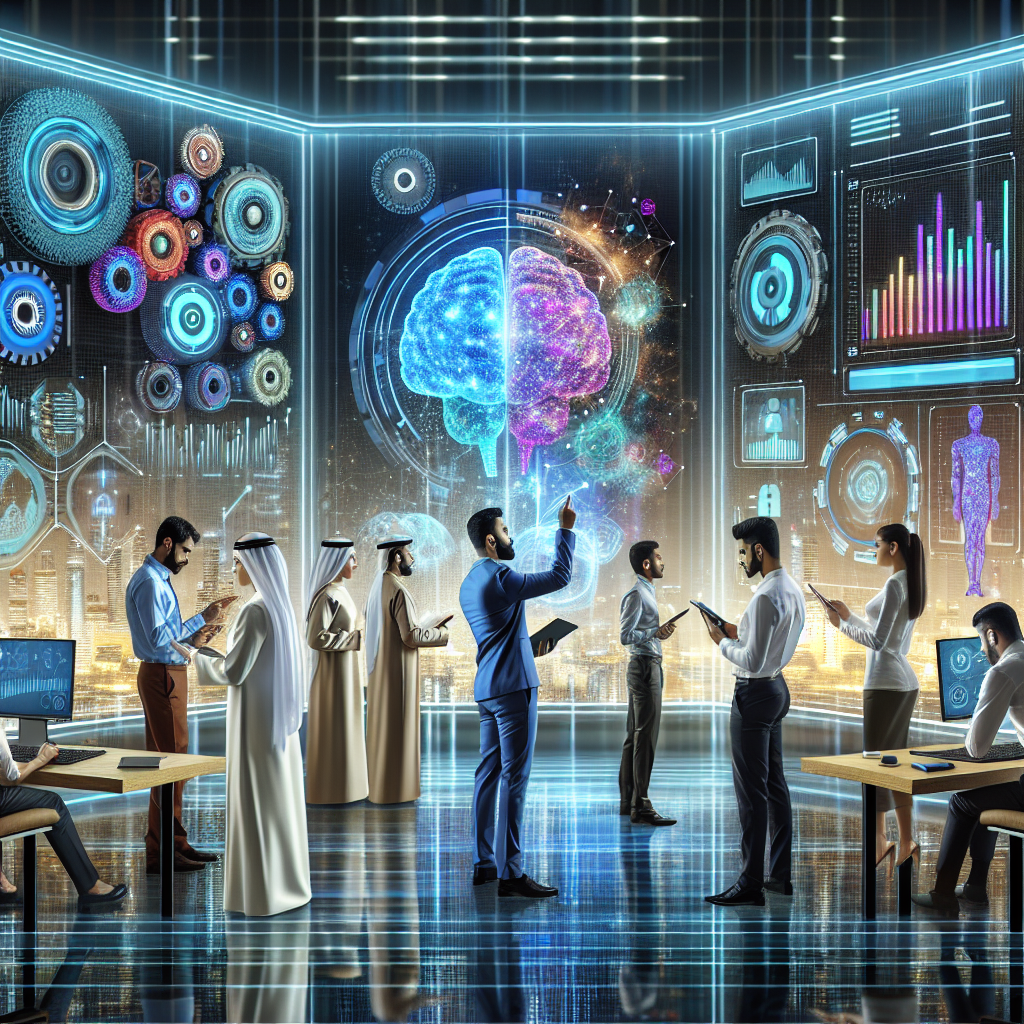
The advent of high-performance graphics processing units (GPUs) has revolutionized creative workflows across various domains, including video editing, graphic design, and 3D modeling. NVIDIA’s GeForce RTX GPUs, particularly the 50 Series, exemplify this transformation, providing significant enhancements in speed and efficiency for creative applications. These advancements are particularly beneficial for professionals in the Generative AI Models & Applications sector, where rapid iteration and high-quality output are paramount.
The primary objective of leveraging GeForce RTX GPUs is to accelerate creative workflows, enabling artists to realize their visions without the hindrance of slow processing times or inefficient tools. This goal can be achieved through the integration of advanced hardware capabilities, such as fifth-generation Tensor Cores for AI tasks and fourth-generation RT Cores for real-time 3D rendering. By utilizing these technologies, creators can streamline their processes, allowing for faster prototyping and execution of creative ideas.
While the advantages of GeForce RTX GPUs are significant, potential limitations should be acknowledged. The cost of high-performance GPUs may pose a barrier for smaller studios or independent creators. Additionally, as with any evolving technology, there may be a learning curve associated with adopting new tools and workflows, which could temporarily hinder productivity.
The ongoing advancements in AI technology are poised to further enhance the capabilities of GPUs in creative applications. As generative AI models become increasingly sophisticated, the demand for faster and more efficient hardware will only grow. Future iterations of GPUs are likely to incorporate even more advanced AI functionalities, allowing for greater automation and enhanced creativity in content generation.
Moreover, the integration of AI tools within creative software will continue to evolve, simplifying complex tasks and enabling artists to focus on the conceptual aspects of their work. This shift will empower GenAI scientists to explore innovative applications and push the boundaries of creativity, ultimately transforming the landscape of digital content creation.
In summary, the deployment of NVIDIA GeForce RTX GPUs represents a significant leap forward in the realm of creative workflows, particularly for professionals engaged in Generative AI Models & Applications. By harnessing the power of these advanced GPUs, artists and scientists alike can accelerate their creative processes, explore new frontiers in content creation, and ultimately contribute to the ongoing evolution of the digital landscape.
Disclaimer
The content on this site is generated using AI technology that analyzes publicly available blog posts to extract and present key takeaways. We do not own, endorse, or claim intellectual property rights to the original blog content. Full credit is given to original authors and sources where applicable. Our summaries are intended solely for informational and educational purposes, offering AI-generated insights in a condensed format. They are not meant to substitute or replicate the full context of the original material. If you are a content owner and wish to request changes or removal, please contact us directly.
Source link :