Context: AI in Smart Manufacturing and Robotics
Artificial Intelligence (AI) is increasingly becoming a pivotal component in Smart Manufacturing and Robotics. Historically, AI’s utility in Product Lifecycle Management (PLM) has evolved significantly, particularly with the emergence of advanced technologies such as generative AI and Agentic AI. The integration of AI into manufacturing processes has transformed not only the tools used by engineers but the very methodologies they employ in design, production, and maintenance.
The discourse has shifted from whether AI should be adopted to how it can be effectively integrated within existing systems. Organizations are now faced with the challenge of navigating this transition without incurring unnecessary costs or operational failures. This necessitates a clear understanding of AI’s role within the framework of PLM.
Main Goal: Achieving Effective AI Integration
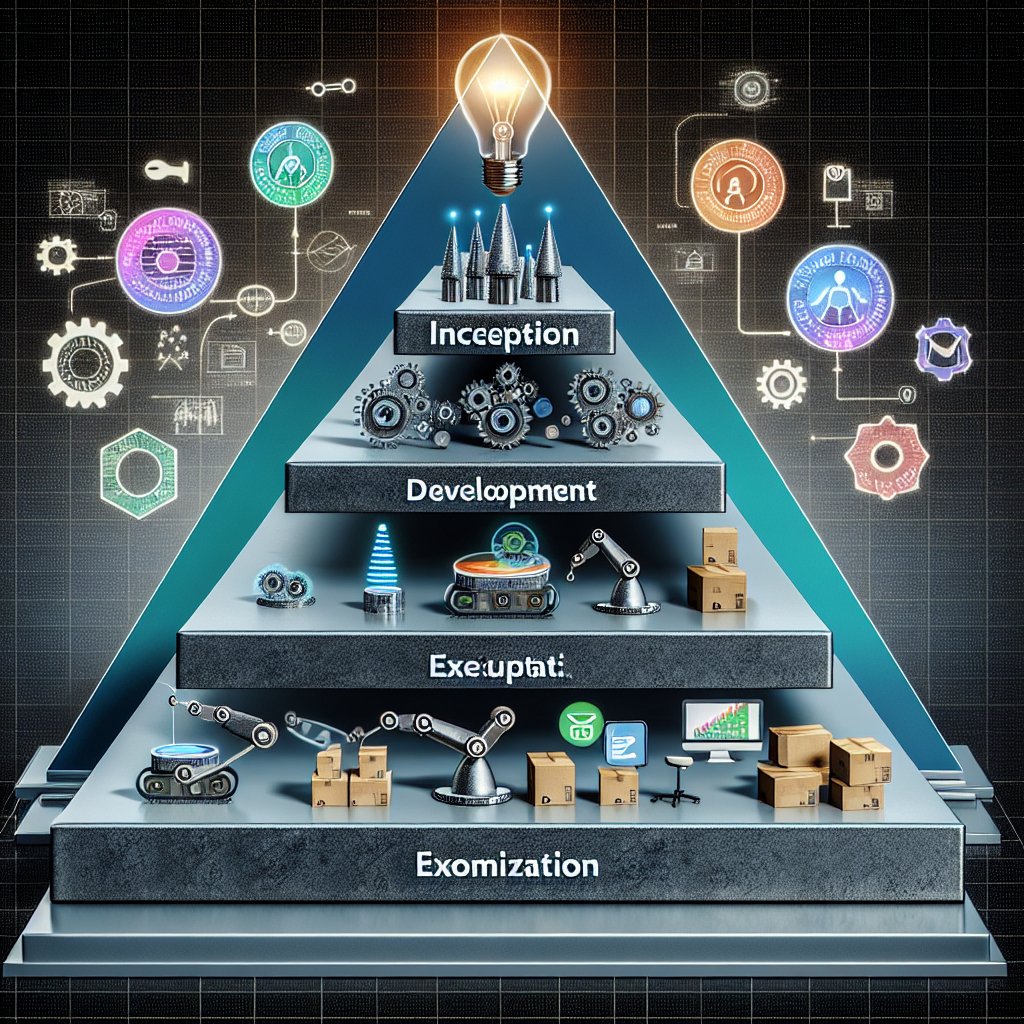
The primary objective articulated in the original article is to present a structured framework that guides organizations through the integration of AI in PLM. This Four-Level Framework delineates the prerequisites and capabilities associated with each stage, providing a roadmap for companies to enhance their operational efficiency and decision-making processes through AI.
To achieve this goal, organizations must first comprehend the distinct levels of AI maturity, from basic tool-native AI (Level 1) to the development of custom AI models for competitive advantage (Level 4). Each level is contingent upon a foundation of clean data, integrated systems, skilled personnel, and robust governance frameworks.
Advantages of the Four-Level Framework
- Structured Approach: The framework provides a clear pathway for organizations to follow, ensuring they can systematically advance in their AI capabilities.
- Enhanced Decision-Making: By progressing through the levels, organizations can leverage AI to improve the quality of their decisions, leading to better design and production outcomes.
- Cross-Functional Collaboration: Level 2 capabilities enable AI to synthesize data across multiple systems, fostering collaboration between departments such as engineering, procurement, and quality assurance.
- Competitive Advantage: Organizations that successfully implement Level 4 capabilities can build custom AI models tailored to their specific needs, positioning themselves ahead of competitors.
- Risk Mitigation: The framework highlights the importance of prerequisites, thereby helping organizations avoid costly missteps that arise from premature AI adoption.
However, it is crucial to note that there are limitations associated with each level. For example, while Level 1 offers immediate value, its capabilities are confined to single-tool environments. Transitioning to Level 2 requires substantial investment in integration infrastructure and data governance, which may present challenges for resource-constrained organizations.
Future Implications of AI in Smart Manufacturing and Robotics
The trajectory of AI development suggests that its influence on Smart Manufacturing and Robotics will only intensify in the coming years. As technologies evolve, the capabilities of AI will expand, enabling even greater automation and intelligent decision-making. Companies that proactively engage with the Four-Level Framework will be better equipped to adapt to these changes.
Anticipated advancements in AI, such as improved machine learning algorithms and enhanced data analytics, will further facilitate the integration of AI across all levels of manufacturing. This evolution will likely lead to increased efficiency, reduced time-to-market, and heightened product quality.
In conclusion, understanding and implementing the Four-Level Framework for AI in PLM is not merely a strategic advantage; it is becoming essential for organizations aiming to thrive in the rapidly changing landscape of Smart Manufacturing and Robotics.
Disclaimer
The content on this site is generated using AI technology that analyzes publicly available blog posts to extract and present key takeaways. We do not own, endorse, or claim intellectual property rights to the original blog content. Full credit is given to original authors and sources where applicable. Our summaries are intended solely for informational and educational purposes, offering AI-generated insights in a condensed format. They are not meant to substitute or replicate the full context of the original material. If you are a content owner and wish to request changes or removal, please contact us directly.
Source link :
Click Here