Context
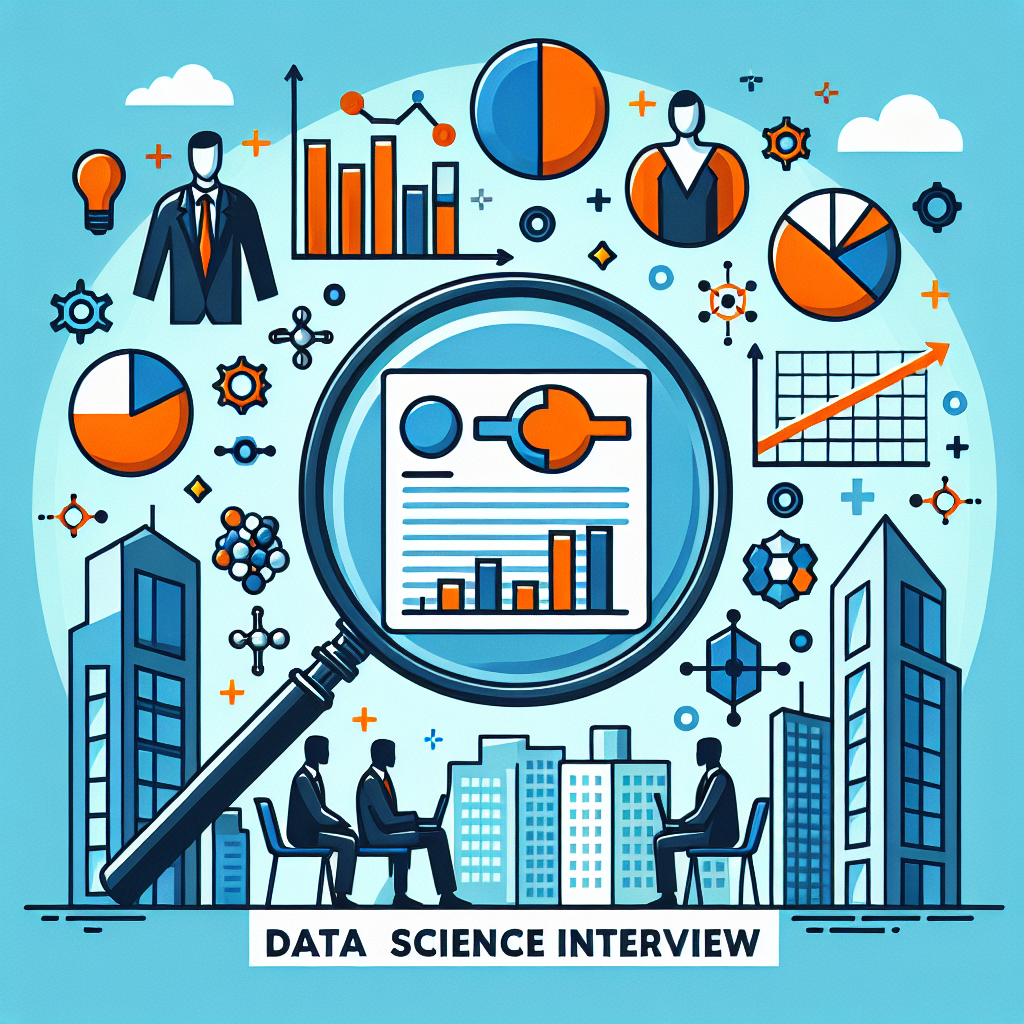
The landscape of data science interviews is evolving, particularly in the realm of Applied Machine Learning. Traditionally, candidates have been assessed on their technical acumen, including proficiency in programming languages such as SQL and Python, as well as their understanding of machine learning algorithms and statistical analysis. However, a deeper, often overlooked dimension exists within these interviews: the ‘hidden curriculum.’ This refers to the non-technical competencies that employers are increasingly prioritizing, which are vital for success in a collaborative and dynamic working environment. Recognizing this shift is crucial for both job seekers and organizations aiming to optimize their hiring processes.
Introduction
The primary goal of identifying the hidden curriculum in data science interviews is to equip candidates with the skills to effectively navigate the complexities of real-world data challenges. To achieve this, candidates must not only demonstrate technical expertise but also exhibit critical thinking, adaptability, and effective communication. Understanding how to translate business problems into data-driven solutions and vice versa encapsulates this goal. By mastering these competencies, candidates can position themselves as valuable assets to potential employers.
Advantages of Recognizing the Hidden Curriculum
- Enhanced Communication Skills: Candidates who can articulate their thought processes clearly and adapt their language for different audiences are better equipped to collaborate with diverse teams. This skill is essential for translating complex data insights into actionable business strategies.
- Improved Problem-Solving Abilities: By recognizing the need for trade-off analysis and decision-making under uncertainty, candidates learn to prioritize tasks effectively and make informed judgments, which is critical in fast-paced environments.
- Resilience in Ambiguous Situations: Interview scenarios often mimic real-world challenges where data is incomplete or ambiguous. Candidates who can thrive in such conditions demonstrate a mindset that is invaluable in the workplace.
- Pragmatic Approach to Solutions: Understanding the principle that “better” can be the enemy of “good” encourages candidates to focus on delivering practical solutions rather than striving for unattainable perfection, leading to faster project completions and resource efficiency.
- Collaborative Mindset: The ability to handle pushback and engage in constructive criticism fosters a collaborative environment, which is essential for successful data science initiatives.
Caveats and Limitations
While embracing the hidden curriculum offers significant advantages, candidates must also be aware of potential pitfalls. The emphasis on soft skills should not overshadow the necessity of technical proficiency. Additionally, organizations may inadvertently create biases in their hiring processes by overvaluing certain non-technical skills, potentially overlooking technically adept candidates who may lack these competencies. Thus, a balanced evaluation framework that considers both technical and non-technical skills is imperative.
Future Implications
As artificial intelligence continues to advance, the dynamics of data science interviews are likely to shift further. AI tools may increasingly automate technical assessments, placing greater emphasis on candidates’ soft skills and their ability to work collaboratively within teams. Moreover, as industries evolve, the demand for data scientists who can navigate ethical considerations and societal impacts of data-driven decisions will rise. Consequently, the hidden curriculum will become even more critical in preparing candidates for future roles in a rapidly changing landscape.
Disclaimer
The content on this site is generated using AI technology that analyzes publicly available blog posts to extract and present key takeaways. We do not own, endorse, or claim intellectual property rights to the original blog content. Full credit is given to original authors and sources where applicable. Our summaries are intended solely for informational and educational purposes, offering AI-generated insights in a condensed format. They are not meant to substitute or replicate the full context of the original material. If you are a content owner and wish to request changes or removal, please contact us directly.
Source link :