Contextual Overview of Robotic Footwear Innovations
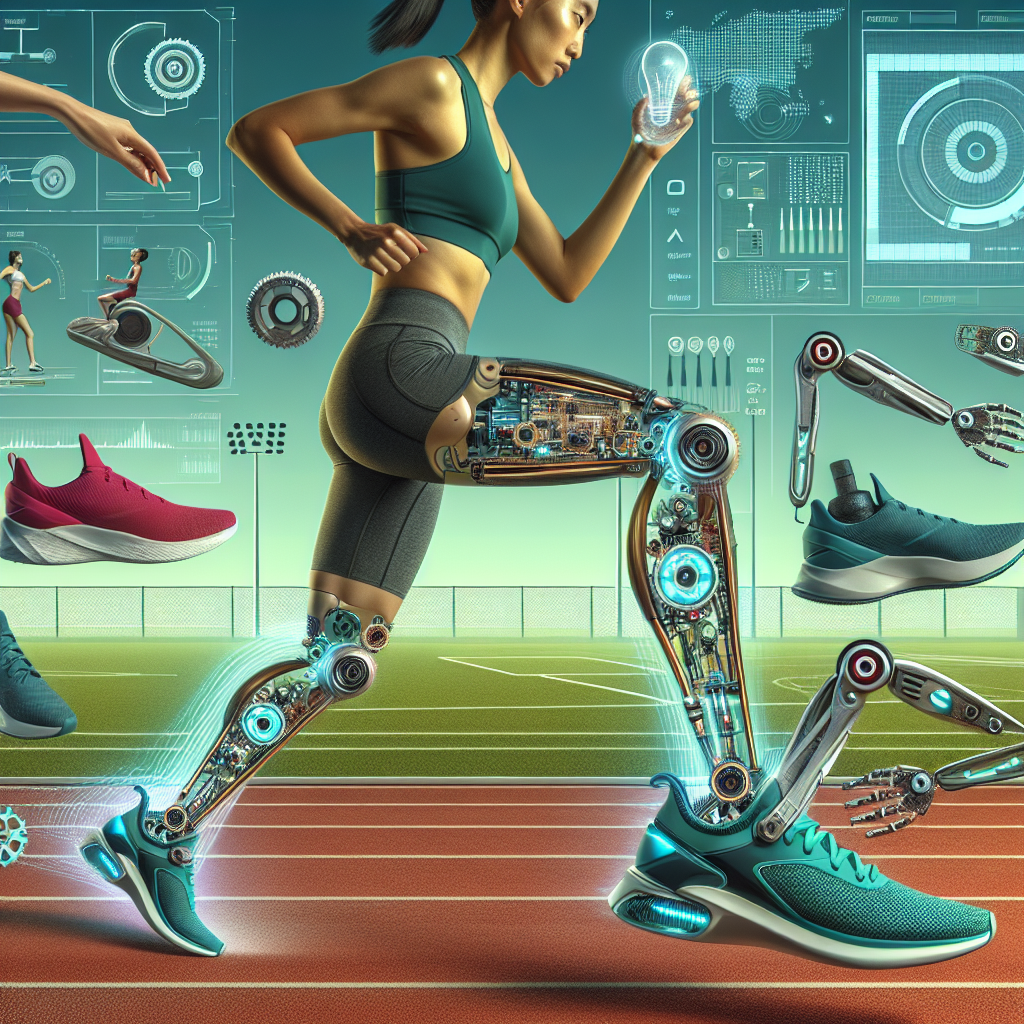
Nike has consistently emerged as a leader in innovative footwear concepts, demonstrating its commitment to integrating advanced technologies into everyday products. The company has introduced unique designs such as self-lacing shoes and performance-enhancing Hyperboots. Recently, Nike has unveiled two new projects: Project Amplify, a robotic sneaker system, and the Mind 001 and Mind 002 footwear lines, which are influenced by neuroscience. These advancements signify a notable shift in the athletic footwear market, highlighting the intersection of technology and human performance.
Main Goals and Implementation Strategies
The primary goal of Nike’s latest innovations is to enhance athletic performance through the application of robotics and neuroscience. Project Amplify is designed to assist athletes by acting as an auxiliary muscle system, thereby improving efficiency in walking and running. This system employs a combination of mechanical components, including a motor, battery, and drive belt, to augment human capabilities without supplanting them. The Mind 001 and Mind 002 footwear aim to elevate sensory awareness, enhancing focus and concentration during physical activities by incorporating foam nodes that provide tactile feedback from the ground.
Advantages and Considerations
- Enhanced Physical Performance: Project Amplify improves speed and endurance, allowing users to experience reduced exertion when engaging in strenuous activities, akin to riding an e-bike, as described by Nike.
- Scientific Validation: The development process is supported by extensive testing conducted in collaboration with the Nike Sport Research Lab and over 400 athletes, ensuring the reliability of performance claims.
- Increased Sensory Awareness: The Mind 001 and Mind 002 shoes utilize neuroscience principles to enhance the wearer’s awareness of their environment, potentially leading to improved focus and performance in competitive settings.
- Potential Market Differentiation: By integrating robotics and neuroscience into their products, Nike positions itself as a pioneer in the sporting goods industry, appealing to tech-savvy consumers and athletes alike.
However, it is essential to note that these innovations also come with limitations. The complexity and potential cost of such technologically advanced footwear may limit accessibility for some consumers. Additionally, the long-term durability and practical usability of robotic components in everyday athletic wear remain to be fully evaluated.
Future Implications and AI Integration
The advancements in Nike’s footwear technology foreshadow a future where AI and robotics are increasingly integrated into consumer products. As artificial intelligence continues to evolve, it holds the potential to further enhance the capabilities of wearable technology in sports and fitness. For instance, AI could enable real-time performance monitoring and personalized feedback, tailoring the functionality of footwear to individual user needs. This integration could lead to smarter athletic gear that not only supports physical performance but also adapts to the wearer’s unique biomechanics and training goals. As Nike continues to innovate, the dynamic interplay between technology and athletic performance is likely to shape the future landscape of the sporting goods industry.
Disclaimer
The content on this site is generated using AI technology that analyzes publicly available blog posts to extract and present key takeaways. We do not own, endorse, or claim intellectual property rights to the original blog content. Full credit is given to original authors and sources where applicable. Our summaries are intended solely for informational and educational purposes, offering AI-generated insights in a condensed format. They are not meant to substitute or replicate the full context of the original material. If you are a content owner and wish to request changes or removal, please contact us directly.
Source link :