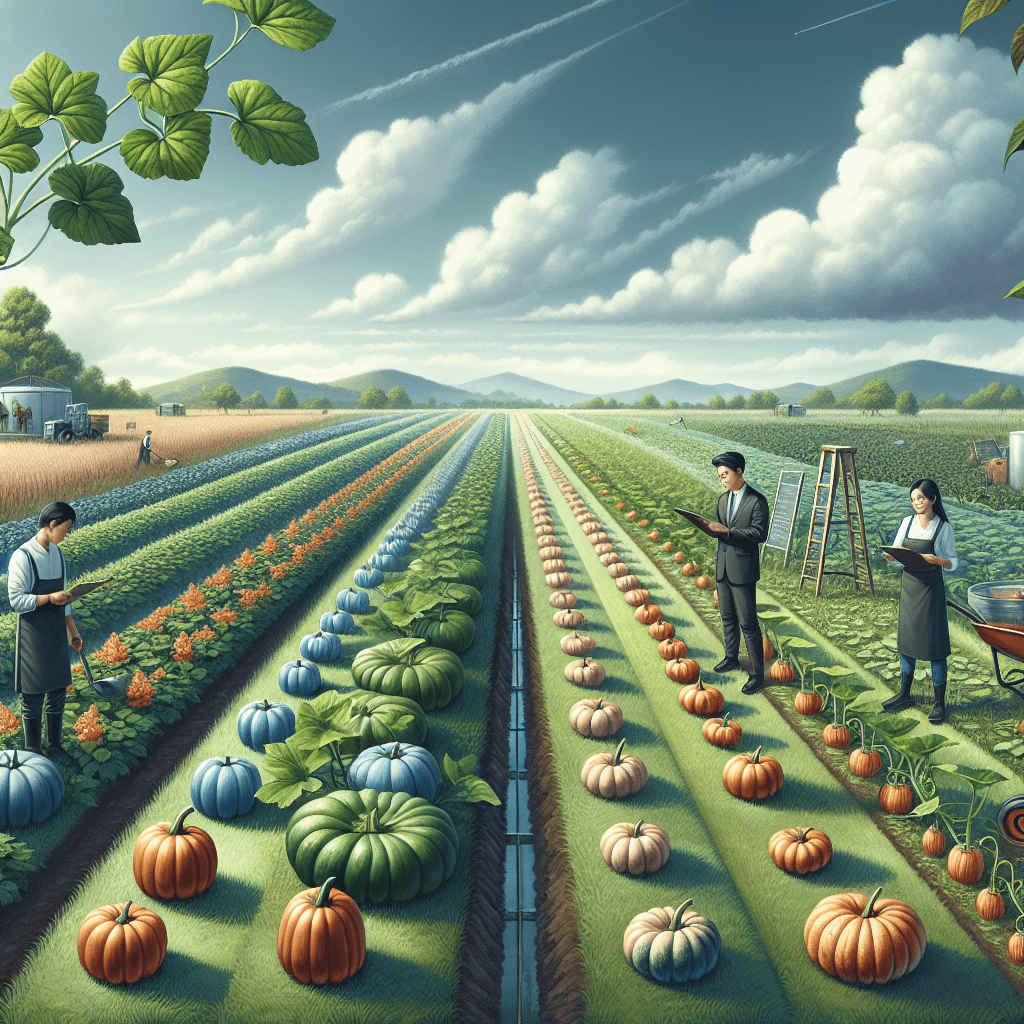
The association of pumpkins with the fall season has deep historical roots, tracing back to ancient traditions in Ireland and Scotland where turnips were used to symbolize the mythical figure of Stingy Jack. This cultural practice evolved as Irish and Scottish immigrants migrated to North America during the Potato Famine, bringing their customs with them. Today, pumpkins are not merely emblematic of Halloween; they are a versatile agricultural crop with diverse cultivars that offer both aesthetic appeal and culinary potential. In the context of AgriTech and Smart Farming, cultivating various pumpkin varieties can yield significant benefits for agricultural innovators, enhancing sustainability, marketability, and consumer engagement.
The primary objective highlighted in the original post is to encourage the cultivation of diverse pumpkin varieties, emphasizing their potential not just as decorative items but as valuable agricultural products. This can be achieved through strategic planting, careful selection of cultivars, and leveraging modern agricultural technologies. By adopting improved farming practices, such as precision agriculture and integrated pest management, farmers can optimize their yields and ensure higher quality produce.
While the benefits of pumpkin cultivation are substantial, there are limitations that must be considered. The success of growing specific varieties is contingent on climate conditions, soil quality, and pest pressure. Additionally, while some pumpkins are marketed for their edibility, consumer preferences can vary significantly, impacting sales. Therefore, farmers must conduct thorough market research and possibly engage in crop rotation strategies to mitigate soil depletion and disease cycles.
The integration of artificial intelligence and smart farming technologies is poised to revolutionize pumpkin cultivation. AI can enhance precision agriculture by analyzing data from soil sensors and weather forecasts to optimize planting schedules and resource allocation. Moreover, machine learning algorithms can predict pest outbreaks and recommend timely interventions, minimizing crop losses and reducing chemical usage. As the agricultural sector embraces these advancements, pumpkin farming can become more efficient, sustainable, and profitable, aligning with the global shift towards smart agricultural practices.
In summary, the cultivation of pumpkins presents a multifaceted opportunity for AgriTech innovators. By leveraging diverse cultivars, adopting modern agricultural practices, and embracing technological advancements, farmers can enhance their productivity and market presence. The potential of pumpkins extends beyond seasonal festivities, evolving into a sustainable agricultural practice that can thrive in an increasingly competitive market.
Disclaimer
The content on this site is generated using AI technology that analyzes publicly available blog posts to extract and present key takeaways. We do not own, endorse, or claim intellectual property rights to the original blog content. Full credit is given to original authors and sources where applicable. Our summaries are intended solely for informational and educational purposes, offering AI-generated insights in a condensed format. They are not meant to substitute or replicate the full context of the original material. If you are a content owner and wish to request changes or removal, please contact us directly.
Source link :