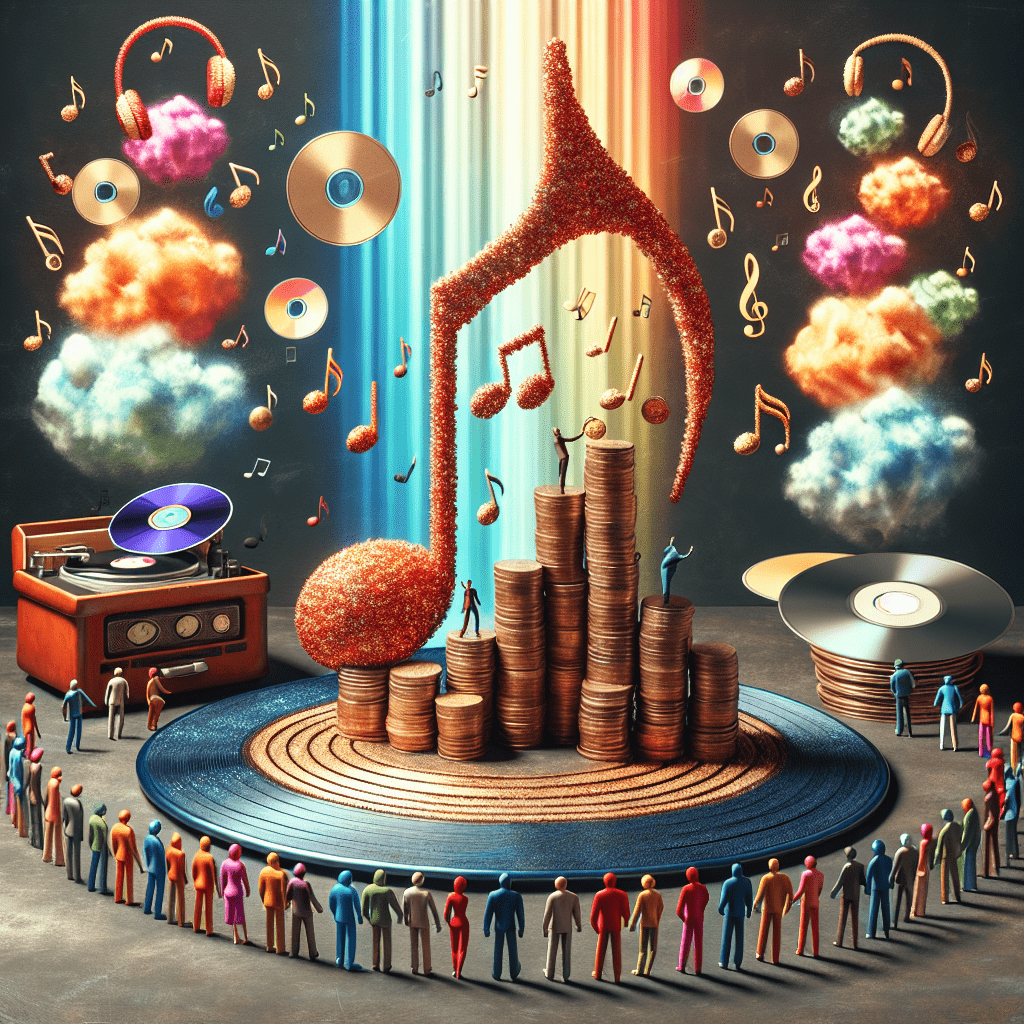
The relationship between music and consumer behavior has long intrigued researchers and marketers alike. In an insightful discussion with psychologist Dr. Adrian North, featured in the inaugural episode of the Nudge podcast, we are introduced to pivotal research that delineates how music can subtly yet significantly influence purchasing decisions. One of Dr. North’s landmark studies, conducted in 1997, involved manipulating the auditory environment of a supermarket to observe its effects on wine sales. By alternating between German oom-pah music and French accordion melodies, the researchers discovered that consumer preferences for French and German wines shifted dramatically, despite no overt acknowledgment from shoppers regarding the music’s influence. This phenomenon underscores the critical intersection of music psychology and marketing strategy, particularly in the context of AI-Powered Marketing.
The primary objective of understanding music’s influence on consumer behavior is to leverage this insight to enhance marketing strategies. By integrating music into the consumer experience, marketers can potentially guide purchasing decisions, thereby maximizing sales. Achieving this goal necessitates an empirical approach, where businesses can strategically select music that aligns with their product offerings. For instance, playing thematic music that reflects the origin of a product, such as French music for French wines, can reinforce brand identity and stimulate sales.
Despite the compelling advantages, there are limitations to consider. The original studies have relatively small sample sizes and were conducted in specific contexts, which may not generalize across all consumer environments. Additionally, consumer responses to music can vary significantly based on cultural backgrounds, personal preferences, and situational contexts. Therefore, while the integration of music in marketing strategies holds promise, it should be approached with careful consideration of these variables.
The future of music’s role in marketing is poised for transformation through advancements in Artificial Intelligence (AI). AI technologies offer the capability to analyze vast datasets regarding consumer preferences and behaviors, enabling marketers to tailor music selections to individual consumers in real-time. For instance, AI can dynamically adjust in-store playlists based on customer demographics or purchasing patterns, thereby optimizing the shopping experience. As AI continues to evolve, it may facilitate even more nuanced understanding of how specific music types affect consumer emotions and behaviors, ultimately leading to more personalized and effective marketing strategies.
Disclaimer
The content on this site is generated using AI technology that analyzes publicly available blog posts to extract and present key takeaways. We do not own, endorse, or claim intellectual property rights to the original blog content. Full credit is given to original authors and sources where applicable. Our summaries are intended solely for informational and educational purposes, offering AI-generated insights in a condensed format. They are not meant to substitute or replicate the full context of the original material. If you are a content owner and wish to request changes or removal, please contact us directly.
Source link :