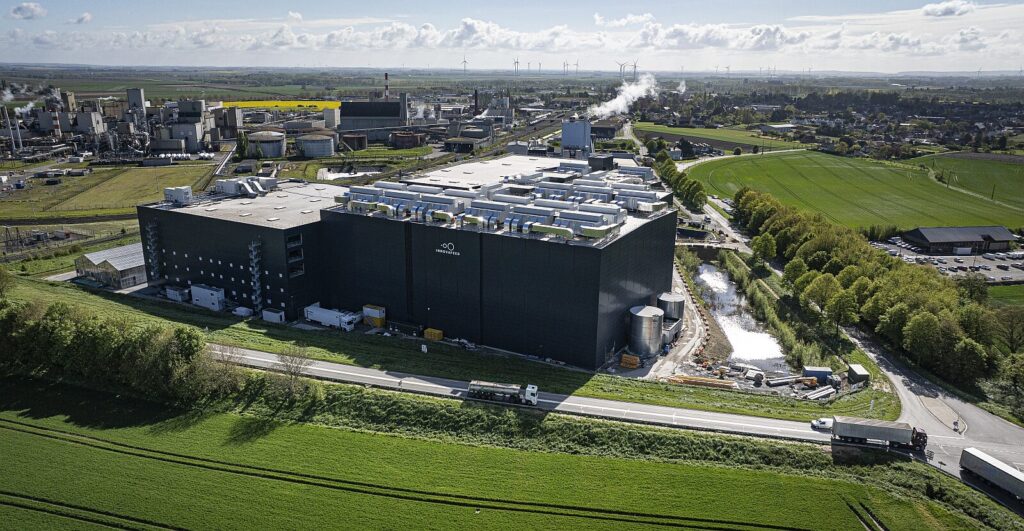
Contextual Background on Innovafeed’s Strategic Movements Innovafeed, a prominent player in the French insect agriculture sector, has recently secured €51 million (approximately $59 million) in funding. This financial boost aims to enhance its operations at its commercial-scale black soldier fly larvae production facility located in Nesle, France. As part of a strategic reorganization, Innovafeed plans to streamline its operations, which includes a workforce reduction of 60 employees from its research and development (R&D) site in Gouzeaucourt. This restructuring is anticipated to pave the way for increased efficiency and profitability by 2027, as the firm continues to innovate within the sustainable aquaculture space. Main Goal of Innovafeed’s Initiative The primary objective articulated by Innovafeed is to achieve profitability while enhancing production capabilities. This goal is grounded in the understanding that the demand for sustainable protein sources in aquaculture is on the rise. By consolidating its R&D efforts and operationalizing its facility in Nesle, Innovafeed aims to leverage technological advancements that will allow for optimized production processes, thus meeting the evolving market needs for sustainable aquaculture solutions. Advantages of Innovafeed’s Strategic Direction Increased Production Efficiency: Innovafeed has reported a tenfold increase in production volumes at its Nesle facility, indicating significant progress in operational efficiency. Cost Reduction: The company claims to have reduced production costs by a factor of seven, underscoring enhanced economic viability. This cost reduction is critical for maintaining competitiveness in the insect protein market. Market Demand Alignment: The partnerships established with clients in aquaculture and pet food sectors have demonstrated a willingness to pay a premium for high-quality, sustainable ingredients, ensuring a favorable market position. Innovative Technological Integration: The consolidation of R&D activities into the Nesle facility allows for a more integrated approach to innovation, facilitating the development of advanced production techniques and product optimization. Scalability Potential: The operational maturity attained at Nesle, characterized by stable production parameters, positions Innovafeed as a leader in the insect agriculture sector, particularly in terms of scale. Caveats and Limitations Despite these advantages, several challenges persist. The insect agriculture industry has witnessed numerous failures, prompting caution among investors and stakeholders. The closure of the Gouzeaucourt site indicates potential risks in transitioning from R&D to full-scale production, which could affect future operational continuity. Additionally, the firm’s capacity for scaling operations sustainably will be tested as it navigates the complexities of regulatory frameworks and market dynamics. Future Implications and the Role of AI As the sector evolves, the integration of artificial intelligence (AI) is poised to play a transformative role in the insect agriculture domain. AI technologies can enhance operational efficiencies by optimizing production parameters and improving supply chain management. Predictive analytics may assist in forecasting demand trends, enabling firms like Innovafeed to align production with market needs dynamically. Furthermore, AI-driven innovations can facilitate enhanced monitoring of environmental impacts, ensuring compliance with sustainability standards. Overall, the future of insect agriculture will likely be characterized by advanced technological integrations that promote efficiency, sustainability, and profitability. Disclaimer The content on this site is generated using AI technology that analyzes publicly available blog posts to extract and present key takeaways. We do not own, endorse, or claim intellectual property rights to the original blog content. Full credit is given to original authors and sources where applicable. Our summaries are intended solely for informational and educational purposes, offering AI-generated insights in a condensed format. They are not meant to substitute or replicate the full context of the original material. If you are a content owner and wish to request changes or removal, please contact us directly. Source link : Click Here
Context The phrase “You can’t have your cake and eat it too” succinctly encapsulates the trade-offs inherent in various domains, including data science and software engineering. This adage highlights the reality that achieving optimal performance often involves navigating a complex landscape of compromises. In applied machine learning, particularly in the domain of recommendation systems, practitioners face the continuous challenge of balancing accuracy, computational efficiency, and scalability. This post will explore how leveraging Large Language Models (LLMs) can enhance the precision of recommendation systems while acknowledging the inherent trade-offs involved in their design and implementation. Main Goal of the Original Post The primary objective of the original post is to present a methodology for improving the precision of recommendation systems by integrating LLMs into the decision-making pipeline. This is accomplished through a two-stage approach: the first stage utilizes a rule-based, high-recall filtering mechanism to generate a shortlist of candidates, while the second stage employs an LLM to refine these candidates based on user queries. By doing so, the model effectively balances the need for quick computations with the desire for high precision in recommendations. Advantages of the Two-Stage Recommendation System Increased Precision: The integration of LLMs allows for a more nuanced understanding of user queries, resulting in recommendations that better match user preferences. The original post illustrates this through the example of restaurant recommendations, where the LLM refines a list of candidates based on specific user requests. Cost Efficiency: By employing a two-stage approach, the system minimizes API call costs associated with LLMs. The first stage filters down a large dataset into a manageable subset before invoking the more computationally intensive LLM, thereby reducing unnecessary expenses. Scalability: The system’s design ensures that it can handle large datasets without compromising on speed or accuracy. The initial filtering mechanism operates efficiently over a vast number of candidates, making it viable for applications with extensive data. Flexibility: The two-stage model is adaptable to various domains beyond restaurant recommendations. It can be modified to suit different types of recommendation tasks, thereby broadening its applicability in the field of machine learning. Limitations and Caveats Despite its advantages, the two-stage recommendation system also has limitations. The reliance on a rule-based mechanism in the first stage may lead to oversights in capturing the complexities of user preferences, particularly in dynamic contexts. Additionally, the performance of the LLM is contingent upon the quality of input data and the effectiveness of the initial filtering, which may not always yield optimal results. Furthermore, while the model is designed to be cost-effective, the cumulative costs associated with frequent API calls for large-scale applications could accumulate significantly. Future Implications As AI technologies continue to evolve, the integration of LLMs into recommendation systems is poised to become increasingly sophisticated. Future developments may include enhanced algorithms that further optimize the balance between computational efficiency and precision. Moreover, advancements in model training and architecture could lead to more capable LLMs that can better understand context and nuance in user queries. This, in turn, will enable more personalized and relevant recommendations across diverse applications. As the landscape of applied machine learning transforms, the methodologies discussed in this post will likely play a crucial role in shaping the future of intelligent recommendation systems. Conclusion In conclusion, the integration of Large Language Models into recommendation systems represents a significant advancement in achieving high precision while maintaining computational efficiency. By employing a two-stage approach, machine learning practitioners can navigate the inherent trade-offs involved in system design, ultimately leading to more effective and scalable solutions. As the field continues to mature, the strategies outlined here will be essential for harnessing the full potential of AI-driven recommendations. Disclaimer The content on this site is generated using AI technology that analyzes publicly available blog posts to extract and present key takeaways. We do not own, endorse, or claim intellectual property rights to the original blog content. Full credit is given to original authors and sources where applicable. Our summaries are intended solely for informational and educational purposes, offering AI-generated insights in a condensed format. They are not meant to substitute or replicate the full context of the original material. If you are a content owner and wish to request changes or removal, please contact us directly. Source link : Click Here
Corruption with Delegation As we navigate the evolving landscape of artificial intelligence, the delegation of intricate tasks to large language models (LLMs) is becoming increasingly prevalent. This shift from simple interactions to comprehensive task delegation, encompassing activities such as editing code and formatting documents, necessitates a high degree of trust in AI systems to preserve the integrity of the documents involved. However, recent empirical research has unveiled a significant concern: LLMs may inadvertently corrupt the documents entrusted to them. In a pivotal study, researchers developed a robust evaluation framework known as “DELEGATE-52,” which encompasses 52 professional domains, ranging from legal documentation to programming languages and beyond. The study involved testing 19 distinct LLMs using a method that simulates a “round-trip” approach—requiring the AI to perform a specified edit followed by the identical inverse instruction to restore the original content. Alarmingly, even the most advanced models, including Gemini Pro, Claude Opus, and GPT-5, demonstrated a corruption rate of up to 25% after 20 interactions, while less capable models approached a staggering 50% degradation of the original content. Understanding the Mechanisms of Document Corruption To elucidate the reasons behind this concerning phenomenon of structural content decay, the researchers identified several key factors: 1. Compounding Errors Similar to the “telephone game,” minor errors introduced by LLMs can accumulate, leading to significant distortions over time. Initial edits may introduce localized inaccuracies; however, a series of complex modifications can exacerbate the issue, ultimately resulting in severe document degradation. 2. Differentiated Model Failures The study highlighted a notable distinction in the failure modes of different LLMs. Weaker models typically suffer from content deletion, rendering the issue apparent after multiple interactions due to a discernible reduction in document length. Conversely, advanced models tend to preserve the overall structure yet introduce corruption—altering or fabricating factual information that may appear credible at first glance. This irony complicates the detection of corruptive behaviors, as the output retains an ostensibly legitimate appearance. 3. Contextual Overload and Distractor Effects When tasked with managing extensive contextual information or multiple attached documents, LLMs often struggle to maintain structural integrity. An increase in document size or the inclusion of extraneous “distractor files” escalates the risk of degradation, prompting the model to rely on predictive logic rather than adhering to the source material, thereby compromising accuracy. 4. Domain Familiarity and Task Complexity The extent of document degradation is also influenced by the domain-specific nature of the task. The findings indicate that LLMs exhibit proficiency in structured, programmatic domains, such as Python coding, yet falter in purely natural language tasks or specialized formats. This discrepancy underscores the importance of domain familiarity in preserving document integrity during complex interactions. Evaluating the Role of Agentic AI Even the integration of agentic features—such as the capability to execute code or directly manipulate files—does not mitigate the underlying issues of document corruption associated with LLMs. The problems arise from inherent limitations within the transformer architecture that underpins these models. Consequently, there is an urgent need to reevaluate how long-term AI tasks are validated to safeguard against unmonitored document editing, as reliance on LLMs in this capacity remains a precarious endeavor. Implications for the Future of Natural Language Processing The implications of these findings extend far beyond immediate document integrity concerns. As AI technology continues to advance, understanding the limitations of LLMs in task delegation will be crucial for Natural Language Understanding (NLU) scientists and practitioners. Future developments in AI must prioritize not only enhanced accuracy but also the safeguarding of document integrity during complex interactions. Moreover, ongoing research and refinement of evaluation frameworks like DELEGATE-52 will be essential for fostering trust in AI systems as reliable partners in professional settings. By addressing the core issues identified in this study, the field can move toward developing more robust models capable of maintaining document fidelity across diverse applications. Disclaimer The content on this site is generated using AI technology that analyzes publicly available blog posts to extract and present key takeaways. We do not own, endorse, or claim intellectual property rights to the original blog content. Full credit is given to original authors and sources where applicable. Our summaries are intended solely for informational and educational purposes, offering AI-generated insights in a condensed format. They are not meant to substitute or replicate the full context of the original material. If you are a content owner and wish to request changes or removal, please contact us directly. Source link : Click Here
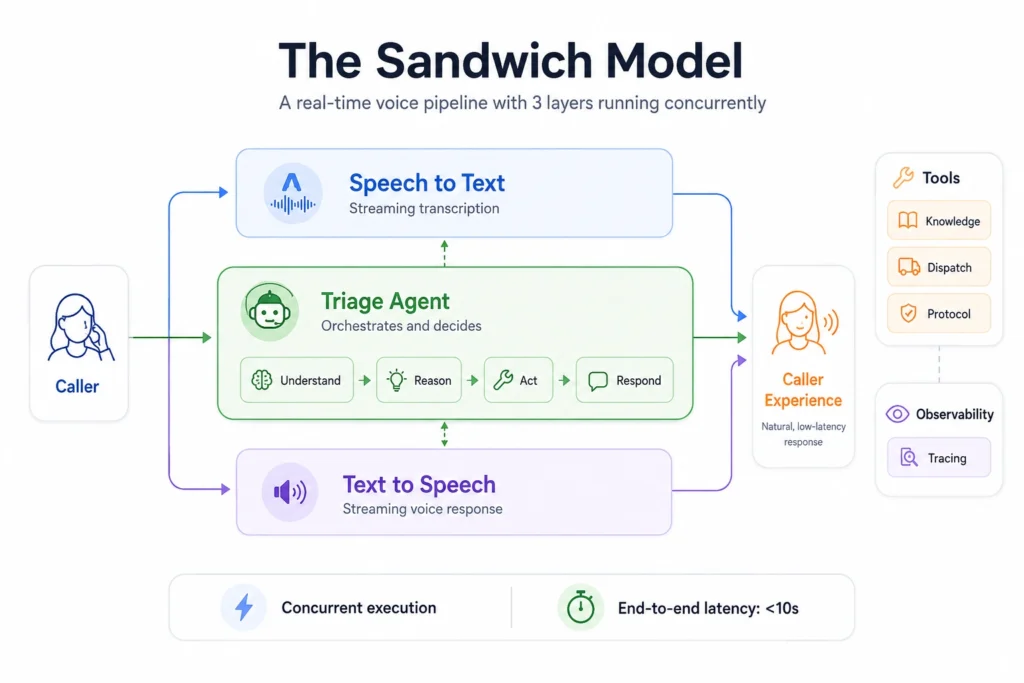
Context and Importance of AI in Emergency Response Systems In scenarios where lives are at stake, every second counts. Traditional emergency helplines often rely on cumbersome keypad navigation, which can exacerbate panic and delay critical responses. The rapid advancement of artificial intelligence (AI) has opened new avenues for enhancing emergency response systems. By implementing an AI-driven voice agent, it becomes possible to listen to callers in distress, assess their situations in real-time, and dispatch the appropriate emergency services without the need for manual input. This innovation aims to streamline communication and provide immediate assistance, significantly mitigating the chaos often associated with emergencies. Goal of Developing an AI Emergency Voice Agent The primary objective of creating an AI emergency voice agent is to facilitate a seamless and efficient communication channel during critical situations. This agent should be capable of understanding spoken distress signals, triaging the urgency of the situation, and ensuring the timely dispatch of emergency services. Achieving this requires integrating advanced technologies such as speech recognition, natural language processing, and real-time data analysis, thus enabling the agent to operate effectively in a high-stakes environment. Advantages of Implementing AI in Emergency Response 1. **Immediate Assistance**: AI agents can process information rapidly, ensuring that help is dispatched without delay. This could be crucial in situations where every second is vital, such as medical emergencies or threats to personal safety. 2. **Reduced Human Error**: By automating the triage process, the likelihood of human error decreases. AI can consistently apply the same criteria for evaluating distress signals, making it less prone to the oversights that can occur with human operators. 3. **Enhanced Caller Experience**: The use of voice interaction eliminates the need for callers to navigate complex menus during stressful situations. A natural conversational interface allows callers to express their needs more freely, which can lead to more accurate assessments of their situations. 4. **Scalability**: As demand for emergency services fluctuates, AI agents can easily scale to handle higher volumes of calls without requiring additional human resources. This flexibility can optimize resource allocation in emergency response centers. 5. **Data-Driven Insights**: Implementing AI solutions enables the collection of valuable data on emergency calls, which can be analyzed to identify trends, improve training protocols for human operators, and enhance overall service efficiency. Considerations and Limitations Despite the numerous advantages, the deployment of AI in emergency response systems is not without its challenges. Ethical concerns surrounding data privacy and the need for robust security measures must be addressed to protect sensitive information. Additionally, the technology’s effectiveness can be limited by the quality of voice recognition and natural language processing capabilities, particularly in noisy environments or with callers who have speech impairments. Furthermore, ensuring the AI can handle a wide range of emergency scenarios is crucial for maintaining reliability in high-pressure situations. Future Implications of AI in Emergency Response Systems The landscape of emergency response is poised for transformation with the continued evolution of AI technologies. As machine learning models become more sophisticated, they will enhance the capabilities of emergency voice agents, allowing for more nuanced understanding and response to distress signals. Additionally, the integration of AI with other technologies, such as geographical information systems (GIS) and real-time monitoring systems, will further augment the efficiency and effectiveness of emergency services. In the long term, we can expect AI-driven solutions to not only improve response times and outcomes but also to redefine the standards of service in emergency management and public safety. Disclaimer The content on this site is generated using AI technology that analyzes publicly available blog posts to extract and present key takeaways. We do not own, endorse, or claim intellectual property rights to the original blog content. Full credit is given to original authors and sources where applicable. Our summaries are intended solely for informational and educational purposes, offering AI-generated insights in a condensed format. They are not meant to substitute or replicate the full context of the original material. If you are a content owner and wish to request changes or removal, please contact us directly. Source link : Click Here


