
Introduction Squash, a versatile and nutritious fruit, has been cultivated for over 8,000 years, tracing its origins back to the indigenous peoples of the Americas. This long history of cultivation has led to the emergence of numerous squash varieties, each with unique traits and growing conditions. As the demand for local and sustainable agriculture rises, understanding which squash varieties to cultivate can play a pivotal role in modern agriculture, particularly within the AgriTech and Smart Farming sectors. This post aims to explore the advantages of selecting the right squash varieties while considering the implications of technological advancements in agriculture. Main Goal and Its Achievement The primary goal of selecting specific squash varieties is to optimize yield and meet market demands while adapting to local climate conditions. By strategically choosing squash cultivars that are easy to grow and align with consumer preferences, agricultural innovators can maximize productivity and sustainability. This can be achieved through careful planning, taking into account factors such as growth duration, plant size, and pest resistance. Utilizing local agricultural data and resources can further enhance decision-making in variety selection. Advantages of Selecting Optimal Squash Varieties Diverse Cultivation Options: An array of squash varieties, such as summer squash and winter squash, allows farmers to diversify their crops. This diversification can mitigate risks associated with market fluctuations and environmental challenges. Enhanced Market Demand: By selecting varieties that cater to consumer preferences, such as the tender flavor profiles of ‘Black Beauty’ or ‘Waltham Butternut’, growers can increase their market appeal and profitability. Improved Resilience: Certain squash varieties are better suited for specific climates and resist pests and diseases. For example, ‘Crookneck Early Golden’ has demonstrated resilience in poorer soil conditions, making it an excellent choice for various agricultural settings. Quick Maturation Rates: Many squash varieties exhibit rapid growth cycles, allowing for multiple harvests within a single growing season. Varieties like ‘Angel Hair’ can be harvested in as little as 88 days, promoting faster returns on investment. Environmental Sustainability: Growing squash native to specific regions can enhance soil health and biodiversity, contributing positively to local ecosystems. Additionally, squash plants can be integrated into crop rotation systems to maximize land efficiency. Caveats and Limitations While the selection of optimal squash varieties presents numerous advantages, there are limitations to consider. Factors such as climate variability, soil health, and pest pressures can influence the success of specific cultivars. Furthermore, reliance on a limited number of varieties may lead to decreased genetic diversity, increasing vulnerability to diseases and pests. Thus, continuous research and adaptive management strategies are essential to navigate these challenges. Future Implications of AI Developments The integration of artificial intelligence (AI) in agriculture is poised to revolutionize the selection and cultivation of squash varieties. AI technologies can analyze vast datasets, providing insights into soil conditions, weather patterns, and market trends. By leveraging machine learning algorithms, farmers can receive personalized recommendations for the most suitable squash varieties based on specific environmental and market conditions. Furthermore, AI can enhance pest and disease management strategies, ensuring sustainable cultivation practices. As AI continues to evolve, its application in predictive analytics could enable growers to anticipate consumer preferences, thus aligning production with market demands more effectively. This proactive approach can lead to enhanced profitability and sustainability within the AgriTech sector, ultimately transforming how squash and other crops are cultivated. Conclusion The strategic selection of squash varieties is integral to optimizing agricultural practices and meeting consumer demands. Through careful planning and consideration of local conditions, growers can leverage the benefits of diverse cultivars while addressing potential challenges. As advancements in technology, particularly AI, reshape the agricultural landscape, the future holds promising opportunities for AgriTech innovators to enhance productivity, sustainability, and profitability in squash cultivation. Disclaimer The content on this site is generated using AI technology that analyzes publicly available blog posts to extract and present key takeaways. We do not own, endorse, or claim intellectual property rights to the original blog content. Full credit is given to original authors and sources where applicable. Our summaries are intended solely for informational and educational purposes, offering AI-generated insights in a condensed format. They are not meant to substitute or replicate the full context of the original material. If you are a content owner and wish to request changes or removal, please contact us directly. Source link : Click Here
Context The Texas Institute for Electronics (TIE) in Austin, Texas, is undergoing a significant transformation to become a leading facility in the realm of advanced semiconductor manufacturing. This facility, which has its roots in the 1980s, is being repurposed to focus exclusively on 3D heterogeneous integration (3DHI). This innovative technique involves the stacking of chips made from various materials, including both silicon and non-silicon substrates, to enhance performance and capabilities in microelectronics. The TIE is central to DARPA’s Next-Generation Microelectronics Manufacturing (NGMM) program, which aims to revolutionize the microelectronics landscape through advanced integration techniques. Main Goal and Achievement The primary objective of the TIE initiative is to establish a world-class advanced packaging facility dedicated to 3DHI. This goal can be achieved through a combination of significant financial investment, technological innovation, and collaborative efforts among various stakeholders, including startups and academic institutions. By leveraging a mix of materials in chip design and manufacturing, TIE aims to provide solutions that surpass the limitations of traditional 2D integration, thereby enhancing performance metrics significantly. Advantages of 3D Heterogeneous Integration Enhanced Performance: The integration of multiple materials enables a potential performance increase of up to 100 times compared to traditional 2D designs, as stated by Michael Holmes, managing director of the NGMM program. Domestic Manufacturing: The fab will ensure that cutting-edge prototypes are developed and produced within the United States, promoting local innovation and reducing reliance on foreign manufacturing. Support for Startups: The facility offers a unique environment for startups to prototype unconventional ideas, thereby helping to mitigate the challenges often faced in transitioning from laboratory concepts to market-ready products. Investment and Sustainability: With an initial investment of $1.4 billion, comprising contributions from both the state of Texas and DARPA, the TIE aims to achieve self-sufficiency post the five-year NGMM mission. Research Opportunities: The NGMM program opens avenues for academic collaboration on innovative technologies such as microfluidic cooling and improved thermal conductivity films, further enhancing the capabilities of the semiconductor industry. Limitations and Considerations While the prospects of TIE are promising, several challenges must be addressed. The variability in the size and mechanical properties of non-silicon wafers complicates the manufacturing process, necessitating precise alignment and integration. Additionally, the high-mix, low-volume production model contrasts with traditional high-volume foundries, making it imperative for TIE to adopt advanced predictive technologies, such as artificial intelligence, to streamline operations. Future Implications of AI Developments Artificial intelligence is poised to play a transformative role in the operational efficiency of TIE. By employing AI algorithms, the facility can anticipate the outcomes of manufacturing process adjustments, thereby enhancing the predictability of production. This predictive capability is essential to navigate the complexities of heterogeneous materials and ensure the successful integration of diverse chip architectures. Moving forward, the synergy between AI advancements and semiconductor manufacturing is expected to catalyze further innovations in microelectronics, fostering a new era of technological development. Disclaimer The content on this site is generated using AI technology that analyzes publicly available blog posts to extract and present key takeaways. We do not own, endorse, or claim intellectual property rights to the original blog content. Full credit is given to original authors and sources where applicable. Our summaries are intended solely for informational and educational purposes, offering AI-generated insights in a condensed format. They are not meant to substitute or replicate the full context of the original material. If you are a content owner and wish to request changes or removal, please contact us directly. Source link : Click Here

Context: The Exploitation of Vulnerabilities in Mobile Security The recent security breach involving Samsung Galaxy Android devices highlights a critical vulnerability that was exploited to deploy a sophisticated spyware known as LANDFALL. This incident illustrates the ongoing challenges within mobile security, particularly in the context of zero-day vulnerabilities. A zero-day vulnerability is a flaw in software that is unknown to the vendor and can be exploited by attackers before the vendor has had a chance to issue a patch. In this case, the vulnerability, identified as CVE-2025-21042, had a CVSS score of 8.8, indicating its severity and potential impact on users. Main Goal: Enhancing Mobile Security through Vigilance and Rapid Response The primary goal emerging from this incident is to bolster mobile security by addressing vulnerabilities promptly and effectively. This can be achieved through a multi-faceted approach that includes continuous monitoring for potential threats, rapid patch deployment, and user education regarding the risks associated with mobile applications and communications platforms such as WhatsApp. As evidenced by the exploitation of the CVE-2025-21042 flaw, timely updates from manufacturers like Samsung are crucial in mitigating risks associated with such vulnerabilities. Advantages of Addressing Mobile Security Vulnerabilities Proactive Threat Mitigation: By identifying and addressing vulnerabilities before they can be exploited, organizations can protect sensitive user data and maintain trust. Improved Incident Response: Rapid patch deployment, as demonstrated by Samsung’s response, reduces the window of opportunity for attackers, thereby limiting the impact of such vulnerabilities. User Awareness: Educating users about potential threats, such as zero-click exploits, enhances their ability to recognize suspicious activity and report it, further aiding in security efforts. Long-term Security Posture: A commitment to continuous improvement in mobile security practices fosters a culture of security within organizations, leading to better protection against future threats. Caveats and Limitations While the advantages of addressing mobile security vulnerabilities are significant, there are inherent limitations. The ever-evolving nature of threats means that even patched vulnerabilities can be exploited in new ways. Furthermore, not all users may adopt security updates promptly, creating a fragmented security landscape. Continuous education and awareness campaigns are necessary to ensure that all users remain informed and vigilant. Future Implications: The Role of AI in Cybersecurity As artificial intelligence (AI) technologies continue to advance, their integration into cybersecurity practices will significantly impact the landscape of mobile security. AI has the potential to enhance threat detection capabilities, analyzing vast amounts of data to identify patterns indicative of malicious activity. Future developments may lead to more sophisticated predictive analytics that can anticipate vulnerabilities before they are exploited. However, the increasing sophistication of AI-driven attacks also poses a challenge, necessitating ongoing adaptation of cybersecurity strategies to counteract these threats effectively. Conclusion The incident involving the exploitation of Samsung’s vulnerability to deploy LANDFALL spyware underscores the critical importance of vigilance in mobile security. By addressing vulnerabilities rapidly and fostering user awareness, organizations can significantly enhance their security posture. The integration of AI technologies holds promise for the future of cybersecurity, equipping experts with advanced tools to combat emerging threats. However, the dynamic nature of cyber threats necessitates continuous evolution and adaptation in security practices. Disclaimer The content on this site is generated using AI technology that analyzes publicly available blog posts to extract and present key takeaways. We do not own, endorse, or claim intellectual property rights to the original blog content. Full credit is given to original authors and sources where applicable. Our summaries are intended solely for informational and educational purposes, offering AI-generated insights in a condensed format. They are not meant to substitute or replicate the full context of the original material. If you are a content owner and wish to request changes or removal, please contact us directly. Source link : Click Here

Context Recent advancements in artificial intelligence (AI) have led to the emergence of sophisticated text-to-image diffusion models, which exhibit remarkable capabilities in generating high-quality images from textual prompts. However, prevailing models are often characterized by their extensive parameter counts—frequently numbering in the billions—resulting in substantial operational costs and demanding computational resources typically available only on powerful desktop or server infrastructures, such as Stable Diffusion, DALL·E, and Imagen. Despite notable developments in mobile inference solutions, particularly on platforms like Android and iOS, achieving rapid text-to-image generation on mobile devices remains a formidable challenge. In response to this challenge, the recent paper “MobileDiffusion: Subsecond Text-to-Image Generation on Mobile Devices” presents an innovative approach aimed at facilitating swift text-to-image generation directly on mobile devices. MobileDiffusion is an efficient latent diffusion model specifically crafted for mobile environments. By leveraging the DiffusionGAN framework, it enables one-step sampling during inference, effectively optimizing a pre-trained diffusion model through a generative adversarial network (GAN) to enhance the denoising process. Rigorous testing on premium iOS and Android devices has confirmed that MobileDiffusion can generate a high-quality 512×512 image in under half a second, with a compact model size of only 520 million parameters, making it ideally suited for mobile deployment. Background The inefficiencies associated with text-to-image diffusion models primarily stem from two significant obstacles: the iterative denoising process required for image generation, which demands multiple evaluations, and the intricate network architecture that often encompasses a vast number of parameters, leading to computationally intensive evaluations. As a result, the deployment of generative models on mobile devices—though potentially transformative for user experiences and privacy enhancement—remains an underexplored avenue in current research. Efforts to optimize inference efficiency in these models have gained traction in recent years. Previous studies have focused primarily on reducing the number of function evaluations (NFEs) required for image generation. Techniques such as advanced numerical solvers and distillation strategies have successfully minimized the number of necessary sampling steps from hundreds to mere single digits. Recent methodologies, including DiffusionGAN and Adversarial Diffusion Distillation, have even achieved the remarkable feat of condensing the process to a single required step. Main Goal and Its Achievement The primary objective of MobileDiffusion is to overcome the computational limitations of mobile devices, enabling rapid text-to-image generation without compromising image quality. By conducting a thorough analysis of the architectural efficiency of existing diffusion models, the research introduces a design that optimizes each component of the model, culminating in an efficient text-to-image diffusion framework that operates seamlessly on mobile platforms. Advantages of MobileDiffusion Rapid Image Generation: MobileDiffusion demonstrates the capability to produce high-quality images in under half a second, significantly enhancing user experience in applications such as telemedicine and remote diagnosis. Compact Model Size: The model’s size of 520 million parameters allows for efficient deployment on mobile devices, reducing memory and processing resource requirements. Enhanced User Privacy: On-device image generation minimizes data transfer to external servers, addressing privacy concerns associated with patient data in the healthcare sector. Broad Application Potential: The rapid generation capabilities can be employed in various HealthTech applications, including medical imaging, patient education, and therapeutic settings, thereby enriching user engagement. Increased Accessibility: HealthTech professionals can leverage MobileDiffusion to provide immediate visual feedback during patient interactions, improving decision-making processes. Limitations Despite its advantages, MobileDiffusion is not without limitations. The performance may vary across different mobile devices, and the quality of generated images may be influenced by the complexity of the input prompts. Furthermore, while the model is designed for efficiency, its deployment necessitates a careful balance between speed and image fidelity, particularly in critical healthcare contexts. Future Implications of AI in Health and Medicine The ongoing advancements in AI, particularly in the realm of generative models like MobileDiffusion, are poised to revolutionize the landscape of healthcare and medicine. As the technology matures, it is expected to facilitate more personalized patient care, enabling healthcare providers to generate tailored visual content rapidly. This could enhance patient understanding of medical conditions and treatment options, ultimately fostering more effective communication between providers and patients. Moreover, as mobile computing continues to evolve, the integration of sophisticated AI tools into everyday healthcare practices will likely become increasingly commonplace, leading to improved healthcare delivery and outcomes. Conclusion In summary, MobileDiffusion represents a significant leap forward in the pursuit of efficient, rapid text-to-image generation on mobile devices. Its potential applications in HealthTech hold promise for enhancing patient care and privacy while streamlining workflows for healthcare professionals. Continued research and development in this domain will undoubtedly shape the future of AI-assisted healthcare, making it imperative for HealthTech professionals to stay abreast of these technological advancements. Disclaimer The content on this site is generated using AI technology that analyzes publicly available blog posts to extract and present key takeaways. We do not own, endorse, or claim intellectual property rights to the original blog content. Full credit is given to original authors and sources where applicable. Our summaries are intended solely for informational and educational purposes, offering AI-generated insights in a condensed format. They are not meant to substitute or replicate the full context of the original material. If you are a content owner and wish to request changes or removal, please contact us directly. Source link : Click Here

Contextual Overview The landscape of artificial intelligence (AI) is rapidly evolving, marked by an intensification of competition among global AI providers. Recent developments reveal that the Chinese AI startup, Moonshot AI, has introduced the Kimi K2 Thinking model, which has emerged as a formidable contender, outperforming established proprietary models such as OpenAI’s GPT-5 and Anthropic’s Claude Sonnet 4.5. This shift is significant as it indicates a growing capability of open-source AI systems, which are now beginning to rival their closed-source counterparts in critical benchmarks related to reasoning, coding, and agentic tools. Main Goal and Achievement Strategy The primary objective of the Kimi K2 Thinking model is to provide an open-source solution that not only matches but surpasses the performance of leading proprietary AI systems. This is achieved through innovative architecture, specifically a Mixture-of-Experts model that harnesses one trillion parameters while activating only 32 billion at a time, allowing for both efficiency and enhanced reasoning capabilities. By making this technology freely accessible through platforms like Hugging Face, Moonshot AI aims to democratize advanced AI technology, enabling developers and enterprises to integrate high-caliber AI solutions without the financial burden associated with proprietary models. Advantages of Kimi K2 Thinking Benchmark Leadership: Kimi K2 Thinking has demonstrated superior performance in various evaluations, achieving state-of-the-art scores, such as 44.9% on Humanity’s Last Exam and 60.2% on BrowseComp, thus establishing a new standard for open-source models. Cost Efficiency: The operational cost of K2 Thinking is significantly lower compared to its proprietary alternatives, with pricing set at $0.15 per million tokens for cache hits, making it an attractive option for enterprises. Open-Source Accessibility: The model is released under a Modified MIT License, granting developers the freedom to use, modify, and commercialize it, thus encouraging innovation and collaboration within the AI community. Enhanced Reasoning and Tool Use: K2 Thinking’s architecture allows for substantial reasoning capabilities, executing up to 300 sequential tool calls autonomously, which is crucial for complex tasks requiring multi-step logic. Transparency in Operations: The model provides an auxiliary field that reveals its reasoning process, enhancing trust and understanding of AI decisions for developers and users alike. Potential Limitations While Kimi K2 Thinking exemplifies several advantages, it is essential to recognize certain limitations. For instance, the requirement for attribution in products serving over 100 million users or generating substantial revenue may deter some enterprises from fully adopting the model. Additionally, the landscape of AI is characterized by rapid advancements, suggesting that ongoing research and development will be necessary to maintain competitive performance against proprietary systems. Future Implications for AI Development The emergence of Kimi K2 Thinking signals a pivotal moment for the AI ecosystem, suggesting that open-source solutions can compete effectively with traditional proprietary models. This trend may lead to a broader acceptance of open-source AI technologies in various sectors, including AgriTech, where innovators are increasingly seeking cost-effective and powerful alternatives to enhance their operations. As the gap narrows between open and proprietary systems, enterprises will likely reevaluate their reliance on costly proprietary solutions, fostering an environment where collaborative, open development becomes the norm. This shift could ultimately encourage a more sustainable approach to AI deployment, focusing on efficiency and innovation rather than financial capital alone. Disclaimer The content on this site is generated using AI technology that analyzes publicly available blog posts to extract and present key takeaways. We do not own, endorse, or claim intellectual property rights to the original blog content. Full credit is given to original authors and sources where applicable. Our summaries are intended solely for informational and educational purposes, offering AI-generated insights in a condensed format. They are not meant to substitute or replicate the full context of the original material. If you are a content owner and wish to request changes or removal, please contact us directly. Source link : Click Here

Contextual Overview of Robotic Innovations in Food Service The recent funding acquisition by Appetronix, a Toronto-based startup, highlights the growing interest in robotic kitchens within the food service sector. The company successfully raised $6 million in a seed plus round, bringing its total funding to $10 million. This financial boost is spearheaded by notable investors, including Jim Grote, founder of Donatos Pizza, and AlleyCorp. Founded in 2020, Appetronix has already made significant strides by launching an automated pizza kitchen at Columbus International Airport in collaboration with Donatos, which operates over 460 locations across the United States. This infusion of capital will facilitate the expansion of Appetronix’s partnerships and the development of additional robotic kitchen concepts that can produce a variety of cuisines, including Asian noodle bowls and Mexican burrito bowls, in high-demand environments such as airports and hospitals. Significance of Robotic Kitchens in Food Service The food service industry is increasingly recognized as ripe for innovation, particularly in the realm of automation. Nipun Sharma, the founder of Appetronix, emphasizes the challenges faced by previous attempts to automate kitchen operations, which often failed to deliver meaningful cost reductions. This observation is particularly pertinent as the labor market has become increasingly strained, with rising costs and shortages exacerbated by the COVID-19 pandemic. Sharma argues that previous robotic solutions largely mimicked human movements without offering a viable financial model. Instead, he advocates for a paradigm shift where robotic kitchens are designed from the ground up to optimize food production, drawing more inspiration from manufacturing processes than traditional culinary practices. Main Goals and Achievement Strategies The primary goal articulated by Appetronix is to revolutionize food service through automation, thereby addressing labor shortages and enhancing operational efficiency. To achieve this, the company focuses on creating standalone robotic kitchens that do not aim to replace human labor but instead seek to enhance the efficiency of food preparation. By partnering with established food brands, Appetronix leverages existing consumer trust, ensuring that customers remain inclined to purchase food from recognizable brands rather than anonymous robotic kitchens. Advantages of Robotic Kitchens Cost Efficiency: Robotic kitchens have the potential to significantly reduce labor costs over time by automating repetitive tasks, thereby allowing human workers to focus on higher-value activities. Consistency in Food Quality: Automation ensures that food preparation adheres to predetermined standards, resulting in consistent taste and presentation. Scalability: The business model employed by Appetronix, which includes revenue sharing with partners, allows for rapid scaling of operations without the burden of heavy capital expenditures for equipment. Operational Flexibility: Robotic kitchens can be deployed in varied high-traffic locations, effectively meeting consumer demand at times and places where traditional food service may be unfeasible. Enhanced Inventory Management: The integration of AI and automation facilitates real-time monitoring of inventory levels, reducing waste and ensuring that popular menu items are consistently available. Limitations and Considerations Despite the promise of robotic kitchens, several limitations must be acknowledged. The initial investment required for advanced robotic systems can be substantial, and the technology is still in its infancy, which may result in unforeseen operational challenges. Additionally, consumer acceptance of automated food preparation is still evolving, and maintaining the human touch in customer service remains a critical factor for many brands. Future Implications of AI in Food Service Automation As advancements in artificial intelligence continue to progress, the impact on the food service industry is expected to be transformative. AI technologies will not only enhance the operational capabilities of robotic kitchens but also enable data-driven decision-making that can optimize menu offerings based on consumer preferences and trends. Moreover, as robotic systems become increasingly sophisticated, they will likely incorporate machine learning algorithms to continuously improve food preparation processes and inventory management. The future of food service automation promises to increase efficiency, reduce costs, and ultimately reshape how consumers experience dining, particularly in quick-service environments where convenience and speed are paramount. Disclaimer The content on this site is generated using AI technology that analyzes publicly available blog posts to extract and present key takeaways. We do not own, endorse, or claim intellectual property rights to the original blog content. Full credit is given to original authors and sources where applicable. Our summaries are intended solely for informational and educational purposes, offering AI-generated insights in a condensed format. They are not meant to substitute or replicate the full context of the original material. If you are a content owner and wish to request changes or removal, please contact us directly. Source link : Click Here

Contextual Framework: The Intersection of Industry Knowledge and AI In today’s data-driven landscape, businesses are increasingly challenged to manage vast amounts of information efficiently while providing precise customer support. Signify, a global leader in connected LED lighting solutions, exemplifies this challenge. With a diverse portfolio catering to both consumers and professional users, Signify faces the complexity of thousands of product models and intricate technical specifications. To tackle these challenges, Signify has integrated PIKE-RAG technology into its knowledge management system. This collaboration with Microsoft Research Asia has resulted in a notable 12% improvement in answer accuracy, highlighting the potential of AI-powered solutions in enhancing customer service. Main Objective: Achieving Enhanced Customer Support through AI The primary goal of Signify’s initiative is to enhance customer service by improving the accuracy and efficiency of knowledge retrieval within its complex product ecosystem. This objective is achievable through the adoption of advanced AI technologies like PIKE-RAG, which specializes in integrating and processing multi-modal information. By leveraging these capabilities, businesses can provide timely and accurate responses to customer inquiries, thereby elevating overall customer satisfaction. Advantages of Implementing PIKE-RAG in Knowledge Management Multimodal Document Parsing: PIKE-RAG excels in understanding and processing complex document formats, including tables and diagrams. This ability enables more accurate retrieval of critical data, which is often overlooked by traditional systems. For instance, it can interpret circuit diagrams and extract relevant parameters, minimizing errors in customer support. End-to-End Knowledge Loop: By synthesizing information from multiple sources, PIKE-RAG enhances the reliability of knowledge management systems. It establishes citation relationships and ensures the validity of retrieved data, thereby reducing discrepancies that often arise from outdated or erroneous sources. Dynamic Task Decomposition: The technology enables multi-hop reasoning, allowing it to break down complex customer inquiries into manageable subtasks. This capability facilitates more sophisticated interactions and results in comprehensive responses, thereby improving the user experience. Continuous Learning and Adaptation: PIKE-RAG is designed to evolve continuously, analyzing interaction patterns to refine knowledge extraction strategies. This self-evolution feature ensures that the system remains updated with the latest industry knowledge and practices, enhancing its utility over time. Caveats and Limitations While the advantages of PIKE-RAG are compelling, it is essential to acknowledge certain limitations. The integration of advanced AI systems requires significant initial investment and ongoing maintenance, which may pose challenges for smaller organizations. Additionally, while the system improves accuracy, it relies heavily on the quality of the underlying data. If the data is flawed or outdated, the efficacy of the AI can be compromised. Future Implications: The Role of AI in Customer Service Enhancement The integration of AI technologies like PIKE-RAG in knowledge management systems marks a significant turning point for industries reliant on technical specifications and customer interaction. As AI continues to advance, we can expect even more sophisticated capabilities, such as enhanced natural language processing and deeper contextual understanding. These developments will not only improve the accuracy of information retrieval but also personalize customer interactions at unprecedented levels. For digital marketers, this means an enhanced ability to analyze consumer behavior and tailor strategies that resonate with target audiences. The future promises a landscape where AI-driven insights will be invaluable for crafting effective marketing campaigns, ultimately leading to higher customer engagement and loyalty. Disclaimer The content on this site is generated using AI technology that analyzes publicly available blog posts to extract and present key takeaways. We do not own, endorse, or claim intellectual property rights to the original blog content. Full credit is given to original authors and sources where applicable. Our summaries are intended solely for informational and educational purposes, offering AI-generated insights in a condensed format. They are not meant to substitute or replicate the full context of the original material. If you are a content owner and wish to request changes or removal, please contact us directly. Source link : Click Here

Contextual Overview of the Atalante X Exoskeleton Wandercraft, a leading developer in the field of robotics, has recently made significant strides in the rehabilitation technology sector with its Atalante X exoskeleton. Recently granted expanded clearances by the U.S. Food and Drug Administration (FDA), this innovative device is designed to assist individuals with severe mobility impairments, particularly those suffering from spinal cord injuries (SCI) and multiple sclerosis (MS). The Atalante X exoskeleton utilizes advanced self-balancing technology, enabling users to engage in therapeutic activities that promote upright posture and ambulation. The implications of such advancements are profound, not only for the affected individuals but also for industrial technologists working within the realms of smart manufacturing and robotics. Main Goal and Achievement Strategies The primary objective of Wandercraft’s Atalante X is to enhance neurorehabilitation by facilitating more personalized and effective therapeutic interventions for patients with complex mobility limitations. This goal can be achieved through the integration of advanced features that allow for individual customization of therapy sessions based on specific patient needs. The FDA’s clearance for expanded indications signifies a crucial step toward broadening access to these innovative rehabilitation technologies, allowing therapists to tailor treatments effectively for patients with various levels of mobility impairment. Advantages of the Atalante X Exoskeleton 1. **Enhanced Therapeutic Personalization**: The Atalante X exoskeleton allows for personalized training regimens tailored to individual patient profiles, including specific joint-level adjustments. This capacity for customization improves the rehabilitation experience for users, leading to better outcomes. 2. **Broader Patient Accessibility**: The recent FDA clearance extends the device’s usage to individuals with spinal cord injuries ranging from C4 to L5, alongside those affected by MS. This expansion opens new avenues for rehabilitation, allowing more patients to benefit from advanced gait therapy. 3. **Evidence-Based Efficacy**: Supported by a multicenter study involving 547 training sessions, the Atalante X has demonstrated safe usage among high-level spinal cord injury patients, providing evidence of functional improvements and a solid safety profile. 4. **AI-Enhanced Functionality**: The technology behind Atalante X is powered by artificial intelligence, which has been refined through extensive simulations and real-world applications. This AI integration enhances the device’s adaptability and responsiveness to user needs during rehabilitation. 5. **Increased User Satisfaction**: Participants in the clinical trials reported high levels of satisfaction, indicating that the Atalante X not only aids in physical rehabilitation but also positively affects the psychological well-being of users. Future Implications of AI in Rehabilitation Robotics The ongoing advancements in artificial intelligence are poised to significantly impact the field of rehabilitation robotics. As AI technologies continue to evolve, we can anticipate further enhancements in the personalization of rehabilitation therapies. Future iterations of devices like the Atalante X may incorporate even more sophisticated adaptive algorithms that predict and respond to user movements in real-time, thereby optimizing therapy sessions for improved outcomes. Moreover, with the increasing prevalence of conditions that necessitate rehabilitation—such as spinal cord injuries, multiple sclerosis, and strokes—there is a growing demand for such technologies. This trend will likely catalyze further research and development in smart manufacturing processes for rehabilitation devices, ultimately leading to more efficient production methods and wider availability of these life-changing technologies. In conclusion, Wandercraft’s Atalante X exoskeleton represents a remarkable achievement in rehabilitation technology, with significant implications for both patients and the broader field of robotics. By prioritizing personalized therapy and leveraging advanced AI capabilities, Wandercraft is paving the way for future innovations that have the potential to transform the lives of millions facing mobility challenges. Disclaimer The content on this site is generated using AI technology that analyzes publicly available blog posts to extract and present key takeaways. We do not own, endorse, or claim intellectual property rights to the original blog content. Full credit is given to original authors and sources where applicable. Our summaries are intended solely for informational and educational purposes, offering AI-generated insights in a condensed format. They are not meant to substitute or replicate the full context of the original material. If you are a content owner and wish to request changes or removal, please contact us directly. Source link : Click Here

Introduction In recent developments within the technology and finance sectors, Tesla’s shareholders have overwhelmingly approved a compensation package for CEO Elon Musk, valued at nearly $1 trillion. This decision, announced during the company’s 2025 Annual Shareholder Meeting, reflects a significant endorsement of Musk’s leadership and strategic vision, particularly concerning the company’s future in artificial intelligence (AI) and its integration within financial technology (FinTech). The implications of this pay plan extend beyond corporate governance, highlighting the intersection of executive compensation, shareholder value, and AI-driven growth in the financial sector. Context and Relevance to AI in Finance The approved pay plan consists of a multi-tranche stock award contingent upon Tesla achieving specific operational milestones over the next decade. This includes ambitious targets related to AI and automation, such as delivering 20 million vehicles and deploying 1 million robotaxis. These goals are not merely operational; they signify Tesla’s broader strategy to leverage AI technologies to enhance operational efficiency and market competitiveness. As the FinTech industry increasingly adopts AI solutions to optimize financial services, the lessons drawn from Tesla’s approach to executive compensation and strategic goal-setting can provide valuable insights for financial professionals. Main Goals and Achievement Strategies The principal aim underlying Musk’s extensive compensation package is to drive Tesla’s growth and innovation through aggressive milestone targets, particularly within the AI domain. By tying executive pay to specific achievements, Tesla seeks to align the interests of its leadership with those of its shareholders. This strategy not only incentivizes performance but also emphasizes the importance of integrating cutting-edge technologies in achieving financial success. For financial professionals, understanding how such incentive structures can motivate corporate leadership is essential in evaluating investment opportunities and corporate governance practices. Advantages of the Approved Pay Plan The approval of Musk’s pay plan presents several advantages for Tesla and its shareholders: 1. **Alignment of Interests**: The performance-linked compensation structure ensures that Musk’s financial rewards are directly tied to Tesla’s success, promoting a shared vision between management and shareholders. 2. **Focus on Innovation**: By setting ambitious goals in AI and automation, the plan encourages a culture of innovation, which is vital for maintaining competitive advantage in the rapidly evolving FinTech landscape. 3. **Market Capitalization Incentives**: The plan’s stipulations for increasing Musk’s voting power alongside market capitalization milestones signal a commitment to long-term growth, potentially increasing shareholder value. 4. **Encouragement of Technological Advancements**: The specified targets, such as the deployment of robotaxis and advancements in AI, indicate a forward-thinking approach that could revolutionize the transportation and finance sectors alike. However, it is essential to note certain limitations. For instance, the plan allows Musk to earn substantial rewards even if not all targets are met, raising questions about the effectiveness of such incentive mechanisms. Additionally, external factors such as regulatory changes or economic downturns may impact Tesla’s ability to achieve its ambitious milestones. Future Implications for AI in Finance As the FinTech industry continues to evolve, the integration of AI technologies will become increasingly pivotal. The correlation between executive compensation packages and technological advancements may serve as a model for other companies within the sector. Financial professionals should anticipate an increased focus on performance metrics that encompass not only traditional financial indicators but also technological innovations and operational efficiencies. The ongoing advancements in AI, particularly as demonstrated by Tesla’s initiatives, are likely to reshape the financial landscape. From automated trading systems to enhanced customer service through AI-driven chatbots, the ramifications of these developments will be profound. Financial professionals must remain vigilant in adapting to these changes, leveraging AI to optimize their strategies, and ensuring that they are positioned to capitalize on emerging trends. Conclusion In summary, Tesla’s approval of Elon Musk’s substantial pay package underscores a strategic commitment to innovation and growth through AI. The alignment of executive incentives with shareholder interests presents a compelling case study for financial professionals. As the FinTech industry embraces AI technologies, the principles derived from Tesla’s approach will likely play a critical role in shaping future corporate governance and operational strategies. Disclaimer The content on this site is generated using AI technology that analyzes publicly available blog posts to extract and present key takeaways. We do not own, endorse, or claim intellectual property rights to the original blog content. Full credit is given to original authors and sources where applicable. Our summaries are intended solely for informational and educational purposes, offering AI-generated insights in a condensed format. They are not meant to substitute or replicate the full context of the original material. If you are a content owner and wish to request changes or removal, please contact us directly. Source link : Click Here
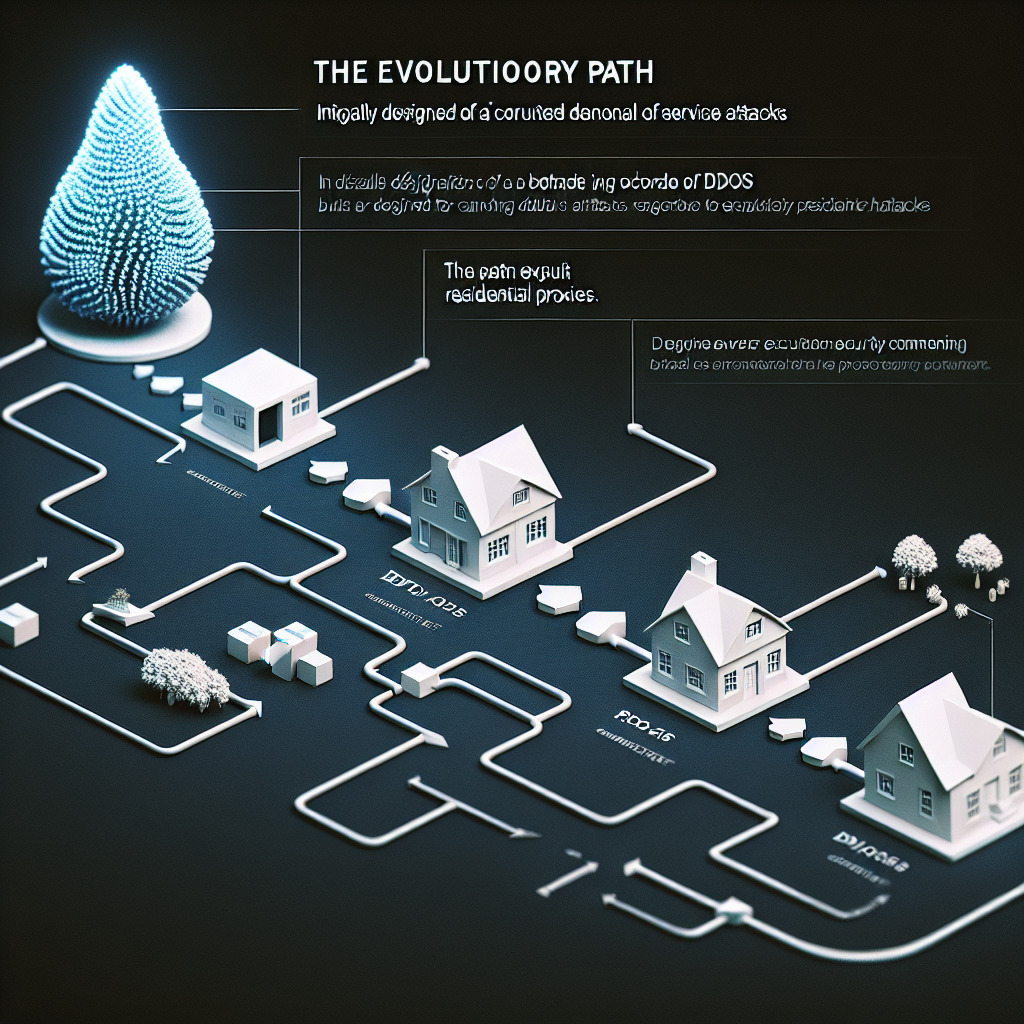
Context of the Aisuru Botnet Shift The Aisuru botnet, initially notorious for executing record-breaking distributed denial-of-service (DDoS) attacks, has transitioned towards a more covert yet lucrative operation model by utilizing infected Internet of Things (IoT) devices to power residential proxy services. This evolution underscores a significant trend within the cybersecurity landscape, wherein cybercriminals leverage compromised devices to anonymize their internet traffic, thereby facilitating large-scale data harvesting initiatives. Such activities have become increasingly intertwined with the artificial intelligence (AI) sector, as data scraping efforts utilize these residential proxies to evade detection, presenting new challenges for cybersecurity experts. Main Goals and Achievements The primary goal of the Aisuru botnet’s transition from DDoS attacks to residential proxy services is to create a sustainable revenue stream while minimizing the risks associated with high-profile attacks. This shift can be achieved through the rental of compromised devices to proxy services, allowing cybercriminals to operate with relative anonymity. By obscuring the origin of their internet traffic, these actors can conduct malicious activities—including data scraping for AI projects—without the immediate threat of detection or mitigation by cybersecurity measures. Advantages of the Aisuru Botnet’s Proxy Model Increased Anonymity: By routing traffic through residential IP addresses, Aisuru’s operators effectively mask their identity, complicating efforts by cybersecurity professionals to trace malicious activities back to their sources. Scalability: The botnet’s ability to harness hundreds of thousands of IoT devices provides a vast pool of resources for cybercriminals, allowing them to execute large-scale operations without significant investment in infrastructure. Access to Restricted Data: Utilizing residential proxies enables content scrapers to bypass restrictions set by legitimate data providers, facilitating unauthorized access to valuable datasets that can feed into AI systems. Market Demand: There is a growing demand for residential proxies in various sectors, including marketing and AI, which has led to an exponential increase in the availability of such services, thereby bolstering the botnet’s profitability. However, it is important to note that this model is not without its limitations. The reliance on compromised devices raises ethical concerns and could provoke regulatory scrutiny as authorities intensify their efforts to combat cybercrime. Future Implications of AI and Cybersecurity The intersection of AI and cybersecurity is poised for significant evolution as advancements in AI technologies continue to shape the tactics employed by cybercriminals. The ongoing proliferation of data scraping activities, particularly those that support AI training datasets, will likely result in increased competition for resources among malicious actors. Moreover, as AI systems become more sophisticated, they may enable more advanced techniques for evading detection, necessitating rapid adaptation by cybersecurity experts. In the future, we may also see a rise in legislative measures aimed at curbing the use of residential proxies for malicious purposes, alongside the development of more robust detection mechanisms for identifying and mitigating threats posed by botnets like Aisuru. Cybersecurity professionals will need to remain vigilant and proactive in their strategies, leveraging emerging technologies and methodologies to counteract the evolving landscape of cyber threats. Disclaimer The content on this site is generated using AI technology that analyzes publicly available blog posts to extract and present key takeaways. We do not own, endorse, or claim intellectual property rights to the original blog content. Full credit is given to original authors and sources where applicable. Our summaries are intended solely for informational and educational purposes, offering AI-generated insights in a condensed format. They are not meant to substitute or replicate the full context of the original material. If you are a content owner and wish to request changes or removal, please contact us directly. Source link : Click Here