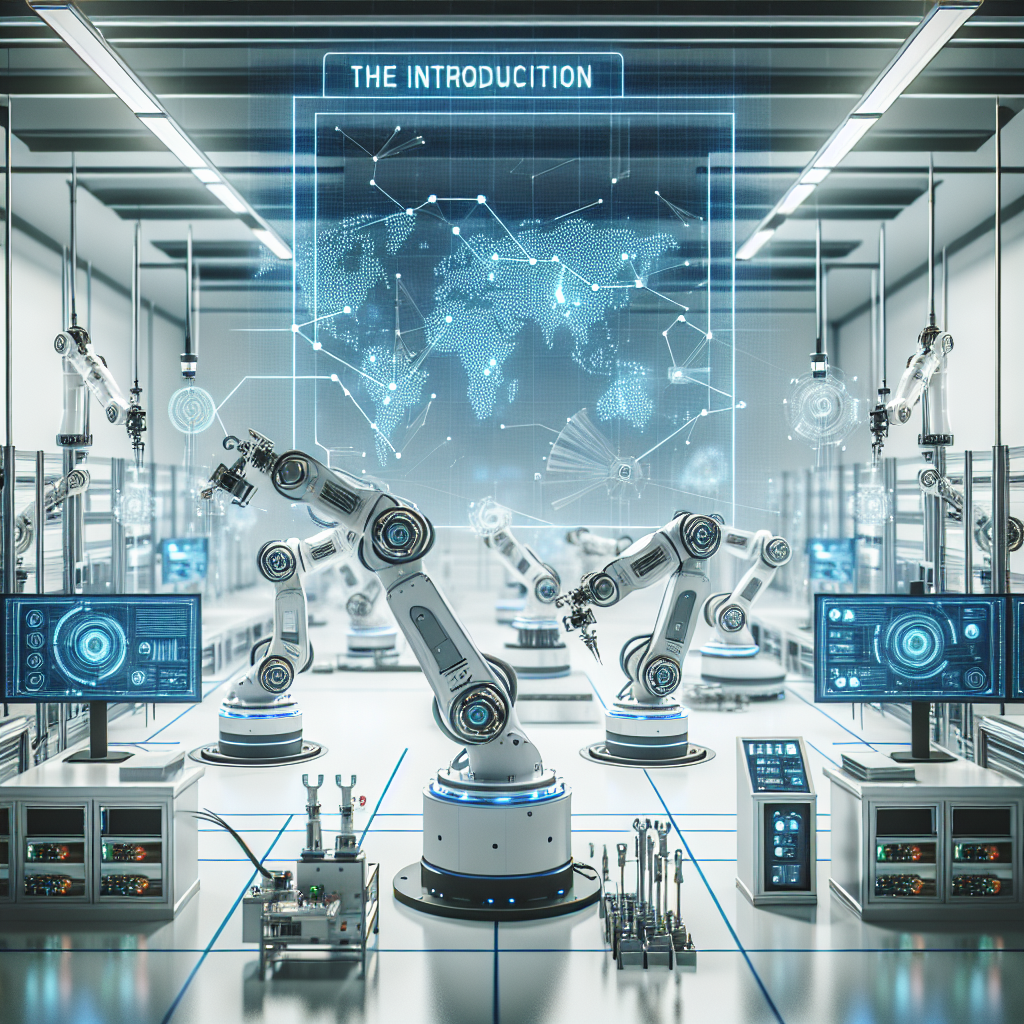
Contextual Overview of Collaborative Robotics Comau S.p.A., a prominent player in the automation industry, has recently unveiled its MyCo family of collaborative robots (cobots). This development signifies the company’s strategic expansion in the realm of collaborative robotics, aimed at fostering safe, flexible, and efficient interactions between humans and robots across diverse sectors. The MyCo line comprises six lightweight robotic arms, each engineered for specific payload capacities ranging from 3 to 15 kg and reach distances between 590 to 1300 mm. This innovation aligns with the projected growth trajectory of the global collaborative robotics market, anticipated to experience a compound annual growth rate (CAGR) of 15% from 2024 to 2028. Such growth is propelled by increasing demands from non-traditional sectors, including food and beverage, pharmaceuticals, renewable energy, and logistics. Main Goals of MyCo and Their Achievement The primary objective of introducing the MyCo cobot family is to provide an adaptable, cost-effective solution for businesses looking to enhance operational efficiency and productivity. Comau aims to achieve this through several key strategies: 1. **Rapid Deployment**: MyCo robots are designed for quick installation and intuitive programming, allowing businesses to swiftly integrate them into existing workflows. 2. **User-Friendliness**: The robots support graphical programming and manual guidance, making them accessible even to users with limited technical expertise. 3. **Versatile Applications**: MyCo cobots can be employed in various tasks, including warehousing, packaging, and light assembly, reflecting their adaptability to dynamic production environments. These strategies collectively contribute to the overarching goal of enhancing human-robot collaboration and improving operational safety in industrial settings. Advantages of the MyCo Cobot Line The MyCo cobot family offers several benefits that can significantly impact manufacturing processes. These advantages are substantiated by the features outlined by Comau: – **Rapid Deployment**: The lightweight design and straightforward programming facilitate quick setup and redeployment, enabling manufacturers to respond effectively to fluctuating production demands. – **High Precision**: Featuring a repeatability rate as low as ±0.02mm, MyCo robots are suitable for precision tasks, such as arc welding, where accuracy is paramount. – **Flexible Integration**: MyCo is fully compatible with the Robot Operating System (ROS 2), allowing for seamless integration into existing systems, with options for various mounting configurations. – **Durability**: The cobots come with standard IP54 protection, with an optional upgrade to IP66 for operations in harsh environments, ensuring reliability and longevity. – **User-Friendly Interfaces**: MyCo supports graphical programming and remote calling capabilities, simplifying operations and enhancing usability for non-technical personnel. Despite these advantages, it is essential to consider potential limitations, such as the initial investment required for implementation and the need for ongoing maintenance and updates to software systems. Future Implications and the Role of AI The integration of artificial intelligence (AI) into collaborative robotics is poised to revolutionize the industry further. As AI technologies advance, they will enhance the capabilities of cobots like the MyCo line, enabling more sophisticated decision-making processes and improved adaptability to complex environments. For instance, AI can facilitate real-time data analysis, allowing cobots to learn from their interactions and optimize their performance over time. Moreover, the incorporation of AI will likely lead to the development of more autonomous systems, reducing the reliance on human operators for routine tasks. This evolution will not only enhance productivity but also allow human workers to focus on more strategic and creative endeavors within their organizations. In conclusion, the introduction of Comau’s MyCo cobot family represents a significant advancement in collaborative robotics, providing manufacturers with versatile, user-friendly solutions that enhance operational efficiency. As AI technologies continue to evolve, their integration with collaborative robotics will further transform the landscape, offering unprecedented opportunities for innovation in smart manufacturing and robotics. Disclaimer The content on this site is generated using AI technology that analyzes publicly available blog posts to extract and present key takeaways. We do not own, endorse, or claim intellectual property rights to the original blog content. Full credit is given to original authors and sources where applicable. Our summaries are intended solely for informational and educational purposes, offering AI-generated insights in a condensed format. They are not meant to substitute or replicate the full context of the original material. If you are a content owner and wish to request changes or removal, please contact us directly. Source link : Click Here

Introduction In the complex landscape of the Finance and FinTech industries, emotional awareness is just as critical as technological prowess. Professionals often grapple with the intricacies of human behavior, particularly when evaluating relationships that may initially seem promising but may harbor underlying issues. To navigate these dynamics, it is essential to discern between genuine affinity and potential red flags that can impede professional and personal growth. This blog post examines how the concepts derived from relationship dynamics, particularly the signs of chemistry versus red flags, can be applied to the Finance and FinTech sectors, enhancing emotional intelligence and decision-making processes. Main Goal and Achievement The main goal of recognizing the difference between apparent chemistry and red flags is to foster healthier interactions and more informed decision-making. In the context of Finance and FinTech, this translates to better collaboration, partnership choices, and client relationships. Achieving this goal entails a commitment to self-reflection and emotional regulation, allowing professionals to identify harmful patterns and biases that could affect their judgment and the overall success of their projects. Advantages of Recognizing Red Flags Enhanced Decision-Making: By acknowledging red flags, financial professionals can avoid detrimental partnerships and client relationships, thereby improving their decision-making capabilities. Awareness of these signs enables them to choose collaborations that are more likely to yield sustainable results. Increased Emotional Intelligence: Understanding the underlying emotions that drive professional behavior can lead to improved emotional intelligence. This is crucial in managing client expectations, negotiating deals, and cultivating long-term relationships. Stronger Team Dynamics: Recognizing red flags among team members can foster a healthier work environment. It encourages open communication and conflict resolution, ultimately leading to enhanced productivity and morale. Risk Mitigation: Identifying potential pitfalls in partnerships or client engagements can mitigate financial and reputational risks. Professionals who remain vigilant about these red flags are better equipped to navigate challenges proactively. Long-Term Professional Growth: Engaging in self-reflection and emotional awareness allows financial professionals to learn from past experiences. This ongoing development can lead to more robust career trajectories and successful professional relationships. Limitations and Caveats While the benefits of recognizing red flags are substantial, it is important to acknowledge potential limitations. Emotional awareness can sometimes lead to over-analysis and second-guessing, which may hinder timely decision-making. Additionally, individuals may project their past experiences onto new situations, misinterpreting genuine chemistry for red flags. Therefore, a balanced approach that combines emotional insight with objective analysis is necessary for effective decision-making. Future Implications The ongoing advancements in artificial intelligence (AI) within Finance and FinTech present both opportunities and challenges for professionals in the field. As AI systems become more sophisticated, they will enhance the ability to analyze behavioral patterns, allowing for more accurate predictions regarding client and partner dynamics. This will not only improve decision-making but also facilitate more personalized client interactions. However, reliance on AI must be tempered with human emotional intelligence to ensure nuanced understanding and effective relationship management. Professionals must continue to hone their emotional skills alongside technological competencies to thrive in an increasingly automated environment. Conclusion Identifying the difference between chemistry and red flags is essential in the Finance and FinTech sectors. By cultivating emotional intelligence and self-awareness, professionals can enhance their decision-making capabilities, foster healthier relationships, and mitigate risks. As AI continues to evolve, the interplay between technology and emotional acumen will shape the future of Finance and FinTech, making it imperative for professionals to adapt accordingly. Disclaimer The content on this site is generated using AI technology that analyzes publicly available blog posts to extract and present key takeaways. We do not own, endorse, or claim intellectual property rights to the original blog content. Full credit is given to original authors and sources where applicable. Our summaries are intended solely for informational and educational purposes, offering AI-generated insights in a condensed format. They are not meant to substitute or replicate the full context of the original material. If you are a content owner and wish to request changes or removal, please contact us directly. Source link : Click Here
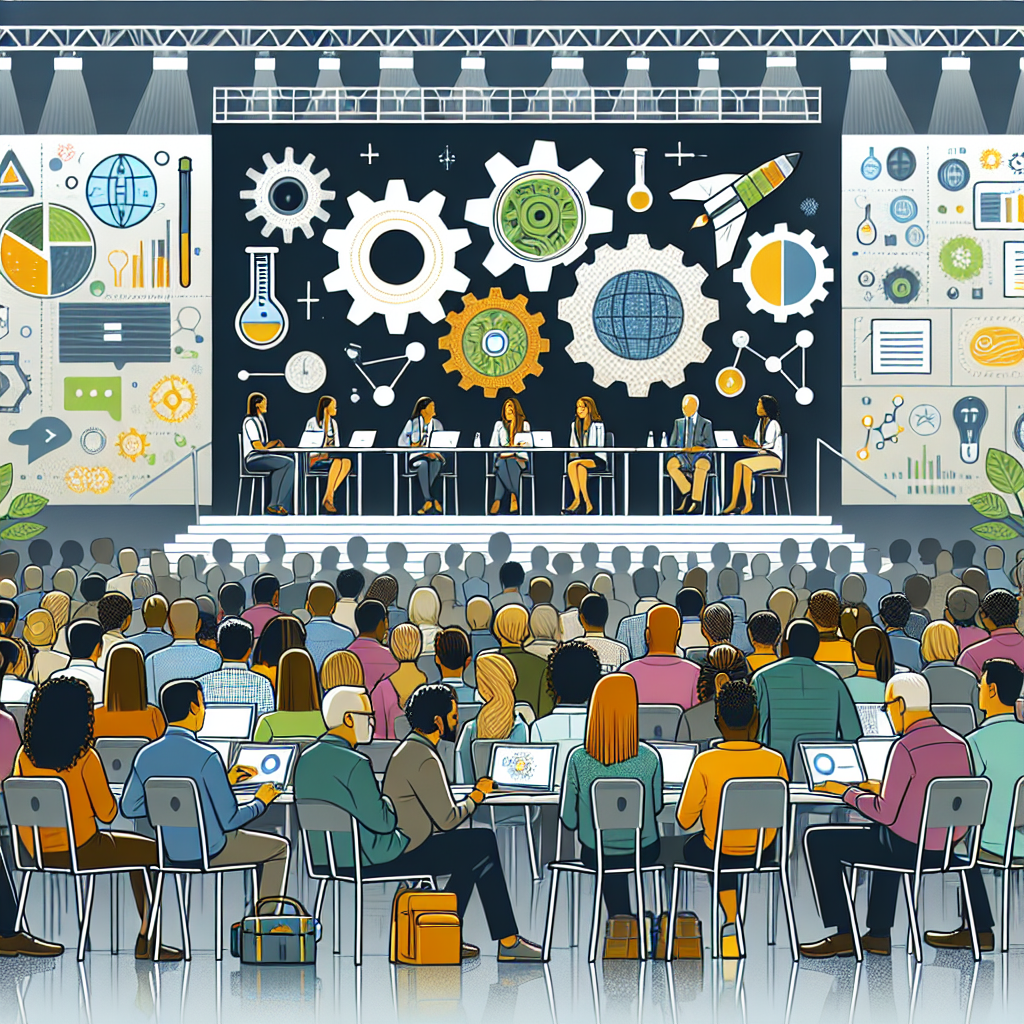
Context The IEEE STEM Summit, held virtually on October 23 and 24, convened educators, volunteers, and STEM advocates globally to explore methods for enhancing interest in science, technology, engineering, and mathematics (STEM) among children. This year’s summit attracted approximately 1,000 participants from over 100 countries, engaging in a series of keynote addresses, networking opportunities, and presentations aimed at tackling significant challenges within STEM education. Key themes included the role of artificial intelligence in the classroom and strategies for building a sustainable future. Main Goal and Achievement Strategies The primary objective of the IEEE STEM Summit is to empower educators with the resources and knowledge necessary to inspire the next generation of STEM professionals. Achieving this goal involves providing educators with access to innovative teaching methods, collaborative networks, and practical resources that can be integrated into classroom settings. The event serves as a platform for sharing best practices and developing actionable strategies that educators can implement to enhance student engagement in STEM subjects. Advantages of Participation Global Collaboration: The summit fosters international networking among educators and STEM professionals, allowing for the exchange of diverse ideas and practices that can enrich local educational strategies. Resource Accessibility: Participants gain access to a wealth of free educational resources, including lesson plans and hands-on activities via initiatives like TryEngineering, which are specifically designed to make STEM subjects more engaging for students. Expert Insights: Attendees benefit from the experience and knowledge of industry leaders and educators, who provide insights into effective teaching practices and the latest trends in STEM education. Focus on Sustainability: Discussions on sustainability issues and innovative solutions prepare educators to integrate real-world challenges into their teaching, promoting critical thinking and problem-solving skills among students. AI Integration: Workshops on artificial intelligence and prompt engineering equip educators with the skills necessary to incorporate AI technologies into their curricula, enhancing learning experiences and preparing students for future careers in tech-driven environments. Future Implications The implications of advancements in artificial intelligence for the future of STEM education are profound. As AI technologies continue to evolve, they will increasingly shape educational environments, providing personalized learning experiences and enhancing student engagement. The integration of AI into STEM curricula can enable educators to tailor their teaching methods to meet individual student needs, thereby improving educational outcomes. Moreover, as AI becomes more prevalent in various industries, equipping students with relevant skills will be critical in ensuring their competitiveness in the job market. This necessitates a shift in educational approaches, emphasizing adaptability, creativity, and critical thinking, which are essential skills in an AI-driven economy. Disclaimer The content on this site is generated using AI technology that analyzes publicly available blog posts to extract and present key takeaways. We do not own, endorse, or claim intellectual property rights to the original blog content. Full credit is given to original authors and sources where applicable. Our summaries are intended solely for informational and educational purposes, offering AI-generated insights in a condensed format. They are not meant to substitute or replicate the full context of the original material. If you are a content owner and wish to request changes or removal, please contact us directly. Source link : Click Here

Introduction The landscape of agriculture is undergoing a significant transformation, largely driven by advancements in autonomous farming technology. As we witness the deployment of autonomous tractors and systems across various agricultural operations, several emerging trends are reshaping perceptions of this technology. This post will elucidate key trends impacting autonomous farming, focusing on retrofitting existing machinery, labor dynamics, and the evolving concept of horsepower in agricultural practices. Understanding these aspects is crucial for AgriTech innovators striving to enhance efficiency and productivity in farming operations. The Retrofit Paradigm One of the most compelling trends in autonomous farming is the retrofit solution, which emphasizes the importance of upgrading existing machinery rather than developing brand-new equipment. This approach recognizes that many farmers have substantial investments in their current equipment, which they prefer to maximize rather than replace. By retrofitting existing tractors and implements with autonomous technology, farmers can enhance the utility of their current assets, thus extending their operational lifespan and improving performance. This shift towards retrofitting presents a strategic opportunity for AgriTech innovators. By focusing on solutions that integrate seamlessly with established machinery, companies can cater to farmers’ desires for continuity and reliability. This strategy not only enhances the value proposition of autonomous technology but also mitigates the risk associated with adopting untested new machinery. The Labor Dynamics Another significant trend is the evolving role of labor within agricultural operations adopting autonomy. Contrary to the common perception that automation reduces the need for human labor, many farming operations are utilizing autonomous systems to enhance workforce efficiency. The integration of autonomous technology allows farmers to reallocate their existing workforce to higher-value tasks while automation handles repetitive and labor-intensive activities. This trend highlights the importance of viewing autonomy not as a means of job replacement but as a catalyst for unlocking human potential in agriculture. By enabling workers to focus on more strategic roles, farms can increase their productivity without expanding their payroll. This paradigm shift is essential for AgriTech innovators to consider when designing solutions that complement and enhance the capabilities of existing labor forces. The Horsepower Reimagined The third trend involves a reevaluation of the concept of horsepower in the context of autonomous technology. Historically, the agricultural sector has focused on increasing equipment size and horsepower to meet production demands. However, the advent of autonomous systems introduces a new dimension: the ability to increase operational hours without proportionally increasing horsepower. James Watt’s equation, which correlates horsepower with work and time, underscores that as operational time increases through autonomy, the demand for horsepower may decrease. This shift could lead to a future where the significance of horsepower diminishes, allowing for more efficient, smaller, and cost-effective machinery to dominate the market. AgriTech innovators must consider this implication as they develop future technologies that balance efficiency with the evolving needs of farmers. Advantages of Autonomous Farming Technology Cost Efficiency: Retrofitting existing equipment reduces the need for new capital expenditures while extending the life and functionality of current assets. Enhanced Productivity: By reallocating labor to higher-value tasks, farms can achieve higher output levels without increasing workforce size. Reduced Dependence on Horsepower: The shift towards autonomy allows for smaller machines to perform efficiently, potentially lowering operational costs and resource consumption. Increased Operational Flexibility: Autonomous systems can facilitate extended working hours, which enables farmers to maximize planting and harvest windows. Caveats and Limitations While the advantages of autonomous farming technology are substantial, it is essential to acknowledge potential limitations. The initial cost of retrofitting can be significant for some farmers, and there may be technological compatibility issues with older machinery. Furthermore, reliance on technology raises concerns regarding data security and the need for ongoing technical support. Thus, AgriTech innovators must navigate these challenges to create accessible and reliable solutions. Future Implications and AI Integration The future of autonomous farming is poised for further evolution, particularly through the integration of artificial intelligence (AI). As AI technologies advance, their application in autonomous systems can enhance decision-making processes, optimize field operations, and improve predictive analytics for crop management. Such developments could lead to more precise farming techniques, increased sustainability, and greater yields. Moreover, the integration of AI will likely facilitate real-time data analysis, enabling farmers to make informed decisions based on current field conditions. This synergy between AI and autonomous technology will redefine productivity metrics and operational efficiency, creating a new standard in agricultural practices. Conclusion The trends in autonomous farming—retrofitting existing machinery, rethinking labor dynamics, and redefining horsepower—illustrate the profound changes occurring in the agricultural sector. As AgriTech innovators continue to explore these avenues, they will not only enhance operational efficiency but also foster a more sustainable and productive future for farming. By embracing these trends, stakeholders can navigate the complexities of modern agriculture and harness the full potential of autonomous technology. Disclaimer The content on this site is generated using AI technology that analyzes publicly available blog posts to extract and present key takeaways. We do not own, endorse, or claim intellectual property rights to the original blog content. Full credit is given to original authors and sources where applicable. Our summaries are intended solely for informational and educational purposes, offering AI-generated insights in a condensed format. They are not meant to substitute or replicate the full context of the original material. If you are a content owner and wish to request changes or removal, please contact us directly. Source link : Click Here

Context and Current Landscape In December 2025, Microsoft released a substantial security update addressing 56 vulnerabilities across its Windows operating systems and supported software. This update is particularly critical as it includes patches for a zero-day exploit currently being leveraged by malicious actors, alongside two publicly disclosed vulnerabilities. Throughout 2025, Microsoft has patched a total of 1,129 vulnerabilities, reflecting an 11.9% increase compared to the previous year, indicating a rising trend in security issues that necessitate prompt attention. As cybersecurity continues to evolve, the integration of artificial intelligence (AI) into cybersecurity practices serves as a double-edged sword. While AI can enhance security measures, it also introduces new vulnerabilities, particularly in systems relying on AI-driven tools like GitHub Copilot. This highlights the importance of vigilance and proactive measures in addressing cybersecurity threats. Main Objectives of the Microsoft Security Updates The primary goal of Microsoft’s December 2025 Patch Tuesday was to mitigate existing vulnerabilities, particularly the zero-day flaw identified as CVE-2025-62221. This privilege escalation vulnerability, affecting Windows 10 and later systems, underscores the critical nature of timely patches in safeguarding user systems against exploitation. The successful implementation of these updates can be achieved through systematic vulnerability assessments, regular updates, and user compliance with security protocols. Advantages of Timely Security Updates Enhanced System Integrity: By addressing vulnerabilities swiftly, organizations can prevent unauthorized access and maintain the integrity of their systems. Reduction of Exploit Opportunities: Patching known vulnerabilities decreases the likelihood of exploitation. For example, the updates for CVE-2025-62554 and CVE-2025-62557, related to Microsoft Office, can prevent malicious actors from exploiting these flaws through seemingly benign email interactions. Proactive Threat Mitigation: The identification of privilege escalation vulnerabilities as high-risk exemplifies the need for prioritizing certain patches. Experts like Kev Breen emphasize the historical prevalence of such vulnerabilities in successful attacks. Integration with AI Tools: The patch addressing CVE-2025-64671 illustrates the necessity of securing AI-driven tools, which, while providing efficiency, can also create exploitable entry points. It is essential to note that while these updates significantly enhance security posture, they are not failproof. Organizations must remain vigilant and employ layered security strategies. Future Implications of AI in Cybersecurity The increasing incorporation of AI into cybersecurity frameworks presents both opportunities and challenges. As AI technologies evolve, they are likely to be leveraged both by security professionals to enhance defenses and by cybercriminals to develop more sophisticated attacks. The vulnerabilities associated with AI tools, such as those identified in IDEs like GitHub Copilot, highlight a systemic issue that requires ongoing attention. The future of cybersecurity will likely depend on the ability to balance innovation with rigorous security protocols, ensuring that AI advancements do not inadvertently amplify vulnerabilities. Disclaimer The content on this site is generated using AI technology that analyzes publicly available blog posts to extract and present key takeaways. We do not own, endorse, or claim intellectual property rights to the original blog content. Full credit is given to original authors and sources where applicable. Our summaries are intended solely for informational and educational purposes, offering AI-generated insights in a condensed format. They are not meant to substitute or replicate the full context of the original material. If you are a content owner and wish to request changes or removal, please contact us directly. Source link : Click Here

Context The healthcare landscape is undergoing rapid transformation, particularly concerning provider-aligned health plans which have long emphasized a member-centric mission. As we move forward, this mission has become crucial in fostering trust, loyalty, and achieving meaningful health outcomes. However, the contemporary challenges of shrinking profit margins, frequent regulatory changes, and escalating consumer expectations necessitate a paradigm shift. Plans must now integrate clinical capabilities with innovative operational strategies to remain competitive. This integration is increasingly supported by advancements in artificial intelligence (AI), which can enhance decision-making processes and optimize patient engagement. Main Goal and Achievement Strategies The primary objective of modern provider-aligned health plans is to deliver personalized care while enhancing operational efficiency. Achieving this goal requires leveraging AI technologies to streamline administrative tasks, improve customer service, and develop tailored health solutions. By adopting AI-driven analytics, organizations can better understand consumer behavior, thereby informing strategies that enhance member retention and satisfaction. Furthermore, partnerships with brokers and innovative distribution pathways can accelerate market penetration, ultimately leading to increased membership and revenue growth. Advantages of Modern Strategies Operational Efficiency: Implementing AI solutions allows for the automation of administrative tasks, thereby reducing costs and redirecting resources towards member engagement and care quality. Market Expansion: Provider-aligned plans can leverage data analytics to identify and explore new membership models, particularly in government-sponsored programs and employer-funded options like Individual Coverage Health Reimbursement Arrangements (ICHRA). Enhanced Consumer Experience: The modernization of consumer interactions through AI tools can significantly boost member retention and loyalty, as personalized experiences often lead to higher satisfaction rates. Scalability: Efficient operational strategies enable health plans to scale without incurring proportional increases in administrative costs, allowing for sustainable growth in a competitive market. While these advantages present compelling opportunities, it is important to recognize potential limitations, such as the need for significant upfront investment in technology and potential resistance to change within organizations. Future Implications As AI technologies continue to evolve, their applications within provider-aligned health plans will expand, offering unprecedented opportunities for innovation. Future developments may include more sophisticated predictive analytics, enabling organizations to anticipate patient needs and improve clinical outcomes. Additionally, the integration of AI with telehealth services can facilitate accessible care models, particularly for underserved populations. However, healthTech professionals must remain vigilant about regulatory compliance and ethical considerations surrounding data privacy and security as they navigate this rapidly changing landscape. Disclaimer The content on this site is generated using AI technology that analyzes publicly available blog posts to extract and present key takeaways. We do not own, endorse, or claim intellectual property rights to the original blog content. Full credit is given to original authors and sources where applicable. Our summaries are intended solely for informational and educational purposes, offering AI-generated insights in a condensed format. They are not meant to substitute or replicate the full context of the original material. If you are a content owner and wish to request changes or removal, please contact us directly. Source link : Click Here

Context of Kyle Whittingham’s Departure and Future Aspirations In recent media statements, Kyle Whittingham articulated his rationale for stepping down as the head coach of the University of Utah’s football program after a commendable 21-year tenure. Whittingham emphasized that the timing was appropriate, citing the program’s current stability and potential for future success under new leadership. He expressed confidence in the capabilities of his successor, Morgan Scalley, highlighting the importance of transitioning the program at a peak moment. Whittingham underscored the team’s positive atmosphere, characterized by strong leadership and a cohesive spirit. This reflects a broader trend in sports management where the timing of leadership transitions can significantly influence the trajectory of athletic programs, creating an environment conducive to innovation and growth. Main Goal: Transitioning Leadership Effectively The primary goal articulated by Whittingham is the effective transition of leadership within the Utah football program. This goal is achieved by ensuring that the incoming coach is well-prepared to maintain the program’s momentum and navigate the complexities inherent in collegiate athletics. Whittingham’s decision to step down rather than retire indicates a strategic approach to leadership transitions, one that prioritizes the health of the program over personal legacy. Advantages of Strategic Leadership Transition Maintained Program Stability: Whittingham’s choice to step down while the program is thriving ensures continuity and reduces the risk of disruptive changes. Empowerment of Successor: By endorsing Scalley, Whittingham reinforces confidence in the new leadership, promoting a seamless transition that can inspire players and staff alike. Strategic Focus on Future: Whittingham’s foresight in transitioning at this moment enables Scalley to implement his strategies while building on an established foundation. Positive Team Morale: The decision to step down rather than retire can foster an environment of optimism, encouraging players to engage fully as they prepare for upcoming challenges. Caveats and Limitations Despite the advantages, there are inherent challenges. The new head coach must navigate established expectations while also instilling fresh ideas. Additionally, reliance on past successes without adaptation can lead to stagnation. It is crucial for Scalley to balance respect for Whittingham’s legacy with the need for innovation within the program. Future Implications: The Role of AI in Sports Analytics The evolution of artificial intelligence in sports analytics will significantly impact how teams approach transitions like that of Whittingham’s. Advanced analytics can provide insights into player performance, team dynamics, and strategic planning, supporting new coaches in making informed decisions. As teams increasingly rely on data-driven insights, the ability to analyze and interpret complex datasets will become essential for effective leadership. Moreover, AI technologies can facilitate smoother transitions by identifying potential coaching candidates whose philosophies align with existing team culture and performance metrics. This predictive capability can enhance hiring processes and ultimately contribute to sustained program success in a competitive landscape. Disclaimer The content on this site is generated using AI technology that analyzes publicly available blog posts to extract and present key takeaways. We do not own, endorse, or claim intellectual property rights to the original blog content. Full credit is given to original authors and sources where applicable. Our summaries are intended solely for informational and educational purposes, offering AI-generated insights in a condensed format. They are not meant to substitute or replicate the full context of the original material. If you are a content owner and wish to request changes or removal, please contact us directly. Source link : Click Here
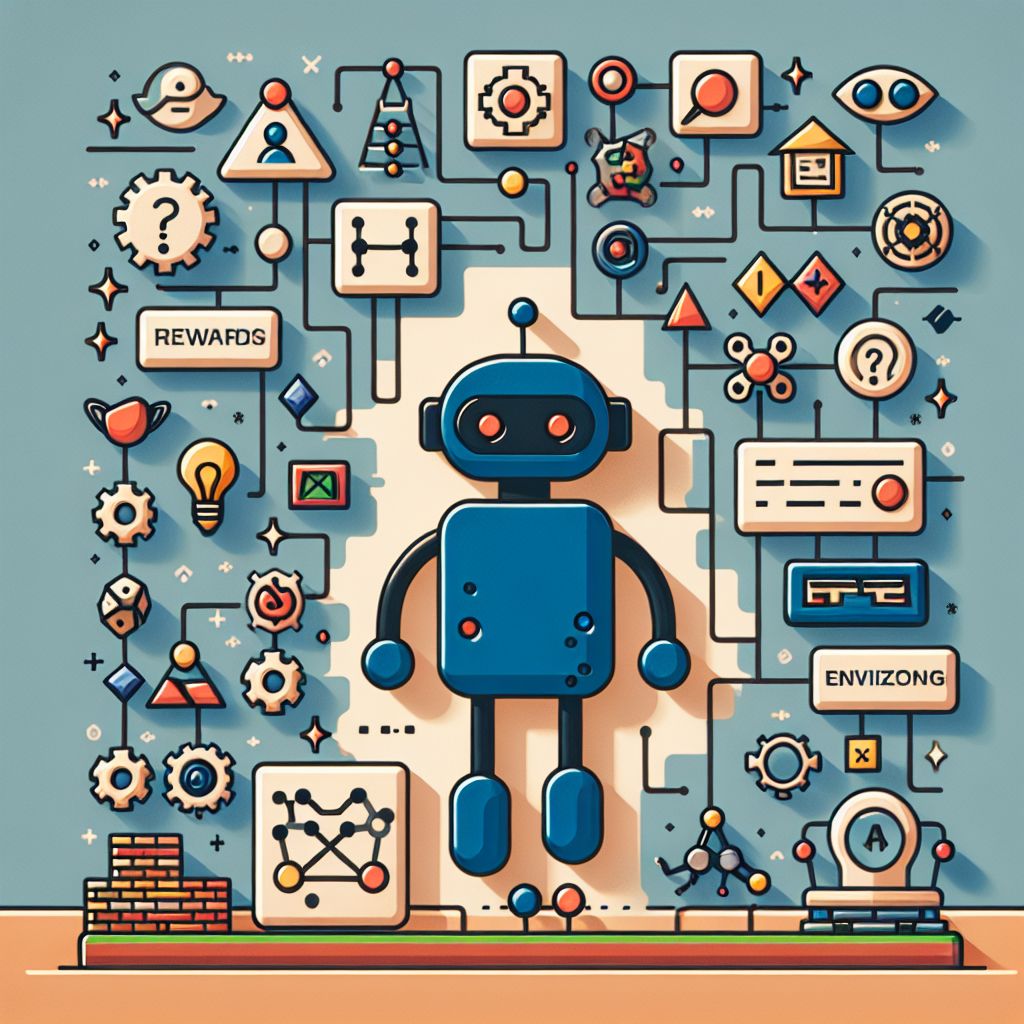
Context In the realm of AI-Powered Marketing, AI agents are revolutionizing software development and operational efficiency. These agents, particularly those based on large language models (LLMs), are designed to automate complex tasks, from code generation to executing intricate instructions. However, despite their potential, these agents often struggle with accuracy and performance, especially when faced with multifaceted, multi-step tasks. A significant barrier to enhancing their capabilities is the cumbersome nature of integrating reinforcement learning (RL), which traditionally necessitates extensive code rewrites. This challenge hinders widespread adoption, despite the wealth of data generated by these agents that could be harnessed for performance improvement through RL training. To mitigate these issues, a pioneering initiative from Microsoft Research Asia – Shanghai has introduced Agent Lightning. This innovative, open-source framework facilitates the integration of reinforcement learning into AI agents without necessitating substantial code modifications, paving the way for more effective and efficient agent performance. Main Goal and Achievement The primary objective of Agent Lightning is to empower AI agents with the capabilities of reinforcement learning while minimizing the need for code alterations. By decoupling task execution from model training, developers can seamlessly incorporate RL functionalities into existing systems. This separation is achieved through a structured approach that captures agent behavior as a series of states and actions, thus enabling RL training without the overhead of extensive code revisions. Advantages of Agent Lightning Seamless Integration: The framework allows for the integration of RL capabilities into existing AI agent architectures with minimal code changes. This flexibility is critical for organizations looking to enhance their digital marketing strategies without overhauling established systems. Standardized Data Capture: Agent Lightning converts agent experiences into a standardized format suitable for RL, facilitating efficient data usage for training purposes. This capability ensures that the data generated during agent operations can be readily utilized to enhance performance. Hierarchical Reinforcement Learning: The LightningRL algorithm employs a hierarchical approach to RL, allowing agents to receive tailored rewards based on their contributions to task outcomes. This method enhances training efficiency and model performance. Modularity and Scalability: By acting as middleware, Agent Lightning enables modular components that can independently scale. This decoupled architecture allows organizations to optimize each component for performance, facilitating concurrent agent operations. Resource Efficiency: The framework’s design supports the use of various hardware resources, allowing for optimized performance across different components. This flexibility can lead to significant cost savings and resource utilization improvements. Future Implications The advancements in AI, particularly through frameworks like Agent Lightning, signal a transformative shift in how digital marketers can leverage technology. As reinforcement learning becomes more accessible and integrated into AI agents, the potential for continuous improvement in agent performance will create a more dynamic marketing landscape. Future developments may include automated prompt optimization and the introduction of additional RL algorithms, further enhancing agents’ capabilities. This evolution will enable marketers to develop more sophisticated strategies, yielding improved targeting, engagement, and conversion rates, ultimately leading to a more effective utilization of AI in marketing endeavors. Conclusion Agent Lightning represents a significant leap forward in the integration of reinforcement learning with AI agents, particularly for digital marketing applications. By simplifying the process of enhancing agent capabilities, it opens new avenues for organizations to optimize their operations and strategies. As the landscape of AI continues to evolve, the implications for digital marketers are profound, suggesting a future where AI-driven insights and improvements are not only possible but readily achievable. Disclaimer The content on this site is generated using AI technology that analyzes publicly available blog posts to extract and present key takeaways. We do not own, endorse, or claim intellectual property rights to the original blog content. Full credit is given to original authors and sources where applicable. Our summaries are intended solely for informational and educational purposes, offering AI-generated insights in a condensed format. They are not meant to substitute or replicate the full context of the original material. If you are a content owner and wish to request changes or removal, please contact us directly. Source link : Click Here

Contextual Framework: The Role of Personality in Large Language Models In recent advancements in artificial intelligence (AI), particularly within the realm of large language models (LLMs), the evaluation and shaping of personality traits have emerged as critical areas of focus. This exploration is particularly relevant to smart manufacturing and robotics, where AI’s ability to mimic human-like traits can enhance user interaction and operational efficiency. The primary objective is to establish reliable and valid personality measurements in LLMs, essential for applications that require nuanced human-computer interactions. The research indicates that medium and large instruction-tuned variants of models such as PaLM and GPT-4o exhibit superior personality synthesis capabilities compared to their base models. This finding underscores the necessity of validating AI personality traits before deploying them in real-world applications, particularly in sectors that rely heavily on automation and intelligent systems. Main Goals and Achievement Strategies The principal goal outlined in the original research is to measure and validate personality traits in LLMs effectively. Achieving this entails a structured approach that includes the following key strategies: 1. **Implementation of Robust Measurement Protocols**: This involves using scientifically recognized frameworks and inventories, such as the International Personality Item Pool (IPIP) representation of the NEO Personality Inventory, to ensure that the personality metrics are both reliable and valid. 2. **Instruction Fine-Tuning**: The evidence suggests that models which undergo instruction fine-tuning demonstrate marked improvements in reliability and validity. This highlights the importance of refining AI models to enhance their capability to reflect human personality traits accurately. 3. **Empirical Validation**: Conducting extensive empirical tests to confirm the reliability of personality measurements across various model families is crucial. This includes analyzing the correlation of personality scores with established psychological assessments. Advantages of Personality Integration in LLMs Integrating personality traits into LLMs presents several advantages for industries, particularly for Industrial Technologists working in smart manufacturing and robotics: – **Enhanced User Interaction**: By utilizing personality traits, LLMs can provide more relatable and engaging interactions, improving user satisfaction and acceptance of automated systems. Research indicates that instruction-tuned models show significant improvements in convergent validity, correlating well with human personality assessments. – **Improved Decision-Making**: AI systems capable of understanding and simulating human traits can enhance decision-making processes in manufacturing settings by providing insights that align with human behavioral patterns. Higher internal consistency reliability in larger models leads to more dependable outputs. – **Customization and Adaptability**: The ability to shape personality traits allows for tailored AI solutions that can adapt to various operational contexts, making them more effective in specific tasks, such as customer service or collaborative robotics. Evidence shows that larger models exhibit better performance in adjusting to targeted personality dimensions. – **Predictive Capabilities**: There is a strong correlation between psychometric personality assessments and LLM-generated task behaviors, which can lead to more predictable and reliable system responses in real-time applications, thereby enhancing operational efficiency. Caveats and Limitations Despite the numerous advantages, there are notable limitations to consider: – **Model Size Dependency**: The effectiveness of personality integration appears to correlate positively with model size. Smaller models may struggle to accurately reflect personality traits, leading to potential inconsistencies. – **Instruction-Fine-Tuning Requirement**: The necessity of instruction fine-tuning means additional computational resources and expertise are required, which may not be feasible for all organizations, especially smaller ones. – **Potential for Bias**: The training data used to develop these models may carry inherent biases, potentially skewing personality traits and affecting the AI’s behavior in unintended ways. Future Implications of AI Developments The future of AI in smart manufacturing and robotics, particularly concerning personality integration in LLMs, holds significant promise. As advancements in AI continue, we can expect: – **Greater Humanization of AI Systems**: Ongoing developments will likely lead to even more sophisticated personality simulations, enhancing the human-like interactions between machines and users. – **Increased Automation with Human-Like Traits**: As AI systems become more adept at simulating personality traits, they may take on more complex roles traditionally filled by humans, further automating processes in manufacturing. – **Ethical Considerations and Accountability**: The growing ability of AI to simulate human behavior raises ethical questions regarding accountability, transparency, and the implications of relying on AI systems that mimic human traits. Future discussions will need to address these challenges comprehensively. In conclusion, the integration of personality traits into LLMs presents a transformative opportunity for smart manufacturing and robotics. However, careful consideration of the associated challenges and ethical implications will be essential as these technologies continue to evolve. Disclaimer The content on this site is generated using AI technology that analyzes publicly available blog posts to extract and present key takeaways. We do not own, endorse, or claim intellectual property rights to the original blog content. Full credit is given to original authors and sources where applicable. Our summaries are intended solely for informational and educational purposes, offering AI-generated insights in a condensed format. They are not meant to substitute or replicate the full context of the original material. If you are a content owner and wish to request changes or removal, please contact us directly. Source link : Click Here

Contextual Overview of Tax Refund Expectations in 2026 The recent address by President Donald Trump, delivered on December 17, 2025, promises a record tax refund season for the upcoming year. This announcement emerges in the backdrop of declining approval ratings concerning economic issues, particularly inflation and the cost of living, as highlighted by the CNBC All-America Economic Survey. Given that 66% of surveyed individuals disapprove of the current administration’s economic management, the anticipated tax refunds may serve as a significant financial relief amidst rising prices affecting consumers during the holiday season. Projections of Larger Refunds Experts predict that many taxpayers filing their 2025 returns in 2026 will receive larger refunds compared to previous years. The “big beautiful bill,” enacted in July 2025, introduced several retroactive tax adjustments, including an increased standard deduction and enhanced child tax credits. These provisions collectively reduced individual income taxes by an estimated $144 billion, according to the Tax Foundation. However, it is noteworthy that the IRS did not modify withholding tables for 2025, resulting in taxpayers likely receiving the full benefits of these tax cuts in one lump sum during tax filing, rather than incrementally throughout the year. Identifying Beneficiaries of Increased Refunds The determination of who may benefit from these tax refunds hinges on individual circumstances and the specific tax provisions that apply to them. The enhanced standard deduction, increased child tax credit, and special provisions for seniors are expected to affect a broad spectrum of taxpayers. Conversely, certain tax benefits, such as deductions for tip and overtime income, will primarily assist smaller, more specific groups. This legislative move appears to be an extension of previous tax breaks initiated in 2017, maintaining a familiar tax structure for most taxpayers. Advantages and Evidence-Based Assertions Increased Financial Relief: The anticipated larger refunds could provide substantial financial support to middle- and upper-income households, helping them manage expenses amidst inflationary pressures. Tax Savings: The various provisions in the “big beautiful bill,” such as the increased standard deduction and enhanced child tax credits, are designed to maximize tax savings for eligible individuals, thereby improving disposable income. Stimulus Effect: A significant influx of tax refunds has the potential to stimulate consumer spending, contributing positively to the economy during a time of heightened financial uncertainty. Nevertheless, it is crucial to acknowledge that these benefits may vary widely based on individual tax situations and the specific provisions applicable to each taxpayer. Future Implications of AI in Financial Management The evolving landscape of finance, particularly within the realm of tax management and refunds, is poised for transformation through advancements in artificial intelligence (AI). AI technologies can enhance predictive analytics, enabling financial professionals to provide more accurate forecasts regarding tax obligations and potential refunds. Moreover, the integration of AI can streamline tax preparation processes, minimizing errors and improving efficiency for both taxpayers and financial advisors. As AI continues to develop, its role in automating tax compliance and enhancing the understanding of complex tax legislation will likely expand, offering new tools for financial planning and management. Disclaimer The content on this site is generated using AI technology that analyzes publicly available blog posts to extract and present key takeaways. We do not own, endorse, or claim intellectual property rights to the original blog content. Full credit is given to original authors and sources where applicable. Our summaries are intended solely for informational and educational purposes, offering AI-generated insights in a condensed format. They are not meant to substitute or replicate the full context of the original material. If you are a content owner and wish to request changes or removal, please contact us directly. Source link : Click Here