
Context of MatterChat in Smart Manufacturing and Robotics The advent of advanced artificial intelligence (AI) technologies, particularly in the form of multimodal large language models (LLMs) like MatterChat, heralds significant advancements in the field of Smart Manufacturing and Robotics. MatterChat is engineered to process and analyze complex material structures and respond to user inquiries, effectively bridging the gap between material science and natural language processing. This model facilitates tasks such as material property prediction, structural analysis, and descriptive language generation, which are crucial for industrial technologists working in the manufacturing sector. By enabling efficient data retrieval and interpretation, MatterChat contributes to informed decision-making processes within manufacturing and robotics applications. Main Goal and Its Achievement The primary goal of MatterChat is to enhance the understanding and prediction of material properties through a sophisticated integration of graph-based material representations and textual data processing. This objective is achieved by leveraging three core components: the material processing branch, the language processing branch, and the bridge model. Together, these elements enable MatterChat to convert atomic-level material structures into meaningful language embeddings, thus allowing users to obtain reliable predictions and insights regarding various materials. The seamless integration of these components ensures that the model can handle complex queries with high accuracy, ultimately improving material selection and design processes in manufacturing. Advantages of MatterChat for Industrial Technologists The deployment of MatterChat offers several notable advantages for industrial technologists: 1. Enhanced Material Property Prediction MatterChat demonstrates superior accuracy in predicting material properties, such as metallicity, stability, and electronic characteristics. By utilizing its advanced graph-based encoding and language processing capabilities, the model consistently outperforms traditional physical models and other LLMs. 2. Efficient Data Integration The architecture of MatterChat allows for the effective merging of structural and textual data, which significantly streamlines the analysis process. This integration enables technologists to access comprehensive material information quickly, reducing the time spent on data gathering and enhancing productivity. 3. User-Friendly Interaction MatterChat’s design provides a user-friendly interface for querying material properties. The ability to submit natural language prompts simplifies the interaction, making advanced material analysis accessible to users with varying levels of technical expertise. 4. Robust Performance Across Diverse Tasks MatterChat exhibits consistent performance across multiple tasks, including property prediction and material classification. Its architecture supports a wide range of inquiries, providing users with tailored and contextually relevant responses. 5. Future-Proofing through AI Adaptability As AI technologies continue to evolve, MatterChat’s modular design allows for easy updates and enhancements. This adaptability ensures that the model remains relevant in the rapidly changing landscape of materials science and manufacturing. Considerations and Limitations While MatterChat presents numerous advantages, it is essential to acknowledge certain limitations. The model’s performance is reliant on the quality and diversity of its training data; therefore, biases or gaps in the dataset may affect its predictions. Additionally, while MatterChat excels in qualitative assessments, it may not always provide the same level of precision as specialized physical models in quantitative tasks. Future Implications of AI Developments The ongoing advancements in AI, particularly in LLMs and their applications in materials science, are poised to reshape the landscape of Smart Manufacturing and Robotics. As models like MatterChat evolve, we can expect enhanced capabilities in automating complex decision-making processes, optimizing material selection, and accelerating innovation cycles. The integration of AI in these fields will not only improve efficiency but also enable the development of novel materials and processes tailored to specific industrial needs. Ultimately, the fusion of AI and materials science will empower technologists to push the boundaries of manufacturing capabilities, driving the industry towards a more intelligent and responsive future. Disclaimer The content on this site is generated using AI technology that analyzes publicly available blog posts to extract and present key takeaways. We do not own, endorse, or claim intellectual property rights to the original blog content. Full credit is given to original authors and sources where applicable. Our summaries are intended solely for informational and educational purposes, offering AI-generated insights in a condensed format. They are not meant to substitute or replicate the full context of the original material. If you are a content owner and wish to request changes or removal, please contact us directly. Source link : Click Here

Contextual Overview The contemporary landscape of medical practice management necessitates a multifaceted approach that encompasses not only the delivery of patient care but also the optimization of operational workflows. As healthcare systems increasingly oversee multiple practices, the integration of artificial intelligence (AI) within health and medicine has emerged as a pivotal strategy for enhancing operational efficiency and patient experience. The convergence of AI technologies with healthcare practices offers innovative solutions to streamline operations, foster team engagement, and ensure consistent service delivery across diverse locations. Main Goal and Achievements The primary objective of implementing best practices in building a high-performing medical practice is to create a resilient healthcare environment that can effectively respond to patient demands while maintaining operational efficiency. This can be achieved through the adoption of streamlined workflows, enhanced communication protocols, and the integration of AI technologies. By leveraging AI tools, healthcare professionals can automate routine tasks, improve data management, and utilize predictive analytics to optimize patient outcomes. Consequently, practices can reduce inefficiencies, thereby fostering an environment conducive to both employee satisfaction and patient care quality. Advantages of Implementing Best Practices Streamlined Workflows: The integration of AI facilitates the automation of administrative tasks, enabling healthcare providers to focus more on patient care rather than paperwork. This shift not only enhances productivity but also reduces operational bottlenecks. Improved Communication: AI-driven communication tools can enhance collaboration among healthcare teams, leading to more coordinated care and improved patient satisfaction. Enhanced communication is critical for maintaining consistency and quality across multiple practice locations. Enhanced Staff Engagement: As AI takes over repetitive tasks, healthcare professionals can engage in more meaningful interactions with patients, thus increasing job satisfaction and reducing burnout. Data-Driven Decision Making: AI analytics provide actionable insights into practice performance and patient outcomes, enabling healthcare leaders to make informed decisions that drive improvements across the organization. Sustainable Operating Environment: By addressing inefficiencies and ensuring consistent service delivery, organizations can create a more sustainable operational model that is capable of adapting to changing healthcare demands. Caveats and Limitations While the advantages of integrating AI into healthcare practices are significant, it is essential to acknowledge potential limitations. The initial investment in AI technologies can be substantial, and there may be a steep learning curve associated with their implementation. Moreover, concerns regarding data privacy and security must be addressed to ensure compliance with healthcare regulations. Finally, the reliance on technology should not overshadow the human element of healthcare, which remains paramount in delivering compassionate patient care. Future Implications of AI Developments The future of AI in health and medicine is poised for transformative growth. As AI technologies continue to evolve, their application in healthcare will likely expand, leading to even greater efficiencies and enhanced patient care. Predictive analytics may become more sophisticated, enabling proactive healthcare interventions that could significantly improve patient outcomes. Furthermore, the ongoing development of AI could facilitate the personalization of medical treatments based on individual patient data, thereby revolutionizing patient care. In conclusion, the integration of AI within healthcare systems not only represents a technological advancement but also a fundamental shift in how care is delivered, ensuring that practices remain agile and responsive to the needs of their patients. Disclaimer The content on this site is generated using AI technology that analyzes publicly available blog posts to extract and present key takeaways. We do not own, endorse, or claim intellectual property rights to the original blog content. Full credit is given to original authors and sources where applicable. Our summaries are intended solely for informational and educational purposes, offering AI-generated insights in a condensed format. They are not meant to substitute or replicate the full context of the original material. If you are a content owner and wish to request changes or removal, please contact us directly. Source link : Click Here

Contextual Overview of Gavel Exec for Web Gavel, a prominent player in the LegalTech landscape based in Los Angeles, has recently unveiled Gavel Exec for Web, a comprehensive web-based platform designed to enhance its existing AI contract review and drafting capabilities. Previously, Gavel’s offerings were primarily integrated within Microsoft Word as an add-in. This expansion represents a significant step toward providing legal professionals with more robust tools for contract management and drafting. The new platform allows lawyers to engage with a specialized AI tailored for legal tasks, enabling them to benchmark legal documents against market standards across various industries and company sizes. Additionally, it facilitates batch analyses of contract portfolios, thereby streamlining the review process. By maintaining a product-led and self-serve approach, Gavel aims to democratize access to advanced legal technology. Main Goal of the Gavel Exec for Web Launch The primary objective of the Gavel Exec for Web introduction is to provide legal professionals with a powerful, intuitive platform that enhances contract review and drafting efficiency. By leveraging AI capabilities, Gavel seeks to empower lawyers to conduct comprehensive analyses and comparisons of contracts, thereby improving legal outcomes. This goal can be achieved through the integration of features such as batch analysis, market benchmarking, and conversational AI tailored for legal reasoning. Advantages of Gavel Exec for Web Batch Analysis: Gavel Exec for Web enables users to conduct batch analyses, returning structured insights on key contract terms. This feature is particularly useful for due diligence and vendor reviews, allowing legal teams to efficiently navigate large volumes of documents. Market Benchmarking: The platform facilitates the benchmarking of clauses and documents against established market standards. This capability ensures that legal professionals can identify off-market terms and enhance negotiation strategies. Long-Form Drafting: Gavel Exec allows for the creation of documents from scratch or based on precedents, thereby mirroring existing functionality while improving accessibility and usability. Multi-Document Analysis: Users can perform comparative analysis across multiple documents, enhancing the capability to spot inconsistencies and ensuring comprehensive contract reviews. Conversational Legal AI: The platform features a legal AI model designed for iterative problem-solving, which allows lawyers to navigate complex legal issues more effectively. Hybrid Search Architecture: The newly introduced hybrid search capability enhances the accuracy of legal searches, combining semantic and full-text searches to ensure comprehensive results. Future Implications of AI Developments in LegalTech As Gavel Exec for Web sets a new standard in the integration of AI within the legal domain, its implications extend beyond immediate functionality. The ongoing advancements in AI technology are poised to redefine the landscape of legal services, making sophisticated tools accessible to a broader range of legal professionals. This democratization of technology may disrupt traditional law firm structures by enabling smaller firms to compete with larger entities that historically benefited from extensive resources. Moreover, as AI continues to evolve, we can anticipate further enhancements in predictive analytics, automated compliance checks, and risk assessment capabilities. These developments will not only streamline operations but also improve decision-making processes and client outcomes in legal practice. Disclaimer The content on this site is generated using AI technology that analyzes publicly available blog posts to extract and present key takeaways. We do not own, endorse, or claim intellectual property rights to the original blog content. Full credit is given to original authors and sources where applicable. Our summaries are intended solely for informational and educational purposes, offering AI-generated insights in a condensed format. They are not meant to substitute or replicate the full context of the original material. If you are a content owner and wish to request changes or removal, please contact us directly. Source link : Click Here

Contextual Overview Salesforce has recently launched a significantly upgraded version of its workplace assistant, Slackbot, marking an essential shift in enterprise AI capabilities. This transformation elevates Slackbot from a basic notification system to a sophisticated AI agent. The newly rebuilt Slackbot is designed to integrate seamlessly with enterprise data sources, drafting documents, and executing tasks on behalf of users. This initiative positions Salesforce strategically in the competitive landscape dominated by major players like Microsoft and Google, particularly in the “agentic AI” domain, where software agents cooperatively assist human users in completing complex tasks. Main Goal and Achievement Strategy The primary objective of this overhaul is to enhance Slackbot’s functionality to better support enterprise workflows, thereby improving productivity and collaboration among employees. This goal can be achieved through the deployment of advanced artificial intelligence techniques, particularly the integration of large language models (LLMs) and robust search capabilities. By leveraging these technologies, Slackbot can now provide personalized assistance based on user context, thus streamlining various tasks and facilitating more efficient communication. Structured Advantages of the New Slackbot Enhanced Functionality: The new Slackbot is built on an advanced architecture that integrates LLMs, enabling it to perform complex operations that were not possible with the previous version. Time Savings: Internal testing revealed that employees using the revamped Slackbot can save between two to 20 hours per week, which underscores its efficiency in handling routine tasks. High User Satisfaction: The internal adoption rate has been notably high, with a reported 96% satisfaction level among users, indicating a strong positive reception of its capabilities. Seamless Integration: The new Slackbot operates within the existing Slack environment, allowing users to access its features without extensive setup or learning curves, thereby enhancing user experience. Data Security Assurance: Salesforce has emphasized that the Slackbot does not utilize customer data for training its models, ensuring that sensitive information remains confidential and secure. Important Caveats and Limitations Despite its advancements, there are several caveats to consider. First, while the Slackbot is available at no additional cost for certain Salesforce plans, some customers may face increased fees related to data access and API usage. Additionally, not all features are fully developed at launch, which may limit its immediate applicability for some users. Moreover, while Slackbot aims to serve as a “super agent,” the coordination among multiple AI agents is still in its infancy, implying potential limitations in cross-agent interactions. Future Implications of AI Developments The launch of the new Slackbot signifies a pivotal moment in the integration of AI within enterprise tools, suggesting a future where conversational AI becomes the standard for workplace interactions. As companies increasingly adopt AI-driven solutions, the emphasis will likely shift towards creating more intuitive and context-aware systems. Innovations in AI, particularly in areas such as natural language processing and machine learning, are expected to further enhance the capabilities of tools like Slackbot, enabling them to provide even deeper insights and support for complex decision-making processes. This trend will likely pave the way for a more integrated and efficient work environment, where AI serves as an indispensable partner in daily operations, thus redefining how employees interact with technology. Disclaimer The content on this site is generated using AI technology that analyzes publicly available blog posts to extract and present key takeaways. We do not own, endorse, or claim intellectual property rights to the original blog content. Full credit is given to original authors and sources where applicable. Our summaries are intended solely for informational and educational purposes, offering AI-generated insights in a condensed format. They are not meant to substitute or replicate the full context of the original material. If you are a content owner and wish to request changes or removal, please contact us directly. Source link : Click Here
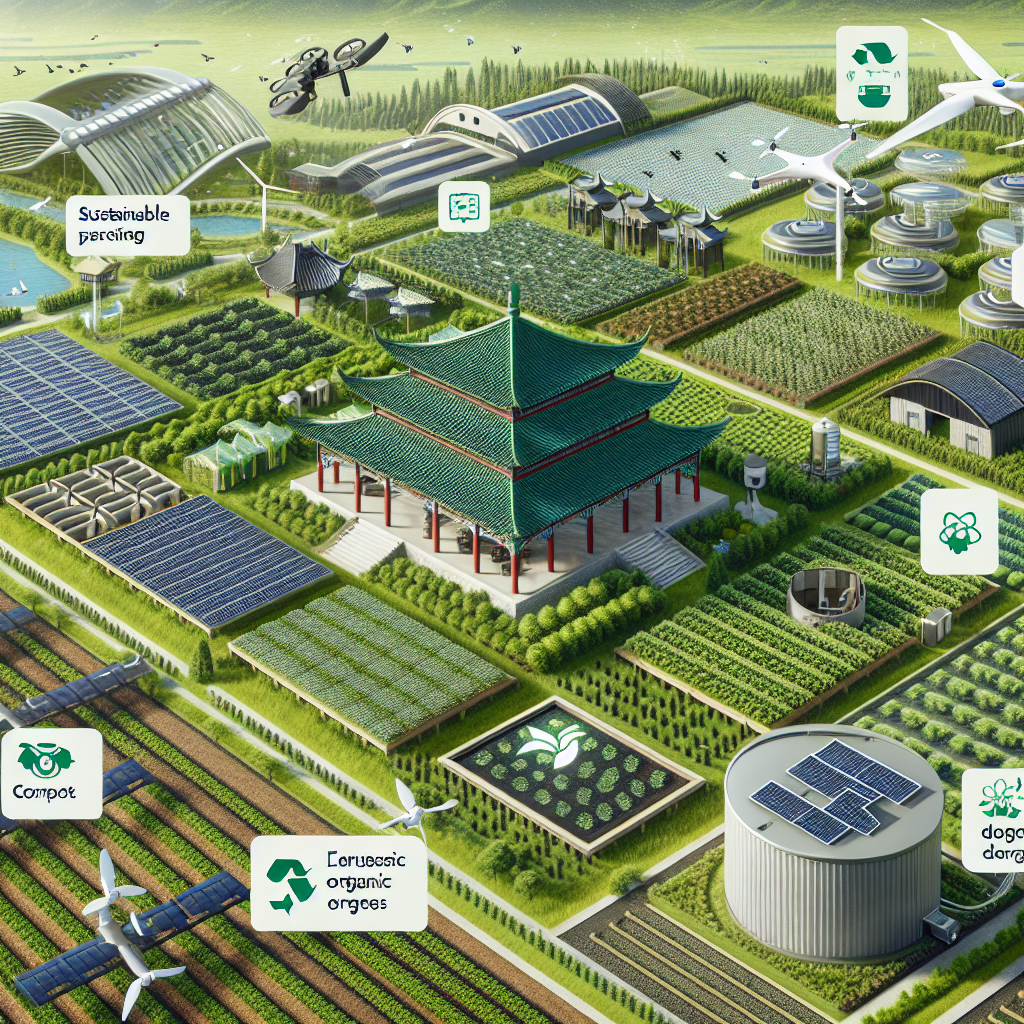
Context of Sustainable Agriculture in China The discussion surrounding sustainable agriculture in China has gained significant traction in recent years, particularly in light of government initiatives aimed at enhancing agricultural practices through biological and environmentally friendly methods. In a recent episode of the Sustainable Podcast by AgriBusiness Global, Ruoyan Li, the Director of Strategy & Development at Chengdu Newsun Crop Science Co., Ltd., elaborates on the dynamics shaping this transformation. The conversation addresses the evolving landscape of sustainable agriculture, detailing the barriers faced by Chinese growers in adopting biological products and the strategies that can be employed to surmount these challenges. Main Goals of Sustainable Agriculture The primary objective of promoting sustainable agriculture in China is to transition from traditional farming practices that heavily rely on chemical inputs toward more sustainable methods that emphasize ecological balance and resource efficiency. This goal can be achieved through several avenues: strong policy frameworks, financial incentives, and education aimed at growers. The Chinese government plays a pivotal role by providing policy guidance and financial backing to enterprises that invest in research and development of biological technologies. These efforts are crucial to fostering innovation and ensuring that agricultural practices meet the evolving needs of farmers. Advantages of Sustainable Agriculture Adoption Enhanced Crop Yields and Nutritional Value: Adoption of biological products, such as biostimulants and bio-plant growth regulators (bio-PGRs), has demonstrated significant potential in enhancing crop yields and nutritional profiles, particularly in high-value crops. Environmental Health: Transitioning to sustainable practices reduces reliance on chemical pesticides, mitigating the risks associated with pesticide resistance and promoting biodiversity. Economic Incentives: Government subsidies for farmers who implement sustainable practices improve economic viability and promote wider acceptance of biological solutions. Long-term Viability: Sustainable agriculture practices contribute to soil health and ecosystem stability, ensuring that agricultural lands remain productive over the long term. However, it is essential to recognize the limitations associated with these advantages. The initial costs of transitioning to biological products can deter smallholder farmers, and the fragmented nature of farming in China complicates the implementation of these practices. Future Implications and the Role of AI Looking ahead, the integration of Artificial Intelligence (AI) into agricultural practices holds immense potential to further enhance the sustainability of farming in China. AI technologies can facilitate precision agriculture by enabling farmers to monitor crop health, optimize resource use, and predict pest infestations. The ability to analyze large datasets can improve decision-making processes, thereby increasing the efficacy of biological products and sustainable practices. Moreover, AI can assist in streamlining regulatory processes, making it easier for new biological products to be approved and adopted. As the agricultural sector continues to evolve, the synergy between sustainable practices and technological advancements will likely play a crucial role in shaping the future of agriculture in China and beyond. Disclaimer The content on this site is generated using AI technology that analyzes publicly available blog posts to extract and present key takeaways. We do not own, endorse, or claim intellectual property rights to the original blog content. Full credit is given to original authors and sources where applicable. Our summaries are intended solely for informational and educational purposes, offering AI-generated insights in a condensed format. They are not meant to substitute or replicate the full context of the original material. If you are a content owner and wish to request changes or removal, please contact us directly. Source link : Click Here

Contextual Overview The recent legal developments surrounding Tyler Robert Buchanan, a prominent member of the cybercrime syndicate known as “Scattered Spider,” highlight the escalating threat of cybercrime in the digital age. Buchanan, a 24-year-old British national, has pleaded guilty to charges of wire fraud conspiracy and aggravated identity theft. His involvement in a coordinated series of text-message phishing attacks during the summer of 2022 enabled Scattered Spider to infiltrate a number of high-profile technology firms, resulting in the theft of tens of millions of dollars in cryptocurrency. This case underscores the growing sophistication of cybercriminal tactics, particularly social engineering strategies that exploit human vulnerabilities within organizations. Objectives of the Original Post The primary objective of the original post is to inform readers about the legal repercussions faced by cybercriminals, particularly those engaged in organized cybercrime. By detailing Buchanan’s actions and the broader implications of the Scattered Spider group, the post aims to raise awareness about the risks associated with cyber threats and the importance of robust cybersecurity measures. This goal can be achieved by disseminating information that not only illustrates the consequences of cybercrime but also emphasizes the need for proactive cybersecurity strategies within organizations. Advantages of Understanding Cybercrime Dynamics Increased Awareness: Understanding the modus operandi of groups like Scattered Spider allows organizations to recognize potential threats and implement appropriate countermeasures. Enhanced Cybersecurity Measures: By studying cases like Buchanan’s, cybersecurity professionals can develop more effective strategies to thwart similar attacks, such as improving employee training on recognizing phishing attempts. Policy Development: Insights from such criminal cases can inform policymakers about the need for more stringent regulations and laws governing cybersecurity practices. Collaboration Opportunities: Awareness of the structures and tactics used by cybercriminals can foster collaboration between private sector cybersecurity experts and law enforcement agencies to combat cybercrime more effectively. Future Implications of AI in Cybersecurity The integration of artificial intelligence (AI) is poised to significantly influence the landscape of cybersecurity. As cybercriminals adopt increasingly sophisticated methods, AI technologies can provide enhanced capabilities for detecting and mitigating threats. For instance, AI can analyze vast amounts of data to identify patterns indicative of phishing attacks or other malicious activities, thereby enabling quicker responses. Furthermore, AI-driven tools can simulate cyberattack scenarios, allowing organizations to fortify their defenses proactively. However, the rise of AI also presents challenges. Cybercriminals may utilize AI to refine their attack strategies, making it essential for cybersecurity experts to stay ahead of these developments. The ongoing evolution of AI technologies demands continuous adaptation and learning within the cybersecurity field, emphasizing the importance of ongoing training and development for professionals. Disclaimer The content on this site is generated using AI technology that analyzes publicly available blog posts to extract and present key takeaways. We do not own, endorse, or claim intellectual property rights to the original blog content. Full credit is given to original authors and sources where applicable. Our summaries are intended solely for informational and educational purposes, offering AI-generated insights in a condensed format. They are not meant to substitute or replicate the full context of the original material. If you are a content owner and wish to request changes or removal, please contact us directly. Source link : Click Here

Introduction The recent acquisition of Libra Technology GmbH by Wolters Kluwer for €90 million reflects a significant trend in the LegalTech and artificial intelligence (AI) sectors. This strategic move comes at a time when the demand for AI-driven legal solutions is escalating, thereby highlighting both the potential and necessity of integrating advanced technologies within legal practice. The acquisition not only marks the culmination of Wolters Kluwer’s two-year investment in Libra but also positions the company to enhance its competitive edge in a rapidly evolving landscape. Main Goals of the Acquisition The primary objective of the acquisition is to leverage Libra’s sophisticated AI technology to bolster Wolters Kluwer’s offerings in legal research, drafting, review, and document analysis. The deal includes an immediate payout of €30 million, with the remainder contingent on performance milestones, indicating a strong commitment to maximizing the potential benefits of this integration. By incorporating Libra’s advanced capabilities, Wolters Kluwer aims to deliver a comprehensive solution that addresses the growing needs of legal professionals for more efficient and accurate tools. Advantages of the Integration Enhanced Efficiency: The incorporation of Libra’s AI technology is expected to streamline legal workflows, allowing practitioners to conduct research, draft documents, and analyze cases with greater speed and accuracy. Access to Advanced Natural Language Processing: Libra’s AI Assistant employs cutting-edge natural language processing (NLP) models, facilitating intuitive interactions with legal texts and improving the quality of insights derived from them. Proven Track Record: With over 800 pilot projects completed and approximately 9,000 users already utilizing the Libra AI Assistant, the technology has demonstrated its effectiveness in real-world legal environments. Strategic Market Positioning: The acquisition enhances Wolters Kluwer’s market position, enabling it to respond effectively to the increasing demand for AI-driven solutions in the legal sector, thereby attracting new clients and retaining existing ones. Focus on Compliance and Accuracy: The development of a high-quality AI research tool aims to set new standards for compliance and accuracy in legal information, which is crucial for legal professionals operating in a highly regulated environment. Considerations and Limitations While the acquisition presents numerous advantages, there are inherent challenges and limitations. The integration process may require significant resources and time, resulting in temporary disruptions. Additionally, as with any AI system, there are concerns regarding the reliability and ethical use of AI in legal contexts, necessitating ongoing oversight and updates to ensure compliance with evolving legal standards. Future Implications of AI in LegalTech The trajectory of AI development within the LegalTech space suggests a transformative impact on legal practice. As AI technologies become more sophisticated, we can anticipate the emergence of tools that will not only enhance efficiency but also deepen the understanding of legal nuances and context. The collaboration between Wolters Kluwer and Libra aims to create an AI that comprehensively understands the intricacies of law, thereby empowering legal professionals to navigate complex legal landscapes more effectively. This evolution will likely reshape the skill sets required in the legal profession, emphasizing the need for continuous learning and adaptation to new technologies. Conclusion The acquisition of Libra Technology by Wolters Kluwer represents a pivotal moment in the convergence of AI and legal practice. By harnessing advanced AI capabilities, Wolters Kluwer is poised to redefine the tools available to legal professionals, ultimately enhancing their effectiveness and service delivery. As the legal landscape continues to evolve, staying abreast of such developments will be crucial for practitioners aiming to leverage technology for competitive advantage. Disclaimer The content on this site is generated using AI technology that analyzes publicly available blog posts to extract and present key takeaways. We do not own, endorse, or claim intellectual property rights to the original blog content. Full credit is given to original authors and sources where applicable. Our summaries are intended solely for informational and educational purposes, offering AI-generated insights in a condensed format. They are not meant to substitute or replicate the full context of the original material. If you are a content owner and wish to request changes or removal, please contact us directly. Source link : Click Here

Context The recent commentary from Dow CEO Jim Fitterling regarding the logistical challenges in the Strait of Hormuz presents a critical examination of the current state of global energy and petrochemical supply chains. With the Strait effectively closed since early March due to geopolitical tensions, the consequences for international trade and commodity pricing have been profound. Fitterling’s assertion that it may take up to 275 days to resolve the backlog underscores the operational complexities involved in restoring normalcy to these vital supply routes. This situation is particularly relevant for financial professionals working in sectors impacted by these disruptions, including finance and fintech, where the integration of artificial intelligence (AI) technologies is becoming increasingly essential. Main Goal and Achievement The primary goal identified in Fitterling’s analysis is to navigate the complex logistical hurdles posed by the disruption in the Strait of Hormuz and to restore the flow of petrochemical and energy supplies. Achieving this goal necessitates a multifaceted approach that includes the clearance of shipping bottlenecks, the repositioning of vessels, and the maintenance of supply chain integrity. Financial professionals can employ scenario planning and data analytics to simulate various recovery timelines and assess the potential financial impacts of continued delays on commodity pricing. Advantages 1. **Improved Scenario Planning**: Financial professionals can utilize AI-driven analytics to develop refined models that predict the timing and financial implications of supply chain disruptions. This data-driven approach enhances decision-making capabilities. 2. **Market Responsiveness**: With timely and accurate information derived from AI tools, firms can react swiftly to fluctuations in pricing and supply, positioning themselves advantageously in the market. 3. **Cost Management**: Enhanced forecasting and predictive analytics can lead to better cost management strategies, allowing companies to mitigate losses associated with supply chain delays. 4. **Risk Assessment**: AI technologies enable more robust risk assessment frameworks, helping financial professionals evaluate potential supply chain vulnerabilities and their impact on market dynamics. 5. **Operational Efficiency**: Streamlined operations through AI can facilitate faster decision-making and resource allocation, thereby reducing the time taken to resolve logistical challenges. Despite these advantages, it is crucial to recognize limitations such as the dependency on accurate data inputs and the inherent uncertainties in geopolitical scenarios that may affect the reliability of AI models. Future Implications As developments in AI continue to evolve, their integration into finance and fintech will likely deepen, particularly in the context of global supply chain management. Financial professionals can expect AI to provide enhanced predictive capabilities that will facilitate faster adaptation to market changes and disruptions. Additionally, the ongoing advancements in machine learning algorithms will enable more sophisticated risk assessments, allowing institutions to navigate future geopolitical uncertainties with greater agility. In conclusion, the current challenges in the Strait of Hormuz, as articulated by Dow’s CEO, highlight the critical need for advanced analytical frameworks in finance and supply chain management. By leveraging AI technologies, financial professionals can better prepare for and respond to the complexities of global trade disruptions, ultimately fostering resilience in their operational strategies. Disclaimer The content on this site is generated using AI technology that analyzes publicly available blog posts to extract and present key takeaways. We do not own, endorse, or claim intellectual property rights to the original blog content. Full credit is given to original authors and sources where applicable. Our summaries are intended solely for informational and educational purposes, offering AI-generated insights in a condensed format. They are not meant to substitute or replicate the full context of the original material. If you are a content owner and wish to request changes or removal, please contact us directly. Source link : Click Here

Context The recent decision by the Dallas Cowboys to draft standout safety Caleb Downs after trading up from the 12th to the 11th position in the NFL Draft illustrates a strategic approach to enhancing team performance through analytics and player evaluation. This decision was influenced by the team’s previous trade involving Micah Parsons, which provided them with additional first-round picks. The Cowboys’ decision-making process is emblematic of a broader trend within sports organizations: leveraging Artificial Intelligence (AI) and advanced analytics to inform talent acquisition strategies. Main Goal and Achievement The primary objective of the Cowboys’ draft strategy was to strengthen their defense by acquiring a player capable of making an immediate impact. This goal can be achieved through meticulous player evaluation processes that utilize AI algorithms to analyze player performance metrics, injury histories, and fit within the team’s existing schemes. By trading up to secure Caleb Downs, who is perceived as a potentially transformative player, the Cowboys are aiming to address their defensive shortcomings and improve overall team performance. Advantages of AI in Sports Analytics Enhanced Decision-Making: AI enables teams to process vast amounts of data rapidly, identifying trends and player performance indicators that may not be immediately apparent through traditional analysis. Injury Prediction and Management: Advanced analytics can provide insights into players’ health, allowing teams to make informed decisions regarding player acquisitions and their potential longevity with the team. Strategic Trade Evaluations: AI can assess the value of trading picks and players, helping teams like the Cowboys determine the most beneficial moves in the draft. Customized Player Development: AI tools can tailor training regimens and game strategies to optimize individual player performance based on their unique skill sets and physical attributes. While these advantages present significant opportunities, it is important to note potential limitations, such as reliance on data quality and the inherent unpredictability of player performance. Future Implications of AI Developments The ongoing integration of AI into sports analytics is poised to reshape the landscape of player evaluation and team management in the NFL and beyond. As AI technologies advance, we can anticipate improved predictive modeling capabilities that will offer deeper insights into player performance, leading to more precise scouting and drafting processes. Furthermore, as organizations increasingly adopt AI-driven methodologies, the competitive advantage held by early adopters may diminish, prompting a rapid evolution in how teams approach talent acquisition and player development. Disclaimer The content on this site is generated using AI technology that analyzes publicly available blog posts to extract and present key takeaways. We do not own, endorse, or claim intellectual property rights to the original blog content. Full credit is given to original authors and sources where applicable. Our summaries are intended solely for informational and educational purposes, offering AI-generated insights in a condensed format. They are not meant to substitute or replicate the full context of the original material. If you are a content owner and wish to request changes or removal, please contact us directly. Source link : Click Here

Context and Background In the rapidly evolving landscape of AI-powered marketing, the deployment of large language models (LLMs) in specialized fields presents significant challenges. The necessity for domain adaptation is paramount, as it allows general-purpose models to be customized for specific high-stakes environments such as healthcare, finance, and legal sectors. However, the conventional methods of adapting these models are often slow, cumbersome, and expensive, leading to inefficiencies in meeting the unique demands of each domain. Main Goal and Achievement Strategy The primary goal of the AutoAdapt framework is to streamline the domain adaptation process for large language models, transforming it into a more automated and efficient engineering discipline. This is achieved through a structured approach that automates the planning, strategy selection, and tuning processes while considering real-world constraints such as accuracy, latency, and budget. By employing a systematic configuration graph and an optimization loop, AutoAdapt enables teams to develop domain-specific models rapidly and reliably, thereby enhancing the overall effectiveness of AI implementations in marketing. Advantages of AutoAdapt Efficiency in Model Deployment: AutoAdapt significantly reduces the time required for model adaptation from weeks to mere minutes, allowing marketers to respond rapidly to changing market conditions. Cost-Effectiveness: By optimizing the adaptation process, AutoAdapt minimizes additional costs associated with model training and deployment, making it financially viable for organizations to implement advanced AI solutions. Improved Reliability: The framework enhances the reliability of models by providing a reproducible workflow that adheres to domain-specific requirements, thus reducing the risk of model drift and performance degradation. Data-Driven Decision Making: AutoAdapt’s structured decision-making process leverages best practices, enabling teams to make informed choices about model adaptation strategies based on empirical evidence. Limitations and Caveats While AutoAdapt offers numerous advantages, it is important to acknowledge certain limitations. The framework’s reliance on the quality and quantity of domain data can impact its effectiveness. Additionally, the complexity of specific domain requirements may still necessitate some degree of manual intervention, particularly in nuanced scenarios where human oversight is critical. Future Implications The advancements in AI technologies, particularly through frameworks like AutoAdapt, are poised to revolutionize the marketing landscape. As organizations increasingly adopt AI-driven solutions, the need for efficient domain adaptation will grow, pushing the industry towards more automated and standardized practices. The continuous evolution of machine learning techniques will likely lead to even more sophisticated adaptation strategies, enabling marketers to harness the full potential of LLMs in various applications, from customer engagement to content generation. Disclaimer The content on this site is generated using AI technology that analyzes publicly available blog posts to extract and present key takeaways. We do not own, endorse, or claim intellectual property rights to the original blog content. Full credit is given to original authors and sources where applicable. Our summaries are intended solely for informational and educational purposes, offering AI-generated insights in a condensed format. They are not meant to substitute or replicate the full context of the original material. If you are a content owner and wish to request changes or removal, please contact us directly. Source link : Click Here


