
Contextual Overview of Recent Linux Kernel Vulnerabilities In recent weeks, the Linux operating system has been plagued by a series of significant kernel vulnerabilities, culminating in a newly identified flaw dubbed “ssh-keysign-pwn.” This vulnerability, discovered by security researchers at Qualys, enables unauthorized users to gain access to highly sensitive files, including Secure Shell (SSH) host private keys and shadow password files. The implications of this flaw are profound, as it does not merely represent a singular security breach but rather a pattern of systemic vulnerabilities within the Linux kernel that has emerged over a short span of time. Such vulnerabilities underscore the urgent need for robust cybersecurity measures, particularly as they pertain to SSH authentication mechanisms. Main Goal and Achievement Strategies The primary objective highlighted in discussions surrounding the “ssh-keysign-pwn” vulnerability is the urgent necessity for system administrators and cybersecurity experts to implement timely security patches and updates. This can be achieved through immediate upgrading to Linux kernel versions that eliminate the vulnerability, specifically those released after May 14, 2026. Failure to address this flaw can expose systems to significant risks, including unauthorized access and potential data breaches. By actively monitoring operating environments for updates and deploying patches as soon as they become available, organizations can significantly mitigate their risk profile. Advantages of Addressing Kernel Vulnerabilities Enhanced Security Posture: Immediate patching of vulnerabilities protects sensitive data from unauthorized access and exploitation, thereby strengthening an organization’s overall security framework. Improved System Integrity: Regular updates and patches reinforce the integrity of the operating system, ensuring that systems function as intended without the risk of exploitation by malicious actors. Trust and Compliance: Maintaining updated security protocols helps organizations comply with regulatory requirements and fosters trust among users and stakeholders. Proactive Threat Mitigation: By addressing vulnerabilities swiftly, organizations can prevent potential breaches before they occur, thereby reducing the overall impact of security incidents. Future Implications of AI in Cybersecurity The rapid advancements in artificial intelligence (AI) are poised to significantly impact the cybersecurity landscape, particularly in relation to vulnerability management in operating systems like Linux. AI-driven solutions can enhance threat detection and response capabilities, enabling organizations to identify vulnerabilities like “ssh-keysign-pwn” more swiftly and accurately. Furthermore, AI can facilitate automated patch management, ensuring that systems are updated with the latest security measures without the need for extensive manual intervention. However, the integration of AI into cybersecurity also raises critical challenges, including the potential for adversaries to leverage AI technologies for malicious purposes. As AI continues to evolve, cybersecurity experts must remain vigilant, adapting their strategies to address emerging threats while harnessing the benefits that AI offers in terms of efficiency and effectiveness in securing digital environments. Disclaimer The content on this site is generated using AI technology that analyzes publicly available blog posts to extract and present key takeaways. We do not own, endorse, or claim intellectual property rights to the original blog content. Full credit is given to original authors and sources where applicable. Our summaries are intended solely for informational and educational purposes, offering AI-generated insights in a condensed format. They are not meant to substitute or replicate the full context of the original material. If you are a content owner and wish to request changes or removal, please contact us directly. Source link : Click Here

Introduction The ongoing legal proceedings surrounding the Musk v. Altman case have illuminated critical issues within the artificial intelligence (AI) sector, particularly concerning the ethical and operational frameworks of organizations like OpenAI. As AI technologies continue to permeate various industries, including finance and fintech, the implications of this trial extend beyond the courtroom into the practices and responsibilities of financial professionals. This blog post aims to contextualize the significance of the Musk v. Altman case, analyze its implications for the AI landscape in finance, and elucidate how financial professionals can navigate these emerging challenges. Context and Significance of the Musk v. Altman Case The Musk v. Altman trial underscores a pivotal moment in the evolution of AI organizations, particularly those transitioning from nonprofit to for-profit models. Elon Musk’s allegations against OpenAI, including breaches of fiduciary duty and failure to adhere to nonprofit principles, raise fundamental questions about the governance and accountability of AI entities. As the jury prepares to deliberate, the outcome will serve as a benchmark for the legal expectations placed on AI organizations, especially those involved in financial applications. Main Goals and Achievements The primary goal of the Musk v. Altman case is to establish a legal precedent regarding the responsibilities of AI companies in maintaining ethical practices while pursuing profitability. Achieving this goal entails determining whether OpenAI’s transition to a for-profit model constituted a breach of trust with its stakeholders, particularly its early supporters like Musk. The case, therefore, aims not only to address Musk’s claims but also to set a standard for future AI ventures, particularly in how they balance innovation with ethical obligations. Advantages for Financial Professionals Enhanced Accountability: The legal outcomes of the Musk v. Altman case could lead to more stringent regulations governing AI in finance, enhancing accountability and ethical standards within the industry. This development could foster greater trust among clients and investors. Improved Compliance Strategies: Financial professionals may benefit from clearer compliance frameworks that emerge from the case, enabling them to align their practices with evolving legal standards in AI application. Guidance on Ethical AI Use: The trial highlights the need for ethical considerations in AI deployment, guiding financial professionals on how to responsibly integrate AI technologies into their strategies and operations. Informed Decision-Making: Understanding the implications of the trial can empower financial professionals to make informed decisions about partnerships with AI firms, ensuring alignment with ethical practices and regulatory compliance. Caveats and Limitations While the potential advantages are significant, it is essential to recognize the limitations inherent in the legal outcomes of the Musk v. Altman case. The advisory nature of the jury’s verdict means that ultimate decisions may still vary based on judicial interpretations. Additionally, the rapidly evolving nature of AI technologies may outpace the regulatory frameworks developed in response to this case, necessitating ongoing adaptation by financial professionals. Future Implications of AI in Finance The implications of ongoing AI developments in finance are profound. As AI technologies continue to advance, financial institutions will increasingly rely on AI for data analysis, risk assessment, and compliance monitoring. However, the Musk v. Altman case serves as a cautionary tale, emphasizing the need for ethical governance and transparent operational practices. Future developments may lead to more robust regulatory frameworks that ensure AI technologies are deployed responsibly, fostering innovation while safeguarding stakeholder interests. Conclusion The Musk v. Altman trial exemplifies a critical intersection between legal accountability and technological innovation within the AI sector. As the jury deliberates and the implications unfold, financial professionals must remain vigilant and adaptive to the evolving landscape shaped by these proceedings. By understanding the lessons from this case, they can better navigate the challenges and opportunities presented by AI technologies in finance. Disclaimer The content on this site is generated using AI technology that analyzes publicly available blog posts to extract and present key takeaways. We do not own, endorse, or claim intellectual property rights to the original blog content. Full credit is given to original authors and sources where applicable. Our summaries are intended solely for informational and educational purposes, offering AI-generated insights in a condensed format. They are not meant to substitute or replicate the full context of the original material. If you are a content owner and wish to request changes or removal, please contact us directly. Source link : Click Here
Context of Generative Engine Optimization The landscape of brand discovery is undergoing a rapid transformation, influenced significantly by advancements in artificial intelligence (AI). Marketers are increasingly recognizing that consumer behavior is shifting towards channels where brands either gain visibility through AI-generated responses or risk becoming invisible. This phenomenon is encapsulated in the concept of Generative Engine Optimization (GEO), which emphasizes the need for marketers to structure their content and digital presence so that AI platforms, such as ChatGPT, Google AI, and others, can effectively understand, cite, and recommend their brands. Unlike traditional Search Engine Optimization (SEO), which primarily relies on link-based rankings, GEO prioritizes structured data and machine-readable content, enhancing the efficacy of existing SEO strategies rather than replacing them. Main Goals of Generative Engine Optimization The principal aim of GEO is to secure a tangible and measurable advantage in brand visibility within AI-generated content. This can be achieved by adopting strategies that enhance the machine-readability of digital assets, thereby ensuring that brands are cited in responses generated by AI platforms. Marketers are encouraged to embrace GEO by integrating structured data, utilizing schema markup, and focusing on content formats that align with user queries. By doing so, they can effectively navigate the complexities of AI visibility and leverage it to drive higher-quality traffic to their websites. Advantages of Generative Engine Optimization Enhanced Visibility in AI Responses: GEO allows brands to appear directly within AI-generated answers, significantly increasing the chances of engagement at a moment of high purchase intent. Higher-Quality Leads: Traffic driven by AI referrals tends to exhibit stronger purchase intent, resulting in improved conversion rates compared to traditional organic search. Studies have shown that leads from AI interactions convert at rates up to 4.4 times higher. Increased Brand Authority: Being cited by AI as a trusted source enhances a brand’s perceived authority, which can lead to greater consumer trust and loyalty. Compound Authority Across Platforms: Successful citations in one AI platform can boost visibility across multiple platforms, creating a cycle of increased authority and visibility. Measurable Performance Metrics: GEO introduces new key performance indicators (KPIs) that allow marketers to assess their AI visibility effectively, such as citation frequency and share of voice in AI-generated content. Optimized Content ROI: Existing content can be repurposed and optimized for GEO, allowing marketers to unlock additional visibility without significant new investment. Caveats and Limitations While the benefits of GEO are compelling, several challenges must be navigated. The complexity of tracking AI visibility can pose a significant barrier, as traditional metrics may not accurately reflect performance in this new landscape. Additionally, there are risks associated with AI hallucinations, where the AI may generate inaccurate or misleading information about the brand. Furthermore, implementing structured data and schema markup can require technical expertise that some marketing teams may lack. Future Implications of AI Developments on Marketing The ongoing evolution of AI will undoubtedly shape the future of marketing strategies. As AI technologies become more sophisticated, the demand for structured and machine-readable content will increase. Marketers who proactively adopt GEO strategies will not only enhance their brand visibility but also position themselves to adapt to future trends in consumer behavior and technology. The integration of AI into the marketing ecosystem will likely lead to more personalized and contextually relevant advertising, thereby fostering deeper connections between brands and consumers. Disclaimer The content on this site is generated using AI technology that analyzes publicly available blog posts to extract and present key takeaways. We do not own, endorse, or claim intellectual property rights to the original blog content. Full credit is given to original authors and sources where applicable. Our summaries are intended solely for informational and educational purposes, offering AI-generated insights in a condensed format. They are not meant to substitute or replicate the full context of the original material. If you are a content owner and wish to request changes or removal, please contact us directly. Source link : Click Here
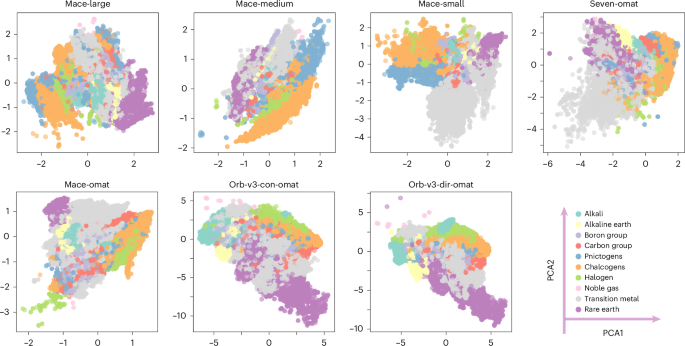
Contextualizing Machine Learning in Smart Manufacturing and Robotics The integration of machine learning interatomic potentials (MLIPs) into smart manufacturing and robotics is revolutionizing how industrial technologists approach materials design and production processes. By leveraging advanced ML models, such as those represented in the study of Platonic representation, various architectures can be employed to enhance energy efficiency and promote sustainability in manufacturing operations. These models utilize diverse datasets to yield insights into material properties, thereby facilitating the design of more effective and innovative manufacturing processes. In the context of smart manufacturing, the challenge lies in aligning incompatible representations derived from different ML approaches. The analysis of seven foundational MLIPs, each embodying unique architectures and datasets for energy conservation, illustrates the need for a unified representation that enables meaningful comparisons across models. This alignment is crucial for harnessing the full potential of machine learning in developing new materials and optimizing manufacturing workflows. Main Goal and Achievement Strategies The primary goal of the Platonic representation framework is to establish a cohesive and standardized method for comparing different machine learning models in terms of their interatomic potentials. This can be achieved through the construction of a unified latent space that accommodates model agnosticism, geometric faithfulness, sufficient diversity, and robustness. To attain this goal, four key strategies are implemented: 1. **Model Agnosticism**: The approach must function independently of the internal workings of individual models. 2. **Geometric Faithfulness**: The representation should preserve the relative distances and neighborhood relationships among atomic environments. 3. **Diversity**: The framework must encompass a wide chemical space to effectively distinguish between chemically diverse environments. 4. **Robustness**: The representation must be invariant to random seed choices and anchor permutations, ensuring that structural insights remain consistent across model variations. Advantages of Unified Representation 1. **Improved Comparability**: By creating a common coordinate system, models can be directly compared, allowing technologists to select the most effective MLIP for specific applications. This is supported by evidence that even minimal anchor sets can align embeddings across different architectures. 2. **Enhanced Predictive Power**: A unified representation captures essential chemical trends and relationships, thereby improving the models’ predictive capabilities. The study highlights how utilizing various sampling strategies, such as DIRECT sampling, can lead to better coverage and representation of chemical landscapes. 3. **Facilitation of Model Interoperability**: The framework allows for seamless integration and compatibility between different ML models. This can lead to more versatile applications in manufacturing, as models can be combined to leverage their strengths. 4. **Robustness Against Variability**: The proposed representation framework ensures that variations in training setup do not compromise the integrity of the results. It offers a method to detect deviations and assess the reliability of different models. 5. **Ground-Truth-Free Assessment**: By utilizing manifold geometry, the framework provides a means to evaluate structural typicality without relying on pre-defined labels, which can be particularly beneficial in exploratory research scenarios. Future Implications of AI Developments The evolution of artificial intelligence and machine learning is poised to significantly impact the field of smart manufacturing and robotics. As AI technologies continue to advance, the capabilities of MLIPs are expected to improve, leading to more accurate and efficient predictive models. This will enable industrial technologists to innovate at an unprecedented pace, ultimately enhancing productivity and sustainability in manufacturing processes. Furthermore, the ongoing development of AI will facilitate more sophisticated algorithms capable of analyzing complex data sets, thereby unlocking new insights into material properties and behaviors. This could lead to the discovery of novel materials with superior characteristics, further pushing the boundaries of what is achievable in smart manufacturing. In conclusion, the integration of Platonic representation in MLIPs offers a pathway to enhance the comparability, predictive power, and robustness of machine learning models in the manufacturing sector. As AI continues to evolve, its influence on material science and manufacturing will undoubtedly expand, fostering a new era of innovation and efficiency in industrial processes. Disclaimer The content on this site is generated using AI technology that analyzes publicly available blog posts to extract and present key takeaways. We do not own, endorse, or claim intellectual property rights to the original blog content. Full credit is given to original authors and sources where applicable. Our summaries are intended solely for informational and educational purposes, offering AI-generated insights in a condensed format. They are not meant to substitute or replicate the full context of the original material. If you are a content owner and wish to request changes or removal, please contact us directly. Source link : Click Here

Contextual Overview The landscape of biotechnology is undergoing a transformative evolution, driven by advancements in cell therapy and the emerging role of artificial intelligence (AI) in health and medicine. Notably, companies like CREATE Medicines are pioneering innovative therapies, exemplified by their recent fundraising of $122 million aimed at developing in vivo CAR-T therapies for autoimmune diseases. Such endeavors highlight a significant shift in the focus of cell therapies beyond oncology, signaling an expansion of treatment modalities that can potentially benefit a wider range of patients. In parallel to these scientific advancements, the political environment surrounding regulatory agencies, such as the U.S. Food and Drug Administration (FDA), is also in flux. The ongoing search for a new FDA commissioner under the Trump administration indicates potential shifts in regulatory policy that could directly affect the approval processes for new biotechnological therapies. Together, these elements underscore the dynamic interplay between scientific innovation and regulatory frameworks, which HealthTech professionals must navigate carefully. Main Goal and Achieving It The primary goal articulated in the recent developments within the biotechnology sector is to enhance the therapeutic landscape through innovative cell therapies while ensuring that regulatory bodies adapt to these advancements. Achieving this goal requires a multifaceted approach that includes robust scientific research, strategic funding, and active engagement with regulatory agencies. HealthTech professionals play a crucial role in this process, serving as intermediaries who facilitate communication between researchers, investors, and regulatory authorities to streamline the path from laboratory to clinic. Advantages of Current Developments Expanded Therapeutic Applications: The diversification of cell therapies beyond cancer treatment promises to address unmet medical needs in autoimmune diseases and other conditions, potentially improving patient outcomes. Increased Investment: Significant funding, as evidenced by CREATE Medicines’ $122 million raise, catalyzes research and development, enabling more rapid advancements in therapeutic options. AI Integration: The incorporation of AI technologies can enhance the efficiency of drug discovery and development processes, allowing for more personalized medicine approaches and better patient stratification. Regulatory Adaptation: As regulatory bodies begin to evolve, there is an opportunity for HealthTech professionals to influence policy frameworks that can accommodate innovative therapies while ensuring patient safety. However, it is important to acknowledge that challenges remain, including the complexities of regulatory approval and the need for extensive clinical validation for new therapies. Additionally, the ethical implications of AI in health care must be carefully considered to avoid biases in treatment recommendations. Future Implications of AI in Biotech As AI technologies continue to evolve, their integration into the biotechnology sector is likely to reshape the landscape of health and medicine significantly. Future developments may include enhanced predictive analytics for patient outcomes, more sophisticated biomarker identification, and streamlined clinical trial processes. Furthermore, AI is poised to facilitate real-time data analysis, enabling more adaptive and responsive therapeutic strategies. For HealthTech professionals, staying abreast of these advancements will be critical. Embracing AI not only enhances operational efficiencies but also positions professionals to leverage new insights that can lead to innovative therapeutic solutions. The ongoing collaboration between biotech companies and AI developers will be paramount in navigating this complex ecosystem, ultimately driving a new era of health care that is more personalized, efficient, and effective. Disclaimer The content on this site is generated using AI technology that analyzes publicly available blog posts to extract and present key takeaways. We do not own, endorse, or claim intellectual property rights to the original blog content. Full credit is given to original authors and sources where applicable. Our summaries are intended solely for informational and educational purposes, offering AI-generated insights in a condensed format. They are not meant to substitute or replicate the full context of the original material. If you are a content owner and wish to request changes or removal, please contact us directly. Source link : Click Here

Context of AI Governance in Legal Teams Recent research conducted by Icertis reveals significant concerns regarding the governance of artificial intelligence (AI) within legal teams. A survey involving over 1,000 U.S. corporate legal practitioners indicated that nearly 50% of in-house legal professionals might not recognize unauthorized or erroneous actions executed by AI agents until after they occur—often taking days or weeks for detection. This finding underscores a critical governance gap that has emerged alongside the increasing autonomy of AI tools. While a substantial majority of respondents utilize AI primarily in supportive roles, approximately 25% reported that AI occasionally undertakes tasks independently. Alarmingly, nearly 10% of participants indicated that human oversight of AI activities is an exception rather than the norm. This growing trend of autonomous AI usage raises pressing questions about accountability, oversight, and the adequacy of existing governance frameworks. Main Goal of Enhanced AI Governance The primary objective derived from the original survey findings is to establish a robust governance framework for AI agents within legal departments. Achieving this goal requires the development of comprehensive and documented AI policies that account for the autonomous actions of these agents. As indicated in the survey, only 23% of legal teams currently possess such policies, while 60% expressed confidence that their existing frameworks would be prepared to manage AI agents within the next 12 to 24 months. This reflects an urgent need for legal teams to prioritize the creation of governance structures that can effectively oversee AI operations. Advantages of Improved AI Governance Enhanced Detection of AI Errors: Implementing comprehensive governance measures can significantly improve the detection of unauthorized actions by AI agents, reducing the lag time between occurrence and identification. Increased Accountability: A well-defined policy framework clarifies accountability. The survey revealed that opinions on responsibility for AI errors were divided, indicating the necessity for explicit policies to delineate roles. Confidence in AI Accuracy: Only 26% of respondents felt very confident in the accuracy of AI for critical decisions. Improved governance can augment trust in AI outputs by ensuring they meet established benchmarks for reliability. Real-Time Monitoring: Currently, only 39% of legal professionals have confidence in real-time visibility of AI actions. Enhanced governance frameworks can facilitate better monitoring practices, allowing for timely interventions when necessary. Data Connectivity and Integration: The survey highlighted concerns about the data connectivity of AI systems. Robust governance can promote the integration of AI tools with other business systems, ensuring seamless data flow and enhancing the overall functionality. Limitations and Considerations While the advantages of improved AI governance are compelling, several caveats must be acknowledged. The rapid pace of AI innovation poses challenges for existing governance structures, which may lag in their ability to adapt. Moreover, the reliance on human judgment in assessing AI outputs, as indicated by nearly half of the respondents, suggests that governance frameworks must not only focus on AI capabilities but also on enhancing the skills of legal professionals to interpret AI-generated data effectively. Future Implications of AI in Legal Practice The trajectory of AI development is poised to significantly impact legal practices in the coming years. As AI tools continue to evolve and become more autonomous, the legal sector will need to establish more sophisticated governance mechanisms to manage these advancements. The integration of contract data as a governance layer, as advocated by Icertis, may emerge as a vital strategy for enhancing AI accountability and accuracy. By leveraging contract intelligence, legal teams can provide AI agents with the contextual understanding necessary for effective decision-making. Furthermore, as reliance on AI systems increases across various legal functions, the demand for comprehensive training and education in AI governance will become paramount. Legal professionals will need to equip themselves with the knowledge and skills required to navigate the complexities of AI deployment, ensuring that they can harness the benefits of these technologies while mitigating potential risks. Disclaimer The content on this site is generated using AI technology that analyzes publicly available blog posts to extract and present key takeaways. We do not own, endorse, or claim intellectual property rights to the original blog content. Full credit is given to original authors and sources where applicable. Our summaries are intended solely for informational and educational purposes, offering AI-generated insights in a condensed format. They are not meant to substitute or replicate the full context of the original material. If you are a content owner and wish to request changes or removal, please contact us directly. Source link : Click Here

Context and Overview In the rapidly evolving landscape of technology, storage solutions have become a critical focal point for both consumers and industry professionals. A notable example is the current promotion at Best Buy offering a significant 65% discount on the 4TB WD Black SN850X SSD. This promotional pricing brings the cost down to approximately $600, a reduction of over $1,100 from its original price. Such discounts present an opportune moment for individuals and businesses looking to upgrade their systems without the burden of exorbitant costs, especially following the recent fluctuations in market pricing attributed to advancements in artificial intelligence. Main Goal and Achievement The primary objective highlighted in the original commentary revolves around the accessibility of high-capacity storage solutions, particularly the WD Black SN850X SSD. Achieving this goal involves capitalizing on current market discounts to procure top-tier storage technology at competitive prices. This is particularly relevant for software engineers and technology enthusiasts who may have delayed upgrades due to previous high costs. By leveraging these sales opportunities, stakeholders can enhance their computing capabilities, thereby improving performance in various applications, including gaming and data-intensive tasks. Advantages of Upgrading to the WD Black SN850X SSD Substantial Cost Savings: The current promotional discount effectively reduces the financial barrier to acquiring a high-performance SSD. This is particularly advantageous for software engineers who require reliable storage solutions for development environments. Enhanced Performance: The SN850X offers impressive read and write speeds of 7300 MB/s and 6600 MB/s, respectively. These speeds facilitate faster loading times for applications and games, which can significantly improve productivity and user experience. Scalability: Available in multiple capacities (1TB, 2TB, 4TB, and 8TB), the SN850X allows users to select the most appropriate size for their needs, accommodating future growth without necessitating immediate further investment. Endurance and Reliability: With a rated endurance of up to 2400TB, the SN850X can withstand extensive data usage, making it a robust choice for both personal and professional applications. Caveats and Limitations While the promotional price offers significant benefits, potential buyers should consider a few limitations. The initial investment, even at a discounted rate, may still be prohibitive for some consumers. Additionally, the high-performance capabilities of the SN850X may be unnecessary for users with basic storage needs, suggesting that evaluating one’s specific requirements is essential before purchase. Future Implications of AI Developments Looking ahead, the integration of artificial intelligence into storage technologies is likely to yield transformative impacts on performance, efficiency, and data management. As AI continues to advance, we may anticipate the development of more intelligent storage solutions that optimize data retrieval processes and enhance overall system performance. This evolution will further drive down costs and improve accessibility to high-capacity storage options, making it increasingly feasible for software engineers and tech enthusiasts to adopt state-of-the-art technology in their workflows. Disclaimer The content on this site is generated using AI technology that analyzes publicly available blog posts to extract and present key takeaways. We do not own, endorse, or claim intellectual property rights to the original blog content. Full credit is given to original authors and sources where applicable. Our summaries are intended solely for informational and educational purposes, offering AI-generated insights in a condensed format. They are not meant to substitute or replicate the full context of the original material. If you are a content owner and wish to request changes or removal, please contact us directly. Source link : Click Here

Contextualizing Data Utilization in Agriculture The discourse surrounding the integration of artificial intelligence and machine learning in agriculture often overshadows a critical underlying issue: the prevalent reluctance among farmers to engage with data-driven methodologies—a phenomenon aptly termed “data phobia.” This reluctance stems not from a lack of intelligence or willingness, but rather from a systemic gap in education regarding data’s intrinsic value and utility. Within the agricultural sector, many practitioners continue to rely on intuition and traditional practices, thus stifling the potential for enhanced productivity and innovation. This inertia is exacerbated by the historical absence of structured education that elucidates what data entails, how it functions, and its significant role in decision-making processes. Consequently, addressing this data phobia transcends mere technical solutions; it necessitates a comprehensive approach to foster a culture of data literacy and analytical thinking among agricultural stakeholders. Main Goal and Pathways to Achievement The primary objective articulated in the original content is to dismantle the barriers of data phobia within the agricultural community. Achieving this goal involves a systematic effort to educate farmers and agronomists on the principles of data interpretation, statistical analysis, and the implications of data-driven decision-making. By empowering these stakeholders with foundational knowledge in data literacy, the agriculture sector can unlock the potential for substantial productivity gains and more sustainable practices. Advantages of Overcoming Data Phobia Enhanced Decision-Making: Farmers equipped with data literacy can make informed decisions based on measurable evidence, leading to improved crop yields and resource management. Increased Nutritional Value: Understanding the relationship between farming practices and nutritional outcomes enables growers to optimize methods that enhance food quality. Collaboration and Innovation: A culture of data fluency fosters collaboration among stakeholders, driving innovation and the development of more effective agricultural technologies. Consumer Trust: By demonstrating a commitment to data-driven practices, agricultural producers can enhance consumer confidence in the nutritional quality of their products. Cost Efficiency: Data-informed practices can reduce waste and improve operational efficiency, leading to lower production costs and increased profitability. However, it is essential to acknowledge that the transition to a data-driven culture must be approached with caution. The introduction of new technologies without adequate training can lead to confusion and mistrust among farmers, potentially exacerbating existing challenges rather than alleviating them. Future Implications of AI Developments The future landscape of agriculture is poised for transformation through the continued advancement of artificial intelligence and machine learning technologies. As these tools become more integrated into farming practices, the demand for data literacy will only intensify. AI has the potential to analyze vast datasets and produce actionable insights that can revolutionize farming methodologies. However, for farmers to fully leverage these advancements, they must first overcome their apprehension towards data. Furthermore, the evolution of AI in agriculture will necessitate ongoing education and training programs that are not vendor-specific but rather focus on cultivating a broad understanding of data principles. This approach will empower farmers to interpret AI-generated insights critically and apply them effectively in their operations, ultimately leading to a more resilient and sustainable agricultural system. Disclaimer The content on this site is generated using AI technology that analyzes publicly available blog posts to extract and present key takeaways. We do not own, endorse, or claim intellectual property rights to the original blog content. Full credit is given to original authors and sources where applicable. Our summaries are intended solely for informational and educational purposes, offering AI-generated insights in a condensed format. They are not meant to substitute or replicate the full context of the original material. If you are a content owner and wish to request changes or removal, please contact us directly. Source link : Click Here

Contextual Overview of Advanced Account Security in AI In a rapidly evolving digital landscape, the security of personal and professional accounts, particularly those associated with artificial intelligence platforms such as ChatGPT and Codex, has become paramount. OpenAI’s recent announcement regarding the implementation of an optional “Advanced Account Security” feature reflects the growing concern over cyber threats targeting sensitive user data. This initiative is particularly relevant for individuals who utilize AI for high-stakes endeavors, including journalists, political figures, and researchers, who may face elevated risks of account compromise. OpenAI’s Advanced Account Security introduces stringent access controls designed to fortify account defenses against potential takeover attempts, marking a significant advancement in the domain of cybersecurity. Main Goals of Advanced Account Security The primary objective of OpenAI’s Advanced Account Security is to enhance user protection by mitigating the risks associated with account takeovers. This is achieved through the introduction of physical security keys and passkeys, which replace traditional password-based authentication methods. By eliminating reliance on potentially vulnerable recovery options such as email and SMS, OpenAI aims to establish a more robust security framework that significantly reduces the likelihood of phishing attacks. This initiative is not merely a response to the proliferation of AI technologies but is part of a broader cybersecurity strategy aimed at safeguarding sensitive information in an increasingly interconnected world. Advantages of Implementing Advanced Account Security 1. **Enhanced Security Protocols**: The requirement for physical security keys or passkeys provides a stronger defense against phishing attacks. This measure effectively creates a multi-factor authentication (MFA) environment, reducing the risk of unauthorized access. 2. **Elimination of Vulnerable Recovery Options**: By removing traditional recovery routes, OpenAI prevents attackers from exploiting support channels through social engineering tactics. This change ensures that only users who possess the necessary recovery keys can regain access to their accounts. 3. **Increased User Awareness and Control**: The introduction of alerts for each login attempt allows users to monitor their account activity closely. This feature provides an additional layer of awareness, enabling users to detect and respond to suspicious activities promptly. 4. **Default Privacy Settings**: For users opting into Advanced Account Security, conversations are automatically excluded from being used for model training. This default setting reinforces user privacy and control over personal data. 5. **Support for Cybersecurity Professionals**: The requirement for members of OpenAI’s Trusted Access for Cyber program to enable Advanced Account Security signifies a commitment to implementing best practices in cybersecurity protocols. This ensures that professionals in the field are equipped with the necessary tools to safeguard sensitive information effectively. Caveats and Limitations While the Advanced Account Security feature presents numerous advantages, it is essential to acknowledge certain limitations. Users must adapt to the new authentication methods, which may introduce initial challenges, especially for those accustomed to traditional password systems. Furthermore, the inability to seek assistance from OpenAI’s support team during account recovery may deter some users from enabling this feature, particularly those who may not have robust security practices already in place. Future Implications of AI in Cybersecurity Looking ahead, the integration of artificial intelligence in cybersecurity is poised to transform the landscape significantly. As AI technologies continue to advance, they will likely enable more sophisticated security mechanisms, facilitating proactive threat detection and response. The emergence of AI-driven security solutions may automate many aspects of account security, providing enhanced protection while simultaneously reducing the burden on users to manage their security practices. Moreover, as AI services become increasingly mainstream, the demand for comprehensive security measures will escalate, necessitating collaboration between AI developers and cybersecurity experts. This partnership will be vital in addressing emerging threats and ensuring that innovations in AI are accompanied by equally robust security protocols to protect sensitive user data. In conclusion, the introduction of OpenAI’s Advanced Account Security illustrates a proactive approach to safeguarding user accounts in an era defined by increasing cyber threats. By implementing advanced security measures, OpenAI sets a precedent for other technology companies to follow, highlighting the importance of prioritizing user safety in the rapidly evolving field of artificial intelligence. Disclaimer The content on this site is generated using AI technology that analyzes publicly available blog posts to extract and present key takeaways. We do not own, endorse, or claim intellectual property rights to the original blog content. Full credit is given to original authors and sources where applicable. Our summaries are intended solely for informational and educational purposes, offering AI-generated insights in a condensed format. They are not meant to substitute or replicate the full context of the original material. If you are a content owner and wish to request changes or removal, please contact us directly. Source link : Click Here

Contextual Overview The geopolitical dynamics surrounding U.S.-China relations have profound implications for global markets, particularly in the context of the ongoing tensions surrounding Iran. Recent discussions indicate that the forthcoming summit between U.S. President Donald Trump and Chinese President Xi Jinping will heavily center on the Iran conflict, potentially overshadowing critical economic issues such as tariffs and rare earth mineral supplies. These developments occur against the backdrop of a complex global economic landscape where the intersection of political decisions and financial markets necessitates a keen understanding of AI’s role in finance and FinTech. Main Goals and Their Achievement The primary goal emerging from the context of the summit is to navigate the intricate balance between geopolitical stability and economic growth. Achieving this goal requires focused dialogue on mitigating tensions, particularly the Iranian conflict, while simultaneously fostering an environment conducive to trade and investment. Successful negotiation strategies could lead to decreased tariffs and improved access to critical resources, including rare earth elements essential for advanced technology applications in finance and FinTech. The convergence of these discussions could facilitate a more stable market environment, benefiting financial professionals by providing clearer operational frameworks. Advantages of Resolution and Negotiation Increased Market Stability: A successful resolution to geopolitical tensions can lead to enhanced market stability. As evidenced by past trends, geopolitical clarity supports investor confidence and can lead to stock market gains. Improved Trade Relations: Engagement at the summit may lead to enhanced trade relations between the U.S. and China, which is crucial for American corporations reliant on Chinese manufacturing and markets. Access to Rare Earth Elements: Resolving trade disputes could facilitate more predictable access to rare earth minerals, vital for the production of AI technologies that underpin financial services. Focus on Collaborative Technologies: Addressing mutual concerns regarding technology access and cooperation on issues such as AI can pave the way for advancements that enhance operational efficiency in financial services. Potential for Increased Investment: Successful diplomatic engagements can stimulate increased investments in both nations, leading to a broader economic impact that benefits financial professionals. Caveats and Limitations While the potential advantages of resolving geopolitical tensions are significant, certain limitations must be acknowledged. The volatility of international relations can lead to sudden shifts in policy that may undermine established agreements. Furthermore, the complexities of U.S.-China relations, particularly concerning technology transfer and tariffs, may result in protracted negotiations that delay tangible benefits. Additionally, economic improvements may not be evenly distributed, potentially disadvantaging smaller financial institutions or sectors less integrated into global supply chains. Future Implications of AI in Finance and FinTech As we look to the future, the continued evolution of AI technologies in finance and FinTech will significantly influence the landscape of international economic relations. Enhanced AI capabilities can streamline trade processes, improve risk assessment models, and facilitate real-time data analysis, thereby enabling financial professionals to make more informed decisions. Moreover, as geopolitical tensions shape the regulatory environment, the ability of AI systems to adapt to new compliance requirements will be paramount. Financial institutions that successfully integrate AI into their operational strategies will likely gain competitive advantages, particularly in navigating the complexities associated with tariffs and international trade agreements. Disclaimer The content on this site is generated using AI technology that analyzes publicly available blog posts to extract and present key takeaways. We do not own, endorse, or claim intellectual property rights to the original blog content. Full credit is given to original authors and sources where applicable. Our summaries are intended solely for informational and educational purposes, offering AI-generated insights in a condensed format. They are not meant to substitute or replicate the full context of the original material. If you are a content owner and wish to request changes or removal, please contact us directly. Source link : Click Here


