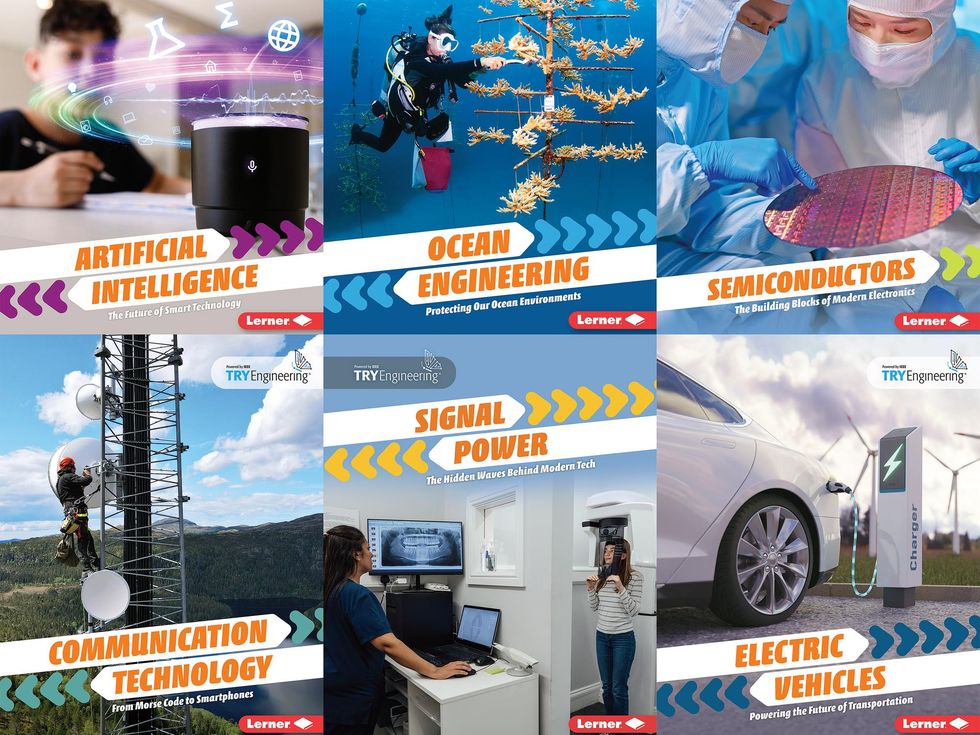
Contextual Overview The IEEE TryEngineering initiative plays a pivotal role in cultivating intellectual curiosity among young learners, particularly in the fields of science, technology, engineering, and mathematics (STEM). As we navigate an era characterized by rapid technological advancements—particularly in artificial intelligence, electric vehicles, and marine exploration—preparing the next generation of innovators becomes increasingly vital. The introduction of the STEM-focused book series, Tomorrow’s Technology With TryEngineering, Powered by IEEE, aims to demystify complex technological concepts for children aged 8 to 12. This series is designed to engage young minds through age-appropriate narratives, real-world applications, and interactive challenges, thus fostering critical thinking and creativity. Main Goal and Methodology The primary objective of the Tomorrow’s Technology book series is to equip children with a foundational understanding of contemporary technologies that influence their daily lives. Achieving this goal entails presenting intricate subjects in an accessible format, utilizing engaging storytelling, relatable examples, and hands-on design challenges to stimulate curiosity. By bridging the gap between theoretical concepts and practical applications, the series encourages students to view themselves as future problem-solvers and innovators. Advantages of the STEM Book Series Enhanced Engagement: The series employs engaging narratives and relatable examples that resonate with young readers, enhancing their interest in STEM fields. Real-World Relevance: By connecting theoretical concepts to everyday technologies—like smartphones and electric vehicles—the series makes learning applicable and meaningful. Critical Thinking Development: The inclusion of design challenges encourages students to think analytically and creatively, fostering essential problem-solving skills. Collaboration with Experts: The partnership with various IEEE societies ensures that the content is accurate, relevant, and aligned with current technological trends. Accessibility: Available through multiple platforms, including Amazon and Lerner Publishing Group, the series is easily accessible to educators, libraries, and families. While these advantages are significant, it is important to note that the effectiveness of the series largely depends on how it is integrated into educational settings. Educators must actively encourage exploration and discussion around the topics presented to maximize the learning experience. Future Implications in the Context of AI Developments Looking ahead, the implications of advancements in artificial intelligence and related technologies are profound. As AI continues to evolve, it is anticipated that educational tools like the Tomorrow’s Technology series will adapt to incorporate more interactive and immersive learning experiences, such as virtual reality and gamified learning. This evolution will not only enhance engagement but also provide learners with real-time exposure to the technologies shaping their world. Moreover, as AI systems become increasingly integrated into daily life, the importance of ethical considerations—such as bias and privacy—will necessitate a curriculum that prepares students to navigate these complex issues critically and thoughtfully. The ongoing partnership between educational initiatives and technological advancements will be crucial in shaping a generation of informed, responsible innovators. Disclaimer The content on this site is generated using AI technology that analyzes publicly available blog posts to extract and present key takeaways. We do not own, endorse, or claim intellectual property rights to the original blog content. Full credit is given to original authors and sources where applicable. Our summaries are intended solely for informational and educational purposes, offering AI-generated insights in a condensed format. They are not meant to substitute or replicate the full context of the original material. If you are a content owner and wish to request changes or removal, please contact us directly. Source link : Click Here

Contextual Overview The partnership between Plantik Biosciences and Hudson River Biotechnology signifies a pivotal advancement in agricultural biotechnology, particularly in the realm of heat tolerance for crops. This collaboration aims to develop a heat-tolerance trait that can be licensed by strawberry breeders, addressing an urgent need in agriculture due to the increasing frequency of extreme heat events globally. With strawberries being particularly vulnerable to high temperatures, which adversely affect flowering and fruit quality, this initiative promises significant improvements in crop resilience. Main Goal and Achievement Pathway The primary objective of this partnership is to create validated heat tolerance traits in crops, specifically strawberries, that can be easily adopted by breeders. This goal is set to be achieved by leveraging Plantik’s advanced genome editing capabilities, which focus on the regulatory elements of DNA that control gene expression, in conjunction with Hudson River’s innovative genome editing methodologies. By utilizing these technologies, the companies aim to expedite the development process, transforming trait discoveries into enhanced crop varieties within a remarkably short timeframe. Structured Advantages Rapid Development: Plantik’s ATLANTIS platform enables swift identification and editing of heat tolerance traits, allowing the development of new crop varieties in approximately 12 months, as opposed to the traditional breeding timeline of five to eight years. Increased Crop Resilience: By focusing on heat tolerance, the initiative directly addresses the threats posed by climate change, ensuring that crops such as strawberries can maintain yield and quality under adverse conditions. Cost-Effective Solutions: The BioMaas platform from Hudson River provides breeders with access to advanced genome editing without the need for extensive in-house R&D, significantly lowering the financial barriers typically associated with trait development. Collaboration and Knowledge Sharing: The partnership fosters a collaborative environment where trait developers like Plantik can share insights and innovations with Hudson River’s network of breeders, enhancing the overall effectiveness of the breeding process. De-risking the Breeding Process: By offering a technological solution that reduces the failure rate of trait development from 90% to 10%, the partnership empowers smaller breeders with the tools necessary to compete against larger seed companies. Future Implications of AI Developments The integration of artificial intelligence (AI) in agricultural biotechnology is poised to revolutionize crop breeding and trait development. As AI technologies advance, they will enhance the capabilities of platforms like Plantik’s ATLANTIS, enabling more precise editing of genomes and the identification of beneficial traits. Furthermore, AI-driven data analytics could streamline the validation process of crop traits, accelerating the time from research to market. This evolution in technology will not only bolster the efficiency of trait development but also democratize access to advanced breeding techniques, allowing a broader range of innovators within the AgriTech sector to contribute to sustainable agricultural practices. Disclaimer The content on this site is generated using AI technology that analyzes publicly available blog posts to extract and present key takeaways. We do not own, endorse, or claim intellectual property rights to the original blog content. Full credit is given to original authors and sources where applicable. Our summaries are intended solely for informational and educational purposes, offering AI-generated insights in a condensed format. They are not meant to substitute or replicate the full context of the original material. If you are a content owner and wish to request changes or removal, please contact us directly. Source link : Click Here
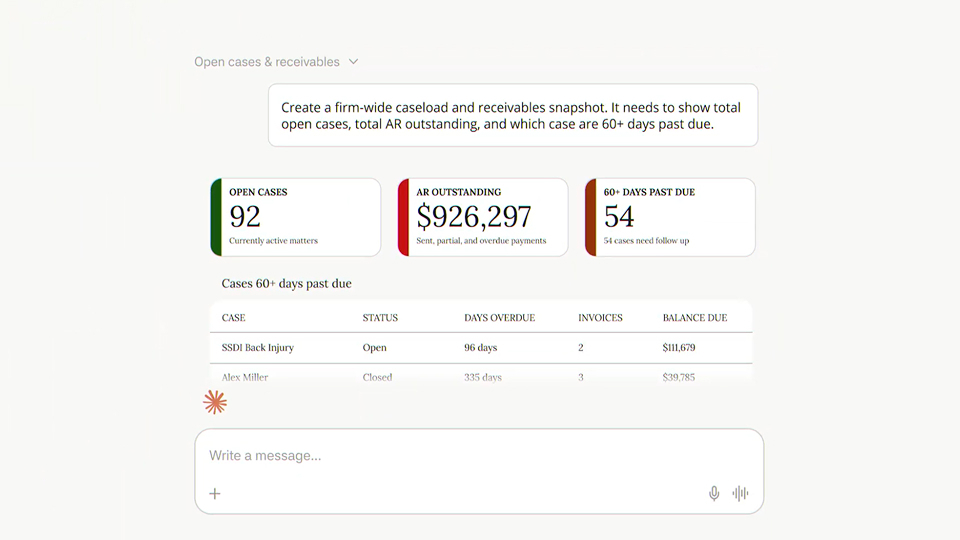
Introduction The recent announcements made by 8am at their second-annual Kaleidoscope customer conference in Las Vegas mark a significant advancement in the integration of artificial intelligence (AI) into legal practice management. 8am, the parent company of MyCase, CasePEER, and DocketWise, unveiled a series of innovative tools designed to streamline legal workflows and enhance financial management for law firms. These developments not only reflect the ongoing evolution of LegalTech but also underscore the potential of AI to transform legal operations fundamentally. Main Objectives and Achievements The primary goal of the 8am announcements is to enhance the functionality of MyCase through the introduction of new generative AI tools and a Claude MCP connector. The integration of these technologies aims to simplify administrative tasks, improve data accessibility, and facilitate more efficient legal processes. By enabling legal professionals to engage in natural language conversations with their case management systems, 8am seeks to reduce the time spent on administrative duties and empower users to focus on substantive legal work. Advantages of the New Developments Enhanced Efficiency: The MyCase MCP connector supports 73 distinct actions across various legal tasks, allowing users to retrieve information such as case summaries and outstanding invoices through conversational prompts. This reduces the time spent navigating complex software interfaces. Improved Data Utilization: The 8am IQ Firm Agent enables users to query their entire MyCase data set, facilitating access to crucial information across different cases and financial records. This holistic view can enhance decision-making processes for law firm leaders. Streamlined Document Creation: The 8am IQ Draft feature automates the generation of document templates and fills them with case-specific information, thus minimizing the time and effort required for document preparation. Financial Insight and Management: The introduction of Smart Spend Intelligence aids firms in categorizing expenses related to cases, thereby reducing unreimbursed expenses and providing clearer financial insights. Accessible Funding Options: The 8am Capital program allows law firms to secure financing based on their payment history, thus simplifying the funding process and enabling firms to invest in growth without traditional lending complexities. While these advancements present numerous advantages, it is essential to consider the limitations. For instance, the MCP connector’s effectiveness may vary based on the user’s subscription tier, potentially restricting access to certain data. Additionally, the new tools’ integration into existing workflows may require a learning curve for legal professionals accustomed to traditional practices. Future Implications The rapid pace of AI development in LegalTech indicates a transformative future for legal professionals. As firms increasingly adopt AI-driven tools, we can anticipate several implications: Increased Adoption of AI Tools: The legal industry is likely to see a wider adoption of AI solutions that enhance efficiency and reduce operational costs, leading to a more competitive landscape among firms. Shift in Legal Work Dynamics: As administrative tasks become more automated, legal professionals may shift their focus toward higher-value activities, such as strategic planning and client engagement. Continuous Improvement of AI Capabilities: Ongoing developments in AI technology will likely yield even more sophisticated tools, enhancing the capabilities of legal practice management software and enabling deeper data analysis. Ethical Considerations: The integration of AI in legal practices will necessitate discussions around ethical implications, including data privacy, bias in AI algorithms, and the potential impact on legal employment. Conclusion The announcements from 8am signify a pivotal moment in the LegalTech landscape, showcasing how AI can address the unique challenges faced by law firms today. By introducing innovative tools designed to enhance productivity and streamline financial management, 8am is not only setting a new standard for practice management software but also paving the way for the future of legal work. As the industry continues to evolve, legal professionals must remain adaptable to harness the full potential of these technological advancements. Disclaimer The content on this site is generated using AI technology that analyzes publicly available blog posts to extract and present key takeaways. We do not own, endorse, or claim intellectual property rights to the original blog content. Full credit is given to original authors and sources where applicable. Our summaries are intended solely for informational and educational purposes, offering AI-generated insights in a condensed format. They are not meant to substitute or replicate the full context of the original material. If you are a content owner and wish to request changes or removal, please contact us directly. Source link : Click Here

Context The recent case involving U.S. Army soldier Cameron John Wagenius has highlighted significant vulnerabilities within the telecommunications industry, particularly regarding the security of customer metadata. Wagenius, who operated under the alias “Kiberphant0m,” was implicated in the breach of AT&T and Verizon, resulting in the unauthorized access to mobile call and text metadata of over 100 million users. This incident serves as a critical reminder of the ongoing challenges faced by cybersecurity professionals in safeguarding sensitive information against malicious actors. Main Goal and Its Achievement The primary objective of addressing cybersecurity threats, as illustrated by the case of Wagenius, is to enhance the protection of sensitive data from cybercriminals. This can be accomplished through the implementation of advanced security measures such as multi-factor authentication (MFA), continuous monitoring of systems for suspicious activities, and regular audits of data access protocols. The incident also underscores the necessity for organizations to adopt a culture of security awareness, ensuring that all employees are trained to recognize and respond to potential threats. Advantages of Enhanced Cybersecurity Measures Protection of Sensitive Data: Robust cybersecurity protocols safeguard sensitive customer information from unauthorized access. The breach of AT&T and Verizon demonstrates the potential harm to both individuals and organizations resulting from lax security measures. Regulatory Compliance: Adhering to cybersecurity best practices ensures compliance with regulatory frameworks such as GDPR or CCPA, which impose strict guidelines on data protection. Reputation Management: Organizations that prioritize cybersecurity are likely to maintain consumer trust and avoid reputational damage associated with data breaches. Reduction in Financial Loss: Effective cybersecurity strategies can mitigate financial losses caused by data theft and potential legal liabilities associated with breaches. Proactive Threat Identification: Continuous monitoring and vulnerability assessments enable organizations to identify and address potential threats before they can be exploited, as evidenced by the proactive measures taken by law enforcement in Wagenius’s case. Caveats and Limitations Despite the advantages, the implementation of comprehensive cybersecurity measures comes with challenges. The financial cost of advanced security technologies and the need for ongoing employee training can be significant. Additionally, the evolving nature of cyber threats necessitates a constant adaptation of strategies, which may strain organizational resources. Furthermore, as demonstrated by Wagenius’s case, even the most robust systems can be compromised if insider threats are not adequately managed. Future Implications of AI Developments in Cybersecurity The integration of artificial intelligence (AI) in cybersecurity is poised to revolutionize the field. AI can enhance threat detection and response capabilities, allowing for real-time analysis of vast amounts of data to identify anomalies indicative of cyberattacks. However, the dual-use nature of AI also presents risks; malicious actors may leverage AI to develop sophisticated attack methods. Moving forward, cybersecurity experts must stay ahead of emerging AI technologies, adapting their strategies to mitigate the risks posed by both cybercriminals and the technologies they exploit. The proactive use of AI in cybersecurity measures will be essential in fortifying defenses against the evolving landscape of cyber threats. Disclaimer The content on this site is generated using AI technology that analyzes publicly available blog posts to extract and present key takeaways. We do not own, endorse, or claim intellectual property rights to the original blog content. Full credit is given to original authors and sources where applicable. Our summaries are intended solely for informational and educational purposes, offering AI-generated insights in a condensed format. They are not meant to substitute or replicate the full context of the original material. If you are a content owner and wish to request changes or removal, please contact us directly. Source link : Click Here

Context The recent surge in Oracle Corp Japan’s stock price by over 7% following the announcement of record fiscal first-quarter sales and profits underscores the growing impact of cloud technology and artificial intelligence (AI) in the finance and fintech industries. The company reported a 13% increase in net sales to 74.86 billion yen ($472 million), with operating profits rising by 22.7% and net profits climbing by 23.2%. This robust performance was largely attributed to a 31.7% year-on-year increase in cloud revenue, which now constitutes 33.6% of total sales. Demand for cloud infrastructure is driving significant growth in data center utilization, particularly in Tokyo and Osaka, as organizations increasingly turn to cloud solutions to enhance their operational efficiencies. Main Goal The primary goal articulated in the original content is the expansion of Oracle Japan’s cloud and AI offerings, aimed at fostering sustained revenue growth and enhancing market competitiveness. This goal can be achieved through a strategic focus on cloud infrastructure development and the integration of AI solutions tailored to meet the evolving needs of financial professionals. By committing over $8 billion to cloud and AI infrastructure over the next decade, Oracle Japan aims to solidify its presence in the rapidly growing fintech landscape and provide innovative solutions to its clientele. Advantages of Cloud and AI Integration in Finance Enhanced Data Processing Capabilities: The integration of AI within cloud platforms allows for improved data analytics, enabling financial institutions to make more informed decisions based on real-time data analysis. Cost Efficiency: Transitioning to cloud-based solutions can significantly lower operational costs associated with maintaining on-premise infrastructure, allowing financial firms to allocate resources more effectively. Increased Scalability: Cloud services provide the flexibility needed to scale operations rapidly in response to market demand, thereby supporting growth initiatives without the burden of substantial upfront investments. Improved Customer Experience: AI-driven insights can enhance customer engagement through personalized services and automated customer support, leading to higher satisfaction and retention rates. Regulatory Compliance: Cloud solutions can facilitate better compliance with financial regulations through enhanced data security and easier tracking of transactions and activities. Caveats and Limitations Despite the numerous advantages, there are several caveats and limitations to consider. Financial professionals must be aware of the potential for data security breaches, as increased reliance on cloud services may expose sensitive financial information to cyber threats. Additionally, the integration of AI systems requires careful management to avoid biases in automated decision-making processes, which could lead to regulatory scrutiny and reputational damage. Finally, the transition to cloud-based solutions necessitates a cultural shift within organizations, which may face resistance from employees accustomed to traditional practices. Future Implications The trajectory of AI development within the finance sector suggests that we will witness a transformative shift in how financial services are delivered. Enhanced capabilities in AI will likely lead to more sophisticated risk assessment models, enabling financial professionals to identify and mitigate risks with greater accuracy. Furthermore, as AI technologies evolve, the potential for automation in routine tasks may free up financial professionals to focus on strategic initiatives, ultimately driving innovation and growth within the sector. The continued investment in cloud and AI infrastructure by companies like Oracle Japan is indicative of a broader trend toward digital transformation in finance, signaling a future where technology and finance are inextricably linked. Disclaimer The content on this site is generated using AI technology that analyzes publicly available blog posts to extract and present key takeaways. We do not own, endorse, or claim intellectual property rights to the original blog content. Full credit is given to original authors and sources where applicable. Our summaries are intended solely for informational and educational purposes, offering AI-generated insights in a condensed format. They are not meant to substitute or replicate the full context of the original material. If you are a content owner and wish to request changes or removal, please contact us directly. Source link : Click Here

Contextual Overview: The Legacy of the Houston Rockets The Houston Rockets franchise, established in 1967, has seen a myriad of players donning a total of 52 different jersey numbers. Among these, notable contributions from nearly 500 players highlight the team’s rich history. Recognizing the significance of these numbers, the Rockets organization has embarked on a comprehensive retrospective to honor the athletes who have represented the team through the decades. This initiative not only serves to commemorate individual players but also to celebrate the collective history that shapes the franchise’s identity. With seven jerseys retired to honor the franchise’s all-time greats, the narrative surrounding each number becomes a vital aspect of Rockets lore. This blog post series continues to delve into the stories behind each jersey, providing insights into the players who have left indelible marks on the team’s legacy. Main Goal: Honoring Historical Contributions Through Data The primary goal of this retrospective is to honor the legacy of players, such as Pete Chilcutt, who wore the No. 32 jersey during the years 1994 to 1996. The initiative aims to achieve this by meticulously documenting the contributions of each player in terms of statistics and personal anecdotes. By analyzing historical performance data and contextualizing it within the broader narrative of the franchise, the Rockets seek to foster a deeper appreciation among fans and sports enthusiasts. Advantages of Documenting Jersey Histories Preservation of Legacy: Documenting the history of jersey numbers serves to preserve the legacy of players, ensuring their contributions are recognized. For instance, during his tenure with the Rockets, Chilcutt averaged 3.9 points and 3.3 rebounds per game, a modest yet significant contribution that reflects his role within the team. Engagement with Fans: Providing detailed insights into player histories fosters a stronger connection between the franchise and its fanbase, enhancing engagement through storytelling and shared history. Statistical Analysis: The retrospective allows for a deeper analysis of player performance data, enabling sports data enthusiasts to draw comparisons and insights that might otherwise be overlooked. Educational Resource: This endeavor serves as an educational resource for new fans and data analysts, offering a structured approach to understanding the historical context of player contributions within the league. Future Implications: The Role of AI in Sports Analytics As the landscape of sports analytics continues to evolve, the integration of artificial intelligence (AI) presents both opportunities and challenges. Future advancements in AI technology will likely enhance the ability to analyze player performance data in real time, enabling teams to make more informed decisions based on historical trends. The potential for AI to process vast datasets will facilitate deeper insights into player performance, injury prediction, and even fan engagement strategies. Moreover, as AI becomes increasingly sophisticated, its application in sports analytics may lead to a paradigm shift in how teams assess player contributions, ultimately influencing draft strategies, player development, and overall team dynamics. The evolution of AI in this domain promises to enrich the narrative of sports history, allowing for an even more nuanced understanding of individual contributions and team success. Disclaimer The content on this site is generated using AI technology that analyzes publicly available blog posts to extract and present key takeaways. We do not own, endorse, or claim intellectual property rights to the original blog content. Full credit is given to original authors and sources where applicable. Our summaries are intended solely for informational and educational purposes, offering AI-generated insights in a condensed format. They are not meant to substitute or replicate the full context of the original material. If you are a content owner and wish to request changes or removal, please contact us directly. Source link : Click Here
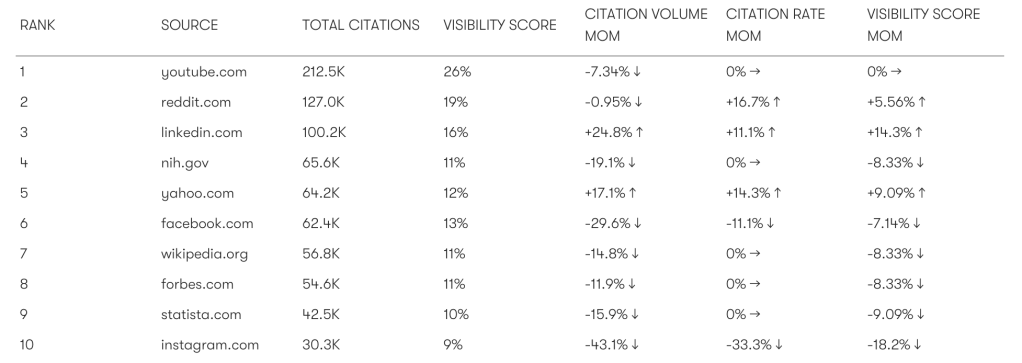
Context YouTube has established itself as the go-to platform for individuals seeking instructional content, a trend that is increasingly reflected in the behavior of artificial intelligence (AI) systems. As large language models (LLMs) and AI-driven search engines evolve, YouTube is emerging as a significant repository for citations. This shift underscores the platform’s role not only as a video-sharing site but also as an integral component of the information ecosystem utilized by AI technologies. Recent analyses indicate that YouTube has surpassed other platforms, such as Reddit, in citation frequency across multiple AI applications, suggesting a transformative phase in how users access and interact with information. YouTube’s Preeminence in AI Citations The ascendancy of YouTube as a prime source of citations is not attributable to a singular AI model; rather, it reflects a collective trend observed across several prominent AI platforms, including Claude, ChatGPT, and Google’s Gemini. According to data from Meltwater, YouTube was the most-cited platform by eight different AI systems as of August 2026. This trend indicates a broader acceptance of YouTube content as a reliable source of information, facilitating users’ navigation through the increasingly complex landscape of AI-generated responses. Industry experts, such as Lauren Lyster from Go Fish Digital, assert that the platform’s advantage lies in the accessibility and processability of its content by AI systems. The collaborative nature of YouTube, which allows for creator input, enhances the likelihood that content will be transcribed and ranked, thus increasing its visibility in AI outputs. YouTube’s Dominance in Google AI Products YouTube’s integration into Google’s AI initiatives, including AI Mode and Gemini, reinforces its standing as a critical information source. A report by Tinuiti revealed that YouTube’s share of citations in Google’s AI Mode expanded significantly, more than quadrupling between January and April 2026. This trend illustrates how seamlessly YouTube content is being incorporated into Google’s AI-driven search experiences, although it is essential to note that a citation does not always indicate that YouTube content was directly utilized to form the AI’s response. As noted by Crystal Duncan, EVP of brand engagement at Tinuiti, the comprehensive nature of YouTube’s content enables AI systems to analyze not only the videos themselves but also the context surrounding them, thus enriching the overall user experience. The Role of Tutorial Content YouTube’s position as the leading platform for “how-to” content plays a significant role in its frequent citation by LLMs. Notably, AI models like Claude and Gemini often reference YouTube videos as supplementary information, even when such content is not explicitly requested. This phenomenon indicates that the mere presence of tutorial videos enhances the credibility and depth of AI-generated answers, providing users with additional avenues for exploration. Long-Form Videos Outperform Shorts Analysis of YouTube content reveals that long-form videos are more frequently cited than shorter formats, with 94% of citations attributed to videos exceeding 10 minutes in length. Such videos often contain structured elements like chapter markers and timestamps, which facilitate AI systems in identifying relevant sections of content. This structural clarity not only aids in content retrieval but also aligns with users’ expectations when seeking specific information. Industry experts suggest that as brands increasingly tailor their video content to meet the needs of AI systems—utilizing formats like natural language and FAQ styles—they are effectively enhancing their visibility within LLMs. Jenny Kelly from Deloitte Digital emphasizes that brands are strategically positioning their content to align with AI priorities, thus optimizing their chances of being cited. Limitations of YouTube Citations While YouTube’s growing influence in AI search is noteworthy, it is essential to recognize that citations can be ephemeral. Data from Scrunch indicates that YouTube citations experienced a decline of approximately 43% within a month, underscoring the dynamic nature of AI retrieval systems. This volatility suggests that achieving visibility through citations does not guarantee enduring success, as newer content can swiftly overshadow existing videos. Future Implications The evolving landscape of AI and its relationship with platforms like YouTube raises important questions about the future of digital marketing and content creation. As AI systems continue to adapt and refine their algorithms, content creators and brands must remain vigilant, optimizing their strategies to ensure sustained relevance. The integration of AI technologies into marketing practices is likely to amplify the importance of structured, high-quality content that aligns with user queries, ultimately shaping the way information is disseminated and consumed in the digital age. Disclaimer The content on this site is generated using AI technology that analyzes publicly available blog posts to extract and present key takeaways. We do not own, endorse, or claim intellectual property rights to the original blog content. Full credit is given to original authors and sources where applicable. Our summaries are intended solely for informational and educational purposes, offering AI-generated insights in a condensed format. They are not meant to substitute or replicate the full context of the original material. If you are a content owner and wish to request changes or removal, please contact us directly. Source link : Click Here
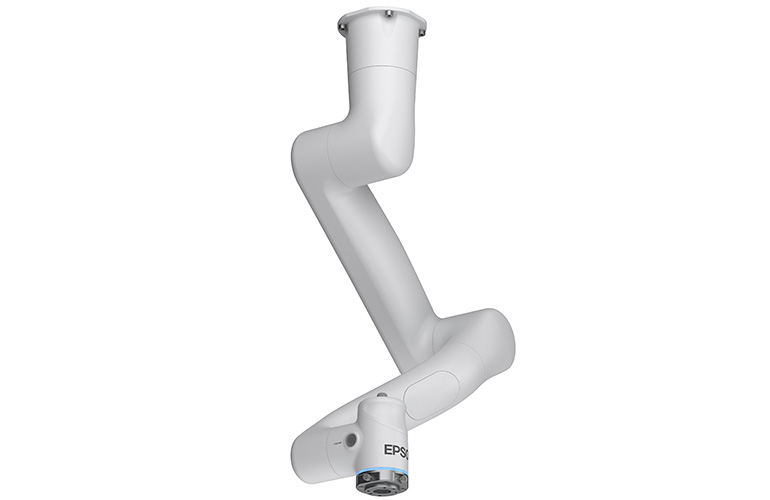
Context of the Epson AX6 Cobot in Smart Manufacturing The introduction of the Epson AX6 collaborative robot (cobot) marks a significant advancement in the field of robotics and smart manufacturing. Designed with a compact structure and features that promote ease of use, the AX6 is engineered to operate alongside human workers without the need for conventional safety barriers, provided that a thorough risk assessment is conducted. This innovation aligns with the ongoing trend of integrating robotics into environments that require close human-robot interaction, thereby enhancing productivity while ensuring safety. Rick Brookshire, the director of product and robot development at Epson, emphasizes that collaborative robots have drastically reduced entry barriers for new users by simplifying both programming and integration. This is particularly crucial for applications where space is limited and user interaction is essential. The AX6 aims to fulfill these needs while offering a comprehensive suite of robotic safety solutions, positioning Epson as a leader in the industry with over 250,000 units sold globally. Main Goal of the AX6 Cobot and Its Achievement The primary objective of the Epson AX6 cobot is to facilitate the automation of tasks requiring human collaboration in tight spaces, thereby augmenting operational efficiency. To achieve this, the AX6 incorporates innovative features, including its no-code programming capabilities and user-friendly interface, which allow operators of varying skill levels to easily integrate and operate the robot. Additionally, the AX6’s lightweight, power-limited design enables it to be deployed in diverse environments, further enhancing its versatility and applicability in various industrial sectors. Advantages of the Epson AX6 Cobot Ease of Use: The AX6 features a no-code programming interface that allows operators, regardless of their technical background, to program and control the robot effectively. Compact Design: Its lightweight design and small footprint make it suitable for space-constrained environments, facilitating deployment in various industrial applications. Compliance with Cleanroom Standards: The AX6 meets ISO Class 5 cleanroom standards, making it suitable for sensitive applications in the life sciences sector. Versatile Integration: The cobot is designed for seamless integration with autonomous mobile robots (AMRs), enhancing its utility in mobile manipulation tasks. Customizable Development Environment: The robot supports a Python development environment, enabling users to create complex robotic workcells tailored to specific applications. However, it is essential to note that while the AX6 cobot offers numerous advantages, its effectiveness is contingent upon proper integration and risk assessment to ensure safe operation in collaborative environments. Future Implications and AI Developments As the field of robotics continues to evolve, the incorporation of artificial intelligence (AI) is poised to revolutionize the capabilities of collaborative robots like the AX6. AI advancements are expected to enhance the robot’s ability to learn from its environment, adapt to new tasks without extensive reprogramming, and improve decision-making processes in real-time. This will result in even greater efficiencies in manufacturing processes, with cobots taking on more complex roles that were previously reserved for human workers. Furthermore, as AI technology matures, the potential for increased automation in traditionally labor-intensive sectors will expand, creating new opportunities for industrial technologists. The ability to harness AI-driven insights will allow for more responsive and flexible manufacturing systems, ultimately leading to improved productivity and reduced operational costs. Disclaimer The content on this site is generated using AI technology that analyzes publicly available blog posts to extract and present key takeaways. We do not own, endorse, or claim intellectual property rights to the original blog content. Full credit is given to original authors and sources where applicable. Our summaries are intended solely for informational and educational purposes, offering AI-generated insights in a condensed format. They are not meant to substitute or replicate the full context of the original material. If you are a content owner and wish to request changes or removal, please contact us directly. Source link : Click Here

Context and Background The landscape of commercial pharmaceutical data is undergoing a transformative shift, largely driven by advancements in artificial intelligence (AI) and machine learning technologies. As healthcare systems evolve, the reliance on traditional healthcare claims data, which provides insights into patient activity post-treatment, is being complemented by eligibility signals. These eligibility signals, generated during the coverage verification process before patient visits, offer crucial insights into patient behavior and emerging trends in healthcare utilization. The focus on these upstream indicators is essential for commercial teams navigating the complexities of market access, brand management, and analytics in the pharmaceutical industry. Main Goals and Achievements The primary goal articulated in the original content is to enhance the understanding of eligibility signals among healthcare professionals, specifically those engaged in brand management, market access, and commercial analytics. Achieving this understanding allows professionals to harness these signals effectively, thereby improving strategic decision-making and operational efficiencies. To accomplish this, stakeholders must focus on three key areas: 1. **Identifying the Scope of Eligibility Activity**: Distinguishing between what eligibility signals can reveal about the market and the limitations of these insights. 2. **Analyzing Patient Volume Concentrations**: Pinpointing where patient volumes are concentrated and understanding the roles played by health systems and provider organizations. 3. **Differentiating Signal Types**: Separating genuine patient engagement signals from routine administrative activities to focus on actionable insights. Advantages of Utilizing Eligibility Signals The integration of eligibility signals into commercial analytics offers several advantages, which are crucial for HealthTech professionals: 1. **Proactive Market Insights**: Eligibility signals provide real-time data that can predict patient volumes and trends before treatment occurs, allowing for proactive decision-making. 2. **Enhanced Resource Allocation**: Understanding where patient activity is forming enables better allocation of resources and targeted marketing strategies, optimizing the effectiveness of interventions. 3. **Improved Patient Engagement Strategies**: By identifying genuine patient interest and service utilization patterns, organizations can tailor their patient engagement strategies more effectively. 4. **Streamlined Operations**: Differentiating between administrative traffic and actual patient signals can lead to more streamlined operations and reduced inefficiencies in service delivery. Despite these advantages, it is important to acknowledge potential limitations, such as the variability in data quality across different healthcare systems and the potential for misinterpretation of signals if not contextualized properly. Future Implications of AI in Commercial Pharma Data As AI technologies continue to evolve, their impact on commercial pharmaceutical data will likely expand significantly. The ability to analyze vast datasets in real-time will enable more precise predictions regarding patient behavior and healthcare trends. Future developments may include: – **Integration of Advanced Algorithms**: Machine learning algorithms could enhance the accuracy of eligibility signal interpretation, providing deeper insights into patient pathways and outcomes. – **Real-time Analytics Platforms**: The emergence of sophisticated analytics platforms that can process eligibility signals instantaneously will facilitate immediate feedback loops for healthcare professionals. – **Personalized Healthcare Solutions**: AI-driven insights could pave the way for more personalized healthcare offerings, improving patient experiences and outcomes. In conclusion, the shift towards utilizing eligibility signals in commercial pharmaceutical data represents a significant opportunity for HealthTech professionals. By embracing these advancements, stakeholders can position themselves at the forefront of healthcare innovation, ensuring they remain responsive to the evolving dynamics of patient care and market demands. Disclaimer The content on this site is generated using AI technology that analyzes publicly available blog posts to extract and present key takeaways. We do not own, endorse, or claim intellectual property rights to the original blog content. Full credit is given to original authors and sources where applicable. Our summaries are intended solely for informational and educational purposes, offering AI-generated insights in a condensed format. They are not meant to substitute or replicate the full context of the original material. If you are a content owner and wish to request changes or removal, please contact us directly. Source link : Click Here

Context: The Importance of Unplugging Your PC During Power Outages Unplugging your PC during a blackout might be exactly what saves it. Power outages are unpredictable events that often catch individuals off guard. In these moments, the immediate concern tends to focus on safety and securing basic needs, such as light sources. However, it is crucial to also consider the potential risks posed to electronic devices, especially personal computers (PCs). Leaving a PC connected to the power supply during an outage can expose it to significant damage once power is restored. An often-misguided belief is that simply turning off a PC is sufficient to protect it. In reality, even a powered-off computer remains linked to the home’s electrical system, which poses a risk due to potential damage from electrical surges. The vulnerability of PCs is exacerbated by the sensitivity of their internal components, including the motherboard, RAM, and solid-state drives (SSDs) that feature delicate circuits prone to voltage fluctuations. Understanding the risks associated with power outages is vital. When power is abruptly cut—due to factors such as grid overload or equipment failure—the electrical system does not simply cease to function. Instead, there can be sharp voltage fluctuations immediately before and after the outage, with the surge that follows power restoration often causing more harm than the outage itself. In the United States, standard household circuits operate at 120 volts; any substantial spike beyond this threshold can lead to irreversible damage to sensitive electronic components. By following appropriate protective measures, individuals can mitigate the risk of costly repairs and data loss. Turning Off Your PC Is Not Enough It is critical to recognize that turning off a PC prior to a power outage does not guarantee safety. Electrical current can still traverse the power cord and reach internal components even when the machine appears to be off. Power surges, which occur due to sudden increases in electrical current—often triggered by lightning strikes or damage to power lines—pose a significant risk. These surges can enter a household’s electrical system and affect devices connected to it. Additionally, when the power grid is restored after an outage, it frequently delivers an elevated voltage spike, further exacerbating the risk to electronics. If a PC is in operation during a sudden power loss, there are additional concerns. Files that are currently being saved or modified may become corrupted, leading to system failures or data loss. For computers utilizing hard disk drives (HDDs), abrupt shutdowns can physically damage the mechanical heads, further jeopardizing system integrity. How to Protect Your PC During a Power Outage To effectively safeguard a PC from damage during power outages, proactive measures should be employed. It is advisable to shut down and unplug the system when adverse weather conditions are anticipated. In cases where power has already been disrupted, unplugging the machine remains a prudent action. It is equally important to unplug other essential electronics, such as routers, which are particularly susceptible to damage during electrical storms. Regularly restarting the router is also recommended as a preventative measure. For desktop computers, switching off the power supply unit (PSU) can help to prevent electrical current from entering the system. However, extreme events, such as lightning strikes, may still result in damage. A surge protector serves as an effective initial line of defense, absorbing voltage spikes before they can impact connected devices. Investing in an uninterruptible power supply (UPS) is an even more effective strategy. A UPS combines surge protection with battery backup, providing a buffer during brief outages and enabling users to save work and perform a controlled shutdown. For comprehensive protection, it may be beneficial to consult a licensed electrician to install whole-house surge protection systems that cover all outlets. Upon restoration of power, it is advisable to delay reconnecting devices. Allowing a few minutes ensures that the power supply remains stable. When reconnecting, plug in the surge protector first, followed by the PC and any additional peripherals. Unplugging a PC during a power outage is a quick and straightforward action that can significantly protect electronic investments. Coupled with a surge protector or UPS, this simple habit can substantially lower the likelihood of hardware damage and data loss, making the effort well worth it. Main Goal and Its Achievement The primary goal of safeguarding a PC during power outages is to prevent damage from electrical surges and abrupt power loss. This can be accomplished by adopting preventative measures such as unplugging devices, utilizing surge protectors, and investing in a UPS. By employing these strategies, users can minimize the risk of costly repairs and data loss. Advantages of Unplugging Your PC Prevention of Electrical Damage: Unplugging the PC eliminates the risk of voltage surges that can lead to component failure. Data Protection: Reduces the chances of data corruption that can occur during sudden power loss. Cost Efficiency: Preventative measures can save significant expenses associated with repairs and data recovery. Enhanced Longevity: Proactive actions contribute to the overall lifespan of electronic devices. However, it is important to note that while unplugging devices is effective, it may not be foolproof against extreme conditions such as direct lightning strikes. Therefore, additional protective measures, such as surge protection systems, are recommended. Future Implications and AI Developments The integration of Artificial Intelligence (AI) into electronic devices and power management systems may significantly alter how we approach power outage protection in the future. AI could enable smarter systems capable of predicting outages based on weather patterns or grid data, allowing for preemptive measures to be automated. Furthermore, AI could enhance surge protection technologies, optimizing responses to voltage fluctuations in real-time. As technology advances, the evolution of these protective measures will likely lead to even greater resilience against power disruptions, ensuring that devices remain safe and operational. Disclaimer The content on this site is generated using AI technology that analyzes publicly available blog posts to extract and present key takeaways. We do not own, endorse, or claim intellectual property rights to the original blog content. Full credit is given to


