
Context In the rapidly evolving landscape of Generative AI, advancements in computational efficiency and cost-effectiveness are critical. A recent collaboration between Intel and Hugging Face has yielded significant findings regarding Google Cloud’s latest C4 Virtual Machine (VM). This VM, powered by Intel® Xeon® 6 processors, demonstrates a remarkable 1.7x enhancement in Total Cost of Ownership (TCO) for OpenAI’s GPT OSS Large Language Model (LLM) compared to its predecessor, the C3 VM. The results underscore the importance of optimizing computational resources in the deployment of large-scale AI models, particularly for applications in text generation. Main Goal The primary objective of this collaboration was to benchmark and validate the performance improvements achieved through the implementation of the Google Cloud C4 VM in conjunction with Intel’s processing capabilities. The goal can be achieved by leveraging the enhanced throughput and reduced latency that the C4 VM offers, thus making it a viable solution for organizations requiring efficient inference capabilities for large-scale AI models. This is particularly significant as it addresses the increasing demand for cost-effective and high-performance AI solutions in various sectors. Advantages Enhanced Throughput: The C4 VM consistently delivers 1.4x to 1.7x greater throughput per virtual CPU (vCPU) compared to the C3 VM. This improvement facilitates faster processing of data, which is essential for real-time applications. Cost Efficiency: The C4 VM’s superior performance translates to a 70% improvement in TCO. Organizations can achieve more output with the same or lower investment, making it economically attractive for deploying AI models. Optimized Resource Utilization: By adopting a Mixture of Experts (MoE) architecture, the C4 VM activates only a subset of models for each task, thus minimizing redundant computations. This leads to better resource allocation and energy savings. Lower Latency: The decrease in processing time per token enhances user experience in applications reliant on quick response times, such as conversational agents and customer service bots. Limitations While the improvements are substantial, it is essential to acknowledge potential caveats. The performance gains are contingent on specific workloads and may not uniformly apply across all applications. Additionally, organizations must assess the compatibility of existing infrastructures with the new VM architecture to fully leverage these benefits. Future Implications The advancements in AI processing capabilities herald a transformative era for Generative AI applications. As the demand for sophisticated AI solutions continues to grow, optimizing performance and cost will remain pivotal. The successful integration of frameworks like Hugging Face with high-performance hardware indicates a trajectory towards more efficient and accessible AI development. Future innovations may lead to even greater efficiencies, enabling broader adoption of AI technologies across various industries, thus reshaping workflows and enhancing productivity. “` Disclaimer The content on this site is generated using AI technology that analyzes publicly available blog posts to extract and present key takeaways. We do not own, endorse, or claim intellectual property rights to the original blog content. Full credit is given to original authors and sources where applicable. Our summaries are intended solely for informational and educational purposes, offering AI-generated insights in a condensed format. They are not meant to substitute or replicate the full context of the original material. If you are a content owner and wish to request changes or removal, please contact us directly. Source link : Click Here

Context of GeForce NOW and Generative AI Applications GeForce NOW (GFN) serves as a pivotal platform not only for gaming but also for the growing field of Generative AI (GenAI) applications. The platform’s recent offerings, including exclusive rewards such as the Borderlands 4 Golden Key for Ultimate members, illustrate a broader trend in digital services emphasizing user engagement and community rewards. As GFN integrates advanced technologies like NVIDIA’s Blackwell RTX upgrade, it transforms user interaction and experience in cloud gaming. This transformation parallels the advancements in GenAI, where similar rewards and engagement strategies can enhance user experience and participation in AI-driven applications. Main Goals and Achievements The primary goal conveyed in the original post is to enhance user engagement and satisfaction through rewards and improved gaming experiences on the GeForce NOW platform. This is achieved by offering exclusive rewards to Ultimate members, introducing new features such as Install-to-Play, and expanding game libraries with titles optimized for higher performance. These initiatives aim to foster a loyal user base and encourage greater participation in both gaming and emerging AI applications. Advantages of Enhanced User Engagement Increased User Retention: Offering unique rewards, such as in-game items or exclusive content, encourages users to remain engaged with the platform. Studies suggest that reward systems can increase user retention rates significantly. Improved Experience through Technology: The integration of cutting-edge technology, such as the RTX 5080 server upgrades, ensures that users experience seamless gameplay with minimal latency. This is critical in both gaming and AI applications, where performance optimization is paramount. Community Building: By implementing features that encourage user participation, such as the Steam Next Fest, GFN fosters a sense of community among users. This communal aspect is vital for the success of GenAI applications, where collaboration and feedback can enhance model training and development. Accessibility to New Titles: The Install-to-Play feature allows users immediate access to a vast library of games without the traditional installation process. This principle of accessibility can be mirrored in GenAI applications, making advanced AI tools available to a broader audience. Future Implications of AI Developments As AI technology continues to evolve, the implications for platforms like GeForce NOW and the broader Generative AI landscape are profound. Future advancements may lead to more personalized user experiences, where AI algorithms can tailor rewards and content based on individual user preferences and behavior. Furthermore, as cloud computing capabilities expand, we may see a greater convergence between gaming and AI applications, allowing for real-time adaptations and learning within games and AI systems alike. This synergy could potentially revolutionize how users interact with both gaming platforms and AI-driven tools, creating a more immersive and responsive digital environment. Disclaimer The content on this site is generated using AI technology that analyzes publicly available blog posts to extract and present key takeaways. We do not own, endorse, or claim intellectual property rights to the original blog content. Full credit is given to original authors and sources where applicable. Our summaries are intended solely for informational and educational purposes, offering AI-generated insights in a condensed format. They are not meant to substitute or replicate the full context of the original material. If you are a content owner and wish to request changes or removal, please contact us directly. Source link : Click Here

Contextualizing AI in Fusion Energy Advancement The convergence of artificial intelligence (AI) and fusion energy research represents a pivotal shift in the quest for sustainable energy solutions. By leveraging AI technologies, particularly in the simulation and control of fusion plasma, significant strides can be made toward harnessing fusion energy—a clean and virtually limitless energy source. The collaboration between leading entities like Commonwealth Fusion Systems (CFS) and AI research teams exemplifies this transformative approach. Fusion, the reaction that powers the sun, involves maintaining plasma stability at extreme temperatures exceeding 100 million degrees Celsius, a challenge that necessitates advanced computational techniques and real-time control strategies. Main Goal of the AI-Fusion Collaboration The principal objective of integrating AI within fusion energy research is to expedite the realization of practical and efficient fusion energy systems. Achieving this involves the development of sophisticated simulations and control mechanisms that optimize plasma behavior and energy output. By employing AI, researchers aim to not only stabilize plasma but also to maximize net energy generation—where the energy produced by fusion exceeds the energy input required to sustain the reaction. This goal is underscored by the operational ambitions surrounding the SPARC tokamak, designed to be the first machine capable of achieving this breakeven point. Advantages of AI Integration in Fusion Energy Enhanced Simulation Capabilities: The deployment of advanced plasma simulators such as TORAX allows for rapid virtual experimentation, enabling researchers to predict plasma behavior under various conditions. This capability significantly reduces the time and resources typically required for physical experiments. Optimized Energy Production: Utilizing AI algorithms, particularly reinforcement learning, researchers can explore a multitude of operational scenarios efficiently. This exploration leads to identifying optimal configurations that increase the likelihood of achieving maximum energy output from fusion reactions. Real-Time Control Strategies: AI facilitates the development of dynamic control systems that can adapt to real-time conditions within the tokamak. This adaptability can enhance operational safety and performance, particularly in managing heat loads and plasma stability. Collaboration and Knowledge Sharing: The partnership between CFS and AI research teams fosters a collaborative environment that encourages sharing best practices and innovative approaches within the fusion research community. Potential for Commercialization: The integration of AI technologies into fusion energy research not only accelerates scientific breakthroughs but also sets the stage for future commercialization of fusion energy solutions, contributing to global sustainability efforts. Future Implications of AI in Fusion Energy Research The implications of AI advancements in fusion energy are profound. The ongoing development of adaptive AI systems could lead to unprecedented control over complex plasma conditions, ultimately resulting in more efficient and reliable fusion reactors. As AI technology evolves, it is anticipated that these systems will not only optimize existing fusion operations but could also inform the design of next-generation fusion reactors, making them more accessible and practical for widespread use. Furthermore, as fusion energy becomes a more viable alternative to fossil fuels, the role of AI in this domain will likely expand, influencing policy decisions and investment strategies aimed at promoting clean energy technologies. Disclaimer The content on this site is generated using AI technology that analyzes publicly available blog posts to extract and present key takeaways. We do not own, endorse, or claim intellectual property rights to the original blog content. Full credit is given to original authors and sources where applicable. Our summaries are intended solely for informational and educational purposes, offering AI-generated insights in a condensed format. They are not meant to substitute or replicate the full context of the original material. If you are a content owner and wish to request changes or removal, please contact us directly. Source link : Click Here

Context Computer vision represents a significant domain in the analysis of images and videos. Although machine learning models often dominate discussions surrounding computer vision, it is crucial to recognize that numerous existing algorithms can sometimes outperform AI approaches. Within this expansive field, feature detection plays a pivotal role by identifying distinct regions of interest within images. These identified features are subsequently utilized to create feature descriptors, which are numerical vectors that represent localized areas of an image. By combining these feature descriptors from multiple images of the same scene, practitioners can engage in tasks like image matching or scene reconstruction. This article draws parallels to calculus to elucidate the concepts of image derivatives and gradients. A comprehensive understanding of these concepts is essential for grasping the underlying principles of convolutional kernels, particularly the Sobel operator, a vital tool in edge detection within images. Main Goal and Achievement The primary objective of the original post is to provide a foundational understanding of image derivatives, gradients, and the Sobel operator as essential tools in feature detection within computer vision. This understanding can be achieved through a structured approach that encompasses the mathematical representations of image properties, practical examples of applying convolutional kernels, and the implementation of these concepts in programming environments such as OpenCV. Advantages of Understanding Image Derivatives and Gradients Enhanced Feature Detection: Understanding image derivatives and gradients enables the identification of significant variations in pixel intensity, facilitating the detection of edges and features within images. This is critical in applications such as object recognition, image segmentation, and scene reconstruction. Robustness Against Noise: The Sobel operator, in particular, demonstrates increased resilience to noise in images compared to simpler methods, as it considers neighboring pixel values for more stable edge detection. Improved Image Processing Techniques: By applying techniques such as convolutional kernels, machine learning practitioners can enhance the quality of input data for algorithms, ultimately leading to more accurate predictions and analyses. Foundation for Advanced Techniques: Knowledge of first-order derivatives and the Sobel operator serves as a stepping stone for understanding more complex image analysis algorithms, such as those involving convolutional neural networks (CNNs). It is essential to acknowledge potential limitations, such as the computational cost associated with processing high-resolution images and the challenges posed by varying lighting conditions that can affect gradient calculations. Future Implications As artificial intelligence continues to evolve, particularly in the realm of computer vision, the methodologies surrounding feature detection, including image derivatives and operators like Sobel and Scharr, are expected to undergo significant advancements. Innovations in AI are likely to enhance the efficiency of these processes, allowing for real-time applications in diverse fields such as autonomous vehicles, medical imaging, and augmented reality. Moreover, the integration of deep learning techniques may further augment traditional methods, leading to more sophisticated and accurate feature detection capabilities. In conclusion, understanding image derivatives, gradients, and the Sobel operator is crucial for professionals in the applied machine learning industry. This knowledge not only enhances feature detection capabilities but also lays the groundwork for future advancements in image analysis technologies. Disclaimer The content on this site is generated using AI technology that analyzes publicly available blog posts to extract and present key takeaways. We do not own, endorse, or claim intellectual property rights to the original blog content. Full credit is given to original authors and sources where applicable. Our summaries are intended solely for informational and educational purposes, offering AI-generated insights in a condensed format. They are not meant to substitute or replicate the full context of the original material. If you are a content owner and wish to request changes or removal, please contact us directly. Source link : Click Here
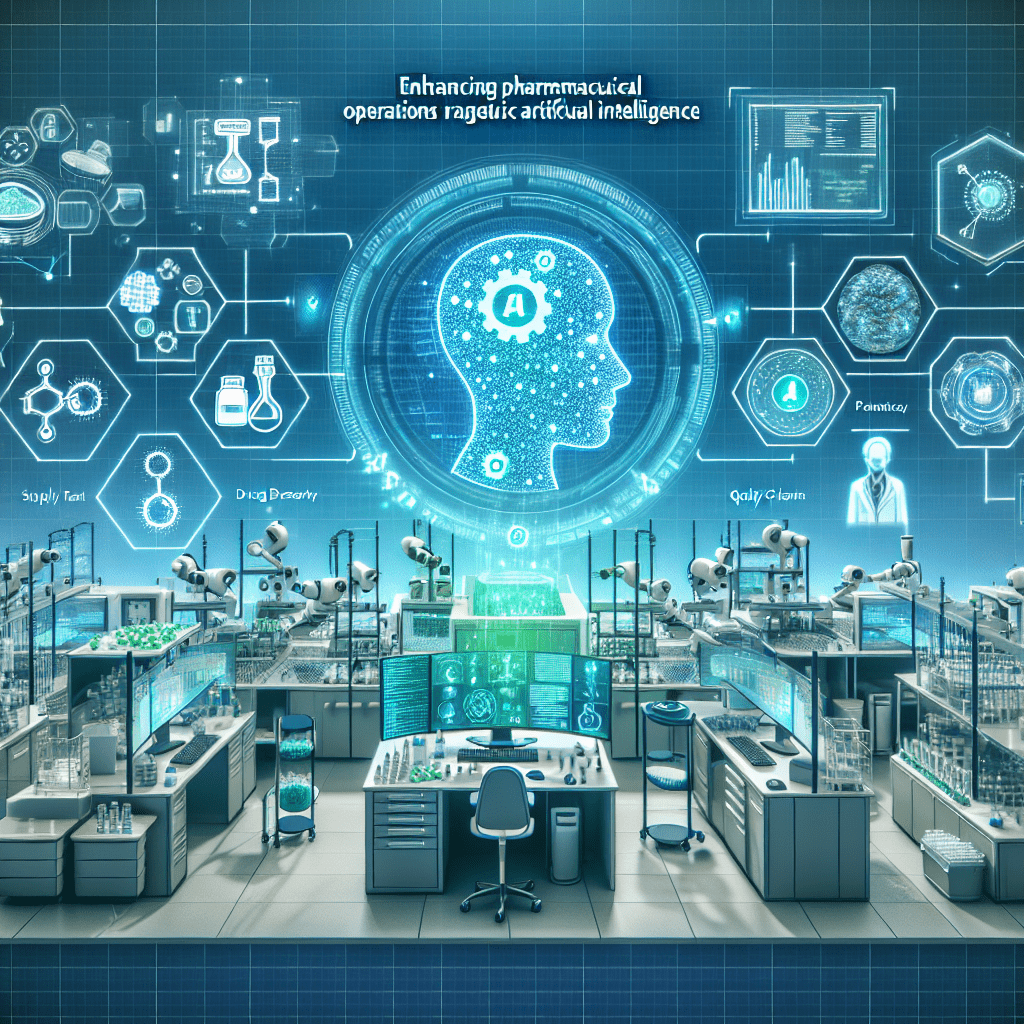
Context of Personalization in Pharmaceutical Sales and Marketing The dynamic landscape of the pharmaceutical industry necessitates a paradigm shift towards personalization, particularly in sales and marketing operations. As pharmaceutical companies strive to capture the attention of healthcare professionals (HCPs), the imperative for tailored communication becomes increasingly evident. Recent estimates indicate that biopharmaceutical firms reached only 45% of HCPs in 2024, a significant decline from 60% in 2022. This decline underscores the necessity for innovative strategies emphasizing personalization, real-time communication, and relevant content. Such strategies are essential for fostering trust and effectively engaging HCPs in a competitive market. However, the rising volume of content requiring medical, legal, and regulatory (MLR) review presents substantial challenges, potentially leading to delays and missed opportunities. Main Goal and Achievement Strategies The primary goal articulated in the original discourse revolves around enhancing the ability of pharmaceutical companies to engage HCPs through personalized communication strategies. Achieving this goal necessitates the implementation of advanced AI solutions capable of automating MLR processes. By leveraging agentic AI, pharmaceutical firms can streamline content generation, ensure compliance with regulatory standards, and expedite the review process. This transformation is not merely aspirational but essential for maintaining competitive advantage in an evolving marketplace. Advantages of Implementing Agentic AI Increased Engagement: Personalized outreach, facilitated by AI-driven insights, can significantly enhance engagement with HCPs. By tailoring content to meet the specific needs and preferences of healthcare providers, companies can effectively capture their attention. Enhanced Efficiency: The integration of agentic AI into MLR processes can reduce the time required for content approval, thereby minimizing delays and optimizing the speed of market entry for new products. Improved Compliance: AI systems can assist in ensuring that all materials comply with regulatory standards, reducing the risk of non-compliance and associated penalties. Cost Reduction: Streamlining the content review process through automation can lead to substantial cost savings, allowing resources to be reallocated towards more strategic initiatives. Data-Driven Insights: AI can analyze vast amounts of data to provide actionable insights into HCP preferences and behaviors, enabling pharmaceutical companies to tailor their approaches effectively. Nevertheless, it is essential to consider potential limitations, such as the reliance on technology that may not fully capture the nuances of human interaction and the ethical implications surrounding data privacy and security. Future Implications of AI Developments in Pharmaceutical Marketing The growing integration of AI into pharmaceutical marketing strategies promises significant future implications. As technology continues to evolve, we can anticipate even more sophisticated AI applications that will enhance the personalization of marketing efforts. Future advancements may enable real-time adjustments to marketing strategies based on emerging trends and HCP feedback, fostering a more agile and responsive approach. Moreover, the potential for enhanced predictive analytics will enable pharmaceutical companies to anticipate HCP needs and preferences more accurately, leading to more effective engagement strategies. However, as these technologies develop, ongoing ethical considerations regarding data usage and patient privacy will remain paramount, necessitating a balanced approach that prioritizes both innovation and compliance. Disclaimer The content on this site is generated using AI technology that analyzes publicly available blog posts to extract and present key takeaways. We do not own, endorse, or claim intellectual property rights to the original blog content. Full credit is given to original authors and sources where applicable. Our summaries are intended solely for informational and educational purposes, offering AI-generated insights in a condensed format. They are not meant to substitute or replicate the full context of the original material. If you are a content owner and wish to request changes or removal, please contact us directly. Source link : Click Here

Contextual Overview of AI Agents and Their Definitions The term ‘AI agent’ has emerged as a focal point of debate within the technology sector, particularly in Silicon Valley. This term, akin to a Rorschach test, reflects the diverse interpretations held by various stakeholders, including CTOs, CMOs, business leaders, and AI researchers. These conflicting perceptions have led to significant misalignments in investments, as enterprises allocate billions into disparate interpretations of agentic AI systems. Consequently, the disparity between marketing rhetoric and actual capabilities poses a substantial risk to the digital transformation endeavors across numerous industries. Three Distinct Perspectives on AI Agents 1. The Executive Perspective: AI as an Enhanced Workforce From the viewpoint of business executives, AI agents epitomize the ultimate solution for improving operational efficiency. These leaders envision intelligent systems designed to manage customer interactions, automate intricate workflows, and scale human expertise. While there are examples, such as Klarna’s AI assistants managing a significant portion of customer service inquiries, the discrepancy between current implementations and the ideal of true autonomous decision-making remains considerable. 2. The Developer Perspective: The Role of the Model Context Protocol (MCP) Developers have adopted a more nuanced definition of AI agents, largely influenced by the Model Context Protocol (MCP) pioneered by Anthropic. This framework allows large language models (LLMs) to interact with external systems, databases, and APIs, effectively acting as connectors rather than autonomous entities. These MCP agents enhance the capabilities of LLMs by providing access to real-time data and specialized tools, although labeling these interfaces as “agents” can be misleading, as they do not possess true autonomy. 3. The Researcher Perspective: Autonomous Systems Research institutions and tech R&D departments focus on what they classify as autonomous agents—sophisticated software modules capable of independent decision-making without human intervention. These agents are characterized by their ability to learn from their environment and adapt strategies in real-time. The concept encompasses independent, goal-oriented entities that can reason and execute complex processes, which introduces a level of unpredictability not seen in traditional systems. Risks Associated with Autonomous Agents While the potential for autonomous agents to tackle complex business problems is promising, significant risks accompany their deployment. The ability of these agents to make independent decisions in sensitive domains such as finance and healthcare raises concerns regarding accountability and error management. Past events, such as “flash crashes” in algorithmic trading, underscore the dangers posed by unregulated autonomous decision-making. Knowledge Graphs: Enabling Accountability in AI Knowledge graphs emerge as a critical solution for addressing the autonomy problem associated with AI agents. By offering a structured representation of relationships and decision pathways, knowledge graphs can transform opaque AI systems into accountable entities. They serve as both a repository of contextual information and a mechanism for enforcing constraints, thus ensuring that agents operate within ethical and legal boundaries. Five Principles for Governing Autonomous Agents Leading enterprises are beginning to embrace architectures that combine LLMs with knowledge graphs. Here are five guiding principles for implementing accountable AI systems: 1. **Define Autonomy Boundaries**: Clearly delineate areas of operation for agents, distinguishing between autonomous and human-supervised activities. 2. **Implement Semantic Governance**: Utilize knowledge graphs to encode essential business rules and compliance requirements that agents must adhere to. 3. **Create Audit Trails**: Ensure that each decision made by an agent can be traced back to specific nodes within the knowledge graph, facilitating transparency and continuous improvement. 4. **Enable Dynamic Learning**: Allow agents to suggest updates to the knowledge graph, contingent upon human oversight or validation protocols. 5. **Foster Agent Collaboration**: Design multi-agent systems where specialized agents operate collectively, using the knowledge graph as their common reference. Main Goals and Achievements The primary objective articulated in the original content is to establish a framework for developing accountable AI agents through the integration of knowledge graphs. This can be achieved by ensuring that AI systems are governed by clear principles that promote transparency, accountability, and ethical compliance. By adhering to these guidelines, organizations can leverage AI technologies while mitigating the associated risks. Advantages of Implementing Knowledge Graphs in AI Systems 1. **Enhanced Accountability**: Knowledge graphs provide a structured framework for tracking decision lineage, which can enhance accountability in AI systems. 2. **Improved Contextual Awareness**: They facilitate a deeper understanding of relationships and historical patterns, which is crucial for informed decision-making. 3. **Regulatory Compliance**: By enforcing constraints, knowledge graphs help organizations navigate the complex landscape of legal and ethical requirements. 4. **Dynamic Learning Capabilities**: They allow for the integration of new insights into the operational framework of AI agents, promoting continuous learning. 5. **Operational Efficiency**: Early adopters of accountable AI agents have reported significant reductions in decision-making time, thereby enhancing operational efficiency. Despite these advantages, it is essential to recognize potential limitations, such as the challenges associated with maintaining the accuracy and relevance of knowledge graphs over time. Future Implications for AI Development The trajectory of AI development suggests that the integration of knowledge graphs will be paramount in shaping the future landscape of Natural Language Understanding and Language Understanding technologies. As AI systems become more autonomous, the importance of accountability and transparency will only increase. Future advancements may lead to the emergence of more sophisticated autonomous agents capable of complex decision-making across various domains. However, the success of these developments will hinge on the establishment of robust governance structures that prioritize ethical considerations and regulatory compliance. Disclaimer The content on this site is generated using AI technology that analyzes publicly available blog posts to extract and present key takeaways. We do not own, endorse, or claim intellectual property rights to the original blog content. Full credit is given to original authors and sources where applicable. Our summaries are intended solely for informational and educational purposes, offering AI-generated insights in a condensed format. They are not meant to substitute or replicate the full context of the original material. If you are a content owner and wish to request changes or removal, please contact us directly. Source link : Click Here

Introduction The growing demand for cybersecurity education and training is becoming increasingly pertinent, particularly in an era where technological advancements and digital transformations are reshaping various industries. Among these advancements, the development of platforms that aim to educate users in practical skills such as hacking and programming has emerged as a vital resource. One such initiative is Spiderhack, a learning platform designed to provide structured lessons in programming and capture-the-flag (CTF) challenges. This blog post will examine the implications of similar platforms in the context of the Computer Vision and Image Processing industry, particularly focusing on their potential benefits for Vision Scientists. Main Goals and Achievements The primary goal of the Spiderhack initiative is to create an accessible and effective learning environment that teaches foundational skills in programming and cybersecurity, specifically targeting Android users who are often underserved. By providing over 100 structured lessons and a competitive 1v1 arena, the platform aims to enhance the user experience and improve learning outcomes. Achieving such goals necessitates a focus on developing a stable infrastructure, refining the learning flow, and fostering community engagement before pursuing monetization strategies. For Vision Scientists, similar educational platforms can bridge the gap between theoretical knowledge and practical application, thereby enhancing their skill sets. Advantages of Structured Learning Platforms Comprehensive Curriculum: Platforms like Spiderhack provide a structured curriculum that covers foundational topics such as Python and C++, which are essential for various applications in Computer Vision and Image Processing. This structured approach allows users to develop a solid understanding of programming concepts before tackling complex problems. Hands-On Learning Experience: The inclusion of CTF challenges and competitive arenas fosters an engaging learning environment that encourages active participation. This hands-on approach is critical for Vision Scientists, as it allows them to apply theoretical knowledge to real-world scenarios, thereby solidifying their understanding. Community Feedback and Support: The opportunity for early users to provide feedback enables continuous improvement of the platform. This community-driven approach not only enhances the learning experience for users but also fosters a collaborative environment where ideas can be exchanged, leading to innovation and growth. Accessibility: By targeting platforms that many users already utilize, such as mobile devices and social media channels, educational initiatives can reach a broader audience. This accessibility is particularly important for those in the Computer Vision field, where diverse skill levels and backgrounds are commonplace. Limitations and Considerations While structured learning platforms offer numerous benefits, it is essential to acknowledge certain limitations. For instance, the lack of established infrastructure and resources can hinder the platform’s growth and scalability. Moreover, the reliance on user feedback may lead to varying quality in educational content, which can affect learning outcomes. Thus, it is crucial for developers and educators to ensure that the content remains high-quality and relevant to the evolving demands of the industry. Future Implications in the Context of AI Developments The integration of artificial intelligence (AI) into educational platforms holds significant promise for the future of learning in the Computer Vision and Image Processing sectors. As AI technologies advance, they can be employed to personalize learning experiences, allowing users to receive targeted feedback and recommendations based on their unique learning paths. Furthermore, AI can assist in automating the creation of CTF challenges, making it easier to update content and keep pace with advancements in technology. As the industry continues to evolve, the adoption of AI-driven solutions will be vital in enhancing the effectiveness of educational platforms, ultimately benefiting Vision Scientists and practitioners in related fields. Conclusion In conclusion, initiatives like Spiderhack represent a crucial step toward bridging the educational gap in programming and cybersecurity, particularly within the context of the Computer Vision and Image Processing industry. By offering structured lessons and engaging learning experiences, these platforms can equip Vision Scientists with the necessary skills to navigate the complexities of their field. As we look to the future, the integration of AI into these educational frameworks will further enhance their efficacy, making quality education more accessible and tailored to individual needs. Disclaimer The content on this site is generated using AI technology that analyzes publicly available blog posts to extract and present key takeaways. We do not own, endorse, or claim intellectual property rights to the original blog content. Full credit is given to original authors and sources where applicable. Our summaries are intended solely for informational and educational purposes, offering AI-generated insights in a condensed format. They are not meant to substitute or replicate the full context of the original material. If you are a content owner and wish to request changes or removal, please contact us directly. Source link : Click Here

Context of Data Breaches in the Auction Industry The recent data breach incident at Sotheby’s, a prominent international auction house, has raised significant concerns regarding the security of customer data within the auction sector. The breach was detected on July 24, 2025, and involved the unauthorized extraction of sensitive information, such as full names, Social Security numbers (SSNs), and financial details. Sotheby’s reported that the investigation into the breach took approximately two months to ascertain the nature of the data compromised and the individuals affected. Given Sotheby’s role as a leading global auction house, managing billions in sales annually, the implications of such a breach extend beyond mere financial losses to encompass reputational damage and regulatory scrutiny. Main Goal: Enhancing Data Security Measures The primary goal highlighted by the Sotheby’s incident is the urgent need for enhanced data security measures to prevent similar breaches in the future. This can be achieved through the implementation of robust cybersecurity frameworks, regular security audits, and employee training programs focused on data protection protocols. Companies in the auction industry must prioritize the safeguarding of sensitive customer information to maintain trust and comply with regulatory requirements. Advantages of Improved Data Security Protection of Sensitive Information: Enhanced data security measures mitigate the risk of unauthorized access to sensitive customer information, thereby preserving the integrity of customer data. Reputation Management: By demonstrating a commitment to data security, auction houses can bolster their reputation, fostering consumer trust and loyalty. Regulatory Compliance: Adhering to data protection regulations reduces the risk of fines and legal repercussions, ensuring compliance with laws such as the General Data Protection Regulation (GDPR). Financial Stability: Preventing data breaches can save companies from the significant costs associated with breach recovery, legal actions, and potential loss of business. However, it is essential to recognize that while implementing these measures can provide numerous advantages, there are limitations. Increased security may involve higher operational costs and the need for continuous updates and training to keep pace with evolving cyber threats. Future Implications: The Role of AI in Data Security Looking forward, the integration of Artificial Intelligence (AI) in cybersecurity strategies will be pivotal in enhancing data protection within the auction industry and beyond. AI technologies can facilitate real-time threat detection, automate responses to security incidents, and provide predictive analytics to foresee potential breaches. By leveraging AI-powered systems, auction houses can significantly improve their ability to preemptively identify vulnerabilities and respond to cyber threats more efficiently. As the landscape of cyber threats continues to evolve, the adoption of AI in data security protocols will not only fortify defenses but also enable organizations to adapt swiftly to new challenges. Ultimately, the focus on data analytics and insights, reinforced by advanced AI technologies, will shape a more secure future for data management in the auction industry. Disclaimer The content on this site is generated using AI technology that analyzes publicly available blog posts to extract and present key takeaways. We do not own, endorse, or claim intellectual property rights to the original blog content. Full credit is given to original authors and sources where applicable. Our summaries are intended solely for informational and educational purposes, offering AI-generated insights in a condensed format. They are not meant to substitute or replicate the full context of the original material. If you are a content owner and wish to request changes or removal, please contact us directly. Source link : Click Here

Context: The Intersection of GenAI and Big Data Engineering In today’s rapidly evolving digital landscape, businesses are increasingly leveraging artificial intelligence (AI) and big data engineering to stay competitive. 7‑Eleven, Inc., a global leader in retail with a vast network of convenience stores, exemplifies this trend through its innovative use of Generative AI (GenAI) tools to enhance its marketing capabilities. As the demand for digital marketing campaigns escalates, the need for efficient and effective creative processes has arisen. Traditional chatbots and automated tools often fail to meet the nuanced requirements of branding and creative development, necessitating a tailored approach that securely integrates AI into existing workflows. Main Goal: Enhancing Marketing Efficiency through Custom GenAI Solutions The primary objective of 7-Eleven’s initiative was to create an enterprise-specific GenAI assistant that significantly improves the efficiency of creative development within marketing departments. Achieving this goal involved addressing the limitations of generic AI models by developing a custom solution that aligns with the company’s unique branding, compliance requirements, and operational workflows. By fostering collaboration between internal marketers and AI specialists, 7-Eleven successfully established a tool that transforms the creative process from a labor-intensive task into a streamlined, automated workflow. Advantages of a Tailored GenAI Marketing Assistant Increased Efficiency: The GenAI assistant drastically reduces the time required for campaign ideation, scriptwriting, and approval processes. By automating these tasks, marketers can focus on strategic decision-making rather than repetitive manual efforts. Enhanced Quality Control: The integrated multi-agent system allows for real-time feedback and quality checks, ensuring that all outputs adhere to brand standards and compliance regulations. Customizability: The ability to tailor outputs based on specific demographics, tone, and campaign objectives fosters higher relevance and engagement in marketing materials, ultimately leading to better customer responses. Scalability: As the business environment changes, the GenAI assistant can adapt to new requirements, enabling teams to experiment with multiple campaign ideas and pivot strategies rapidly based on performance data. Risk Mitigation: Built-in governance frameworks protect sensitive data and ensure compliance with internal policies, thereby reducing the risk associated with deploying AI-generated content. Limitations and Caveats While the benefits of implementing a custom GenAI marketing assistant are significant, there are essential caveats to consider. The successful deployment of such a system requires substantial initial investment in technology and talent. Additionally, the effectiveness of the assistant hinges on continuous training and updates to maintain relevance in a rapidly changing market. Furthermore, while automation can enhance productivity, it should not replace the creative insights and strategic thinking that human marketers provide. Future Implications of AI Developments in Big Data Engineering The implications of advancements in AI and big data engineering extend beyond marketing. As organizations increasingly adopt AI tools, data engineers will play a pivotal role in integrating these technologies with existing systems, ensuring data quality, and maintaining compliance. Future developments in AI are expected to enhance predictive analytics, enabling organizations to make more informed decisions based on real-time data insights. Moreover, as AI systems become more sophisticated, they will likely enable deeper personalization in customer engagement, further transforming marketing strategies across various industries. Disclaimer The content on this site is generated using AI technology that analyzes publicly available blog posts to extract and present key takeaways. We do not own, endorse, or claim intellectual property rights to the original blog content. Full credit is given to original authors and sources where applicable. Our summaries are intended solely for informational and educational purposes, offering AI-generated insights in a condensed format. They are not meant to substitute or replicate the full context of the original material. If you are a content owner and wish to request changes or removal, please contact us directly. Source link : Click Here

Introduction In today’s digital landscape, the internet is often characterized by its complexities, including addictive algorithms, data exploitation, and rampant misinformation. This precarious state has prompted influential thinkers to propose radical reform measures to “repair” the internet. Notably, Tim Wu, Nick Clegg, and Tim Berners-Lee offer distinct perspectives on how to achieve this goal, each with its own advantages and limitations. Understanding their proposals is crucial for AI researchers and innovators, as the evolution of the internet directly influences the AI Research & Innovation sector. Main Goal of Internet Reform The primary objective of the proposals brought forth by Wu, Clegg, and Berners-Lee is to restore balance and user agency in an internet landscape dominated by a few powerful tech companies. This can be achieved through various means, including the application of antitrust laws, regulatory frameworks, and enhanced user control over data. Wu advocates for dismantling monopolistic structures that hinder competition, while Clegg emphasizes self-regulation within the tech industry. Berners-Lee proposes a decentralized system where users maintain control over their personal data. Advantages of Proposed Solutions User Empowerment: All three thinkers emphasize the importance of user control over personal data. This shift allows users to manage their digital footprints, thereby enhancing privacy and security. Increased Competition: Wu’s advocacy for antitrust measures aims to dismantle monopolies, fostering a competitive environment that encourages innovation. Historical precedents, such as the breakup of AT&T, demonstrate that such actions can lead to market diversification. Regulatory Clarity: Clegg’s push for self-regulation and transparency can simplify compliance for tech companies, potentially leading to better user experiences as companies adapt to clearer standards. Decentralization: Berners-Lee’s vision of a universal data “pod” empowers users by allowing them to control information from various platforms in one location, reducing data silos and enhancing user autonomy. Caveats and Limitations While the proposed solutions hold promise, there are notable limitations and concerns. For instance, the effectiveness of antitrust laws in the digital age remains uncertain, as demonstrated by the mixed outcomes of past antitrust cases against tech giants like Microsoft and Google. Furthermore, Clegg’s self-regulatory approach may be viewed with skepticism, particularly given Meta’s historical challenges in maintaining user trust. Lastly, Berners-Lee’s proposals rely on the assumption of widespread adoption and technological literacy, which may not be universally attainable. Future Implications for AI Research The evolution of AI technologies will have a profound impact on the internet landscape. As AI becomes more integrated into user experiences, the need for ethical considerations and accountability will intensify. AI researchers must navigate the complexities of data privacy and algorithmic biases while striving to enhance user agency. Additionally, advancements in AI could facilitate better data management and security solutions, aligning with the goals of user empowerment and regulatory compliance. The ongoing discourse around internet reform will likely shape the regulatory environment in which AI operates, necessitating ongoing engagement from researchers in these discussions. Conclusion In summary, the proposals put forth by Wu, Clegg, and Berners-Lee represent a multifaceted approach to addressing the challenges facing the internet today. While each offers distinct advantages and limitations, a collective focus on user empowerment, competition, and data control can pave the way for a more equitable digital future. For AI researchers, engaging with these discussions is essential, as the trajectory of internet reform will undoubtedly influence the landscape in which AI technologies develop and thrive. Disclaimer The content on this site is generated using AI technology that analyzes publicly available blog posts to extract and present key takeaways. We do not own, endorse, or claim intellectual property rights to the original blog content. Full credit is given to original authors and sources where applicable. Our summaries are intended solely for informational and educational purposes, offering AI-generated insights in a condensed format. They are not meant to substitute or replicate the full context of the original material. If you are a content owner and wish to request changes or removal, please contact us directly. Source link : Click Here


