
Context Overview The evolution of Generative Artificial Intelligence (GenAI) models, particularly in the realm of Physical AI, is witnessing a significant transformation. Physical AI underpins various applications, from autonomous vehicles to advanced robotics, necessitating models that can operate safely and effectively in dynamic environments. Unlike traditional machine learning models that leverage extensive datasets sourced from the internet, physical AI systems require training on data that is firmly rooted in real-world scenarios. This need for accurate and diverse data presents considerable challenges, including the complexities involved in data collection, which can often be hazardous. To mitigate these challenges, synthetic data generation has emerged as a pivotal solution, enabling the development of robust AI models capable of operating in real-world conditions. Main Goal and Achievement Strategies The primary objective of utilizing synthetic data in the context of Physical AI is to enhance the training and validation processes of AI models. This can be achieved through the integration of advanced tools and frameworks such as NVIDIA’s Cosmos and Omniverse, which facilitate the generation of high-fidelity, physically-based synthetic data at scale. By employing these technologies, developers can create rich datasets that incorporate a variety of environmental conditions and scenarios, thereby improving the adaptability and performance of AI systems. The synthesis of this data not only accelerates the development cycle but also significantly reduces the risks and costs associated with real-world data collection. Advantages of Synthetic Data Generation Scalability: Synthetic data generation allows for the rapid creation of extensive datasets, accommodating a wide range of scenarios and conditions that are crucial for training robust AI models. Cost Efficiency: By eliminating the need for physical data collection, organizations can significantly reduce operational costs associated with gathering real-world data, which can be time-consuming and expensive. Safety: Synthetic data minimizes risks associated with data collection, particularly in hazardous environments, thereby ensuring the safety of personnel and equipment. Customization: Developers can tailor synthetic datasets to include specific variables such as weather conditions, lighting scenarios, and terrain types, enhancing the model’s adaptability to real-world challenges. Integration with Simulation Frameworks: Tools like NVIDIA Isaac Sim provide a robust platform for integrating synthetic data generation into the AI training pipeline, facilitating seamless transitions from simulation to real-world applications. Despite these advantages, it is essential to acknowledge certain limitations, such as the potential for synthetic data to lack the subtle nuances of real-world data, which may affect model performance in some contexts. Future Implications for AI Developments The advancements in synthetic data generation and its applications in Physical AI are poised to significantly influence the future landscape of AI technologies. As the demand for autonomous systems and intelligent machines continues to rise, the integration of synthetic data will likely lead to more sophisticated AI models that can operate effectively across diverse environments. Furthermore, as generative models evolve, we can expect to see enhanced capabilities in creating even more realistic and varied datasets, thereby pushing the boundaries of what AI systems can achieve. The ongoing development in this area promises not only to improve existing applications but also to unlock new possibilities for innovation across various sectors, including logistics, healthcare, and beyond. Disclaimer The content on this site is generated using AI technology that analyzes publicly available blog posts to extract and present key takeaways. We do not own, endorse, or claim intellectual property rights to the original blog content. Full credit is given to original authors and sources where applicable. Our summaries are intended solely for informational and educational purposes, offering AI-generated insights in a condensed format. They are not meant to substitute or replicate the full context of the original material. If you are a content owner and wish to request changes or removal, please contact us directly. Source link : Click Here

Contextual Background In the ever-evolving landscape of artificial intelligence (AI), the introduction of models such as Gemma 3n signifies a noteworthy advancement in the field of generative AI. Following the successful launches of Gemma 3 and Gemma 3 QAT, the Gemma family of models aims to enhance the accessibility and capability of AI technologies. These models are designed to operate efficiently on mobile devices, allowing developers to leverage powerful AI capabilities directly on everyday gadgets such as smartphones, tablets, and laptops. This evolution underscores a significant shift towards mobile-first AI solutions that can deliver real-time, personalized experiences. The architectural innovations behind Gemma 3n, developed in collaboration with industry leaders like Qualcomm Technologies and Samsung, aim to optimize performance while maintaining a low resource footprint. By providing a platform for developers to experiment with these cutting-edge technologies, Gemma 3n is poised to empower a new generation of applications that harness AI’s potential in real-time environments. Main Goal and Achievement Pathway The primary objective of the Gemma 3n initiative is to democratize access to sophisticated AI capabilities while ensuring efficient operation on mobile platforms. Achieving this goal involves leveraging advanced techniques such as Per-Layer Embeddings (PLE), which significantly reduce memory usage, thus enabling the deployment of larger models on devices with constrained resources. This architectural approach not only facilitates enhanced performance but also allows for a dynamic memory footprint that is comparable to smaller models, thereby making cutting-edge AI accessible to a wider audience. Advantages of Gemma 3n Optimized Performance: Gemma 3n enhances response times on mobile devices by approximately 1.5 times compared to its predecessor, Gemma 3 4B. This is achieved through innovations that include KVC sharing and advanced activation quantization. Flexibility: The model’s architecture allows for a flexible memory footprint, enabling developers to create submodels dynamically. This flexibility ensures optimal performance and quality can be tailored to specific use cases, enhancing user experience. Privacy and Offline Functionality: Local execution capabilities ensure that user data remains private and that applications can function without an internet connection, addressing growing concerns about data security. Multimodal Understanding: Gemma 3n’s ability to process audio, text, and images significantly enhances its utility in applications requiring rich interactions, such as Automatic Speech Recognition and translation capabilities. Improved Multilingual Support: The model demonstrates strong performance in multiple languages, including Japanese and German, which is crucial for global applications and user engagement. Future Implications of AI Developments The advancements represented by Gemma 3n signal a broader trend towards the integration of AI into everyday devices, with implications that extend beyond mere performance improvements. As AI models become more efficient and capable of operating independently on mobile devices, there are significant opportunities for innovation in various sectors, including education, healthcare, and entertainment. The ability to create applications that respond to real-time cues will enhance user engagement and create new avenues for interaction, leading to more immersive experiences. Moreover, as the industry continues to prioritize responsible AI development, the frameworks established by models like Gemma 3n will serve as benchmarks for ensuring safety, ethical considerations, and data governance. This conscientious approach will be essential as AI systems become more prevalent in everyday life, necessitating ongoing collaboration among developers, policymakers, and researchers to navigate the complexities of AI deployment. Disclaimer The content on this site is generated using AI technology that analyzes publicly available blog posts to extract and present key takeaways. We do not own, endorse, or claim intellectual property rights to the original blog content. Full credit is given to original authors and sources where applicable. Our summaries are intended solely for informational and educational purposes, offering AI-generated insights in a condensed format. They are not meant to substitute or replicate the full context of the original material. If you are a content owner and wish to request changes or removal, please contact us directly. Source link : Click Here

Introduction In the evolving landscape of enterprise AI, a critical challenge emerges: the need for real-time data processing capabilities to enhance the responsiveness of AI agents. Traditional data infrastructures, reliant on extract-transform-load (ETL) processes, often lag in delivering timely insights, resulting in missed opportunities and operational inefficiencies. The integration of streaming data systems, such as Apache Kafka and Apache Flink, presents a solution to this latency issue, enabling AI agents to react to business events as they occur. This blog post will explore the implications of this shift for Generative AI models and applications, particularly focusing on how these advancements can enhance the capabilities of GenAI scientists. The Main Goal: Achieving Real-Time Context for AI Agents The primary objective discussed in the original content is the transformation of how AI agents access and utilize data. By adopting a streaming data architecture, enterprises can equip AI agents with the necessary real-time context to act autonomously, rather than relying on user prompts. This shift aims to enhance decision-making processes and operational responsiveness in various business scenarios. Advantages of Streaming Data Integration The integration of streaming data systems into enterprise architectures offers several key advantages: Real-Time Decision Making: Streaming data allows AI agents to access up-to-date information, significantly reducing the latency associated with traditional batch processing methods. This enables immediate responses to critical business events, such as fraud detection or customer service inquiries. Enhanced Contextual Awareness: AI agents benefit from what is termed “structural context,” which involves the synthesis of real-time data from multiple operational systems. This allows agents to make informed decisions based on the most current and relevant information. Improved Customer Experience: With the capability to respond to events in real-time, businesses can enhance customer satisfaction by addressing issues promptly, thereby reducing the risk of lost revenue and negative customer interactions. Reduced Data Fragmentation: Streaming architectures minimize the challenges associated with data fragmentation across different systems, enabling a unified view of operations that can be leveraged by AI agents for more effective decision-making. Caveats and Limitations Despite the numerous advantages, there are caveats to consider: Infrastructure Complexity: Transitioning to a streaming architecture may require significant changes to existing data infrastructures, which can be resource-intensive and complex to implement. Real-Time Data Management: The volume of data processed in real-time can overwhelm AI systems, necessitating robust data management strategies to ensure relevance and accuracy without incurring excessive computational costs. Skill Gaps: Organizations may need to invest in training and development to ensure that staff possess the necessary skills to manage and optimize new streaming architectures effectively. Future Implications for AI Development The ongoing advancements in AI and data streaming technologies suggest profound implications for the future of enterprise applications. As organizations increasingly recognize the necessity of real-time context for AI agents, we can expect: Widespread Adoption of Streaming Architectures: More businesses will begin to transition from traditional batch processing to streaming data systems, fundamentally altering the landscape of data infrastructure. Innovations in AI Capabilities: Enhanced real-time context will lead to more sophisticated AI applications that can autonomously make decisions, improving efficiency and accuracy across various sectors. Greater Focus on Data Governance: As streaming data becomes a critical component of AI systems, organizations will need to prioritize data governance frameworks to manage the flow and integrity of real-time data effectively. Conclusion The integration of streaming data systems into enterprise AI architectures represents a significant advancement in the capabilities of AI agents. By providing real-time context, organizations can empower their AI systems to respond more effectively to business events, ultimately enhancing operational efficiency and customer satisfaction. As the landscape of AI continues to evolve, the ability to harness streaming data will be a key differentiator for organizations aiming to maintain a competitive edge in their respective industries. Disclaimer The content on this site is generated using AI technology that analyzes publicly available blog posts to extract and present key takeaways. We do not own, endorse, or claim intellectual property rights to the original blog content. Full credit is given to original authors and sources where applicable. Our summaries are intended solely for informational and educational purposes, offering AI-generated insights in a condensed format. They are not meant to substitute or replicate the full context of the original material. If you are a content owner and wish to request changes or removal, please contact us directly. Source link : Click Here
Context Robotic systems in healthcare have long been constrained by the challenges of data acquisition, training, and deployment. The integration of simulation technology has emerged as a pivotal solution to bridge the existing gaps, particularly through platforms like NVIDIA Isaac. This framework facilitates the development and deployment of autonomous medical robots, thereby enhancing operational efficiency and patient care. The recent advancements in NVIDIA Isaac for Healthcare highlight its capacity to streamline the workflow from simulation to real-world application, which is essential for GenAI Scientists focused on developing generative AI models and applications in medical robotics. Main Goal The primary objective of the NVIDIA Isaac framework is to provide an end-to-end pipeline that simplifies the process of creating autonomous surgical robots. This objective can be achieved through the SO-ARM starter workflow, which integrates data collection, training, and evaluation in both simulated and real environments. By enabling developers to utilize synthetic data for training purposes, the framework significantly reduces the time and resources required to develop effective robotic solutions for medical applications. Advantages of the NVIDIA Isaac Framework Integrated Workflow: The SO-ARM starter workflow offers a seamless process for developers to collect data, train models, and deploy solutions. This integrated approach reduces the complexity and time involved in transitioning from simulation to physical deployment. Data Efficiency: A significant percentage (over 93%) of training data can be synthesized through simulations, allowing developers to generate diverse datasets without the limitations imposed by real-world data collection. Cost-Effectiveness: By leveraging simulation techniques, developers can minimize costs associated with physical experiments. This is particularly beneficial in healthcare, where real-world testing can be prohibitively expensive and fraught with ethical considerations. Enhanced Training Capabilities: The mixed training approach, combining both simulation and real-world data, results in more robust models that can generalize better across different scenarios, addressing the limitations inherent in pure simulation training. Real-Time Deployment: The framework enables real-time inference on physical hardware, facilitating immediate application of trained models in clinical settings, thereby enhancing operational readiness. Limitations and Caveats While the advantages are substantial, there are limitations to consider. The effectiveness of the model is heavily reliant on the quality and diversity of the synthetic data generated. Furthermore, the transition from simulation to real-world scenarios can introduce unforeseen challenges that require additional adjustments and validations. Developers must remain vigilant regarding these aspects to ensure the robustness of their AI models in clinical applications. Future Implications The advancement of AI technologies in healthcare robotics is poised to revolutionize the industry by enabling more sophisticated and autonomous systems. As computational capabilities improve and the algorithms become more refined, the potential for AI to perform complex surgical tasks will increase. Future iterations of platforms like NVIDIA Isaac are anticipated to incorporate more advanced machine learning techniques, providing GenAI Scientists with the tools necessary to push the boundaries of what is achievable in medical robotics. In summary, the integration of simulation into the development cycle of healthcare robotics not only addresses existing challenges but also lays the groundwork for future innovations. As the field progresses, the collaboration between AI development frameworks and healthcare robotics will become increasingly critical in enhancing patient care and operational efficiency. Disclaimer The content on this site is generated using AI technology that analyzes publicly available blog posts to extract and present key takeaways. We do not own, endorse, or claim intellectual property rights to the original blog content. Full credit is given to original authors and sources where applicable. Our summaries are intended solely for informational and educational purposes, offering AI-generated insights in a condensed format. They are not meant to substitute or replicate the full context of the original material. If you are a content owner and wish to request changes or removal, please contact us directly. Source link : Click Here

Introduction The integration of artificial intelligence (AI) in engineering processes has ushered in a transformative era where efficiency and speed are significantly enhanced. Specifically, the application of NVIDIA’s PhysicsNeMo framework has demonstrated remarkable capabilities in accelerating engineering design workflows by as much as 500 times compared to conventional methodologies. This advancement is particularly notable in sectors such as aerospace and automotive, where rapid and accurate simulations of complex physical systems are paramount. Main Goal of NVIDIA PhysicsNeMo The primary objective of NVIDIA PhysicsNeMo is to revolutionize the simulation and modeling processes within engineering disciplines by harnessing the power of GPU-accelerated computing and AI-driven physics. Achieving this goal involves integrating these sophisticated technologies into existing workflows, thereby enabling engineers to conduct simulations in near real-time with unprecedented accuracy. The framework aims to reduce development cycles, facilitating faster innovation and bringing products to market more swiftly. Advantages of NVIDIA PhysicsNeMo Integration Significant Speed Enhancements: By leveraging GPU acceleration, companies have experienced simulation speed increases of up to 500x. This remarkable enhancement allows for extensive exploration of design possibilities within a fraction of the usual time. Cost Efficiency: The integration of NVIDIA PhysicsNeMo reduces the computational expense typically associated with starting fluid simulations. Pretrained models provide highly accurate initial conditions, requiring fewer iterations and lowering the overall runtime costs. Enhanced Design Exploration: Organizations such as Northrop Grumman have utilized the framework to generate vast training datasets, enabling rapid analysis of thousands of design alternatives. This capability supports the identification of optimal solutions in a timely manner. Real-Time Decision Making: The ability to simulate complex physical systems in real-time empowers engineers to make informed design choices quickly, thereby enhancing efficiency and reducing the risk of costly errors. Broader Application Spectrum: The framework’s versatility extends to various sectors, including aerospace, automotive, and energy. Its ability to simulate systems ranging from spacecraft thrusters to turbine performance ensures its relevance across multiple industries. Caveats and Limitations While the advantages of NVIDIA PhysicsNeMo are substantial, there are caveats to consider. The reliance on GPU acceleration necessitates appropriate hardware infrastructure, which may not be readily accessible to all organizations. Additionally, the effectiveness of AI-driven physics simulations is contingent on the quality of input data; incomplete or inaccurate datasets could hinder the reliability of outcomes. Future Implications of AI Developments in Engineering The continued evolution of AI technologies is poised to further enhance the capabilities of simulation frameworks like NVIDIA PhysicsNeMo. As AI models become more sophisticated, their ability to predict and simulate complex interactions in physical systems will improve. Future developments may enable even faster simulations, pushing the boundaries of real-time design optimization and decision-making. Moreover, as industries increasingly adopt AI-driven methodologies, the demand for skilled Generative AI scientists will likely surge. This trend underscores the importance of fostering expertise in AI applications within engineering contexts, ensuring that professionals are equipped to leverage these advancements effectively. Conclusion The introduction of NVIDIA PhysicsNeMo marks a significant milestone in the intersection of AI and engineering. By facilitating dramatic speed improvements and cost efficiencies in simulation processes, this framework represents a critical tool for engineers striving to innovate and remain competitive. As the landscape of engineering continues to evolve with AI technologies, the potential for groundbreaking advancements remains vast. Disclaimer The content on this site is generated using AI technology that analyzes publicly available blog posts to extract and present key takeaways. We do not own, endorse, or claim intellectual property rights to the original blog content. Full credit is given to original authors and sources where applicable. Our summaries are intended solely for informational and educational purposes, offering AI-generated insights in a condensed format. They are not meant to substitute or replicate the full context of the original material. If you are a content owner and wish to request changes or removal, please contact us directly. Source link : Click Here

Contextual Background The advent of artificial intelligence (AI) has revolutionized various sectors, including meteorology, where it is being harnessed to improve the prediction of tropical cyclones. As outlined in the original article, the collaboration between Google DeepMind and Google Research has led to the development of an innovative platform called Weather Lab. This initiative aims to enhance cyclone forecasting accuracy through advanced AI-driven models. Tropical cyclones, known for their catastrophic impact on human life and economic stability, have caused over $1.4 trillion in losses over the past five decades. Therefore, the integration of AI into cyclone prediction represents a significant step towards safeguarding communities and reducing economic losses. Main Goals and Achievements The primary objective of the Weather Lab initiative is to enhance the predictive capabilities for tropical cyclones by utilizing sophisticated AI models. By employing stochastic neural networks, the platform can simulate and predict a cyclone’s formation, trajectory, intensity, size, and shape, generating multiple scenarios up to 15 days in advance. This goal is achievable through continuous collaboration with established meteorological entities, such as the U.S. National Hurricane Center (NHC), which aids in validating the accuracy and reliability of these predictions. Advantages of AI in Cyclone Prediction Increased Accuracy: Internal evaluations indicate that the AI model’s predictions for cyclone track and intensity often surpass those of existing physics-based methods, providing more reliable forecasting capabilities. Real-time Data Availability: Weather Lab allows users to access live predictions alongside historical data, facilitating comprehensive analyses and decision-making for experts and emergency services. Multi-scenario Generation: The AI model can produce up to 50 different scenarios for a single cyclone, offering diverse perspectives on potential outcomes, which enhances preparedness strategies. Enhanced Collaboration: Partnerships with institutions such as the NHC and the Cooperative Institute for Research in the Atmosphere (CIRA) ensure that the models are rigorously validated and aligned with operational needs. Improved Disaster Preparedness: More accurate cyclone predictions can lead to timely evacuations and better resource allocation, ultimately saving lives and minimizing economic impact. Limitations and Considerations While the advancements in cyclone prediction are promising, it is crucial to recognize certain limitations. The models currently in use are still under development, and the predictions they generate should not be treated as official forecasts. Users are encouraged to consult local meteorological agencies for authoritative warnings. Furthermore, the complexity of atmospheric conditions means that even the most advanced AI models may not capture every variable affecting cyclone behavior. Future Implications of AI in Meteorology The ongoing development of AI in cyclone prediction heralds a new era in meteorological science, where the integration of machine learning and big data analytics can significantly enhance forecasting accuracy. As research progresses, we expect to see further improvements in model sophistication, potentially leading to real-time updates that can adapt to changing atmospheric conditions. This evolution will not only benefit meteorologists but will also have profound implications for emergency management, urban planning, and public safety initiatives. The collaboration between AI researchers and meteorological institutions will remain vital in shaping the future of cyclone forecasting, ensuring that communities are better prepared for these natural disasters. Disclaimer The content on this site is generated using AI technology that analyzes publicly available blog posts to extract and present key takeaways. We do not own, endorse, or claim intellectual property rights to the original blog content. Full credit is given to original authors and sources where applicable. Our summaries are intended solely for informational and educational purposes, offering AI-generated insights in a condensed format. They are not meant to substitute or replicate the full context of the original material. If you are a content owner and wish to request changes or removal, please contact us directly. Source link : Click Here
Contextual Overview of MiniMax-M2 The landscape of open-source large language models (LLMs) has recently witnessed a significant development with the introduction of MiniMax-M2 by the Chinese startup MiniMax. This model stands out particularly for its advanced capabilities in agentic tool use, signifying a paradigm shift towards autonomous software interaction, thus necessitating minimal human intervention. As organizations increasingly prioritize tools that can autonomously engage with various software capabilities, MiniMax-M2 emerges as a formidable contender against established models like DeepSeek and Qwen. Available under a permissive MIT License, MiniMax-M2 offers developers the freedom to deploy, retrain, and utilize the model in commercial settings without restrictions, enhancing its appeal within the enterprise landscape. This accessibility, coupled with its robust performance metrics, positions MiniMax-M2 as a leading choice for enterprises seeking to leverage AI for enhanced operational efficiency. Main Goal and Achievements of MiniMax-M2 The primary objective of MiniMax-M2 is to provide enterprises with a high-performing open-source LLM that excels in agentic tasks, characterized by its ability to plan, execute, and utilize external tools autonomously. This goal is achieved through its innovative Mixture-of-Experts (MoE) architecture, which enables the model to deliver exceptional reasoning capabilities while maintaining a manageable computational footprint. MiniMax-M2 has garnered accolades for its performance, ranking first in the Intelligence Index, a comprehensive evaluation of reasoning, coding, and task execution. It has demonstrated competitive benchmarking scores in various agentic tasks, indicating its effectiveness in real-world applications. Structured Advantages of MiniMax-M2 High Performance: MiniMax-M2 has achieved top scores in several benchmarks, including τ²-Bench and BrowseComp, indicating its capacity for complex task execution. Cost-Effective Deployment: Its architecture allows for efficient operation on fewer GPUs, significantly reducing infrastructure costs compared to proprietary models. Agentic Tool Use: The model’s ability to autonomously engage with external software tools enhances its utility in automated workflows, a critical requirement for modern enterprises. Open-Source Flexibility: The permissive MIT License facilitates customization and self-hosting, allowing businesses to tailor the model to their specific needs without vendor lock-in. Scalability: The sparse MoE design allows for scalability in enterprise environments, making it feasible for mid-sized organizations to integrate advanced AI capabilities. However, it is essential to note that while MiniMax-M2 offers significant advantages, organizations must also consider potential limitations, such as the need for adequate technical expertise to implement and maintain AI systems effectively. Future Implications for Generative AI and Enterprises The advancements embodied in MiniMax-M2 signal a transformative phase for generative AI, particularly in the realm of open-source models. As enterprises increasingly adopt AI technologies, the emphasis will likely shift towards models that not only demonstrate high intelligence but also facilitate seamless integration into operational frameworks. This trend could lead to a proliferation of agentic systems capable of performing complex tasks with minimal supervision. Moreover, as the competitive landscape evolves, further innovations in AI architecture and functionality are expected. These developments will likely enhance the capabilities of generative AI models, making them indispensable tools for enterprises across various sectors. The ongoing research and engineering efforts in this space will continue to shape the future of AI applications, fostering an ecosystem where AI can operate autonomously and efficiently. Disclaimer The content on this site is generated using AI technology that analyzes publicly available blog posts to extract and present key takeaways. We do not own, endorse, or claim intellectual property rights to the original blog content. Full credit is given to original authors and sources where applicable. Our summaries are intended solely for informational and educational purposes, offering AI-generated insights in a condensed format. They are not meant to substitute or replicate the full context of the original material. If you are a content owner and wish to request changes or removal, please contact us directly. Source link : Click Here
Context The advent of open-source machine learning platforms has fundamentally transformed the landscape of artificial intelligence (AI) research and application. In particular, the huggingface_hub has emerged as a pivotal library that facilitates the sharing and accessibility of machine learning models, datasets, and tools. After five years of continuous development, this library has achieved significant milestones, culminating in the release of version 1.0. This version not only marks the library’s maturity but also serves as a crucial infrastructure for over 200,000 dependent libraries, granting access to more than 2 million public models, 500,000 public datasets, and 1 million public Spaces. The enhancements introduced in this release are tailored to support the evolving needs of open machine learning and are propelled by a vibrant community of contributors and users. Main Goal The primary objective articulated in the original post is to establish a robust foundation for the next decade of open machine learning by introducing strategic enhancements in the huggingface_hub library. Achieving this goal involves implementing breaking changes designed to improve performance, scalability, and usability while ensuring backward compatibility for existing users. By transitioning to more modern infrastructure, such as the adoption of httpx and the new hf command-line interface, the library aims to streamline workflows for developers and researchers in the Generative AI landscape. Advantages Enhanced Performance: The migration to httpx facilitates improved connection efficiency and supports HTTP/2, which is vital for high-performance applications in machine learning. Backward Compatibility: The library has been designed to maintain compatibility with previous versions, ensuring that most machine learning libraries can operate seamlessly across both v0.x and v1.x without requiring extensive modifications. Robust API Expansion: The extensive API surface now includes capabilities for managing repositories, handling large model files, and integrating with third-party applications. This facilitates easier collaboration and sharing of resources within the AI community. Community-Driven Development: With contributions from nearly 300 individuals, the library benefits from collective intelligence, fostering innovation and responsiveness to user feedback. Scalability: The new architecture is designed to accommodate the rapid growth of AI technologies, positioning the library as a reliable tool for future advancements in Generative AI applications. Caveats: While the enhancements are substantial, it is critical to note that certain libraries, such as transformers, require specific versions to function optimally. Users must remain vigilant regarding compatibility issues during the transition. Future Implications The implications of these advancements are far-reaching. As the field of Generative AI continues to evolve, the huggingface_hub is poised to play an increasingly vital role in enabling researchers and developers to build and deploy innovative AI solutions efficiently. The continuous improvement of this library will likely lead to enhanced collaboration among AI practitioners, fostering an environment where knowledge and resources are shared more freely. In a broader sense, the evolution of open-source platforms like huggingface_hub is expected to accelerate the democratization of AI, making cutting-edge tools and models accessible to a wider audience of scientists, engineers, and enthusiasts. Conclusion In summary, the release of huggingface_hub version 1.0 signifies a pivotal moment in the evolution of open machine learning platforms. By addressing core functionalities and enhancing user experience, the library not only supports current demands but is also well-positioned for future advancements in Generative AI. As the AI community continues to grow, the reliance on such foundational tools will be essential for driving innovation and collaboration across diverse applications. Disclaimer The content on this site is generated using AI technology that analyzes publicly available blog posts to extract and present key takeaways. We do not own, endorse, or claim intellectual property rights to the original blog content. Full credit is given to original authors and sources where applicable. Our summaries are intended solely for informational and educational purposes, offering AI-generated insights in a condensed format. They are not meant to substitute or replicate the full context of the original material. If you are a content owner and wish to request changes or removal, please contact us directly. Source link : Click Here
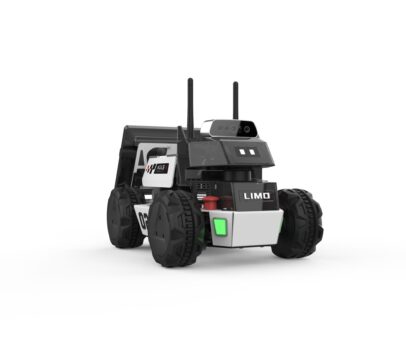
Contextual Overview of NVIDIA’s Contributions to Robotics Development The recent ROSCon 2025 conference in Singapore showcased significant advancements in robotics development, particularly through NVIDIA’s initiatives. As a central figure in the robotics and AI landscape, NVIDIA’s collaboration with the Open Source Robotics Alliance (OSRA) aims to foster an open framework for next-generation robotics. This framework is pivotal for enhancing the capabilities of the Robot Operating System (ROS), which has been widely adopted for building robotic systems. NVIDIA’s contributions emphasize the integration of accelerated AI processing and real-time control, thus addressing the increasing demand for sophisticated robotics solutions. Main Goal and Achievements The primary objective of NVIDIA’s recent endeavors is to establish ROS 2 as the premier open-source framework for real-world robotic applications. This is achieved through the introduction of GPU-aware abstractions that enable ROS 2 to effectively manage diverse processing units, such as CPUs and GPUs. By doing this, NVIDIA ensures not only a consistent and high-speed performance across various hardware but also future-proofs the ROS ecosystem against rapid technological advancements. The open-sourcing of tools like the Greenwave Monitor further aids developers in identifying performance bottlenecks, thereby accelerating the development process associated with robotics. Advantages of NVIDIA’s Initiatives Enhanced Performance: The integration of GPU-aware abstractions allows for optimized processing capabilities, ensuring high-speed performance in robotic applications. Open-Source Accessibility: By contributing to open-source frameworks, NVIDIA enables a broader community of developers to access cutting-edge tools and libraries, facilitating innovation and collaboration. Streamlined Development Processes: Tools like the Greenwave Monitor assist developers in quickly identifying and resolving performance issues, thereby reducing development time. Robust Simulation Frameworks: The availability of high-fidelity simulation tools, such as NVIDIA Isaac Sim, enhances the testing and validation processes for robotic systems, allowing for more reliable deployments. However, it is important to note the potential limitations associated with reliance on NVIDIA’s frameworks, including the need for developers to adapt to new tools and the inherent complexities involved in integrating various hardware components. Future Implications of AI Developments in Robotics The trajectory of AI advancements, particularly in the context of robotics, is set to transform how robots are developed and deployed across industries. As NVIDIA continues to enhance the capabilities of ROS and its associated frameworks, the implications for Generative AI Scientists are profound. The integration of AI models into robotics will facilitate more autonomous and intelligent behaviors, enabling robots to perform complex tasks with minimal human intervention. Furthermore, the emphasis on open-source development fosters a collaborative environment that accelerates innovation, allowing researchers and developers to build upon existing technologies. This paradigm shift not only enhances the performance of robotic systems but also democratizes access to advanced AI tools, paving the way for a new generation of intelligent robotics solutions. Disclaimer The content on this site is generated using AI technology that analyzes publicly available blog posts to extract and present key takeaways. We do not own, endorse, or claim intellectual property rights to the original blog content. Full credit is given to original authors and sources where applicable. Our summaries are intended solely for informational and educational purposes, offering AI-generated insights in a condensed format. They are not meant to substitute or replicate the full context of the original material. If you are a content owner and wish to request changes or removal, please contact us directly. Source link : Click Here

Context of Gemini 2.5 Updates in Generative AI Models The recent advancements in the Gemini 2.5 model family illustrate significant strides in the Generative AI landscape. The Gemini 2.5 suite encompasses multiple models, including Gemini 2.5 Pro, Flash, and the newly introduced Flash-Lite. These models are designed to enhance reasoning capabilities, allowing for improved performance and accuracy in various applications. By granting developers control over the “thinking budget,” these models enable a customized approach to response generation, enhancing usability in real-world applications. Main Goals and Their Achievement The primary objective of the Gemini 2.5 updates is to provide users with versatile, efficient, and cost-effective AI models that can adapt to diverse application needs. This can be achieved through the introduction of varying tiers of models, each optimized for different tasks such as high-throughput classification or summarization. The introduction of Flash-Lite, for instance, offers a low-cost, high-speed option that facilitates rapid decision-making processes, making it an ideal choice for developers focused on efficiency. Advantages of the Gemini 2.5 Model Family Enhanced Performance: The Gemini 2.5 models exhibit superior performance metrics, particularly in tasks requiring reasoning and decision-making. Evidence suggests that Flash-Lite offers lower latency and improved throughput compared to its predecessors. Cost Efficiency: With updated pricing models, Gemini 2.5 Flash now presents a more economically viable option, reducing costs for input and output tokens while maintaining a single pricing tier, which simplifies budgeting for developers. Dynamic Control: The ability to manage the thinking budget dynamically allows developers to tailor performance based on specific task requirements, enhancing the model’s adaptability across various applications. Comprehensive Tool Support: Each model in the Gemini 2.5 family is compatible with a suite of native tools, including Grounding with Google Search and Code Execution, thereby extending their functionality and integration capabilities. However, it is important to note that while these advancements offer substantial benefits, they may require developers to adjust their existing workflows to fully leverage the new features and pricing structures. Future Implications of AI Developments The continued evolution of AI models like Gemini 2.5 is poised to reshape how Generative AI is utilized across various sectors. As the demand for intelligent, responsive AI systems grows, we can anticipate a shift towards more sophisticated models capable of handling complex tasks with minimal latency. Furthermore, the competitive pricing strategies implemented through the latest updates will likely encourage broader adoption among developers and businesses, paving the way for innovative applications across industries. In conclusion, the advancements associated with Gemini 2.5 not only highlight the ongoing evolution within the Generative AI space but also underscore the importance of adaptability and efficiency in AI model development. These developments promise a future where intelligent systems are more accessible, versatile, and integrated into everyday applications, ultimately benefiting both developers and end-users alike. Disclaimer The content on this site is generated using AI technology that analyzes publicly available blog posts to extract and present key takeaways. We do not own, endorse, or claim intellectual property rights to the original blog content. Full credit is given to original authors and sources where applicable. Our summaries are intended solely for informational and educational purposes, offering AI-generated insights in a condensed format. They are not meant to substitute or replicate the full context of the original material. If you are a content owner and wish to request changes or removal, please contact us directly. Source link : Click Here


