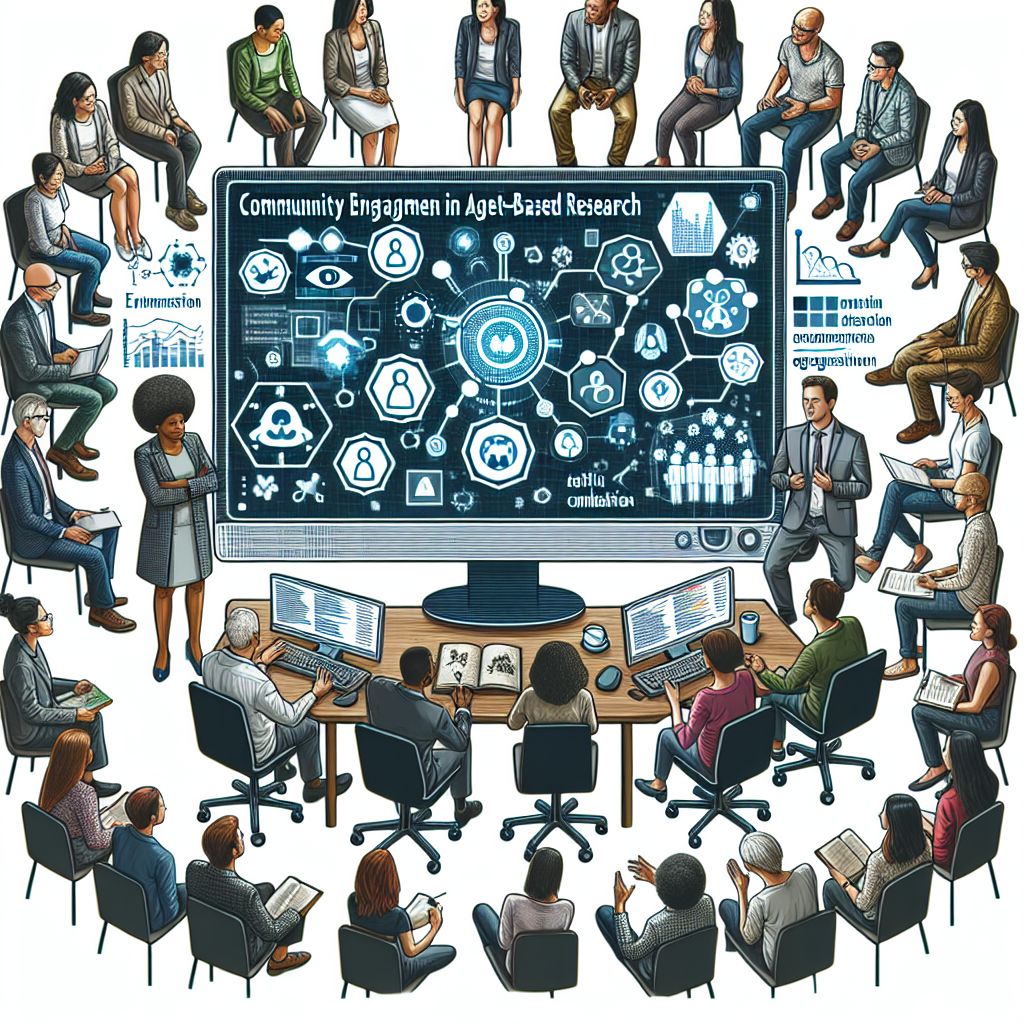
Introduction In the evolving landscape of artificial intelligence, the development of reliable AI agents is paramount. These agents are envisioned to function as dependable assistants, adeptly managing ambiguous instructions, executing tasks, and adapting to unforeseen circumstances while avoiding inaccuracies. Despite the potential, the current state of AI agent development presents several challenges, particularly in evaluating their performance in real-world scenarios. This blog post elucidates the introduction of Gaia2 and the Meta Agents Research Environments (ARE), which aim to enhance the capabilities of AI agents through a more complex and realistic evaluative framework. Objectives of the Gaia2 Initiative The primary objective of Gaia2 is to facilitate a more nuanced evaluation of AI agents’ abilities in handling complex tasks that resemble real-world applications. By extending the capabilities established in the original GAIA benchmark, Gaia2 introduces a multi-faceted framework that allows for rigorous testing of agent behaviors in dynamic and unpredictable environments. This initiative seeks to address the limitations of existing evaluation methods, which often fail to replicate the complexity and chaos of real-world scenarios. The anticipated outcomes include improved agent performance in terms of adaptability, ambiguity handling, and execution of complex tasks. Advantages of Gaia2 and ARE Enhanced Complexity Management: Gaia2 introduces a read-and-write benchmark that evaluates agents on their ability to follow multi-step instructions and handle ambiguous queries. This allows developers to understand an agent’s capacity for complex task management. Realistic Simulation Environments: By utilizing ARE, researchers can create customizable environments that closely mimic real-life conditions, enabling more accurate assessments of agent performance. Structured Trace Analysis: The automatic recording of agent interactions provides detailed insights into decision-making processes, which can be exported for further analysis. This transparency aids in debugging and refining models. Community-Driven Development: The open-source nature of Gaia2 and ARE encourages collaboration and innovation within the AI community, allowing researchers to build upon each other’s work and share findings. Benchmarking Against Multiple Models: Gaia2 allows for comparative evaluations across a range of models, facilitating a comprehensive understanding of their strengths and weaknesses in handling various tasks. Limitations and Caveats While the advancements offered by Gaia2 and ARE present significant benefits, certain limitations warrant consideration. The complexity of tasks may still pose challenges for current AI models, particularly in areas such as time-sensitive actions and adaptability to unpredictable changes. Moreover, the requirement for a high degree of customization in testing scenarios may necessitate substantial expertise, potentially limiting accessibility for less experienced developers. Future Implications of AI Development The trajectory of AI development, particularly in the context of agent-based systems, suggests a future where AI agents become increasingly adept at functioning autonomously in complex environments. As frameworks like Gaia2 become more established, the potential for AI agents to integrate into daily tasks will grow, leading to greater reliance on these systems in both personal and professional spheres. Furthermore, ongoing improvements in AI capabilities may facilitate the development of agents that not only perform tasks but also learn and adapt dynamically, thereby enhancing their utility and effectiveness in real-world applications. Conclusion In summary, Gaia2 and the Meta Agents Research Environments represent significant advancements in the evaluation and development of AI agents. By providing a robust platform for testing agent capabilities in realistic and complex scenarios, these tools hold the promise of fostering more reliable and adaptable AI systems. As the field continues to evolve, the collaborative efforts of researchers and developers will be crucial in pushing the boundaries of what AI agents can achieve. Disclaimer The content on this site is generated using AI technology that analyzes publicly available blog posts to extract and present key takeaways. We do not own, endorse, or claim intellectual property rights to the original blog content. Full credit is given to original authors and sources where applicable. Our summaries are intended solely for informational and educational purposes, offering AI-generated insights in a condensed format. They are not meant to substitute or replicate the full context of the original material. If you are a content owner and wish to request changes or removal, please contact us directly. Source link : Click Here

Context of the Industrial AI Cloud Initiative In a significant advancement for Germany’s industrial landscape, Deutsche Telekom and NVIDIA have announced the launch of the world’s first Industrial AI Cloud, a sovereign enterprise-grade platform set to be operational by early 2026. This collaboration aims to merge Deutsche Telekom’s robust infrastructure with NVIDIA’s cutting-edge AI and Omniverse digital twin technologies, signifying a pivotal moment in the evolution of industrial AI in Europe. The initiative is part of Germany’s broader strategy to enhance its competitiveness in the global market and to foster innovation through the integration of advanced AI solutions in manufacturing processes. Main Goals and Achievements The primary goal of the Industrial AI Cloud is to establish a secure, sovereign platform that facilitates the development and deployment of AI technologies tailored to the industrial sector. This innovative cloud infrastructure is designed to empower enterprises by providing them with the necessary computational capabilities and resources to harness AI effectively. By leveraging state-of-the-art NVIDIA hardware, including DGX B200 systems and RTX PRO Servers, the platform aims to support various industry applications ranging from digital twins to predictive maintenance and robotics. Advantages of the Industrial AI Cloud Enhanced Computational Power: The Industrial AI Cloud is equipped with up to 10,000 NVIDIA GPUs, offering unparalleled computational capabilities essential for complex simulations and advanced AI applications. Sovereign AI Development: The platform is designed to promote sovereignty in AI, ensuring that European industries can develop and implement AI solutions without reliance on external sources, which enhances data security and compliance with local regulations. Industry-Specific Solutions: The cloud facilitates the creation of tailored AI applications that meet the unique needs of various sectors, including automotive, healthcare, and manufacturing, thereby improving operational efficiencies and innovation. Collaborative Ecosystem: The initiative encourages partnerships among industry leaders, technology providers, and governmental bodies, fostering a collaborative environment that can drive rapid technological advancements and shared knowledge. While these advantages present significant opportunities, it is important to acknowledge potential limitations such as the initial investment required for migration to cloud-based solutions and the need for ongoing training and education for personnel to fully leverage the capabilities of AI technologies. Future Implications of AI Developments The emergence of the Industrial AI Cloud heralds a new era for AI in manufacturing, with the potential to revolutionize traditional production methodologies. As AI technologies continue to evolve, we can expect to see further integration of AI in various industrial applications, leading to enhanced automation, improved decision-making processes, and increased operational efficiency. Moreover, the development of AI-driven digital twins will enable real-time monitoring and optimization of manufacturing processes, fostering a more agile production environment. In conclusion, the Industrial AI Cloud initiative represents a transformative step towards the realization of Industry 4.0 in Germany and has the potential to set a benchmark for similar initiatives across Europe. As organizations brace for this technological shift, the collaboration between Deutsche Telekom and NVIDIA epitomizes the commitment to fostering a sustainable and competitive industrial landscape in the age of AI. Disclaimer The content on this site is generated using AI technology that analyzes publicly available blog posts to extract and present key takeaways. We do not own, endorse, or claim intellectual property rights to the original blog content. Full credit is given to original authors and sources where applicable. Our summaries are intended solely for informational and educational purposes, offering AI-generated insights in a condensed format. They are not meant to substitute or replicate the full context of the original material. If you are a content owner and wish to request changes or removal, please contact us directly. Source link : Click Here

Contextual Overview The ongoing evolution of artificial intelligence (AI) necessitates robust frameworks for evaluating the performance of AI agents within practical environments. The recent release of Terminal-Bench 2.0 and Harbor represents a significant advancement in this area, offering a comprehensive benchmarking suite and a versatile framework for testing AI agents in containerized environments. This dual release is designed to alleviate persistent challenges in the assessment and optimization of AI agents, particularly those intended for autonomous operation in real-world developer settings. Main Goal of the Releases The primary objective of Terminal-Bench 2.0 and Harbor is to standardize the evaluation process of AI agents by providing a set of rigorously defined tasks and a scalable infrastructure for testing. By introducing a more challenging and thoroughly validated task set, Terminal-Bench 2.0 replaces its predecessor, enhancing the assessment of frontier model capabilities. Harbor complements this by facilitating the deployment and evaluation of AI agents across extensive cloud infrastructures, promoting efficiency and consistency in testing. Advantages of Terminal-Bench 2.0 and Harbor Improved Task Validation: Terminal-Bench 2.0 includes 89 meticulously validated tasks, enhancing the reliability and reproducibility of benchmark results. This focus on task quality ensures that the performance metrics are meaningful and actionable. Scalability: Harbor’s architecture supports large-scale evaluations, allowing researchers to deploy and assess AI agents across thousands of cloud containers. This scalability is crucial for accommodating the growing complexity of AI applications. Integration with Diverse Architectures: Harbor is designed to work seamlessly with both open-source and proprietary agents, supporting various architectures and fostering innovation across the AI landscape. Standardization of Evaluation Processes: The combination of Terminal-Bench 2.0 and Harbor promotes a unified evaluation framework, paving the way for consistent methodologies in AI agent assessment. Accessibility for Researchers: The public availability of Harbor and its supporting documentation enables researchers and developers to easily test and submit their agents, fostering collaboration and knowledge sharing within the AI community. However, potential limitations include the reliance on cloud infrastructure, which may pose accessibility issues for smaller research groups or those in resource-limited settings. Additionally, the evolving nature of AI technologies may necessitate ongoing updates to the benchmark tasks to maintain relevance. Future Implications The advancements represented by Terminal-Bench 2.0 and Harbor signal a transformative shift in the landscape of AI research and development. As AI models become increasingly complex and integrated into diverse applications, the need for robust evaluation frameworks will grow. This will likely lead to the establishment of standardized benchmarks across various domains, facilitating comparison and collaboration among researchers and practitioners. Furthermore, as generative AI models continue to evolve, their deployment in operational settings will require even more rigorous testing processes to ensure reliability and safety. Disclaimer The content on this site is generated using AI technology that analyzes publicly available blog posts to extract and present key takeaways. We do not own, endorse, or claim intellectual property rights to the original blog content. Full credit is given to original authors and sources where applicable. Our summaries are intended solely for informational and educational purposes, offering AI-generated insights in a condensed format. They are not meant to substitute or replicate the full context of the original material. If you are a content owner and wish to request changes or removal, please contact us directly. Source link : Click Here

Context The emergence of Generative AI models and their applications has profoundly influenced the landscape of Graphical User Interface (GUI) automation. As AI continues to evolve, the integration of lightweight vision-language models (VLMs) that can acquire GUI-grounded skills is pivotal. This process enables AI agents to navigate various digital platforms—mobile, desktop, and web—reshaping user interactions. The aim is to develop agents capable of understanding and interacting with GUI elements effectively, ultimately enhancing automation and user experience. Main Goal The primary objective articulated in the original post is to illustrate a multi-phase training strategy that transforms a basic VLM into an agentic GUI coder. This transformation involves instilling grounding capabilities in the model, followed by enhancing its reasoning abilities through Supervised Fine-Tuning (SFT). Achieving this goal requires a well-structured approach that includes data processing, model training, and iterative evaluation using established benchmarks. Advantages Comprehensive Training Methodology: The multi-phase approach allows for the gradual enhancement of model capabilities, ensuring that each stage builds upon the previous one, thereby enhancing the overall effectiveness of the training process. Standardized Data Processing: By converting heterogeneous GUI action formats into a unified structure, the training process can leverage high-quality data, which is essential for effective model training. This standardization addresses inconsistencies across various datasets, enabling more reliable learning. Enhanced Performance Metrics: The training methodology demonstrated a substantial improvement in performance metrics, as evidenced by the +41% increase on the ScreenSpot-v2 benchmark, underscoring the efficacy of the training strategies employed. Open Source Resources: The availability of open-source training recipes, data-processing tools, and datasets encourages reproducibility and fosters further research and experimentation within the AI community. Flexible Adaptation Tools: The inclusion of tools such as the Action Space Converter allows users to customize action vocabularies, adapting the model for specific applications across different platforms (mobile, desktop, web). Caveats and Limitations While the methodology shows promise, there are inherent limitations. The effectiveness of the model is contingent upon the quality and diversity of the training data. Poorly curated datasets may hinder the model’s learning capabilities, leading to inadequate action predictions. Additionally, the training process requires substantial computational resources, which may not be accessible to all researchers or developers. Future Implications The advancements in AI, particularly in the realm of GUI automation, suggest a future where AI agents will not only assist users but will also evolve to learn and adapt in real-time through interactions. Emerging methodologies such as Reinforcement Learning (RL) and Direct Preference Optimization (DPO) are likely to enhance the reasoning capabilities of these agents, enabling them to tackle more complex tasks and provide personalized user experiences. As these developments unfold, the impact on the industry will be profound, potentially leading to a new generation of intelligent interfaces that seamlessly integrate with user needs. Disclaimer The content on this site is generated using AI technology that analyzes publicly available blog posts to extract and present key takeaways. We do not own, endorse, or claim intellectual property rights to the original blog content. Full credit is given to original authors and sources where applicable. Our summaries are intended solely for informational and educational purposes, offering AI-generated insights in a condensed format. They are not meant to substitute or replicate the full context of the original material. If you are a content owner and wish to request changes or removal, please contact us directly. Source link : Click Here

Contextualizing AI Investment Returns in a Post-ChatGPT Era The AI landscape has evolved significantly since the advent of ChatGPT, now marking three years since its launch. As generative AI continues to permeate various sectors, industry narratives have shifted, with some experts labeling the phenomenon as a “bubble.” This skepticism arises from the startling statistic reported in the MIT NANDA report, which found that an alarming 95% of AI pilots fail to scale or provide a clear return on investment (ROI). Concurrently, a report from McKinsey has suggested that the future of operational efficiency lies within agentic AI, challenging organizations to rethink their AI strategies. At the recent Technology Council Summit, leaders in AI technology advised Chief Information Officers (CIOs) to refrain from fixating on AI’s ROI, citing the inherent complexities in measuring gains. This perspective places technology executives in a challenging position, as they grapple with robust existing technology stacks while contemplating the benefits of integrating new, potentially disruptive technologies. Defining the Goal: Achieving Measurable ROI in AI Investments The primary objective of this discourse is to elucidate how organizations can achieve tangible returns on their investments in AI technology. To realize this goal, enterprises must adopt a strategic approach that encompasses their unique business contexts, data governance, and operational stability. Advantages of Strategic AI Deployment 1. **Data as a Core Asset**: Research indicates that organizations that prioritize their proprietary data as a strategic asset can enhance the effectiveness of AI applications. By feeding tailored data into AI models, companies can achieve quicker and more accurate results, thereby improving decision-making processes. 2. **Stability Over Novelty**: The most successful AI integrations often revolve around stable and mundane operational tasks rather than adopting the latest models indiscriminately. This approach minimizes disruption in critical workflows, allowing companies to maintain operational continuity while still benefiting from AI enhancements. 3. **Cost Efficiency**: A focus on user-centric design can lead to more economical AI deployments. Companies that align their AI initiatives with existing capabilities and operational needs tend to avoid excessive costs associated with vendor-driven specifications and benchmarks. 4. **Long-term Viability**: By abstracting workflows from direct API dependencies, organizations can ensure that their AI systems remain resilient and adaptable. This adaptability enables firms to upgrade or modify their AI capabilities without jeopardizing existing operations. Caveats and Limitations Despite these advantages, challenges remain. Organizations must navigate the complexities of data privacy and security, particularly when collaborating with AI vendors who require access to proprietary data. Additionally, the rapid pace of technological advancement can render certain models obsolete, necessitating a careful balance between innovation and operational stability. Future Implications of AI Developments As AI technologies continue to evolve, their impact on business operations and organizational strategies will likely intensify. Future advancements in AI will necessitate a paradigm shift in how enterprises view their data, emphasizing the need for robust governance frameworks. Furthermore, the trend towards agentic AI suggests that organizations will increasingly rely on AI-driven solutions for operational efficiency, necessitating a reevaluation of traditional business models. In conclusion, while the journey toward realizing the full potential of AI investments may be fraught with challenges, a strategic approach centered on data value, operational stability, and cost efficiency can pave the way for measurable returns. As the AI landscape continues to develop, organizations that embrace these principles will be better positioned to thrive in an increasingly competitive environment. Disclaimer The content on this site is generated using AI technology that analyzes publicly available blog posts to extract and present key takeaways. We do not own, endorse, or claim intellectual property rights to the original blog content. Full credit is given to original authors and sources where applicable. Our summaries are intended solely for informational and educational purposes, offering AI-generated insights in a condensed format. They are not meant to substitute or replicate the full context of the original material. If you are a content owner and wish to request changes or removal, please contact us directly. Source link : Click Here

Contextual Framework: Recognition of Pioneers in AI and Machine Learning This week, Jensen Huang, the founder and CEO of NVIDIA, alongside Chief Scientist Bill Dally, received the esteemed 2025 Queen Elizabeth Prize for Engineering in the United Kingdom. Their recognition is a testament to their foundational contributions to the fields of artificial intelligence (AI) and machine learning, particularly through the development of graphics processing unit (GPU) architectures that underpin contemporary AI systems. The award, presented by His Majesty King Charles III, underscores their leadership in pioneering accelerated computing, which has initiated a significant paradigm shift across the technological landscape. Huang and Dally’s innovations have catalyzed advancements in machine learning algorithms and applications, showcasing the revolutionary impact of their work on the entire computer industry. As AI continues to evolve, it has emerged as a vital infrastructure, akin to electricity and the internet in prior generations, facilitating unprecedented advancements in various technological domains. Main Goal and Pathway for Achievement The primary goal highlighted by Huang and Dally’s recognition is the continued evolution and refinement of AI technologies through innovative computing architectures. Achieving this goal necessitates a commitment to interdisciplinary collaboration, investment in research and development, and a focus on education and infrastructure that empowers future generations of engineers and scientists. Their ongoing efforts aim to enhance AI capabilities, enabling researchers to train intricate models and simulate complex systems, thereby advancing scientific discovery at an extraordinary scale. Advantages of Accelerated Computing in AI Pioneering Accelerated Computing: Huang and Dally’s contributions have led to the creation of architectures that significantly enhance the computational power available for AI applications. This improvement allows for faster and more efficient processing of large datasets. Facilitating Scientific Advancement: Their work has empowered researchers to conduct simulations and analyses that were previously unattainable, thus driving innovation in various scientific fields. Empowerment through AI: By refining AI hardware and software, they have made it possible for AI technologies to assist individuals in achieving greater outcomes across diverse sectors, including healthcare, finance, and education. Legacy of Innovation: The recognition of their work contributes to a broader tradition of celebrating engineering excellence, particularly within the U.K., which fosters a culture of ingenuity and technological advancement. Limitations and Caveats Despite the numerous advantages associated with accelerated computing in AI, certain limitations must be acknowledged. The reliance on increasingly complex architectures may lead to significant resource consumption and environmental concerns. Additionally, the rapid pace of technological advancement necessitates continuous learning and adaptation by professionals in the field, which can pose challenges for workforce development. Future Implications: The Trajectory of AI Developments As the field of AI continues to evolve, the implications of Huang and Dally’s work will resonate across various domains. The ongoing refinement of AI technologies is likely to enhance their applicability in real-world scenarios, enabling more efficient problem-solving and decision-making processes. Furthermore, the collaboration between governmental bodies, industry leaders, and educational institutions is essential for nurturing future talent in engineering and AI-related fields. This commitment to innovation and collaboration will be pivotal in shaping the future of AI and its integration into everyday life, ultimately influencing how society interacts with technology. Disclaimer The content on this site is generated using AI technology that analyzes publicly available blog posts to extract and present key takeaways. We do not own, endorse, or claim intellectual property rights to the original blog content. Full credit is given to original authors and sources where applicable. Our summaries are intended solely for informational and educational purposes, offering AI-generated insights in a condensed format. They are not meant to substitute or replicate the full context of the original material. If you are a content owner and wish to request changes or removal, please contact us directly. Source link : Click Here

Context: The Evolution of AI Infrastructure Recent developments in the field of artificial intelligence (AI) have marked a significant shift in the infrastructure required to support AI model deployment. Google Cloud has unveiled its seventh-generation Tensor Processing Unit (TPU), dubbed Ironwood, alongside enhanced Arm-based computing options. This innovation is heralded as a pivotal advancement aimed at meeting the escalating demand for AI model deployment, reflecting a broader industry transition from model training to serving AI applications at scale. The strategic partnership with Anthropic, which involves a commitment to utilize up to one million TPU chips, underscores the urgency and importance of this technological evolution. The implications of such advancements are profound, particularly for the Generative AI Models and Applications sector, where efficiency, speed, and reliability are paramount. Main Goals of AI Infrastructure Advancements The primary goal of Google’s recent announcements is to facilitate the transition from training AI models to deploying them efficiently in real-world applications. This shift is critical as organizations increasingly require systems capable of handling millions or billions of requests per day. To achieve this, the focus must shift towards enhancing inference capabilities, ensuring low latency, high throughput, and consistent reliability in AI interactions. Advantages of Google’s New AI Infrastructure Performance Enhancement: Ironwood delivers over four times the performance of its predecessor, significantly improving both training and inference workloads. This is achieved through a system-level co-design strategy that optimizes not just the individual chips but their integration. Scalability: The architecture allows a single Ironwood pod to connect up to 9,216 chips, functioning as a supercomputer with massive bandwidth capacity. This scalability enables the handling of extensive data workloads, essential for Generative AI applications. Reliability: Google reports an uptime of approximately 99.999% for its liquid-cooled TPU systems, ensuring continuous operation. This reliability is crucial for businesses that depend on AI systems for critical tasks. Validation through Partnerships: The substantial commitment from Anthropic to utilize one million TPU chips serves as a powerful endorsement of the technology’s capabilities, further validating Google’s custom silicon strategy and enhancing the credibility of its infrastructure. Cost Efficiency: The new Axion processors, designed for general-purpose workloads, provide up to 2X better price-performance compared to existing x86-based systems, thereby reducing operational costs for organizations utilizing AI technologies. Limitations and Caveats While the advancements present significant benefits, they also come with caveats. Custom chip development requires substantial upfront investments, which may pose a barrier for smaller organizations. Additionally, the rapidly evolving AI model landscape means that today’s optimized solutions may quickly become outdated, necessitating ongoing investment in infrastructure and adaptation to new technologies. Future Implications: The Trajectory of AI Infrastructure The advancements in AI infrastructure herald a future where the capabilities of AI applications are vastly expanded. As organizations transition from research to production, the infrastructure that supports AI—comprising silicon, software, networking, power, and cooling—will play an increasingly pivotal role in shaping the landscape of AI applications. The industry is likely to witness further investment in custom silicon solutions as cloud providers seek to differentiate their offerings and enhance performance metrics. Furthermore, as AI technologies become more integral to various sectors, the ability to deliver reliable, low-latency interactions will be critical for maintaining competitive advantage. The strategic focus on inference capabilities suggests that the next wave of AI innovations will prioritize real-time responsiveness and scalability to meet the demands of an ever-growing user base. Disclaimer The content on this site is generated using AI technology that analyzes publicly available blog posts to extract and present key takeaways. We do not own, endorse, or claim intellectual property rights to the original blog content. Full credit is given to original authors and sources where applicable. Our summaries are intended solely for informational and educational purposes, offering AI-generated insights in a condensed format. They are not meant to substitute or replicate the full context of the original material. If you are a content owner and wish to request changes or removal, please contact us directly. Source link : Click Here

Context The evolution of the swift-transformers library over the past two years has significantly impacted the landscape for Apple developers working with local Large Language Models (LLMs). Designed to streamline the integration of LLMs in applications, this library has undergone numerous enhancements based on community feedback and evolving technological capabilities. Key developments include the introduction of MLX for machine learning experiences and new chat templates, both of which have broadened the scope of applications for developers in the Generative AI Models and Applications sector. Going forward, the community’s needs and use cases will continue to shape the trajectory of this library. Main Goal and Achievement The primary objective of the swift-transformers library is to provide Apple developers with a seamless framework for deploying local LLMs. Achieving this goal requires a robust architecture that integrates essential components—including tokenizers, a model hub, and tools for model generation—while ensuring compatibility with Apple’s Core ML framework. By fostering a developer-friendly environment, the library aims to minimize barriers to entry and enhance the user experience for those engaged in Generative AI. Advantages of Swift Transformers Integration with Existing Ecosystems: The library is designed to work seamlessly with Apple’s Core ML and MLX frameworks, allowing developers to leverage existing tools while enhancing their applications with generative capabilities. Community-Driven Development: Continuous updates and enhancements are informed by actual usage patterns and feedback from the developer community, ensuring that the library evolves to meet real-world needs. Comprehensive Component Support: The inclusion of tokenizers and a model hub facilitates efficient model management and deployment, providing developers with the necessary tools to prepare inputs and manage model interactions. Increased Stability: The recent release of version 1.0 marks a significant milestone, indicating a stable foundation for developers to build upon, thus fostering confidence in the library’s reliability. Future-Focused Innovations: The library is poised to incorporate advancements in MLX and agentic use cases, ensuring that it remains at the forefront of technological developments in Generative AI. Future Implications The ongoing development of the swift-transformers library indicates a strong trajectory toward deeper integration of generative AI technologies within native applications. As developers increasingly adopt these tools, the implications for the industry are profound. Future iterations of the library are expected to introduce enhanced functionalities that will not only simplify the development process but also empower developers to create more sophisticated and interactive applications. The emphasis on agentic use cases suggests a shift towards applications that leverage AI’s capabilities to perform tasks autonomously, thereby transforming user interactions and workflows. Conclusion In conclusion, the advancements in the swift-transformers library underscore a significant step forward for Apple developers and the broader Generative AI community. By continuing to prioritize community needs and integrating innovative technologies, this library is set to play a pivotal role in shaping the future landscape of AI applications. As developments unfold, the collaboration between developers and the library’s maintainers will be essential in maximizing the potential of on-device LLMs. Disclaimer The content on this site is generated using AI technology that analyzes publicly available blog posts to extract and present key takeaways. We do not own, endorse, or claim intellectual property rights to the original blog content. Full credit is given to original authors and sources where applicable. Our summaries are intended solely for informational and educational purposes, offering AI-generated insights in a condensed format. They are not meant to substitute or replicate the full context of the original material. If you are a content owner and wish to request changes or removal, please contact us directly. Source link : Click Here

Context and Relevance in Applied Machine Learning In the rapidly evolving landscape of Applied Machine Learning (AML), the integration of advanced writing tools such as Grammarly and ProWritingAid has emerged as a pivotal aspect for professionals striving for clarity and precision in their communication. Effective communication is essential in AML, where complex concepts and methodologies must be articulated clearly to diverse audiences, including stakeholders, clients, and interdisciplinary teams. The original blog post discusses two prominent grammar checking applications, highlighting their functionalities and comparative strengths, which can significantly enhance the writing proficiency of AML practitioners. Main Goals and Achievements The primary goal of the original post is to provide a comprehensive comparison of Grammarly and ProWritingAid, assisting users in determining which tool best meets their writing needs. This goal can be achieved by systematically evaluating the features, user interfaces, and unique advantages of each application. By doing so, practitioners in the field of AML can select the tool that not only corrects grammatical errors but also enhances their overall writing quality, thereby improving their ability to convey complex technical information succinctly and effectively. Structured Advantages of Using Grammar Checkers in AML Enhanced Clarity: Both tools help reduce ambiguity in writing by identifying grammatical errors and suggesting improvements, which is particularly crucial in technical documentation and research papers. Real-Time Feedback: Grammarly’s real-time suggestions allow for immediate corrections, enabling practitioners to refine their writing as they draft, thus increasing efficiency. Plagiarism Detection: The plagiarism-checking feature in Grammarly helps ensure the originality of written content, a critical factor in research and publication within AML. In-depth Reports: ProWritingAid provides detailed reports on writing style and readability, offering insights that can help practitioners improve their writing skills over time. Customization Options: Both tools allow for customization, such as creating personal dictionaries and adjusting for regional language differences, which is beneficial for global teams. Caveats and Limitations While both Grammarly and ProWritingAid offer substantial benefits, there are important limitations to consider. For instance, the free versions of these tools may not provide comprehensive feedback, and some advanced features, such as plagiarism detection, are only available in premium versions. Additionally, ProWritingAid’s interface may be less intuitive than Grammarly’s, potentially leading to a steeper learning curve for new users. Furthermore, reliance on automated grammar checkers can sometimes result in missed context-specific errors that require human judgment to resolve. Future Implications of AI Developments in Writing Assistance As artificial intelligence continues to advance, the implications for writing assistance tools are profound. Future developments may lead to even more sophisticated grammar checkers that leverage natural language processing algorithms to provide context-aware suggestions. This could result in applications that not only correct grammatical errors but also understand the nuances of technical language in fields like AML, further enhancing the quality of communication. Furthermore, the integration of AI with collaborative writing platforms may foster an environment where machine learning practitioners can collaborate more effectively, ensuring that complex ideas are communicated with clarity and precision. Disclaimer The content on this site is generated using AI technology that analyzes publicly available blog posts to extract and present key takeaways. We do not own, endorse, or claim intellectual property rights to the original blog content. Full credit is given to original authors and sources where applicable. Our summaries are intended solely for informational and educational purposes, offering AI-generated insights in a condensed format. They are not meant to substitute or replicate the full context of the original material. If you are a content owner and wish to request changes or removal, please contact us directly. Source link : Click Here

Context In the rapidly evolving field of Computer Vision and Image Processing, the demand for innovative tools that enhance the efficiency of 3D asset editing is paramount. The introduction of Nano3D represents a significant stride in this domain, facilitating seamless modifications to three-dimensional objects. Developed collaboratively by esteemed institutions such as Tsinghua University and Peking University, Nano3D enables users to perform intricate edits—such as adding, removing, or replacing components of 3D models—without necessitating manual masks or extensive retraining of models. This advancement not only streamlines workflows for creators but also bridges the gap between traditional 2D editing paradigms and the complexities of 3D manipulation. Main Goals of Nano3D At its core, Nano3D aims to revolutionize the 3D editing landscape by eliminating the burdens typically associated with manual masking and model retraining. This goal is achieved through the integration of advanced methodologies, specifically FlowEdit and TRELLIS, which allow for localized, precise edits in a voxel-based framework. By harnessing pre-trained models, Nano3D facilitates high-quality modifications with minimal input, thereby enhancing the editing experience for users across various industries. Advantages of Nano3D Training-Free, Mask-Free Editing: Users can achieve high-quality localized edits without the need for additional training or manual mask creation, which simplifies the editing process and reduces time investment. Integration of FlowEdit and TRELLIS: This synergy extends existing image editing techniques into the 3D realm, ensuring that edits maintain semantic alignment and geometric integrity, thereby preserving the overall quality of the 3D asset. Voxel/Slat-Merge Strategy: Nano3D introduces a novel approach to merging regions, which ensures that texture and geometry consistency is maintained across unaltered sections of the model, enhancing the visual coherence of the edited asset. Creation of the Nano3D-Edit-100k Dataset: This comprehensive dataset, comprising over 100,000 paired samples, lays the foundation for future advancements in feed-forward 3D editing models, promoting further research and development in the field. Superior Performance Metrics: Comparative analyses indicate that Nano3D outperforms existing models like Tailor3D and Vox-E, achieving twice the structure preservation and superior visual quality, which underscores its efficacy and reliability. Caveats and Limitations While Nano3D presents a myriad of advantages, it is crucial to acknowledge potential limitations. The reliance on pre-trained models may restrict functionality in highly specialized contexts where unique training is necessary. Moreover, the performance of the system may vary depending on the complexity of the 3D model being edited. Continuous advancements in AI will be necessary to address these limitations and ensure broad applicability across diverse editing scenarios. Future Implications The advent of Nano3D is poised to catalyze significant advancements in AI-driven 3D content creation, particularly within the realms of gaming, augmented reality (AR), virtual reality (VR), and robotics. As AI technologies continue to evolve, the integration of intelligent algorithms into 3D editing workflows is likely to enhance user experience and accessibility. Future developments may also see the emergence of more sophisticated models capable of handling complex edits with even greater efficiency. Ultimately, the ongoing evolution of AI in this context will empower creators, making interactive and customizable 3D content more achievable than ever before. Disclaimer The content on this site is generated using AI technology that analyzes publicly available blog posts to extract and present key takeaways. We do not own, endorse, or claim intellectual property rights to the original blog content. Full credit is given to original authors and sources where applicable. Our summaries are intended solely for informational and educational purposes, offering AI-generated insights in a condensed format. They are not meant to substitute or replicate the full context of the original material. If you are a content owner and wish to request changes or removal, please contact us directly. Source link : Click Here


