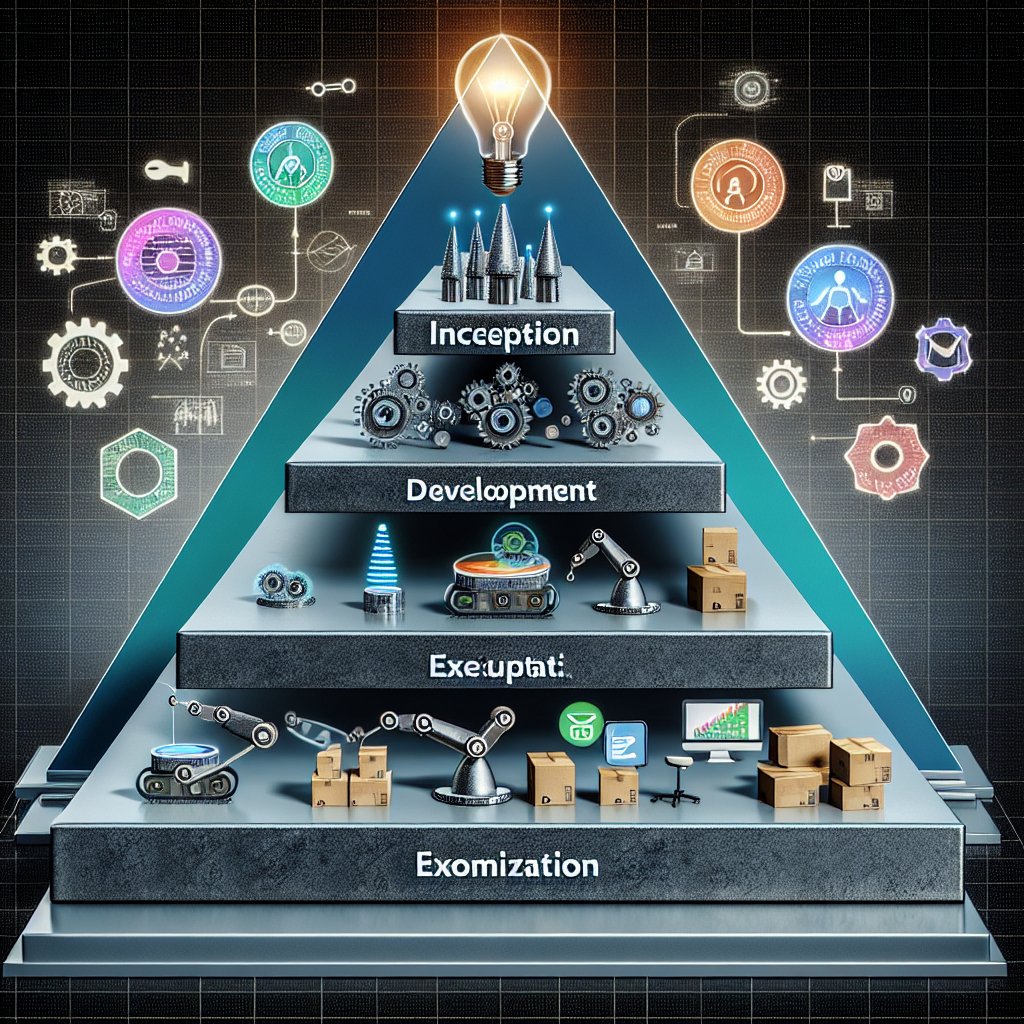
Context: AI in Smart Manufacturing and Robotics Artificial Intelligence (AI) is increasingly becoming a pivotal component in Smart Manufacturing and Robotics. Historically, AI’s utility in Product Lifecycle Management (PLM) has evolved significantly, particularly with the emergence of advanced technologies such as generative AI and Agentic AI. The integration of AI into manufacturing processes has transformed not only the tools used by engineers but the very methodologies they employ in design, production, and maintenance. The discourse has shifted from whether AI should be adopted to how it can be effectively integrated within existing systems. Organizations are now faced with the challenge of navigating this transition without incurring unnecessary costs or operational failures. This necessitates a clear understanding of AI’s role within the framework of PLM. Main Goal: Achieving Effective AI Integration The primary objective articulated in the original article is to present a structured framework that guides organizations through the integration of AI in PLM. This Four-Level Framework delineates the prerequisites and capabilities associated with each stage, providing a roadmap for companies to enhance their operational efficiency and decision-making processes through AI. To achieve this goal, organizations must first comprehend the distinct levels of AI maturity, from basic tool-native AI (Level 1) to the development of custom AI models for competitive advantage (Level 4). Each level is contingent upon a foundation of clean data, integrated systems, skilled personnel, and robust governance frameworks. Advantages of the Four-Level Framework Structured Approach: The framework provides a clear pathway for organizations to follow, ensuring they can systematically advance in their AI capabilities. Enhanced Decision-Making: By progressing through the levels, organizations can leverage AI to improve the quality of their decisions, leading to better design and production outcomes. Cross-Functional Collaboration: Level 2 capabilities enable AI to synthesize data across multiple systems, fostering collaboration between departments such as engineering, procurement, and quality assurance. Competitive Advantage: Organizations that successfully implement Level 4 capabilities can build custom AI models tailored to their specific needs, positioning themselves ahead of competitors. Risk Mitigation: The framework highlights the importance of prerequisites, thereby helping organizations avoid costly missteps that arise from premature AI adoption. However, it is crucial to note that there are limitations associated with each level. For example, while Level 1 offers immediate value, its capabilities are confined to single-tool environments. Transitioning to Level 2 requires substantial investment in integration infrastructure and data governance, which may present challenges for resource-constrained organizations. Future Implications of AI in Smart Manufacturing and Robotics The trajectory of AI development suggests that its influence on Smart Manufacturing and Robotics will only intensify in the coming years. As technologies evolve, the capabilities of AI will expand, enabling even greater automation and intelligent decision-making. Companies that proactively engage with the Four-Level Framework will be better equipped to adapt to these changes. Anticipated advancements in AI, such as improved machine learning algorithms and enhanced data analytics, will further facilitate the integration of AI across all levels of manufacturing. This evolution will likely lead to increased efficiency, reduced time-to-market, and heightened product quality. In conclusion, understanding and implementing the Four-Level Framework for AI in PLM is not merely a strategic advantage; it is becoming essential for organizations aiming to thrive in the rapidly changing landscape of Smart Manufacturing and Robotics. Disclaimer The content on this site is generated using AI technology that analyzes publicly available blog posts to extract and present key takeaways. We do not own, endorse, or claim intellectual property rights to the original blog content. Full credit is given to original authors and sources where applicable. Our summaries are intended solely for informational and educational purposes, offering AI-generated insights in a condensed format. They are not meant to substitute or replicate the full context of the original material. If you are a content owner and wish to request changes or removal, please contact us directly. Source link : Click Here

Context The recent statements from Lisa Gordon, the head of global communications at Palantir Technologies, regarding the company’s political realignment towards the Trump administration, have raised concerns within the technology and finance sectors. As organizations increasingly navigate a politically charged environment, the implications of such shifts resonate deeply, particularly in the realm of artificial intelligence (AI) in finance and fintech industries. This discussion is essential, given the pivotal role that AI technologies play in enhancing decision-making, optimizing operations, and driving the future of financial services. Main Goal and Its Achievement The primary goal emerging from this discourse is to understand how political dynamics influence corporate strategies and public perceptions, especially for companies like Palantir that operate at the intersection of technology and government. Achieving this understanding requires a robust framework for analyzing the internal and external implications of such shifts. Companies must prioritize transparency in their political affiliations and ensure that their core values align with the interests of their stakeholders while navigating the complexities of political engagement. Advantages of Political Alignment in AI and Finance Enhanced Government Contracts: Political alignment can facilitate access to lucrative government contracts, as evidenced by Palantir’s $10 billion deal with the U.S. Army. This contract underscores the financial benefits that can arise from strategic political positioning. Increased Support for AI Initiatives: As governmental focus shifts towards AI-driven efficiencies, companies aligned with the current administration may be better positioned to influence and participate in policy discussions, enhancing their technological adoption and integration within financial operations. Diverse Opinions Foster Innovation: Gordon’s assertion that Palantir welcomes diverse opinions reflects a broader trend where varied perspectives can lead to innovative solutions. This diversity is crucial in developing AI technologies that cater to a wide range of financial needs. Corporate Resilience: Companies that successfully navigate political shifts can demonstrate resilience and adaptability, qualities that are increasingly valued in the fast-evolving fintech landscape. Caveats and Limitations While the advantages of political alignment are notable, they come with caveats. The risk of alienating employees who may disagree with a company’s political stance can lead to talent attrition, as indicated by Karp’s admission of losing staff due to his pro-Israel views. Additionally, companies must be cautious of the potential backlash from consumers who may oppose their political affiliations. Thus, while political alignment can open doors, it may also close others. Future Implications The future of AI in finance and fintech is poised for significant transformation, influenced by ongoing political developments. As regulatory frameworks evolve, companies that leverage their political connections to advocate for favorable AI policies may gain a competitive edge. Furthermore, as AI technologies continue to advance, their integration into financial services will likely reshape job roles and operational strategies, necessitating a workforce that is adaptable and skilled in both technology and compliance. The intersection of political strategy and technological innovation will be crucial for companies aiming to thrive in this complex landscape. Disclaimer The content on this site is generated using AI technology that analyzes publicly available blog posts to extract and present key takeaways. We do not own, endorse, or claim intellectual property rights to the original blog content. Full credit is given to original authors and sources where applicable. Our summaries are intended solely for informational and educational purposes, offering AI-generated insights in a condensed format. They are not meant to substitute or replicate the full context of the original material. If you are a content owner and wish to request changes or removal, please contact us directly. Source link : Click Here

Contextual Overview In a significant advancement for mobile connectivity in the UK, Virgin Media O2 has announced its plans to introduce automatic satellite connectivity for customers in areas lacking traditional phone signal. This initiative, branded as O2 Satellite, is set to launch in the first half of 2026 through a collaboration with Elon Musk’s Starlink. The service aims to provide connectivity in rural regions where terrestrial networks are inadequate, thereby enhancing communication capabilities for users in remote locations. Main Goal and Implementation Strategy The primary objective of this initiative is to bridge the connectivity gap caused by geographical limitations in rural and remote areas. By leveraging satellite technology, Virgin Media O2 intends to ensure that users can maintain essential digital communications, particularly in emergencies. The implementation of this service requires the integration of compatible smartphones capable of switching to satellite connectivity automatically when terrestrial signals are unavailable. This approach not only aims to enhance user experience but also aligns with the growing demand for uninterrupted connectivity in today’s digitally-driven society. Advantages of Satellite Connectivity Enhanced Communication in Remote Areas: The introduction of satellite connectivity enables users in signal blackspots to access essential services such as messaging and navigation applications. This is particularly beneficial for individuals in rural settings where traditional mobile networks fall short. Automatic Switching to Satellite Signal: Enabled smartphones will seamlessly transition to satellite coverage when terrestrial networks are unavailable, providing users with a reliable communication alternative without manual intervention. Potential for Future Capabilities: While the initial service will not support voice calls, future iterations may allow for voice communications through data-based applications like WhatsApp, enhancing overall service functionality. Support for Software-Defined Applications: The service facilitates the connectivity needs of software-defined vehicles, which depend on consistent internet access for updates and performance enhancements, thereby supporting advancements in automotive technology. Limitations and Considerations Despite the advantages, several limitations must be acknowledged. The initial rollout will restrict users to messaging and location services, excluding traditional voice calls. Furthermore, the pricing structure has not been disclosed, which could affect user adoption rates based on affordability. Additionally, the environmental concerns surrounding low-earth orbit satellites must be considered, as they pose potential challenges to astronomical observations and the night sky. Future Implications and the Role of AI The evolution of satellite connectivity in mobile communications heralds a new era for technological advancements in various sectors, including AgriTech. As artificial intelligence continues to develop, its integration with satellite communications can lead to more sophisticated solutions for precision agriculture, enabling real-time data transmission and analysis for better crop management. AI-driven analytics could optimize resource allocation based on satellite data, thereby enhancing productivity and sustainability in farming practices. Additionally, the combination of AI and satellite technology may pave the way for innovative applications that can address the unique challenges faced by AgriTech innovators in connecting with their target markets and optimizing operational efficiencies. Disclaimer The content on this site is generated using AI technology that analyzes publicly available blog posts to extract and present key takeaways. We do not own, endorse, or claim intellectual property rights to the original blog content. Full credit is given to original authors and sources where applicable. Our summaries are intended solely for informational and educational purposes, offering AI-generated insights in a condensed format. They are not meant to substitute or replicate the full context of the original material. If you are a content owner and wish to request changes or removal, please contact us directly. Source link : Click Here

Contextual Framework of AgriTech Adoption The landscape of agricultural technology (AgriTech) is currently undergoing significant transformation, driven by both market dynamics and technological advancements. Recent discussions, particularly highlighted during the 2025 Tech Hub LIVE event in Des Moines, IA, reveal a cautious but optimistic outlook among industry stakeholders. The conversation led by Ben Sheldon, Technology Sales Manager at Raven Industries, underscores the necessity for growers to invest in technologies that prioritize profitability in the face of uncertain economic conditions. The shift from high-cost, new machinery to retrofit-friendly solutions exemplifies a strategic pivot towards enhancing existing agricultural infrastructures. Main Goal: Enhancing Profitability through Strategic Tech Adoption The primary objective articulated by Sheldon revolves around the return on investment (ROI) in agricultural technology. This goal can be achieved by providing growers with technologies that integrate seamlessly with their current equipment, thereby reducing the capital outlay required for new machinery. The emphasis on retrofit solutions allows farmers to optimize their existing resources while maintaining profitability amidst fluctuating commodity prices and tightening margins. Advantages of Retrofit-Friendly Solutions Cost Efficiency: Retrofit solutions enable growers to enhance their operational capabilities without the burdensome costs associated with purchasing new equipment. This financial accessibility is crucial in an era of constrained credit and volatile market conditions. Incremental Implementation: The ability to integrate new technologies gradually allows farmers to assess the impact on productivity and ROI without committing to large-scale investments upfront. Flexibility and Adaptability: As market conditions shift, retrofit solutions provide growers with the flexibility to adapt their technology stack according to their immediate needs and financial situations. Focus on Profitability: By prioritizing technologies that enhance profit margins, the agricultural sector can better navigate the uncertainties associated with global commodity markets. Considerations and Limitations While the advantages of retrofit-friendly solutions are substantial, it is essential to recognize potential limitations. The effectiveness of such technologies can vary based on existing equipment compatibility, and there may be a lag in the adoption of cutting-edge innovations that require more significant investments. Additionally, growers must remain vigilant about the evolving regulatory environment, which can impact the feasibility and implementation of new technologies. Future Implications: The Role of AI in AgriTech The future of AgriTech is poised for significant evolution, particularly with advancements in artificial intelligence (AI). AI technologies have the potential to revolutionize agricultural practices by enabling predictive analytics, optimizing resource allocation, and improving decision-making processes. As growers increasingly adopt AI-driven solutions, the focus will likely shift towards achieving not only operational efficiency but also sustainable practices that enhance environmental stewardship. Moreover, the integration of AI in retrofitting existing technologies can lead to enhanced data collection and analysis capabilities, providing growers with actionable insights to further improve their ROI. As the industry continues to embrace these innovations, the dialogue surrounding AgriTech will need to evolve, emphasizing the symbiotic relationship between technology adoption and profitability in uncertain times. Disclaimer The content on this site is generated using AI technology that analyzes publicly available blog posts to extract and present key takeaways. We do not own, endorse, or claim intellectual property rights to the original blog content. Full credit is given to original authors and sources where applicable. Our summaries are intended solely for informational and educational purposes, offering AI-generated insights in a condensed format. They are not meant to substitute or replicate the full context of the original material. If you are a content owner and wish to request changes or removal, please contact us directly. Source link : Click Here

Contextual Overview of the MLS Playoffs The commencement of the Major League Soccer (MLS) playoffs has generated significant excitement among fans, particularly due to the presence of inherent rivalries that characterize the matches. High-stakes encounters, such as those between FC Cincinnati and the Columbus Crew, as well as the clash between FC Dallas and Vancouver, have captivated audiences. As the playoffs progress into pivotal matchups, particularly Game 2 scenarios, fans and analysts alike are encouraged to consider crucial questions that could influence the trajectory of the tournament. Main Objective of the Original Content The primary focus of the original content lies in stimulating discourse surrounding the competitive dynamics of the MLS playoffs. Specifically, it seeks to prompt fans and analysts to reflect on the current performance of teams, including whether the Philadelphia Union can maintain their status as favorites despite recent challenges, and how formidable the Los Angeles Football Club (LAFC) will prove to be in overcoming their opponents. Achieving this goal necessitates a thorough examination of team performances, strategic insights, and potential trajectories as the playoffs unfold. Advantages of Informed Analytical Inquiry 1. **Enhanced Fan Engagement**: By encouraging fans to engage with critical questions regarding team performance and strategy, the content promotes a deeper appreciation of the sport. This engagement fosters a more informed fan base that can better understand the intricacies of soccer, particularly in a high-stakes playoff context. 2. **Strategic Insights for Teams**: The analytical approach presented can offer teams valuable insights into their competitive positioning. By understanding the dynamics of their rivals and the implications of their own performances, teams can adjust strategies and tactics accordingly. 3. **Improved Performance Outcomes**: Engaging in rigorous questioning and analysis can lead to improved decision-making, both on and off the field. Coaches and players can leverage analytical insights to enhance team preparation and execution, potentially leading to greater success in the playoffs. 4. **Promotion of Data-Driven Decisions**: The integration of analytics into the conversation encourages teams to adopt a data-driven approach to strategy formulation. This shift aligns with broader trends in sports that emphasize the importance of statistical analysis in maximizing performance. 5. **Broader Understanding of Playoff Structures**: The discourse surrounding playoff structures, including the implications of penalty shootouts and series formats, prompts a critical examination of how these elements affect the overall integrity and excitement of the tournament. Future Implications of AI in Sports Analytics The integration of artificial intelligence (AI) into sports analytics is poised to revolutionize how teams and analysts approach the game. Future developments in AI could enable the following enhancements: – **Real-Time Performance Analysis**: AI algorithms can process vast amounts of data in real-time, providing coaches and teams with instantaneous insights on player performance, game dynamics, and opponent strategies. This capability could lead to more agile decision-making during matches. – **Predictive Modeling**: AI can facilitate sophisticated predictive modeling that anticipates outcomes based on historical data and current trends. Such modeling could enhance the strategic planning of teams as they navigate the complexities of playoff scenarios. – **Fan Engagement through Personalization**: AI can also personalize the fan experience by delivering tailored content and insights, thereby enhancing engagement and fostering a deeper connection to the sport. – **Injury Prevention and Management**: AI advancements could lead to improved injury prediction and management strategies, ultimately contributing to player longevity and performance sustainability. In conclusion, the interplay between AI advancements and sports analytics represents a transformative shift in how soccer is analyzed and understood. As teams continue to navigate the complexities of the MLS playoffs, leveraging these insights will not only enhance competitive performance but also enrich the overall experience for fans and stakeholders alike. Disclaimer The content on this site is generated using AI technology that analyzes publicly available blog posts to extract and present key takeaways. We do not own, endorse, or claim intellectual property rights to the original blog content. Full credit is given to original authors and sources where applicable. Our summaries are intended solely for informational and educational purposes, offering AI-generated insights in a condensed format. They are not meant to substitute or replicate the full context of the original material. If you are a content owner and wish to request changes or removal, please contact us directly. Source link : Click Here

Introduction The evolution of the web has been predominantly centered around human users, resulting in a digital landscape tailored for human interaction. However, with the advent of agentic AI—intelligent agents that can perform tasks on behalf of humans—this paradigm faces significant challenges. The existing web architecture, optimized for human perception and engagement, is increasingly inadequate for machine-based interactions. This reality necessitates a comprehensive reevaluation of the web’s structure to accommodate the unique needs of AI-driven agents. Main Goal: Redesigning the Web for Agentic AI The primary objective illuminated in the original discourse is to transition from a human-centric web to one that equally accommodates machine interactions. Achieving this goal entails redesigning web infrastructure to enhance its semantic clarity and machine-readability, enabling AI agents to navigate, interpret, and execute tasks efficiently without compromising security. Fundamental to this transition is the recognition that the web’s current design presents significant barriers for AI agents, which lack the intuitive capabilities of human users. Advantages of a Machine-Friendly Web Enhanced Usability for AI Agents: A redesign that incorporates semantic structures and standardized interfaces will allow agents to perform tasks with greater accuracy, minimizing errors caused by misinterpretation of visual cues. Improved Security Measures: Implementing strict protocols, such as least privilege access and user intent separation, will safeguard against malicious instructions and enhance trust in agentic browsing. Increased Accessibility: By creating clear pathways for AI interaction, businesses can ensure that their services remain visible and usable, potentially increasing customer engagement and satisfaction. Strategic Business Advantage: Organizations that adapt their web architecture to be agent-friendly are likely to gain a competitive edge, as they will be better positioned to leverage AI-driven efficiencies in their operations. Future-Proofing Digital Services: As AI technologies continue to evolve, a machine-readable web will be essential for businesses to stay relevant and competitive in a landscape increasingly dominated by automated interactions. Caveats and Limitations While the advantages of redesigning the web for AI agents are significant, several caveats must be acknowledged. The complexity of existing enterprise applications poses a considerable challenge, as many systems are deeply entrenched in human-centric workflows. Moreover, the transition to a machine-friendly web will require substantial investment in technology and training to ensure that both developers and users can adapt to new paradigms effectively. Future Implications of AI Developments The trajectory of AI advancements suggests a future where agentic browsing becomes commonplace. As AI models become more sophisticated, their integration into web processes will demand that web developers prioritize machine usability. This shift will likely lead to the development of new standards and practices, ensuring that web design not only accommodates but also maximizes the capabilities of AI agents. Furthermore, businesses that fail to adapt may find themselves at a disadvantage, as the visibility and effectiveness of their web interfaces diminish in an increasingly automated landscape. Conclusion In summary, the transition towards a web that accommodates both human users and machine agents is not merely an option—it is an imperative. By embracing the necessary changes to web architecture, organizations can enhance the usability and security of their digital services, ensuring they remain competitive in an evolving technological landscape. The future of the web hinges on its ability to adapt to the needs of AI, fostering a more integrated and productive relationship between humans and machines. Disclaimer The content on this site is generated using AI technology that analyzes publicly available blog posts to extract and present key takeaways. We do not own, endorse, or claim intellectual property rights to the original blog content. Full credit is given to original authors and sources where applicable. Our summaries are intended solely for informational and educational purposes, offering AI-generated insights in a condensed format. They are not meant to substitute or replicate the full context of the original material. If you are a content owner and wish to request changes or removal, please contact us directly. Source link : Click Here

Context The emergence of generative AI tools has revolutionized the landscape of artistic creation by democratizing access to art-making capabilities. In a fraction of the time and without extensive training, individuals can generate intricate images based on their imagination. Yet, this newfound accessibility has incited considerable criticism, particularly regarding the proliferation of low-quality content across social media platforms such as Instagram and TikTok. Companies are increasingly opting to leverage these AI tools for image and video generation, potentially sidelining traditional artists in the process. This paradigm shift raises questions about the value of art and the role of human creativity in a domain increasingly influenced by artificial intelligence. Main Goal and Achievement The central aim of integrating generative AI into the artistic realm is to foster creative expression among individuals who may not possess traditional artistic skills. This goal can be realized through the development and utilization of user-friendly AI tools that encourage experimentation and innovation in art creation. By enabling a broader audience to engage in the artistic process, these tools can cultivate a new generation of creators who contribute diverse perspectives to the art world. However, achieving this goal necessitates a balance between accessibility and the preservation of artistic integrity, as the artistic merit of AI-generated works remains a contentious topic. Advantages of Generative AI in Art Increased Accessibility: Generative AI tools allow individuals without formal training to create art, thereby lowering barriers to entry and expanding the creative community. Diverse Perspectives: The democratization of art-making promotes the inclusion of varied voices and ideas, enriching the artistic landscape with new narratives and styles. Enhanced Creativity: Artists can leverage AI as a collaborative tool, enhancing their creative process by introducing elements of unpredictability and innovation that may not arise through traditional methods. New Market Opportunities: The emergence of AI-generated art has led to novel market dynamics, evidenced by high-profile sales at auction houses, such as the $24,000 sale of a bitcoin NFT, indicating a growing acceptance of AI as a legitimate medium. Caveats and Limitations Despite the advantages, there are significant caveats to consider. The ease of generating art with AI tools can lead to an oversaturation of content, where the distinction between profound artistry and mere replication becomes blurred. Moreover, the reliance on AI can diminish the perceived value of traditional artistic skills, leading to concerns about the devaluation of human artistry. Additionally, the unpredictability inherent in AI-generated works, while often seen as a benefit, may also produce outcomes that lack coherence or artistic intention. Future Implications Looking forward, the trajectory of AI developments in the art world is poised to impact various aspects of artistic creation and appreciation. As generative AI continues to evolve, it will likely enhance its capabilities, enabling artists to explore increasingly complex themes and styles. Furthermore, the ongoing dialogue surrounding the legitimacy of AI as a co-creator will play a crucial role in shaping public perception and acceptance. The integration of AI in art may lead to the establishment of new artistic movements that redefine traditional concepts of creativity and authorship. Ultimately, the future of AI in the arts hinges on the ability to balance innovation with respect for the rich history of human expression. Disclaimer The content on this site is generated using AI technology that analyzes publicly available blog posts to extract and present key takeaways. We do not own, endorse, or claim intellectual property rights to the original blog content. Full credit is given to original authors and sources where applicable. Our summaries are intended solely for informational and educational purposes, offering AI-generated insights in a condensed format. They are not meant to substitute or replicate the full context of the original material. If you are a content owner and wish to request changes or removal, please contact us directly. Source link : Click Here

Context The rapid advancement of artificial intelligence (AI) technologies has transformed various sectors, including the field of cybersecurity. A recent study by the European Broadcasting Union (EBU) and the BBC highlights alarming inaccuracies in AI-generated news content, revealing that AI chatbots misrepresent facts nearly half the time. This raises critical concerns about the reliability of AI tools in disseminating information, especially in areas as sensitive as cybersecurity. Cybersecurity experts rely heavily on accurate information to safeguard systems, making it essential to scrutinize the integrity of AI outputs. Main Goal The primary objective derived from the original post is to underscore the necessity of verifying information sourced from AI tools, particularly in the context of news dissemination and its implications for public trust. Achieving this goal involves implementing rigorous evaluation systems for AI-generated content, ensuring that cybersecurity professionals can differentiate between accurate and misleading information. By fostering a culture of skepticism towards unverified AI outputs, experts can mitigate risks associated with misinformation. Advantages of AI in Cybersecurity Enhanced Threat Detection: AI algorithms excel in identifying patterns and anomalies that may indicate cyber threats. By analyzing vast amounts of data, these systems can flag potential vulnerabilities more swiftly than traditional methods. Improved Response Times: Automation through AI can facilitate real-time responses to security breaches, thereby minimizing potential damage. This rapid intervention is crucial in maintaining the integrity of sensitive data. Resource Efficiency: Cybersecurity teams can optimize their resources by leveraging AI tools for routine tasks, allowing human experts to focus on more complex issues that require nuanced understanding. Predictive Analytics: AI’s ability to forecast potential threats based on historical data assists cybersecurity professionals in proactively fortifying systems against future attacks. Caveats and Limitations Despite the advantages, there are important caveats that cybersecurity experts must consider when utilizing AI tools. The EBU and BBC study highlighted that 45% of AI responses contained significant issues, including inaccuracies such as hallucinations and outdated information. This indicates that reliance on AI without proper verification can lead to misguided decisions. Furthermore, the lack of transparency in AI algorithms may obscure understanding of how threats are identified, potentially jeopardizing trust among cybersecurity professionals. Future Implications The ongoing evolution of AI will undoubtedly shape the landscape of cybersecurity in the coming years. As AI technologies become more sophisticated, their integration into cybersecurity frameworks will likely deepen. However, as evidenced by current research, the reliability of these tools will remain a pressing concern. Ensuring that cybersecurity experts are equipped with robust verification processes and critical thinking skills will be paramount in navigating the complexities introduced by AI. Moreover, a collaborative approach to AI development, involving input from cybersecurity professionals, can enhance the efficacy and trustworthiness of these technologies. Disclaimer The content on this site is generated using AI technology that analyzes publicly available blog posts to extract and present key takeaways. We do not own, endorse, or claim intellectual property rights to the original blog content. Full credit is given to original authors and sources where applicable. Our summaries are intended solely for informational and educational purposes, offering AI-generated insights in a condensed format. They are not meant to substitute or replicate the full context of the original material. If you are a content owner and wish to request changes or removal, please contact us directly. Source link : Click Here

Context of Healthcare Disruption in the Era of OBBBA The One Big Beautiful Bill Act (OBBBA) represents a pivotal shift in healthcare policy, poised to bring about significant changes across the healthcare landscape. The anticipated repercussions, including substantial Medicaid cuts, alterations in Affordable Care Act (ACA) marketplaces, and an increase in uncompensated care, underscore the urgency for stakeholders to adapt to this evolving environment. While the full implications of OBBBA will materialize in 2027, preliminary disruptions are expected to manifest much sooner, necessitating immediate strategic planning and responsiveness. Main Goals of the OBBBA and Achieving Success The primary objective of engaging with the implications of the OBBBA is to equip healthcare entities with the knowledge and strategies required to navigate forthcoming disruptions. This goal can be achieved through detailed analysis of the legislation, understanding its timeline, and identifying critical areas for operational and financial planning. By leveraging analytics and fostering resilience, healthcare organizations can transform potential challenges into opportunities for growth and improvement. Advantages of Understanding OBBBA’s Impact Informed Decision-Making: By comprehensively understanding OBBBA, healthcare professionals can make informed decisions that align with regulatory changes, ultimately enhancing service delivery and patient outcomes. Proactive Financial Planning: Identifying urgent areas for financial planning allows organizations to mitigate risks associated with reduced funding and increased uncompensated care. Utilization of Analytics: Employing data analytics can facilitate improved operational efficiency, enabling organizations to adapt swiftly to market changes and consumer needs. Enhanced Negotiation Strategies: Knowledge of the healthcare landscape influenced by OBBBA empowers stakeholders to negotiate more effectively with payers and other entities, ensuring better financial terms and partnerships. Caveats and Limitations Despite the advantages, there are inherent limitations to consider. The uncertainty surrounding the full implementation of OBBBA may lead to challenges in forecasting long-term impacts. Additionally, the ability of healthcare organizations to adapt swiftly to these changes will depend on their existing infrastructure and resource availability, which may vary widely among different entities. Future Implications of AI in Healthcare Post-OBBBA As the healthcare industry grapples with the changes brought about by OBBBA, the integration of Artificial Intelligence (AI) will become increasingly paramount. AI technologies hold the potential to revolutionize various aspects of healthcare, from predictive analytics in patient care to streamlined administrative processes. Future developments in AI may enhance the ability of healthcare professionals to navigate regulatory changes and optimize operational efficiencies, thus ensuring sustainability in an era marked by financial challenges and systemic disruptions. The continuous evolution of AI in health and medicine will likely play a critical role in shaping the future landscape, enabling a more resilient and adaptive healthcare ecosystem. Disclaimer The content on this site is generated using AI technology that analyzes publicly available blog posts to extract and present key takeaways. We do not own, endorse, or claim intellectual property rights to the original blog content. Full credit is given to original authors and sources where applicable. Our summaries are intended solely for informational and educational purposes, offering AI-generated insights in a condensed format. They are not meant to substitute or replicate the full context of the original material. If you are a content owner and wish to request changes or removal, please contact us directly. Source link : Click Here

Context and Overview The gaming landscape is witnessing a transformative shift with titles such as Vampire: The Masquerade – Bloodlines 2 capitalizing on advanced cloud gaming technologies through platforms like GeForce NOW. This integration not only enhances accessibility but also showcases the potential of robust infrastructure, such as the NVIDIA RTX 5080-class power, to deliver high-performance gaming experiences seamlessly. As gaming becomes increasingly cloud-based, it parallels developments in the Generative AI Models & Applications sector, where the focus is on leveraging AI capabilities to optimize user engagement and interaction in gaming environments. Main Goal and Achievement Strategies The primary goal illustrated in the original content is to highlight the seamless integration of advanced cloud technology with contemporary gaming experiences, thereby enhancing user accessibility and engagement. This can be achieved through: Infrastructure Enhancement: Upgrading server capabilities to support high-performance gaming. Accessibility Improvements: Facilitating instant game access without the need for extensive downloads or high-end hardware. User Engagement: Providing immersive experiences through rich narratives and interactive gameplay. Advantages of Cloud Gaming Integration The integration of cloud gaming technologies presents several advantages that benefit both players and developers: Instant Access: Players can engage with games immediately, as no installation is required. This encourages a broader player base and promotes trial of new titles. Enhanced Graphics and Performance: The use of NVIDIA’s RTX 5080-class power ensures high frame rates and superior graphics quality, thereby elevating the gaming experience. Device Flexibility: Players can access games across various devices, whether high-end PCs or mobile devices, promoting inclusivity in gaming. Dynamic Storytelling: Titles like Bloodlines 2 leverage rich narratives and complex character interactions, enhancing immersion and player agency. Limitations and Caveats While the advantages are significant, certain limitations must be acknowledged: Internet Dependency: A stable and high-speed internet connection is crucial, which may limit access for users in regions with inadequate infrastructure. Latency Issues: Real-time performance can be affected by network latency, which may detract from the gameplay experience. Subscription Costs: While cloud gaming offers convenience, the recurring subscription fees may deter some potential players. Future Implications in AI and Gaming The future landscape of gaming, particularly within the context of AI developments, is poised for significant evolution. The continued refinement of AI technologies will likely drive advancements in: Personalized Gaming Experiences: AI could tailor game narratives and challenges based on individual player behavior and preferences. Real-time Adaptation: AI systems may enable games to adapt in real-time to player decisions, enhancing immersion and engagement. Enhanced NPC Interactions: The development of more sophisticated non-playable characters (NPCs) through AI can lead to deeper and more meaningful player interactions. Predictive Analytics: Game developers can use AI to analyze player data, predicting trends and optimizing game features for better player retention. Disclaimer The content on this site is generated using AI technology that analyzes publicly available blog posts to extract and present key takeaways. We do not own, endorse, or claim intellectual property rights to the original blog content. Full credit is given to original authors and sources where applicable. Our summaries are intended solely for informational and educational purposes, offering AI-generated insights in a condensed format. They are not meant to substitute or replicate the full context of the original material. If you are a content owner and wish to request changes or removal, please contact us directly. Source link : Click Here


