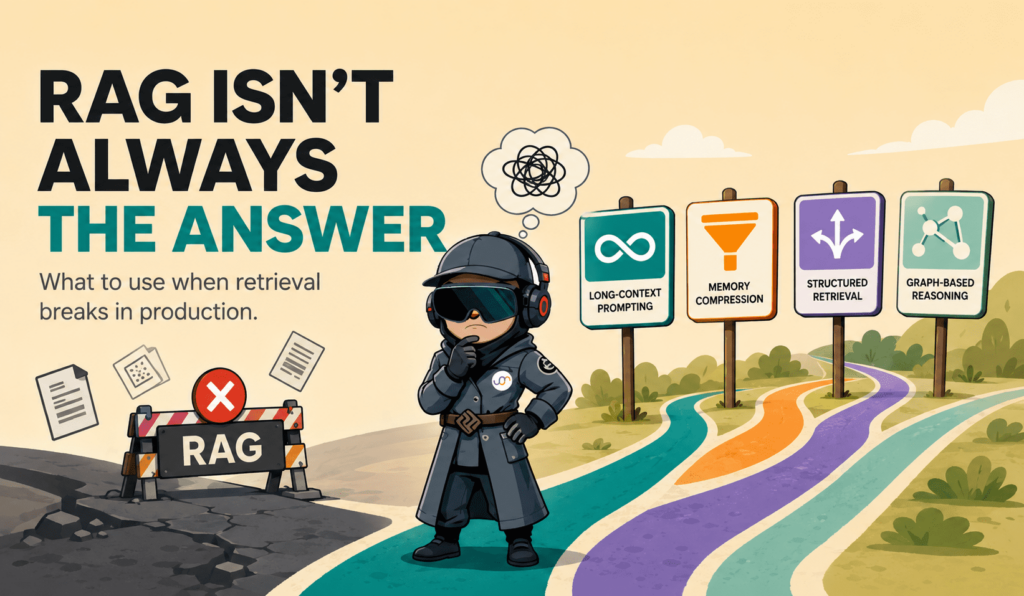
Introduction Retrieval-augmented generation (RAG) has emerged as a prominent methodology for augmenting the capabilities of large language models (LLMs) by effectively linking them to a corpus of documents. This integration involves a straightforward procedure: embedding a corpus, retrieving relevant segments via vector similarity, and incorporating them into model prompts. While this framework shows promise in practical applications, it often falters under the pressures of real-world deployment, revealing failure modes that are not apparent during initial demonstrations. Understanding these limitations and exploring alternative approaches is paramount for optimizing the efficacy of LLMs in natural language understanding (NLU). When RAG Fails in Production In practical applications, one of the most frequently encountered issues with RAG systems is retrieval irrelevance. For instance, when a user inquires about a parental leave policy, the system may return multiple outdated or off-topic documents that superficially align with the query based on shared vocabulary but fail to provide the necessary context. This results in the model generating responses that are confidently articulated yet factually incorrect, highlighting a critical distinction between topical similarity and factual relevance. Another insidious challenge is context poisoning, which arises in enterprise knowledge bases where multiple versions of the same document exist. When a retrieval system draws from these conflicting sources, the model amalgamates the information without recognizing inherent contradictions, again producing misleading outputs. These scenarios underscore the fundamental structural conflicts within the chunk-embed-retrieve pipeline that complicate the balance between recall and coherence. The Common (Wrong) Fix: Over-Engineering In response to the shortcomings of standard RAG systems, a prevalent but misguided approach is to introduce complexity through higher-dimensional embeddings and advanced reranking strategies. This over-engineering often exacerbates existing issues rather than resolving them. For example, a global manufacturing corporation initially budgeted $400K for its RAG implementation but incurred costs of $1.2M in the first year, achieving only a 23% accuracy rate on technical documentation queries. Such experiences reflect a broader trend of failure in enterprise RAG implementations, with a staggering 72% failure rate reported in the first year of operation. Increasing the sophistication of vector models does not guarantee improved performance; it often leads to heightened computational expenses and diverts attention from the more critical question of whether the initial retrieval architecture was appropriate. Alternatives When RAG Fails Long-Context Prompting A practical alternative to circumvent the complexities of a malfunctioning RAG pipeline is to adopt long-context prompting. This strategy eliminates the retrieval step entirely by loading the entire corpus directly into the model, provided it fits within the model’s context window. Research has indicated that long-context models can consistently outperform traditional RAG on question-answering tasks when computational resources permit, albeit at a significantly higher cost in terms of latency and per-query expenses. Memory Compression When the corpus exceeds the context window, an effective strategy is to utilize summarization before retrieval. This approach involves compressing documents prior to their integration into the model, which can yield performance comparable to long-context methods while avoiding the pitfalls of raw chunk retrieval. Evidence suggests that well-compressed relevant documents can outperform larger sets of tangentially related chunks. Structured Retrieval In instances where retrieval remains a viable architecture, implementing structured retrieval can enhance accuracy and reduce computational costs. By classifying queries based on their type—whether they require full context or focused retrieval—systems can optimize their responses accordingly. Recent studies demonstrate that adaptive systems employing this hybrid approach have achieved significant improvements in retrieval precision, thereby validating the efficacy of explicit routing in enhancing overall system performance. Graph-Based Reasoning For queries that necessitate an understanding of relationships across datasets, traditional vector retrieval methods fall short. Multi-hop questions, which require synthesis of information across various documents, benefit from graph-based reasoning techniques. Microsoft Research has introduced systems that construct knowledge graphs from the corpus, enabling the exploration of entity relationships rather than mere vector matching. While this method incurs higher costs, it is particularly advantageous for thematic analysis and multi-hop reasoning, albeit less effective for straightforward factual lookups. Conclusion While RAG serves as a reasonable default for many applications, its limitations become apparent in predictable ways, such as retrieval irrelevance and context poisoning. Adding complexity to an already flawed design often results in increased expenses without resolving the core issues. By aligning the architectural choices with the nature of the queries, practitioners can enhance both performance and efficiency. The four outlined alternatives—long-context prompting, memory compression, structured retrieval, and graph-based reasoning—offer distinct pathways to improve the functionality of NLU systems, ultimately paving the way for more robust and reliable AI applications in the future. Disclaimer The content on this site is generated using AI technology that analyzes publicly available blog posts to extract and present key takeaways. We do not own, endorse, or claim intellectual property rights to the original blog content. Full credit is given to original authors and sources where applicable. Our summaries are intended solely for informational and educational purposes, offering AI-generated insights in a condensed format. They are not meant to substitute or replicate the full context of the original material. If you are a content owner and wish to request changes or removal, please contact us directly. Source link : Click Here

Context: The Significance of the Rousseeuw Prize in Data Analytics The Rousseeuw Prize for Statistics serves as a hallmark of excellence in the field of statistics, recognizing significant contributions made by individuals and teams who advance statistical methodologies and applications. Recently, this prestigious award was presented to the R Core Team, which includes notable figures such as Brian Ripley, Martin Mächler, Kurt Hornik, Peter Dalgaard, and Luke Tierney. The R programming language has become a cornerstone of modern statistical computing, driven by a commitment to open-source principles and community collaboration. As the R community prepares to launch version 4.6.1, it underscores the continuous evolution and impact of this tool within the analytics landscape. Main Goal: Recognition of Contributions to Statistical Research The primary objective of the Rousseeuw Prize is to acknowledge the groundbreaking efforts of statisticians who have dedicated their careers to enhancing statistical tools and methodologies. Achieving this goal involves fostering an environment that promotes innovation, collaboration, and open access to statistical resources. By recognizing these contributions, the prize not only celebrates individual achievements but also inspires future generations of statisticians and data engineers to pursue excellence in their work. Advantages of the Rousseeuw Prize for Data Engineers Validation of Open-Source Contributions: The award highlights the importance of open-source projects like R in advancing statistical knowledge, providing data engineers with a robust framework that they can leverage for their analytics tasks. Encouragement of Community Engagement: By recognizing collaborative efforts within the R community, the prize encourages data engineers to participate in open-source projects, thereby enhancing their skills through shared knowledge and experience. Enhanced Trust in Statistical Tools: The acknowledgment of the R Core Team’s work reinforces the credibility of R as a statistical tool, encouraging data engineers to adopt it for critical projects, especially in regulated industries such as pharmaceuticals and finance. Inspiration for Innovation: The recognition of significant contributions serves as a motivational factor, prompting data engineers to innovate and experiment with new methodologies, thus advancing the field of data analytics. Future Implications: The Role of AI in Data Analytics The ongoing expansion of artificial intelligence (AI) technologies is poised to further transform the landscape of data analytics. As AI methodologies increasingly intersect with statistical practices, data engineers will need to adapt to new paradigms of data interpretation and analysis. Tools like R will continue to evolve, incorporating AI capabilities that enable more sophisticated data modeling and predictive analytics. This evolution will not only refine existing statistical techniques but also broaden the scope of analytics applications across various industries, enabling data engineers to derive deeper insights from complex datasets. Conclusion The Rousseeuw Prize for Statistics embodies the commitment to excellence and innovation within the field of statistics, particularly through the contributions of the R Core Team. For data engineers, the recognition of such contributions not only validates their work but also provides a framework for future advancements in data analytics. As the integration of AI technologies continues to shape the industry, data engineers are positioned to leverage these developments to enhance their analytical capabilities and drive meaningful insights. Disclaimer The content on this site is generated using AI technology that analyzes publicly available blog posts to extract and present key takeaways. We do not own, endorse, or claim intellectual property rights to the original blog content. Full credit is given to original authors and sources where applicable. Our summaries are intended solely for informational and educational purposes, offering AI-generated insights in a condensed format. They are not meant to substitute or replicate the full context of the original material. If you are a content owner and wish to request changes or removal, please contact us directly. Source link : Click Here

Contextual Overview of the Fractional General Counsel Market The legal profession is undergoing a transformative shift, particularly in the realm of legal technology. A segment that has been notably underserved is the fractional general counsel (FGC) market. FGCs serve as external legal advisors for multiple organizations, often those too small to maintain their own legal departments. This emerging niche presents unique challenges and opportunities, as traditional legal tech platforms generally overlook the specific needs of these professionals. One innovative solution addressing this gap is Sapphire Legal, developed by Brett Wilson, a former enterprise IT expert turned entrepreneur. The platform is designed to optimize the operational efficiency of FGCs by providing tailored legal tools that account for their distinct workflows and clientele management. Main Goal and Its Achievement The primary goal of Sapphire Legal is to offer a comprehensive legal operating system specifically tailored for fractional general counsels. This is accomplished through a unique architecture that ensures data privacy and client confidentiality, which are critical for FGCs who manage sensitive information across multiple clients, some of whom may be direct competitors. By utilizing a dedicated private large language model (LLM) for each client, Sapphire Legal minimizes the risk of data contamination and enhances operational effectiveness. This innovative approach allows FGCs to maintain high standards of confidentiality while streamlining their legal processes. Advantages of Sapphire Legal for Fractional General Counsels Enhanced Data Privacy: Sapphire Legal’s architecture creates isolated environments for each client, ensuring that sensitive data does not intermingle. This significantly reduces the risk of data breaches and potential legal repercussions. Operational Efficiency: The platform consolidates various legal functions—such as document drafting, billing, and client management—into a single solution. This integration allows FGCs to streamline their workflows and minimize the time spent managing disparate tools. Customizable Features: Users can toggle between specific practice area modules that are relevant to their needs, which enhances the user experience by providing a focused and uncluttered interface. Robust Client Intelligence: The platform’s ability to analyze past cases and predict outcomes based on historical data empowers FGCs to provide informed legal advice, thereby increasing their value to clients. Comprehensive Resource Pooling: Built on a foundation of 12 million indexed legal cases and documents, Sapphire Legal provides a rich repository of information, ensuring that FGCs have access to the latest legal precedents and statutes. However, it is essential to acknowledge a few limitations. As of now, Sapphire Legal has a limited customer base, which may affect user feedback and feature development. Additionally, the reliance on proprietary technology could present challenges for scalability as the company grows. Future Implications of AI Developments in LegalTech The evolution of artificial intelligence in legal tech is poised to significantly impact how fractional general counsels operate. As AI technologies continue to advance, we can anticipate even more sophisticated systems that can automate complex legal tasks, enhance predictive analytics, and provide deeper insights into client needs. This could lead to an overall increase in efficiency and a reduction in operational costs for legal professionals. Moreover, the growth of AI could democratize access to high-quality legal services, allowing smaller firms and businesses to benefit from advanced legal capabilities that were previously reserved for larger organizations. The trajectory of AI in legal tech suggests a future where fractional general counsels will not only have the necessary tools to serve their clients effectively but also drive innovation in the legal industry itself. Sapphire Legal’s pioneering approach may serve as a model for future legal tech solutions, emphasizing the importance of privacy, efficiency, and tailored services for niche legal markets. Disclaimer The content on this site is generated using AI technology that analyzes publicly available blog posts to extract and present key takeaways. We do not own, endorse, or claim intellectual property rights to the original blog content. Full credit is given to original authors and sources where applicable. Our summaries are intended solely for informational and educational purposes, offering AI-generated insights in a condensed format. They are not meant to substitute or replicate the full context of the original material. If you are a content owner and wish to request changes or removal, please contact us directly. Source link : Click Here

Contextualizing the Need for a Web Data Infrastructure Layer in AI The evolution of artificial intelligence (AI) is increasingly reliant on a robust web data infrastructure layer. This layer serves as a critical component, enabling AI models to effectively navigate an extensive digital landscape characterized by millions of existing web domains and billions of new URLs created weekly. As the volume of available data expands, the necessity for a framework that can deliver real-time information and surmount existing technical barriers becomes paramount. Or Lenchner, CEO of Bright Data, aptly notes that the sheer volume of uncharted data necessitates enhanced discovery mechanisms, akin to exploring a vast universe where much remains unknown. Main Goal: Achieving Real-Time, Trustworthy Data Access The primary goal of establishing this web data infrastructure layer is to facilitate access to fresh, relevant, and trustworthy data. While early advancements in AI were primarily focused on scaling training datasets and increasing model complexity, organizations now face a significant challenge: the need to remain aligned with the dynamic, unstructured, and constantly evolving nature of web data. This alignment is crucial for grounding AI outputs in current and verifiable information, thereby enhancing overall model performance. To achieve this goal, organizations must invest in advanced systems that integrate compute, networking, retrieval, and data engineering capabilities. These systems must be adept at quickly retrieving data that meets the criteria of freshness, relevance, and trustworthiness. Advantages of a Robust Web Data Infrastructure Layer Real-Time Data Retrieval: The ability to access real-time data ensures that AI models are informed by the most current information, thereby reducing the risk of outdated or irrelevant outputs. This is essential for businesses that must adapt swiftly to changes in consumer sentiment, market trends, and competitive pricing. Enhanced Decision-Making: AI systems equipped with fresh data can provide contextually relevant insights, which are vital for informed decision-making. In business environments, reliance on stale data can lead to poor choices, ultimately affecting customer satisfaction and business performance. Reduced AI Hallucinations: Access to high-quality web data minimizes the occurrence of AI hallucinations, where models generate outputs that are not grounded in reality. A more relevant knowledge base fosters user trust, as evidenced by a survey indicating that 56% of AI practitioners believe real-time web data access is critical for enhancing confidence in AI outputs. Scalability and Efficiency: A comprehensive web data infrastructure can handle millions of concurrent interactions across diverse websites, accommodating variations in geography, language, format, and access rules. This scalability is essential for organizations aiming to leverage AI in a global marketplace. Limitations and Considerations While the advantages of a web data infrastructure layer are compelling, organizations must also navigate certain limitations. The implementation of such systems can incur significant costs and require substantial training and adaptation. Furthermore, despite advancements in techniques such as retrieval-augmented generation (RAG), many AI models continue to struggle with delivering timely and contextually appropriate outputs. According to Gartner, 60% of AI projects that lack AI-ready data—characterized by accuracy, structure, organization, and contextuality—are likely to be abandoned by the year’s end. Future Implications of AI Developments As AI technology continues to advance, the importance of an effective web data infrastructure layer will only heighten. The ongoing integration of AI into various sectors will necessitate increasingly sophisticated methods for data retrieval and processing. Future developments may lead to enhanced machine learning models capable of autonomously navigating data landscapes, thereby further reducing the reliance on static datasets. However, organizations must remain vigilant in their approach to data governance, ensuring that data used is not only timely and relevant but also ethically sourced and compliant with regulations. Disclaimer The content on this site is generated using AI technology that analyzes publicly available blog posts to extract and present key takeaways. We do not own, endorse, or claim intellectual property rights to the original blog content. Full credit is given to original authors and sources where applicable. Our summaries are intended solely for informational and educational purposes, offering AI-generated insights in a condensed format. They are not meant to substitute or replicate the full context of the original material. If you are a content owner and wish to request changes or removal, please contact us directly. Source link : Click Here

Contextual Background on Predictive Analytics in Policing The utilization of predictive analytics within law enforcement agencies, such as the Avon and Somerset Police, has emerged as a double-edged sword, particularly in the realm of crime prediction. The extensive data analysis performed by the police has yielded insights into various risk models, aimed at forecasting criminal behavior and identifying potential victims. However, revelations from independent audits, such as the one conducted by Eticas, have raised serious concerns regarding the reliability and ethical implications of these models. Specifically, the audit highlighted that many predictive models produced low precision scores, indicating that a significant proportion of individuals flagged as risks were inaccurately identified. This raises critical questions about the efficacy and ethical ramifications of deploying such technologies in public safety contexts. Main Goals and Their Achievements The primary goal of integrating AI-driven predictive analytics into policing is to enhance crime prevention efforts by accurately identifying individuals at risk of offending or becoming victims. Achieving this goal necessitates a rigorous data governance framework and ongoing model evaluation to ensure that the systems are both effective and equitable. The audit findings underscore the importance of continuous monitoring and adjustment of the models to rectify identified biases and inaccuracies, thereby fostering a more reliable predictive capability. Advantages of AI-Driven Predictive Analytics Enhanced Decision-Making: AI models can process vast datasets more efficiently than human analysts, allowing law enforcement to allocate resources more effectively. Proactive Crime Prevention: By identifying high-risk areas or individuals, police forces can implement preventive measures, reducing crime rates. Data-Driven Insights: Predictive analytics provides actionable insights that can inform policy decisions and operational strategies within law enforcement. Resource Optimization: With precise predictions, police departments can optimize the deployment of personnel and operational resources. However, it is crucial to note that these advantages come with caveats. The reliability of predictive models must be continuously scrutinized, as demonstrated by the audit findings which highlighted significant inaccuracies in risk identification. Furthermore, the ethical use of such technologies requires comprehensive oversight to prevent potential discriminatory practices. Future Implications of AI in Cybersecurity and Law Enforcement As AI technologies continue to evolve, their applications within the domains of cybersecurity and law enforcement are expected to expand significantly. The future may witness advancements in AI that could enhance model accuracy and reduce biases, thereby increasing the legitimacy of predictive analytics in public safety. Moreover, as the field of artificial intelligence matures, it is likely that more sophisticated algorithms will emerge, capable of incorporating a broader range of variables and mitigating historical biases. This technological progression could lead to improved outcomes in crime prediction, ultimately enhancing community trust in law enforcement methodologies. Disclaimer The content on this site is generated using AI technology that analyzes publicly available blog posts to extract and present key takeaways. We do not own, endorse, or claim intellectual property rights to the original blog content. Full credit is given to original authors and sources where applicable. Our summaries are intended solely for informational and educational purposes, offering AI-generated insights in a condensed format. They are not meant to substitute or replicate the full context of the original material. If you are a content owner and wish to request changes or removal, please contact us directly. Source link : Click Here

Contextual Analysis of the Current Tech Market Dynamics The recent downturn in the technology sector, particularly in Asia and Wall Street, reflects significant challenges faced by major tech companies amid escalating costs associated with artificial intelligence (AI) infrastructure. Notably, the decline of the SoftBank Group by over 12% has catalyzed a broader selloff in Asian technology stocks, mirroring a 0.46% drop in the Nasdaq Composite Index. This trend raises critical concerns regarding the sustainability of growth for enterprises heavily invested in AI technologies, particularly as they grapple with rising component costs that directly affect their product pricing strategies. Main Goals of Addressing AI Costs in Finance and FinTech The primary goal underscored by the current market environment is to effectively manage the increasing costs associated with AI technologies within the finance and FinTech sectors. This objective can be achieved through strategic investments, innovative partnerships, and operational efficiencies aimed at minimizing costs while maximizing the value derived from AI applications. By leveraging AI to enhance decision-making processes and streamline operations, financial professionals can offset some of these rising expenses. Advantages of Adopting AI in Finance and FinTech Enhanced Operational Efficiency: AI technologies can automate routine tasks, thereby freeing up resources for more strategic activities. This is particularly relevant for organizations like SoftBank, where operational costs are under scrutiny. Improved Decision-Making: Advanced data analytics powered by AI enables financial professionals to make better-informed decisions, significantly impacting investment strategies and risk management. Cost Reduction in Long-Term Strategies: Although initial investments in AI may be high, the long-term savings from increased efficiency and reduced labor costs can outweigh these initial outlays. Competitive Advantage: Companies that effectively harness AI capabilities can differentiate themselves in a crowded marketplace, attracting more customers and retaining existing ones through enhanced service offerings. Limitations and Caveats Despite the promising advantages, there are notable limitations. The high initial costs of AI implementation can pose a barrier for smaller firms or those with limited budgets. Additionally, the rapid pace of technological change necessitates continuous investment to stay competitive, which may not always yield immediate financial returns. Furthermore, as highlighted by the competitive pressures faced by Arm Holdings and Qualcomm, market dynamics can shift swiftly, impacting profitability and strategic positioning. Future Implications of AI Developments in Finance and FinTech The trajectory of AI advancements suggests profound implications for the finance and FinTech sectors. As companies increasingly adopt AI to enhance their services, the competitive landscape will evolve, potentially leading to market consolidation as smaller players struggle to keep pace. Furthermore, the continued rise in semiconductor prices, as evidenced by the fluctuations in stock prices of major tech firms, could compel financial institutions to rethink their AI strategies, focusing on cost-efficient technologies that maintain performance without exorbitant expenses. “` Disclaimer The content on this site is generated using AI technology that analyzes publicly available blog posts to extract and present key takeaways. We do not own, endorse, or claim intellectual property rights to the original blog content. Full credit is given to original authors and sources where applicable. Our summaries are intended solely for informational and educational purposes, offering AI-generated insights in a condensed format. They are not meant to substitute or replicate the full context of the original material. If you are a content owner and wish to request changes or removal, please contact us directly. Source link : Click Here

Contextual Overview The 2026 FIFA World Cup match between Paraguay and Australia represents a pivotal moment in Group D, where both teams are vying for a chance to progress into the knockout stage. This scenario emphasizes critical decision-making and strategic adaptations, particularly in light of team formations and player selections. For instance, Paraguay’s coach Gustavo Alfaro has opted for a tactical shift from a back four to a back five, which implies a defensive approach aimed at securing at least a draw, thereby minimizing risk. Conversely, Australia, under Tony Popovic, has made multiple changes to their lineup, reflecting a dynamic response to prior performances and an intent to optimize their chances of victory. Main Goal and Achievement Strategy The primary goal for both teams is to secure qualification for the knockout phase of the tournament. Paraguay aims to achieve this through a defensive strategy, while Australia seeks to maintain offensive momentum. This dual approach highlights the necessity of tactical flexibility in sports, wherein teams must adapt their strategies based on opponent capabilities and match conditions. The effectiveness of these strategies can be measured through data analytics, which provides insights into player performance, team dynamics, and match outcomes. Advantages of Tactical Adaptation Enhanced Performance Measurement: Through AI-driven analytics, teams can gain deeper insights into player statistics and match conditions, enabling them to make informed tactical decisions. For instance, data on player fatigue levels or injury risks can influence substitution strategies. Dynamic Strategy Adjustment: Teams like Paraguay and Australia can utilize live data analytics to modify their formations and strategies in real-time, responding effectively to the evolving nature of the match. This capability can significantly enhance a team’s competitive edge. Increased Fan Engagement: As teams adopt advanced analytics to inform their strategies, fans can also access real-time data, increasing their engagement and understanding of the game. This can foster a more informed and passionate fan base. Long-term Development: The integration of AI in sports analytics supports long-term strategies for team development, allowing coaches to identify emerging talents and areas for improvement over multiple seasons. Caveats and Limitations Data Dependency: The reliance on data analytics necessitates high-quality data collection and processing capabilities. Inaccurate or insufficient data can lead to misguided strategies and decisions. Overemphasis on Analytics: While data-driven insights are valuable, they should not overshadow the importance of human intuition and experience in coaching—a balance must be maintained. Implementation Challenges: The successful integration of AI technologies into sports teams requires investment in technology and training, which may not be feasible for all organizations, particularly at lower levels. Future Implications of AI in Sports Analytics The future of AI in sports analytics is poised for significant growth, especially as technological advancements continue to evolve. For instance, the incorporation of machine learning algorithms will likely enhance predictive analytics, enabling teams to forecast outcomes based on historical performance data more accurately. Additionally, the use of wearable technology will provide real-time physiological data, further informing coaching strategies and player management. Moreover, as AI continues to permeate various aspects of the sports industry, ethical considerations regarding data privacy and the potential for bias in analytics will become increasingly relevant. Organizations will need to navigate these challenges while leveraging AI to gain competitive advantages. Disclaimer The content on this site is generated using AI technology that analyzes publicly available blog posts to extract and present key takeaways. We do not own, endorse, or claim intellectual property rights to the original blog content. Full credit is given to original authors and sources where applicable. Our summaries are intended solely for informational and educational purposes, offering AI-generated insights in a condensed format. They are not meant to substitute or replicate the full context of the original material. If you are a content owner and wish to request changes or removal, please contact us directly. Source link : Click Here
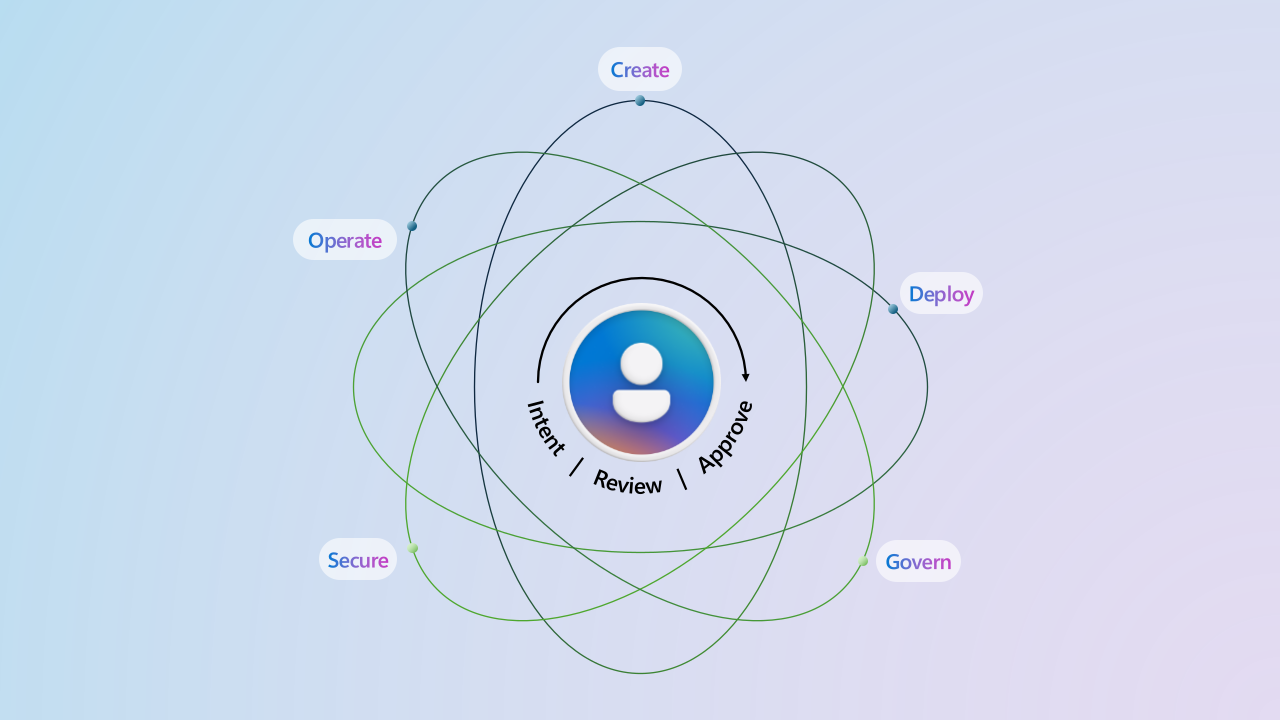
Contextualizing Agentic Cloud Operations in Big Data Engineering The transition from insight to action in cloud environments represents a pivotal evolution in the realm of Big Data Engineering. As organizations increasingly rely on complex hybrid infrastructures, microservices, and artificial intelligence (AI) workloads, the need for an operational model that seamlessly integrates insight and action becomes imperative. The concept of agentic cloud operations emerges as a solution that employs AI-powered agents, which continuously observe and reason through the cloud lifecycle, transforming isolated signals into actionable workflows. This systematic approach not only enhances performance and reduces costs but also fortifies reliability across data operations. Main Goal of Agentic Cloud Operations The core objective of agentic cloud operations is to create an environment where insights derived from data are directly translated into actions in real-time. This model facilitates a dynamic feedback loop, allowing organizations to respond to changing conditions and requirements promptly. Achieving this goal necessitates embedding governance within cloud operations, ensuring that every action adheres to predefined policies and organizational intent. By implementing this model, organizations can ensure that their cloud environments operate efficiently and effectively, ultimately leading to optimized performance and decision-making. Advantages of Agentic Cloud Operations Enhanced Governance: The integration of governance into cloud operations ensures that actions taken by AI agents are auditable and repeatable, aligning with organizational policies. This is crucial for compliance and risk management. Continuous Observability: By providing a continuous flow of signals and context, observability serves as the intelligence layer for cloud operations. This allows AI agents to identify meaningful signals and understand dependencies, leading to timely insights and actions. Improved Incident Response: The agentic model enables quicker identification of issues by surfacing related signals early and automating investigations. This proactive approach significantly reduces operational overhead and enhances incident resolution speed. Continuous Optimization: With ongoing insights from observability, optimization becomes an integrated part of daily workflows rather than a periodic task. This shift allows for more agile resource management and cost efficiency. Streamlined Workflows: The transition from traditional dashboards to connected workflows allows teams to interact with systems through guided processes, which enhances collaboration and reduces context-switching. However, it is important to note that while the agentic model offers substantial advantages, organizations must remain vigilant regarding the inherent risks associated with increased automation. The reliance on AI agents necessitates a robust framework for monitoring their actions and ensuring alignment with human oversight. Future Implications of AI Developments in Big Data Engineering The future of Big Data Engineering is poised for significant transformation as AI technologies continue to evolve. The integration of more sophisticated AI agents will enhance the capabilities of agentic cloud operations, enabling even greater levels of automation and insight-driven decision-making. As organizations adopt these advancements, we can expect to see: Increased Efficiency: The continuous improvement of AI algorithms will lead to faster processing of data and enhanced predictive analytics, allowing organizations to make informed decisions with minimal latency. Greater Scalability: As AI systems become more adept at handling larger datasets and more complex environments, organizations will be able to scale their operations without a corresponding increase in resources or overhead. Enhanced Security: Advanced AI-driven observability tools will improve threat detection and response capabilities, enabling organizations to safeguard their data more effectively. Shifts in Workforce Dynamics: The rise of AI and automation will necessitate a reevaluation of workforce roles, focusing on higher-level strategic thinking and oversight rather than routine operational tasks. In conclusion, the progression towards agentic cloud operations signifies a marked shift in the landscape of Big Data Engineering, promising improved efficiencies, better governance, and enhanced incident management. By harnessing the power of AI, organizations can navigate the complexities of modern cloud environments with greater agility and precision. Disclaimer The content on this site is generated using AI technology that analyzes publicly available blog posts to extract and present key takeaways. We do not own, endorse, or claim intellectual property rights to the original blog content. Full credit is given to original authors and sources where applicable. Our summaries are intended solely for informational and educational purposes, offering AI-generated insights in a condensed format. They are not meant to substitute or replicate the full context of the original material. If you are a content owner and wish to request changes or removal, please contact us directly. Source link : Click Here
Introduction The efficacy of Customer Relationship Management (CRM) systems in enhancing business revenue is intricately linked to the quality of their administration. Over the years, it has become increasingly evident that the operational discipline surrounding CRM administration plays a pivotal role in determining whether a CRM platform contributes to business growth or remains underutilized. This blog post aims to elucidate the significance of robust CRM administration, particularly in the context of AI-Powered Marketing, and its implications for digital marketers. The Importance of CRM Administration in AI-Powered Marketing The primary objective of effective CRM administration is to ensure that the CRM platform accurately reflects and supports the operational workflows of the organization. This is especially crucial in the realm of AI-Powered Marketing, where data integrity and user adoption directly influence the outcomes of marketing strategies. By establishing a clean, organized, and efficient CRM environment, businesses can leverage AI tools to enhance customer interactions and optimize marketing efforts. Achieving Effective CRM Administration To achieve effective CRM administration, organizations must focus on several key areas: Data Governance: Establishing clear naming conventions, validation rules, and lifecycle standards ensures that the data within the CRM remains consistent and reliable over time. Workflow Automation: Automating workflows and lifecycle stages based on agreed criteria minimizes human error and enhances operational efficiency. Reporting and Analytics: Reliable dashboards and reports depend on standardized definitions and clean data, enabling informed decision-making. Cross-Team Alignment: Ensuring that all teams involved in the CRM process understand their roles and responsibilities fosters collaboration and accountability. Advantages of Effective CRM Administration The benefits of strong CRM administration are manifold and can significantly enhance the performance of digital marketing efforts: Improved Data Quality: Organizations can save substantial amounts—averaging $12.9 million annually—by focusing on data quality, as highlighted by Gartner’s research. Enhanced User Adoption: A well-maintained CRM fosters confidence in its accuracy, leading to higher user adoption rates and better data-driven decisions. Streamlined Workflows: Automated workflows reduce the likelihood of errors, ensuring that marketing and sales teams can focus on high-value tasks rather than administrative overhead. Informed Decision-Making: Clean and reliable data enables accurate reporting, which is critical for forecasting and strategic planning. Limitations and Caveats While the advantages of effective CRM administration are clear, several limitations and caveats must be considered: Resource Intensive: Establishing and maintaining optimal CRM administration practices can be resource-intensive, requiring dedicated personnel and ongoing training. Change Management Challenges: Organizations may face resistance to changes in processes and workflows, necessitating strong change management practices to ensure successful implementation. Future Implications of AI Developments in CRM Administration As AI technologies continue to evolve, their integration into CRM administration is expected to bring significant shifts: Enhanced Data Insights: AI tools will automate data analysis, providing deeper insights into customer behavior and improving segmentation strategies for marketers. Increased Efficiency: AI-driven automation will further streamline administrative processes, reducing the burden on CRM administrators and freeing them to focus on strategy rather than routine tasks. Governance Challenges: The introduction of AI-generated data will require new governance frameworks to ensure data accuracy and integrity, presenting both opportunities and challenges for CRM administration. Conclusion In conclusion, effective CRM administration is a cornerstone of successful AI-Powered Marketing strategies. By investing in robust CRM administration practices, organizations can enhance data quality, optimize workflows, and ultimately drive revenue growth. As AI technologies continue to develop, the landscape of CRM administration will evolve, necessitating ongoing adaptation and governance to maintain the integrity and effectiveness of CRM systems. Disclaimer The content on this site is generated using AI technology that analyzes publicly available blog posts to extract and present key takeaways. We do not own, endorse, or claim intellectual property rights to the original blog content. Full credit is given to original authors and sources where applicable. Our summaries are intended solely for informational and educational purposes, offering AI-generated insights in a condensed format. They are not meant to substitute or replicate the full context of the original material. If you are a content owner and wish to request changes or removal, please contact us directly. Source link : Click Here

Introduction The advent of assistive technologies, particularly in the realm of robotics and smart manufacturing, has ushered in a transformative approach to enhancing capabilities for individuals with severe hand impairments. This blog post elucidates the pivotal findings from recent developments in dexterous soft hand exoskeletons designed to restore intentional grasping, particularly for patients suffering from conditions such as amyotrophic lateral sclerosis (ALS) or stroke. The integration of these technologies not only benefits individuals directly affected by hand impairments but also offers profound implications for industrial technologists and the smart manufacturing sector at large. Context and Goals of Hand Exoskeleton Development The primary objective of the soft hand exoskeleton is to restore functional use of the hand in individuals who have suffered severe impairments. Co-creation methodologies involving patients have revealed critical insights into user preferences and engineering requirements. Patients have expressed a desire for independence in daily tasks, such as self-feeding, while emphasizing comfort, control, and safety as paramount factors in the design of such assistive devices. The exoskeleton must therefore be lightweight, intention-driven, and capable of adapting to various object shapes and weights, enabling users to engage in activities requiring fine motor coordination. Advantages of Soft Hand Exoskeletons The development of soft hand exoskeletons presents multiple advantages, particularly for individuals with severe hand impairments. Below is a structured list of these benefits, supported by evidence from ongoing research: – **Restoration of Grasping Functionality**: The exoskeleton can facilitate a broad range of grasp types, allowing individuals to manipulate objects of various shapes and sizes. For example, patients have demonstrated the ability to reliably grasp and lift everyday items, enhancing their independence. – **Improved Dexterity Through Thumb Coordination**: The design incorporates bio-inspired actuation systems that mimic natural thumb movements, critical for effective grasping. This functionality significantly increases the stability of the grasp, reducing slippage and enhancing reliability across diverse tasks. – **Customizable User Experience**: Through co-creation sessions, the design can be tailored to individual needs, thus accommodating varying levels of impairment. This adaptability improves user satisfaction and overall effectiveness, as evidenced by the increased Box-and-Blocks Test scores following iterative design changes. – **Enhanced User Control via EMG Interfaces**: The use of surface electromyography (sEMG) interfaces allows users to control the exoskeleton through natural muscle contractions, offering a hands-free operation that mirrors voluntary movements. This approach significantly enhances user engagement and satisfaction. – **High Reliability in Diverse Conditions**: Clinical evaluations have shown a high success rate in grasp and lift actions, with over 95% reliability, ensuring that users can depend on the exoskeleton for daily tasks. While these advantages are compelling, there are caveats and limitations to consider. For instance, the technology primarily targets individuals with severe impairments, and its effectiveness may vary across different user groups. Additionally, the complexity of the control systems might require users to undergo training to achieve optimal performance. Future Implications of AI Developments in Robotics Looking ahead, advancements in artificial intelligence (AI) are set to significantly enhance the capabilities of soft hand exoskeletons. Machine learning algorithms can improve the detection and prediction of users’ intent by analyzing EMG signals more accurately, thus refining control mechanisms. Furthermore, integrating AI with adaptive learning technologies will allow exoskeletons to evolve based on user interactions, leading to more personalized user experiences. The potential for real-time error correction and monitoring systems, inspired by human motor control processes, will also play a crucial role. Such systems can significantly mitigate the risks associated with false-positive triggers during operation, thereby enhancing the overall usability and reliability of these technologies. In summary, the intersection of robotics, smart manufacturing, and AI is poised to revolutionize assistive technology, particularly for enhancing hand function in individuals with severe impairments. As these innovations continue to develop, they will not only benefit affected individuals but also provide valuable insights and tools for industrial technologists aiming to create more inclusive and adaptive workplace environments. Disclaimer The content on this site is generated using AI technology that analyzes publicly available blog posts to extract and present key takeaways. We do not own, endorse, or claim intellectual property rights to the original blog content. Full credit is given to original authors and sources where applicable. Our summaries are intended solely for informational and educational purposes, offering AI-generated insights in a condensed format. They are not meant to substitute or replicate the full context of the original material. If you are a content owner and wish to request changes or removal, please contact us directly. Source link : Click Here


