
Contextualizing AI in LegalTech The exploration of artificial intelligence (AI) within science fiction often reveals a disconnect between the imaginative portrayals of AI and the realities of its application. This discrepancy becomes particularly pertinent in the context of LegalTech, where AI’s capabilities are frequently underestimated. Current discussions, such as those initiated by Andrew Curran, highlight the limitations of AI depictions in media, suggesting that these narratives reflect societal understandings and fears rather than the actual potential of AI technologies. As LegalTech evolves, it is imperative for legal professionals to discern the practical applications of AI from the fictional representations that often populate popular culture. Understanding the Main Goal The principal aim of recognizing the shortcomings of AI portrayals in science fiction is to foster a more accurate understanding of AI’s current capabilities, particularly within the LegalTech sector. Legal professionals can achieve this by critically engaging with AI technologies, thereby enhancing their operational efficiency and service delivery. Such an understanding necessitates a shift from viewing AI as a mere plot device to recognizing it as a transformative tool that can augment legal practices. Advantages of Embracing AI in LegalTech Enhanced Efficiency: AI can automate administrative tasks, thereby allowing legal professionals to focus on more complex legal issues. For instance, contract analysis and document review can be significantly expedited through AI algorithms, leading to faster turnaround times. Improved Accuracy: AI systems trained on vast datasets can identify patterns and anomalies that a human might overlook, reducing the likelihood of human error in legal processes. This is particularly relevant in areas such as case law research and compliance monitoring. Cost Reduction: By automating routine tasks, firms can reduce operational costs, which can be passed on to clients in the form of lower fees, thereby making legal services more accessible. Data-Driven Insights: AI can analyze large volumes of legal data to provide insights that inform strategic decision-making, enabling law firms to better understand market trends and client needs. Accessibility of Legal Services: AI technologies can enhance access to legal services for underserved populations by providing automated legal advice and information dissemination through chatbots and online platforms. Future Implications of AI in LegalTech As AI technologies continue to advance, their integration into LegalTech is likely to deepen, leading to significant transformations in legal practice. Legal professionals will need to adapt to an increasingly AI-driven landscape, which may include enhanced collaboration between human practitioners and AI systems. This evolution presents opportunities for the development of new legal competencies, such as data literacy and AI ethics comprehension, which will be crucial in navigating the complexities of AI applications in law. Furthermore, as the legal industry embraces AI, it may also prompt regulatory discussions around accountability, bias, and the ethical deployment of AI technologies, ensuring that the benefits are realized equitably across all sectors of society. Disclaimer The content on this site is generated using AI technology that analyzes publicly available blog posts to extract and present key takeaways. We do not own, endorse, or claim intellectual property rights to the original blog content. Full credit is given to original authors and sources where applicable. Our summaries are intended solely for informational and educational purposes, offering AI-generated insights in a condensed format. They are not meant to substitute or replicate the full context of the original material. If you are a content owner and wish to request changes or removal, please contact us directly. Source link : Click Here

Context Recent research highlights a significant trend in enterprise AI infrastructure spending, indicating an acceleration in investment that outpaces the ability to measure and control associated costs. A study involving 107 enterprises revealed that while many organizations rely on established hyperscalers and model-provider APIs for their AI operations, there is a growing inclination toward investing in specialized compute resources that are currently underutilized. Notably, enterprises are preparing to switch or add infrastructure providers, with a focus on integration and total cost of ownership rather than superficial pricing metrics. However, the lack of visibility into their economic landscape raises concerns about the sustainability of such investments. This phenomenon has been termed the “compute gap,” which reflects a disconnect between rapid spending and inadequate tracking of AI infrastructure efficiency. The findings underscore the critical need for enterprises to enhance their measurement capabilities as they navigate this evolving landscape. Main Goal and Achievement The primary goal of the findings presented is to illuminate the compute gap experienced by enterprises as they invest in AI infrastructure. This gap is characterized by a misalignment between aggressive spending on AI capabilities and the insufficient measurement of those investments’ economic impacts. To bridge this gap, organizations must prioritize the development of robust metrics and tracking systems to assess compute costs and utilization effectively. By doing so, they will not only enhance their decision-making processes but also optimize their infrastructure investments for better performance and cost efficiency. Advantages of Addressing the Compute Gap Enhanced Decision-Making: With improved measurement and tracking, organizations can make informed decisions based on accurate data regarding the cost and performance of their AI infrastructure. Increased Efficiency: By addressing the high levels of underutilization—83% of enterprises reported GPU utilization of 50% or less—companies can maximize the return on their existing investments, reducing waste and improving overall productivity. Cost Optimization: Understanding total cost of ownership (TCO) allows enterprises to compare different providers meaningfully, leading to more strategic purchasing decisions that prioritize integration and long-term value over immediate costs. Future-Proofing Investments: As enterprises prepare to transition to more specialized AI clouds, having a clear understanding of current costs and utilization can guide more effective transitions, ensuring that new investments are aligned with organizational goals. Limitations and Caveats It is important to note that the study’s sample size, while indicative, is limited to 107 respondents and skews toward mid-market enterprises. This may not fully represent larger organizations or those with more advanced AI capabilities. Additionally, the finding that many enterprises cannot rigorously track compute costs suggests that the data available may not be comprehensive or fully accurate. Future Implications The ongoing advancements in AI are likely to further complicate the landscape of compute infrastructure. As AI applications evolve, the transition from GPU-centric computing to a focus on memory bandwidth and related memory constraints will emerge as a critical issue for enterprises. Organizations that fail to adapt to these changing dynamics may find themselves at a disadvantage, unable to leverage the full potential of their investments. Consequently, the next wave of AI development will necessitate a more nuanced understanding of infrastructure economics, compelling enterprises to refine their measurement capabilities and strategic approaches in order to remain competitive in an increasingly complex marketplace. Disclaimer The content on this site is generated using AI technology that analyzes publicly available blog posts to extract and present key takeaways. We do not own, endorse, or claim intellectual property rights to the original blog content. Full credit is given to original authors and sources where applicable. Our summaries are intended solely for informational and educational purposes, offering AI-generated insights in a condensed format. They are not meant to substitute or replicate the full context of the original material. If you are a content owner and wish to request changes or removal, please contact us directly. Source link : Click Here

Contextualizing Integrated Pest Management in Africa In the realm of agricultural innovation, Integrated Pest Management (IPM) stands as a pivotal strategy for enhancing crop protection in Africa. As global demand for agricultural products intensifies, particularly from the European Union (EU), African growers face mounting pressure to comply with stricter regulatory frameworks and market demands. This shift necessitates that crop protection companies reassess their strategies to effectively support these growers. The evolution towards IPM is not merely a trend; it is an essential adaptation to ensure sustainability and competitiveness in both local and international markets. Main Goal and Achieving Compliance The primary objective of the original discussion on IPM strategies is to facilitate the transition of African growers towards sustainable pest management practices that adhere to evolving regulatory standards. To achieve this, crop protection companies must develop and offer products that align with the EU’s stringent Maximum Residue Levels (MRLs) and actively support growers in implementing comprehensive IPM programs. This involves a strategic shift away from reliance on synthetic chemicals towards a more integrated approach that combines biological solutions with traditional methods, thereby ensuring compliance and enhancing market access. Advantages of Integrated Pest Management Strategies Enhanced Market Access: By adopting IPM practices that comply with EU regulations, African growers can secure access to premium markets that demand quality and safety, particularly for high-value crops like citrus and grapes. Reduction of Chemical Dependency: The integration of biological products, such as biopesticides and biostimulants, helps in reducing the reliance on synthetic chemicals, thereby mitigating potential environmental impacts and improving soil health. Improved Crop Yields: Utilizing a combination of traditional and biological pest management strategies can enhance crop resilience and yield stability, particularly under stress conditions such as drought or heat. Compliance and Sustainability: A well-structured IPM program not only meets regulatory requirements but also promotes sustainable agricultural practices, aligning with global trends towards environmental stewardship. Operational Flexibility: The ability to pivot towards biological solutions allows growers to adapt to changing regulatory landscapes and consumer preferences more swiftly. Limitations and Caveats Despite the numerous advantages, several limitations must be acknowledged. The transition to IPM can be complex, requiring significant investment in education and training for growers. Moreover, the performance of biological products can vary, and there may be initial resistance from growers accustomed to conventional practices. Additionally, regulatory frameworks across different African nations are often fragmented and can impede the swift adoption of new products and practices. Future Implications and the Role of AI Looking ahead, the integration of Artificial Intelligence (AI) into pest management strategies is poised to revolutionize the agricultural landscape in Africa. AI technologies can enhance the precision of pest monitoring and management, allowing for real-time data analysis and improved decision-making. This could lead to more efficient resource allocation and targeted interventions, ultimately increasing productivity while minimizing environmental impact. As AI continues to evolve, it is expected to provide innovative solutions that further enhance the efficacy of IPM programs, supporting African growers in navigating the complexities of modern agricultural challenges. Disclaimer The content on this site is generated using AI technology that analyzes publicly available blog posts to extract and present key takeaways. We do not own, endorse, or claim intellectual property rights to the original blog content. Full credit is given to original authors and sources where applicable. Our summaries are intended solely for informational and educational purposes, offering AI-generated insights in a condensed format. They are not meant to substitute or replicate the full context of the original material. If you are a content owner and wish to request changes or removal, please contact us directly. Source link : Click Here
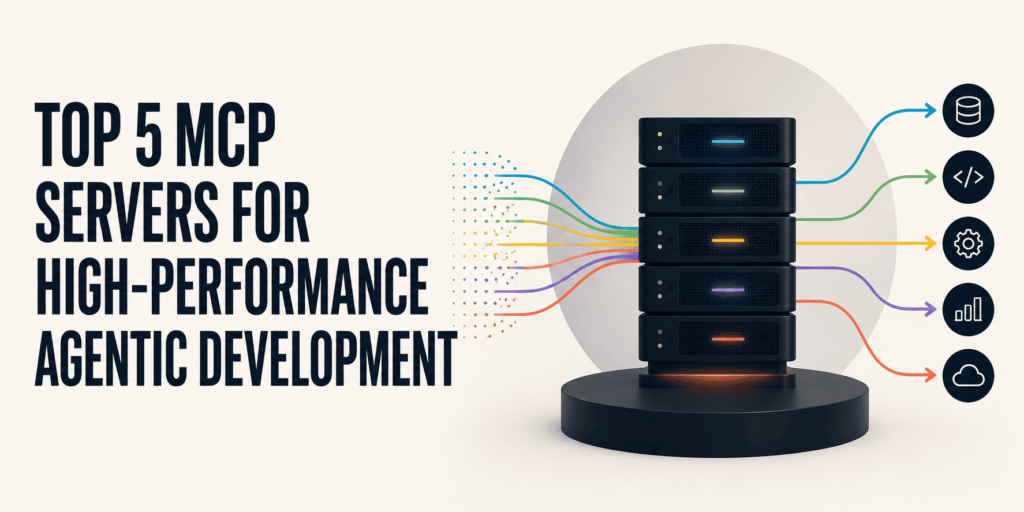
Introduction The advent of the Model Context Protocol (MCP) has transformed the landscape of AI agent development, particularly in the context of applied machine learning. Previously, integrating AI agents with external tools necessitated extensive custom coding for each individual connection. However, following the open-sourcing of MCP by Anthropic in late 2024, major tech companies such as OpenAI, Google, and Microsoft adopted this standard throughout 2025, culminating in its donation to a Linux Foundation body. This evolution has positioned MCP as a universal standard, akin to USB-C for agent tooling, allowing seamless interoperability among compliant tools and agents. Nonetheless, the rapid proliferation of MCP-compatible servers has led to a significant amount of noise in the ecosystem, making it imperative for practitioners to identify effective and reliable solutions. Main Goal and Achievement The primary goal of the original article is to highlight five essential MCP servers that enhance the capabilities of AI agents in high-performance development environments. By selecting servers that provide tangible improvements in agent functionality rather than merely relying on popularity metrics, practitioners can optimize their development setups. To achieve this, developers must integrate these servers thoughtfully into their workflows, ensuring that the chosen tools are actively maintained and relevant to their specific use cases. Advantages of Using MCP Servers Enhanced Development Workflow: The GitHub MCP Server serves as the foundational element for agents needing to interact with development workflows, allowing them to perform tasks such as opening pull requests and triaging issues efficiently. Improved Browser Interactions: Microsoft’s Playwright MCP server significantly improves browser automation by providing structured data access through the accessibility tree, thus facilitating faster and more reliable web interactions. Reduction of Coding Errors: Context7 injects up-to-date library documentation directly into the agent’s context, which mitigates the risk of coding errors typically introduced by outdated or nonexistent API references. Precision in Code Editing: Serena utilizes the Language Server Protocol (LSP) to provide semantic understanding, allowing agents to edit code with precision rather than relying on basic text pattern matching. Dependable Infrastructure: The collection of official reference servers provides essential functionalities that support structured reasoning for agents, ensuring robust local access and memory management. Despite these advantages, it is crucial to recognize certain limitations. Some servers may be maintained primarily as educational references rather than production-ready solutions. Additionally, several popular servers have been archived, necessitating due diligence to ensure that the selected tools are actively supported and functional. Future Implications The advancements in AI and the continuous evolution of protocols like MCP are expected to significantly reshape the future of agent-based development. As AI systems become more sophisticated, the demand for interoperability among diverse tools will grow, necessitating further refinements in agent capabilities. Additionally, as the ecosystem matures, we may anticipate an increase in standardized solutions that promote efficiency and reliability, empowering machine learning practitioners to leverage these advancements for enhanced productivity and innovation. The implications of these developments will likely extend beyond technical enhancements, influencing the broader landscape of software development and AI integration. Disclaimer The content on this site is generated using AI technology that analyzes publicly available blog posts to extract and present key takeaways. We do not own, endorse, or claim intellectual property rights to the original blog content. Full credit is given to original authors and sources where applicable. Our summaries are intended solely for informational and educational purposes, offering AI-generated insights in a condensed format. They are not meant to substitute or replicate the full context of the original material. If you are a content owner and wish to request changes or removal, please contact us directly. Source link : Click Here

Introduction The integration of advanced programming interfaces, such as Claude Code, has transformed the landscape of Natural Language Understanding (NLU). However, a significant number of users fail to capitalize on the full potential of these tools, often becoming stagnant after initial installation. This stagnation can lead to chronic inefficiencies, such as the inability to maintain contextual awareness and repeated prompts that hinder productivity. Understanding that these issues stem primarily from suboptimal setup configurations and not inherent limitations of the model itself is crucial for achieving high performance in agentic programming. Understanding High Performance in Claude Code The primary objective of optimizing Claude Code for high-performance agentic programming is to bridge the gap between sensible defaults and peak operational effectiveness. Achieving this requires a comprehensive understanding of critical configuration files, permissions, and command habits, which are often overlooked by novice users. This guide elucidates how to effectively configure these aspects to ensure sustained productivity and contextual integrity during complex programming tasks. Key Advantages of Optimizing Claude Code Enhanced Context Management: By properly configuring the .claude/ and CLAUDE.md files, users can streamline context management, thereby reducing the frequency of context degradation. This allows for more coherent and productive interactions over extended sessions. Reduced Permission Interruptions: The settings.json file enables users to set precise permission rules. This minimizes the disruptions caused by repetitive permission prompts, allowing users to focus on their tasks rather than administrative hurdles. Improved Customization: The ability to create custom commands and hooks not only augments the functionality of Claude Code but also allows for tailored interactions that better fit specific project needs, enhancing overall workflow efficiency. Scalability via Subagents: The incorporation of subagents facilitates parallel processing of tasks, which is invaluable for handling large codebases or complex projects. This feature allows for delegating specific tasks to subagents, freeing up the main session for other critical processes. Documentation and Memory Maintenance: By utilizing the CLAUDE.md file effectively, users can maintain a living document that captures essential project details, ensuring that key configurations and instructions are readily available and up to date. Caveats and Limitations While optimizing Claude Code presents numerous advantages, it is essential to acknowledge certain limitations. For instance, the initial setup may require a steep learning curve for users unfamiliar with command-line interfaces or configuration files. Additionally, the performance gains are contingent on the user’s commitment to maintaining the configuration and regularly updating it as project requirements evolve. Failure to do so may result in a reversion to less efficient default behaviors. Future Implications for AI and NLU The ongoing advancements in artificial intelligence will likely further influence the NLU landscape, enhancing the capabilities of tools like Claude Code. As AI continues to evolve, we can anticipate more sophisticated models that integrate seamlessly with user workflows, offering real-time contextual awareness and adaptive permissions. These developments could lead to even greater efficiencies in programming, enabling NLU scientists to focus more on innovation rather than overcoming operational limitations. The future of agentic programming appears promising, with the potential for more intuitive and powerful tools that continue to push the boundaries of what is achievable in natural language understanding. Disclaimer The content on this site is generated using AI technology that analyzes publicly available blog posts to extract and present key takeaways. We do not own, endorse, or claim intellectual property rights to the original blog content. Full credit is given to original authors and sources where applicable. Our summaries are intended solely for informational and educational purposes, offering AI-generated insights in a condensed format. They are not meant to substitute or replicate the full context of the original material. If you are a content owner and wish to request changes or removal, please contact us directly. Source link : Click Here
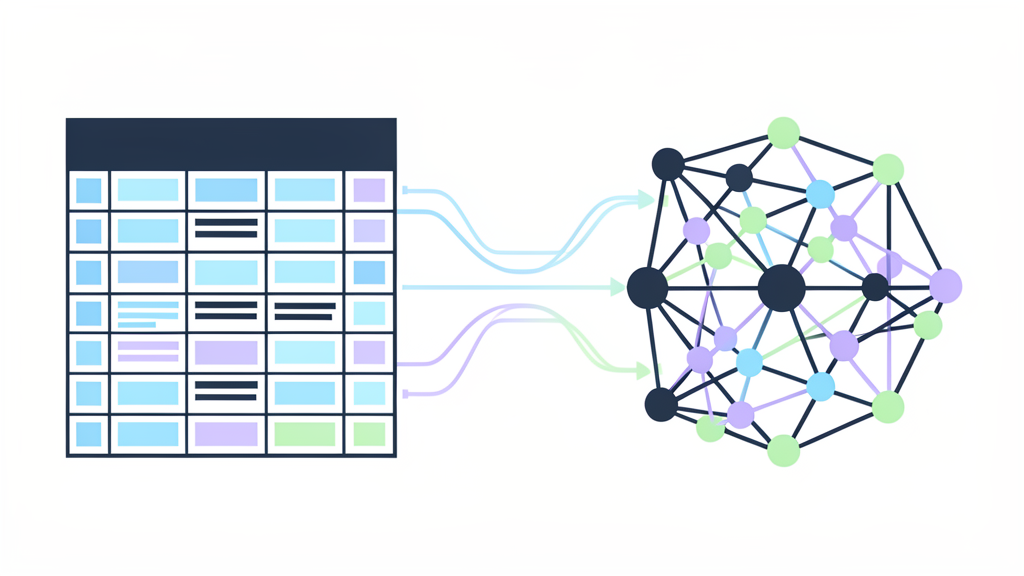
Context In the realm of machine learning, tabular foundation models have emerged as a novel category capable of performing zero-shot predictions on tabular datasets. These models are pretrained on a broad distribution of synthetic tables, enabling them to adapt to new datasets without the need for gradient updates. Among these models, TabICL stands out as a powerful open-source solution. This discussion elucidates the workings of TabICL and positions its performance against established models like XGBoost, particularly in the context of credit-risk datasets, all while employing R in conjunction with Python through the reticulate package. Understanding Tabular Foundation Models A tabular foundation model is characterized by three fundamental components: Pretraining on diverse datasets: Unlike traditional models that learn from a single dataset, tabular foundation models leverage a distribution of tables for pretraining. In-context transferability: These models can transfer knowledge to new datasets, utilizing existing training data to make predictions on test data within a single forward pass. Transformer architecture: Operating on rows of tables rather than tokens, these models utilize a sequence transformer architecture similar to that of large language models (LLMs). The first point highlights a significant divergence from text and vision models, as there is no existing corpus of labeled tables. Instead, models like TabICL harness synthetic data, engaging in a pretraining task that involves predicting targets from held-out rows based on given rows of synthetic tables. Mechanism of TabICL TabICL operates in two distinct stages: Column-then-row attention: Initially, each column is independently processed to create fixed-dimensional embeddings, followed by a row-wise attention mechanism that generates a unified row embedding, independent of the schema. Transformer ICL over rows: The model utilizes row embeddings for both training and testing, allowing self-attention mechanisms to function without gradient updates during inference. This architecture facilitates zero-shot transfer by aligning pretraining objectives with inference tasks, thus enabling efficient scaling to larger datasets compared to other models. Setting Up the Environment with Reticulate TabICL is primarily designed for Python, and its integration with R necessitates the reticulate package. The setup process involves installing necessary Python libraries, including TabICL, Torch, Pandas, and Scikit-learn, to establish a compatible environment for executing predictions. Applying TabICL: Predicting Credit Defaults Utilizing a credit dataset akin to LendingClub, the objective is to predict defaults (represented by a binary target). The dataset enables a comprehensive analysis of TabICL’s predictive capabilities without extensive preprocessing, provided categorical variables are appropriately formatted. The model’s efficiency is reflected in its rapid fitting process, which merely stores training data rather than performing extensive computations during this phase. Comparative Evaluation of TabICL and XGBoost In evaluating TabICL against XGBoost, a standard tuning process for XGBoost involves a grid search and cross-validation, which can be time-consuming. In contrast, TabICL’s approach allows for immediate predictions post-fitting without necessitating extensive tuning, demonstrating its utility for quickly establishing performance baselines. Experiments reveal that TabICL can achieve competitive performance metrics, such as ROC AUC scores, comparable to those of tuned XGBoost models, underscoring its potential as a robust alternative in specific scenarios. Observations from the Application Competing Performance: TabICL’s zero-shot ROC AUC performance is noteworthy, rivaling that of a well-tuned XGBoost model. No Tuning Loop Advantage: The absence of a tuning loop in TabICL simplifies the modeling process, making it suitable for rapid assessments and cold starts. Resource Considerations: While TabICL offers significant advantages, its initial setup requires downloading a pretrained checkpoint, and its resource demands increase with the complexity of the dataset. Appropriate Use Cases for TabICL TabICL is particularly advantageous in cases where: A rapid baseline is required without extensive tuning. The dataset size is manageable, ideally in the range of hundreds to tens of thousands of rows, where in-context learning is most effective. A zero-shot approach is desired for quick analyses across multiple datasets. The task at hand involves classification, though newer versions of TabICL extend support to regression and time-series forecasting. Conversely, TabICL may not be the best choice when: Interpretability or monotonicity is crucial, particularly in regulated environments. Handling very large datasets is necessary, where traditional models may maintain accuracy more effectively. Domain-specific preprocessing for missing values is required. Future Implications The advancement of artificial intelligence and machine learning technologies heralds a transformative period for data analytics and insights. As foundation models like TabICL continue to evolve, their integration into mainstream data engineering practices is likely to augment the efficiency and efficacy of predictive analytics. Future developments may include enhancements in interpretability, scalability for larger datasets, and improved handling of domain-specific requirements, ultimately leading to more robust decision-making frameworks in data-driven industries. Conclusion Tabular foundation models, exemplified by TabICL, represent a significant evolution in machine learning methodologies, offering zero-shot capabilities that simplify the modeling process. While they do not entirely replace established models like XGBoost, they provide a valuable alternative for specific use cases, particularly in smaller datasets and rapid scenario assessments. As the field progresses, the interplay between traditional machine learning techniques and emerging foundation models will continue to shape the landscape of data analytics and insights. Disclaimer The content on this site is generated using AI technology that analyzes publicly available blog posts to extract and present key takeaways. We do not own, endorse, or claim intellectual property rights to the original blog content. Full credit is given to original authors and sources where applicable. Our summaries are intended solely for informational and educational purposes, offering AI-generated insights in a condensed format. They are not meant to substitute or replicate the full context of the original material. If you are a content owner and wish to request changes or removal, please contact us directly. Source link : Click Here

Contextual Overview of the wp2shell Vulnerability The recent discovery of a critical vulnerability, termed wp2shell, within the WordPress core framework has raised significant concerns regarding web security. This flaw allows unauthenticated attackers to execute arbitrary code on WordPress installations, even those with no additional plugins. The vulnerability affects WordPress versions 6.9.0 through 6.9.4 and 7.0.0 through 7.0.1, which were subsequently patched in updates released on July 17, 2026. The implications of this vulnerability extend beyond the immediate threat to affected websites, highlighting broader vulnerabilities inherent in popular open-source platforms. Main Goals and Achievements The primary goal of addressing the wp2shell vulnerability is to enhance the overall security posture of WordPress installations. This can be achieved through prompt updates to the affected versions, thus preventing unauthorized access and potential exploitation by malicious actors. The proactive measures taken by WordPress to implement forced updates through its auto-update system exemplify an effective strategy in mitigating such vulnerabilities. By ensuring that users are running the latest versions, the risk of exploitation is significantly reduced. Advantages of Addressing WordPress Vulnerabilities Enhanced Security: Regular updates and patches, such as those implemented for the wp2shell vulnerability, fortify the security of WordPress installations, safeguarding against potential exploits. Community Engagement: The involvement of security researchers, as demonstrated by Adam Kues’ reporting of the flaw through WordPress’s HackerOne program, fosters a collaborative environment where vulnerabilities can be identified and addressed swiftly. Preventative Measures: The availability of tools such as the wp2shell checker allows website owners to proactively assess their installations, ensuring compliance with the latest security standards. Awareness of Cyber Threats: The disclosure of vulnerabilities and corresponding fixes educates website administrators about potential threats, emphasizing the importance of maintaining up-to-date systems. Caveats and Limitations Despite the advantages of prompt updates, several caveats must be considered. Notably, the forced updates may not reach installations where auto-updates have been disabled, leaving those sites vulnerable. Additionally, the absence of a CVE ID or CVSS score for the wp2shell vulnerability may hinder tracking and identification efforts, complicating the response for cybersecurity professionals. Future Implications of AI in Cybersecurity The integration of Artificial Intelligence (AI) in the realm of cybersecurity is poised to significantly alter the landscape of vulnerability management and threat detection. As AI technologies evolve, they will enhance the capabilities of cybersecurity experts in several ways: Automated Threat Detection: AI systems can analyze vast amounts of data in real-time, identifying patterns that may indicate potential vulnerabilities or attacks, thereby facilitating quicker responses. Predictive Analytics: Machine learning algorithms can be employed to anticipate potential vulnerabilities based on historical data, allowing organizations to preemptively bolster their defenses. Resource Optimization: AI can streamline the vulnerability assessment process, enabling cybersecurity teams to allocate resources more efficiently and focus on high-risk areas. However, the adoption of AI in cybersecurity also presents challenges. The potential for AI-driven attacks necessitates continuous advancements in defensive measures. Moreover, the reliance on automated systems may inadvertently lead to complacency among cybersecurity professionals, highlighting the need for a balanced approach that combines human expertise with technological advancements. Conclusion In summary, the wp2shell vulnerability underscores the critical importance of maintaining robust security practices within the WordPress ecosystem. The swift response by WordPress to patch the vulnerability demonstrates a commitment to user security; however, ongoing vigilance is essential to protect against future threats. As AI continues to evolve, its integration into cybersecurity will offer new tools and strategies, but it will also require a proactive approach from cybersecurity experts to stay ahead of emerging threats. Disclaimer The content on this site is generated using AI technology that analyzes publicly available blog posts to extract and present key takeaways. We do not own, endorse, or claim intellectual property rights to the original blog content. Full credit is given to original authors and sources where applicable. Our summaries are intended solely for informational and educational purposes, offering AI-generated insights in a condensed format. They are not meant to substitute or replicate the full context of the original material. If you are a content owner and wish to request changes or removal, please contact us directly. Source link : Click Here

Contextual Overview of Kimi K3 and Its Significance in Generative AI On July 27, 2026, Moonshot AI, a Beijing-based artificial intelligence startup backed by Alibaba, will officially release the Kimi K3, which is touted as the largest open-source AI model globally, featuring an unprecedented 2.8 trillion parameters. This release emerges as a crucial development in the ongoing global AI arms race, particularly as it approaches the 2026 World Artificial Intelligence Conference in Shanghai. The unveiling of K3 not only signifies a resurgence for Moonshot AI, which faced a decline in market position due to competition from DeepSeek, but also represents a pivotal moment for the open-source AI movement. Main Goals and Achievements The primary goal of releasing Kimi K3 is to establish Moonshot AI as a leading entity in the open-source AI community while demonstrating that open-source models can rival the performance of top proprietary systems, such as those developed by Anthropic and OpenAI. This objective can be achieved through several strategies, including: Leveraging extensive architectural innovations, such as the hybrid linear attention mechanism and Attention Residuals, which enhance model performance. Offering competitive pricing structures for API access, thus encouraging broader adoption. Engaging the developer community through open-access model weights, thereby fostering collaboration and innovation. Advantages of Kimi K3 for Generative AI Scientists The release of Kimi K3 offers several advantages that can significantly benefit Generative AI scientists: Enhanced Model Performance: Kimi K3 is benchmarked to perform closely with leading proprietary models, achieving scores of 1,687 on GDPval-AA v2 and 91.2 on BrowseComp. These metrics indicate that K3 can effectively handle real-world tasks across diverse industries. Autonomous Capabilities: The model’s ability to autonomously design a chip and execute complex tasks over extended periods, as demonstrated in its 48-hour chip design project, showcases its potential for practical applications beyond mere text generation. Open-Source Accessibility: By offering a large-scale open-source model, Kimi K3 allows researchers to fine-tune and self-host the model without dependency on proprietary systems, thus enabling greater flexibility in experimentation. Cost-Effective Solutions: Kimi K3’s pricing structure at $3 per million input tokens and $15 per million output tokens offers a competitive alternative to similar models, potentially lowering the cost of AI deployment for organizations. However, it is essential to consider the limitations associated with operating such a large model, including the substantial computational resources required for training and inference, which may not be feasible for all organizations. Future Implications of AI Developments The emergence of Kimi K3 heralds significant implications for the future landscape of Generative AI. As open-source models like K3 approach the performance levels of proprietary systems, the dynamics of enterprise AI strategy will shift: Reevaluation of Proprietary Models: The growing parity in performance between open-source and proprietary models may compel organizations to reconsider their reliance on expensive proprietary solutions, as K3 challenges the justification for premium pricing based solely on capability. Focus on Autonomous Technical Workforces: Kimi K3’s demonstrated capabilities to autonomously manage complex projects indicate that future AI models may evolve from serving as productivity tools to functioning as autonomous agents capable of executing multi-day, intricate tasks. Geopolitical Considerations: The release of K3 as a formidable open-source model positions China as a significant player in the global AI arena, potentially reshaping the geopolitical landscape and fostering increased competition and collaboration among global AI developers. In light of these developments, Kimi K3 not only represents a technological milestone for Moonshot AI but also signals a transformative shift in how Generative AI can be applied across various sectors, positioning it as a critical component of future enterprise strategies. Disclaimer The content on this site is generated using AI technology that analyzes publicly available blog posts to extract and present key takeaways. We do not own, endorse, or claim intellectual property rights to the original blog content. Full credit is given to original authors and sources where applicable. Our summaries are intended solely for informational and educational purposes, offering AI-generated insights in a condensed format. They are not meant to substitute or replicate the full context of the original material. If you are a content owner and wish to request changes or removal, please contact us directly. Source link : Click Here
Introduction The integration of artificial intelligence (AI) into the legal profession is altering traditional paradigms of legal work and service delivery. While many forecasts highlight potential job losses and reduced demand for legal professionals due to technological advancements, insights from industry leaders such as Ryan Anderson, CEO of Filevine, and John Rizner, the company’s product manager, present a contrasting perspective. They assert that AI will not only increase the volume of legal work but also enhance accessibility to legal services, thereby bridging the access-to-justice gap. This blog post will explore how AI can achieve these goals, the benefits it offers to legal professionals, and future implications for the legal landscape. Goals of AI in the Legal Sector The primary goal of AI integration within the legal sector is to enhance efficiency and effectiveness in legal practices. By automating routine tasks such as document drafting, legal research, and citation analysis, AI can minimize the time attorneys spend on these activities. This increase in efficiency allows legal professionals to focus on more complex and substantive legal issues, ultimately leading to improved outcomes for clients. The application of AI tools like Filevine’s legal AI platform, Lois, aims to transform traditional legal workflows, making them more efficient and accessible. Advantages of AI Integration in Legal Work 1. **Increased Accessibility of Legal Services**: – AI technologies can streamline the process of legal service delivery, enabling lawyers to serve a larger number of clients efficiently. For instance, Anderson predicts growth in areas such as family law, immigration, and bankruptcy, which have historically been expensive and less accessible to average clients. 2. **Enhanced Quality of Legal Research**: – AI tools facilitate deeper legal research by providing access to a broader range of legal opinions and doctrines. By utilizing citation graphs and semantic analysis, tools like Lois can uncover relevant cases that traditional citators may miss, resulting in more comprehensive legal arguments. 3. **Efficiency in Document Review and Drafting**: – AI can significantly reduce the time required for drafting legal documents and reviewing cases, allowing lawyers to allocate more time to strategic considerations and nuanced legal analysis. This efficiency does not necessarily eliminate the billable hour, but it encourages improved work quality and client service. 4. **Creation of New Legal Work Opportunities**: – The introduction of AI-driven efficiencies creates previously unavailable legal work opportunities. As legal processes become less expensive and more manageable through technology, lawyers may engage in motions and legal theories that were previously deemed too costly. 5. **Empowered Legal Judgment**: – While AI enhances efficiency and access, the need for human judgment remains paramount. Legal professionals will increasingly rely on their expertise to interpret AI-generated outputs, ensuring that legal advice adheres to ethical standards and accurately reflects the complexities of legal scenarios. Caveats and Limitations Despite the numerous advantages, it is essential to acknowledge certain caveats and limitations associated with AI integration in the legal field: – **Dependence on Technology**: Legal professionals must exercise caution when relying on AI-generated outputs, as inaccuracies in AI-generated analyses can lead to significant legal consequences. The necessity for thorough human review cannot be overstated. – **Potential Bias in AI Models**: The choice of AI models can introduce jurisprudential bias. Different models may produce varying recommendations based on their underlying algorithms, which can lead to inconsistent legal advice. – **Training and Knowledge Gaps**: Junior lawyers, in particular, may face challenges in utilizing AI tools effectively due to a lack of experience. Adequate training and mentoring are crucial to mitigate the risks associated with over-reliance on AI. Future Implications of AI in the Legal Sector As AI technologies continue to evolve, several potential implications for the legal sector can be anticipated: – **Proliferation of Customized AI Models**: The legal landscape may witness the emergence of more tailored AI models that cater to specific practice areas or individual client preferences, enhancing the precision and relevance of legal advice. – **Increased Collaboration Between Humans and AI**: The role of the lawyer will evolve into that of a collaborator with AI systems, where human judgment complements AI capabilities. This partnership will become essential for achieving optimal legal outcomes. – **Shifts in Legal Education and Training**: Law schools may need to adapt their curricula to address the changing nature of legal practice in an AI-driven environment, ensuring that new lawyers are proficient in leveraging these technologies effectively. – **Challenges for the Judiciary**: As AI enhances the volume of cases brought to court, the judiciary may face challenges in managing increased caseloads. This could necessitate systemic reforms to adapt to the evolving legal landscape. Conclusion The integration of AI into the legal profession stands to revolutionize the way legal services are delivered and accessed. By enhancing efficiency, improving the quality of legal research, and expanding the scope of legal representation, AI has the potential to create a more equitable legal landscape. However, legal professionals must remain vigilant regarding the limitations and biases associated with AI technologies. As the legal sector navigates this transformation, a balanced approach that combines technological advancements with human expertise will be essential for fostering justice and maintaining the integrity of legal practice. Disclaimer The content on this site is generated using AI technology that analyzes publicly available blog posts to extract and present key takeaways. We do not own, endorse, or claim intellectual property rights to the original blog content. Full credit is given to original authors and sources where applicable. Our summaries are intended solely for informational and educational purposes, offering AI-generated insights in a condensed format. They are not meant to substitute or replicate the full context of the original material. If you are a content owner and wish to request changes or removal, please contact us directly. Source link : Click Here

Introduction The intersection of technology and finance has given rise to innovative platforms such as prediction markets, which allow users to speculate on the outcomes of future events. In recent news, a significant investigation by the Commodity Futures Trading Commission (CFTC) has surfaced involving a teleprompter operator for former President Donald Trump, Gabriel Perez, who is alleged to have profited from insider trading on the prediction market platform, Kalshi. This incident raises profound questions about the ethical implications of insider knowledge in financial markets and highlights the evolving role of artificial intelligence (AI) in enhancing market integrity and regulatory compliance. Context of the Investigation The investigation centers around claims that Perez made considerable profits—over $90,000—through trades on Kalshi, specifically betting on the phrases that Trump would utter during public speeches. Following the emergence of these allegations, Kalshi’s surveillance systems flagged the trades as suspicious, leading to the freezing of Perez’s account and the involvement of federal regulators. White House Press Secretary Karoline Leavitt confirmed that Perez has been placed on unpaid leave and emphasized the administration’s strict ethical guidelines regarding such matters. Main Goal and Achieving Compliance The primary objective of this investigation is to uphold the integrity of prediction markets by preventing insider trading and ensuring that all participants operate under the same rules. Achieving this goal involves rigorous monitoring of trading activities, the implementation of strict ethical guidelines, and collaboration between trading platforms and regulatory bodies. Kalshi’s proactive measures, including the freezing of suspicious accounts and the referral of cases to the CFTC, exemplify how financial institutions can maintain compliance and protect market integrity. Advantages of Ethical Compliance in Financial Markets Market Integrity: Ensuring that trading is conducted fairly helps preserve the trust of participants and the public, which is essential for the longevity of any financial market. Enhanced Investor Confidence: When markets are perceived as fair and transparent, investor confidence increases, leading to greater participation and liquidity. Regulatory Alignment: Compliance with regulations reduces the risk of legal repercussions for both individuals and firms, fostering a more stable financial environment. Improved Surveillance Technology: The use of AI in market monitoring can streamline the detection of unusual trading patterns, making it easier to identify potential misconduct quickly. Future Implications of AI in Finance The ongoing developments in AI technology are poised to further revolutionize the finance and FinTech industries. As predictive analytics and machine learning algorithms continue to evolve, they will enhance the ability of regulatory bodies and trading platforms to identify and mitigate risks associated with insider trading. Furthermore, AI can facilitate real-time monitoring and analysis of market behavior, allowing for quicker interventions in cases of suspicious trading activity. This increased capability may ultimately lead to more robust ethical standards and a reduction in fraudulent activities within financial markets. Conclusion The case of Gabriel Perez underscores the critical importance of ethical compliance and the role of advanced technologies in safeguarding financial markets. As AI continues to integrate into finance, its potential to enhance market integrity and regulatory oversight will be invaluable. Financial professionals must remain vigilant and proactive in adhering to ethical guidelines, as the implications of their actions extend beyond individual trades to the overall health of the financial ecosystem. Disclaimer The content on this site is generated using AI technology that analyzes publicly available blog posts to extract and present key takeaways. We do not own, endorse, or claim intellectual property rights to the original blog content. Full credit is given to original authors and sources where applicable. Our summaries are intended solely for informational and educational purposes, offering AI-generated insights in a condensed format. They are not meant to substitute or replicate the full context of the original material. If you are a content owner and wish to request changes or removal, please contact us directly. Source link : Click Here


