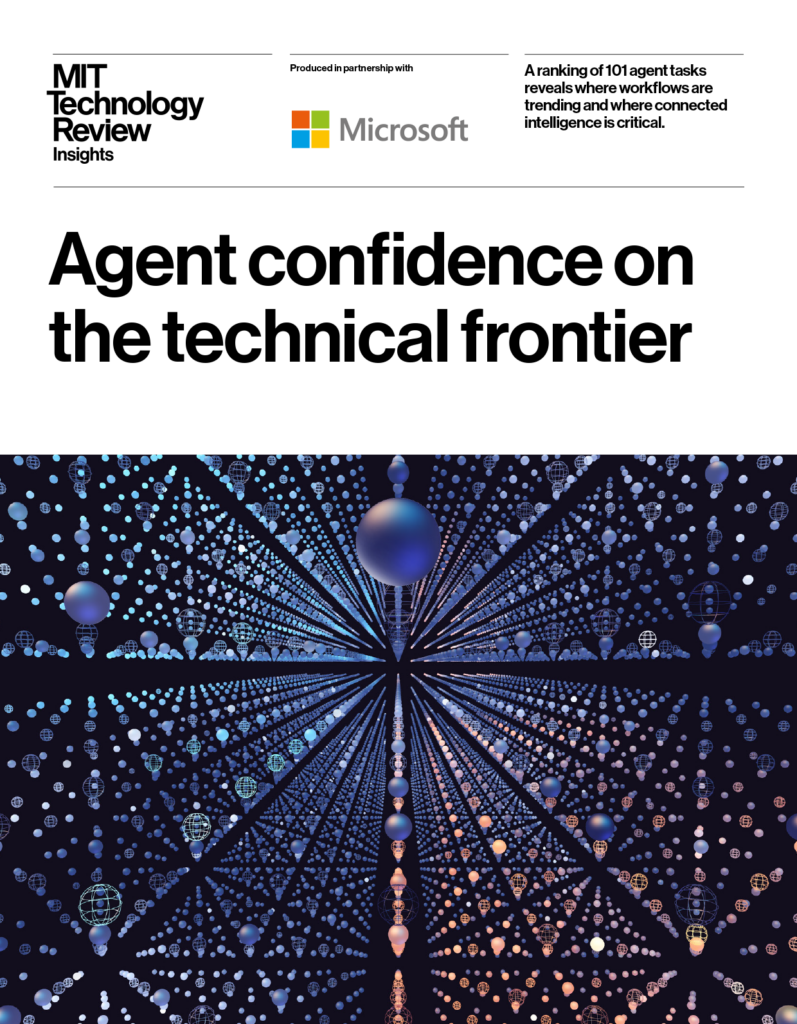
Contextualizing the Role of Agentic AI in Workflow Management Agentic AI represents a transformative force in the realm of workflow management and automation. Its ability to not only automate isolated tasks but also to manage and coordinate overarching workflows is pivotal for contemporary business environments. This capability allows for a synergistic collaboration between humans and AI agents, enhancing productivity and operational efficiency. However, the deployment of such technologies is fraught with challenges, primarily due to the inherent risks associated with automated decision-making processes. Consequently, organizations must cultivate a robust confidence in the ability of these agents to perform tasks reliably and securely. Main Goal: Enhancing Trust in AI Agents The central objective articulated in the original discourse is to bolster confidence in agentic AI systems, thereby enabling organizations to delegate responsibilities effectively. Achieving this goal necessitates a two-pronged approach: developing more sophisticated reasoning capabilities within the agents and ensuring the provision of sufficient business context to facilitate informed decision-making. As technology teams gain experience with these systems, it is anticipated that confidence levels will rise correspondingly, thereby fostering broader acceptance and integration of agentic AI into business operations. Advantages of Agentic AI in Business Workflows Increased Efficiency: Technology experts assert that agentic AI can significantly streamline processes, allowing teams to focus on higher-level strategic initiatives rather than mundane tasks. Enhanced Decision-Making: The integration of AI agents into complex workflows can facilitate better decision-making by providing data-driven insights and automating routine judgments. Improved Trust in Data Integrity: Areas such as data quality monitoring and anomaly detection benefit from agentic interventions, ensuring that decisions are based on accurate and reliable data. Scalability: AI agents can handle increasing volumes of data and tasks without a proportional increase in human resources, thus enabling organizations to scale operations efficiently. Continuous Learning: As these systems are employed, they can learn from interactions and outcomes, further enhancing their capabilities and fostering an adaptive operational environment. Limitations and Considerations Despite the numerous advantages, it is essential to recognize certain limitations and considerations when deploying agentic AI. The effectiveness of these agents is heavily contingent on the quality of the data they utilize and the context in which they operate. In scenarios where enterprise data is fragmented or lacks sufficient context, the performance of AI agents may be compromised. Additionally, human oversight remains a critical factor in ensuring the successful deployment of these systems, as it mitigates the risks associated with automated decision-making. Future Implications of AI Developments Looking forward, the trajectory of AI advancements holds significant implications for the landscape of agentic AI and its role in business workflows. As organizations increasingly integrate these technologies, the evolution of governance models and operational frameworks will likely adapt to accommodate AI agents. The anticipated growth in agent confidence, as reported by technology experts, suggests a future where these systems become an integral part of daily operations, enhancing both efficiency and decision-making capabilities. Moreover, as the technology matures, we can expect breakthroughs in areas requiring advanced reasoning and contextual understanding, further solidifying the role of agentic AI in driving business innovation. Disclaimer The content on this site is generated using AI technology that analyzes publicly available blog posts to extract and present key takeaways. We do not own, endorse, or claim intellectual property rights to the original blog content. Full credit is given to original authors and sources where applicable. Our summaries are intended solely for informational and educational purposes, offering AI-generated insights in a condensed format. They are not meant to substitute or replicate the full context of the original material. If you are a content owner and wish to request changes or removal, please contact us directly. Source link : Click Here

Context and Overview The recent actions undertaken by the Federal Bureau of Investigation (FBI) to dismantle the NetNut proxy platform, linked to the Popa botnet, highlight a significant intersection between law enforcement and cybersecurity in the digital age. NetNut, operated by the Israeli company Alarum Technologies, was a residential proxy service that facilitated the routing of internet traffic through compromised devices, resulting in a substantial network of over two million vulnerable bots. The implications of this seizure extend beyond mere legal ramifications; they underscore critical concerns regarding cybersecurity infrastructure and the role of artificial intelligence (AI) in mitigating similar threats. Main Goal and Its Achievement The primary objective of the FBI’s seizure was to disrupt the operations of the Popa botnet, which extensively utilized NetNut’s proxy services to obfuscate malicious online activities. This goal can be achieved through a multi-faceted approach that includes collaboration with industry partners, deployment of advanced threat intelligence, and ongoing monitoring of proxy networks. By leveraging the collective resources and knowledge of technology firms and law enforcement, significant progress can be made in identifying and neutralizing similar threats in the future. Advantages of Disruption Reduction of Cybercrime Infrastructure: The dismantling of NetNut has led to a significant decrease in the resources available to cybercriminals, thereby impairing their ability to execute large-scale attacks. Experts believe that this disruption will hinder the operational capabilities of botnets like Popa. Enhanced Threat Intelligence: Collaborations between companies such as Google and law enforcement provide critical insights into the behaviors and techniques employed by cybercriminals. The sharing of technical intelligence on software development kits (SDKs) and backend structures is instrumental in improving defensive measures. Potential Decrease in DDoS Attacks: By addressing the vulnerabilities associated with residential proxy services, the recent seizure may reduce the risk of large-scale Distributed Denial-of-Service (DDoS) attacks, which often exploit poorly configured devices. Increased Awareness: The incident serves as a cautionary tale for consumers regarding the risks associated with unverified technology products. Public awareness can lead to more informed decisions when purchasing smart devices and streaming boxes. Future Implications The ongoing development of AI technologies is poised to significantly impact the cybersecurity landscape in the coming years. As AI continues to advance, its applications in threat detection and response will likely become more sophisticated. AI-driven systems can analyze vast datasets in real-time, identifying patterns indicative of malicious activities more efficiently than traditional methods. Furthermore, AI can facilitate proactive measures, allowing cybersecurity experts to anticipate potential threats before they materialize. However, challenges remain. The resilience of cybercriminal networks, as evidenced by previous disruptions, suggests that new proxy services will emerge to fill the void left by dismantled platforms like NetNut. AI must, therefore, evolve in tandem with these threats to maintain effective defenses. The continuous cycle of innovation within both cybersecurity and cybercrime necessitates an adaptive approach to security protocols and technologies. Conclusion The seizure of the NetNut proxy platform by the FBI represents a pivotal moment in the fight against cybercrime. It illustrates the importance of collaboration between law enforcement and the tech industry in dismantling harmful networks. As AI and cybersecurity technologies advance, they will play a crucial role in shaping the future landscape of digital security, emphasizing the need for vigilance and innovation in safeguarding against emerging threats. Disclaimer The content on this site is generated using AI technology that analyzes publicly available blog posts to extract and present key takeaways. We do not own, endorse, or claim intellectual property rights to the original blog content. Full credit is given to original authors and sources where applicable. Our summaries are intended solely for informational and educational purposes, offering AI-generated insights in a condensed format. They are not meant to substitute or replicate the full context of the original material. If you are a content owner and wish to request changes or removal, please contact us directly. Source link : Click Here


