
Engineering Innovations for Enhancing Global Food Security
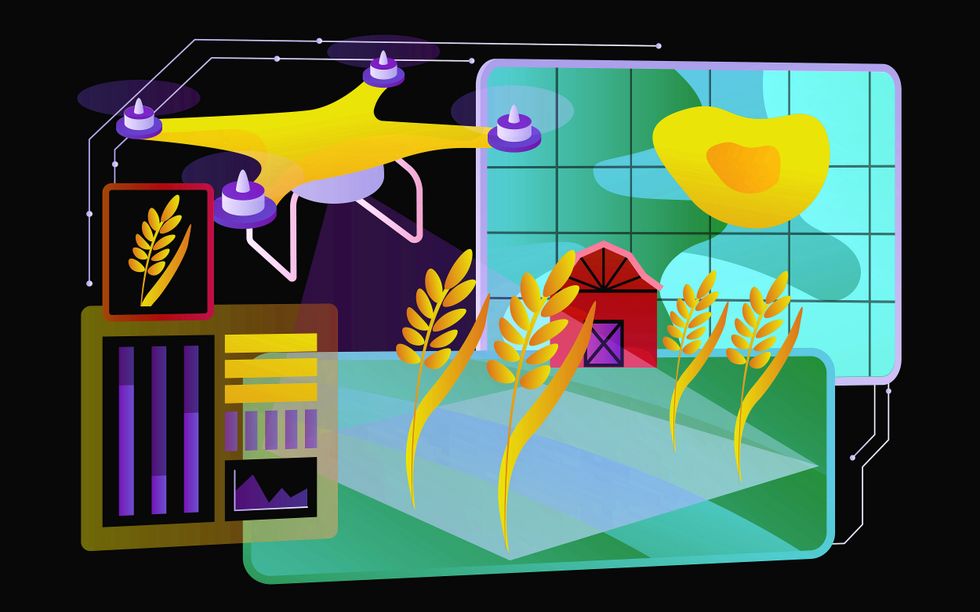
Context: The Role of Engineering in Food Security According to the U.N. World Food Program, nearly 750 million individuals globally are currently facing hunger. Projections indicate that by 2050, the demand for food is expected to increase by 50 percent from 2010 levels, as reported by the World Resources Institute. To meet this rising demand, a recent special report by the IEEE Smart Agri-Food Initiative emphasizes that advancements in technology are crucial for expanding food production. This report encompasses research findings, case studies, and innovative applications of technology aimed at assisting farmers, engineers, and policymakers in tackling the challenges of food security. Main Goal and Its Achievement The primary objective of the original post is to highlight the critical role of engineering in enhancing food security through innovative technologies. Achieving this goal necessitates a multifaceted approach that integrates various technological advancements, including automation, data analytics, and sustainable practices. As emphasized by John Verboncoeur, chair of the IEEE Smart Agri-Food Initiative, addressing food security has evolved into a systems-engineering problem that requires the collaboration of multiple disciplines. By harnessing the collective expertise of engineers, agricultural scientists, and policymakers, we can create effective solutions that not only increase food production but also promote sustainability and resilience in agricultural practices. Advantages of Technological Integration in Agriculture Enhanced Efficiency: The integration of smart agriculture systems, which utilize sensors, artificial intelligence, and robotics, can significantly improve operational efficiency across farms. These technologies enable precise monitoring and management of resources, ultimately leading to reduced waste and increased yield. Precision Agriculture: The application of GPS-guided equipment allows farmers to make location-specific decisions. This capability minimizes the overuse of water, fertilizers, and pesticides, thereby mitigating environmental impact while optimizing crop health. Digital Twins: The use of digital twins creates virtual replicas of agricultural environments, allowing farmers to simulate various scenarios. This predictive capability aids in making informed decisions, ultimately increasing productivity and reducing resource consumption. Automation in Harvesting: Robotics in agriculture can address labor shortages and improve harvesting efficiency. Innovations like autonomous harvesting robots are designed to handle crops delicately, thus reducing waste while maintaining quality. Data-Driven Decision Making: The implementation of wireless sensor networks facilitates continuous monitoring of environmental conditions. The data collected can be analyzed using machine learning algorithms, providing actionable insights that enhance crop management strategies. Caveats and Limitations Despite the numerous advantages, several caveats must be considered. The initial investment costs for advanced agricultural technologies may be prohibitive for small-scale farmers. Additionally, the successful implementation of these technologies often hinges on the availability of reliable electricity and communication infrastructure in rural areas. Moreover, the complexity of integrating multiple systems can lead to inefficient practices if not managed properly. Addressing these challenges is essential to ensure that the benefits of technological advancements are accessible to all sectors of agriculture. Future Implications: The Role of AI in Agriculture The future of agriculture is poised for significant transformation, particularly with the advancements in artificial intelligence (AI). AI technologies are expected to enhance the capabilities of existing agricultural systems by providing deeper insights through data analytics and machine learning. For instance, AI can improve predictive analytics for crop yields, optimize resource allocation, and enhance pest management strategies. Furthermore, as AI systems continue to evolve, they will increasingly facilitate the integration of various agricultural technologies, leading to more cohesive and effective agricultural practices. This convergence of AI with smart agriculture technologies will likely redefine productivity benchmarks, enabling farmers to meet the growing food demands of the future while promoting sustainability. Disclaimer The content on this site is generated using AI technology that analyzes publicly available blog posts to extract and present key takeaways. We do not own, endorse, or claim intellectual property rights to the original blog content. Full credit is given to original authors and sources where applicable. Our summaries are intended solely for informational and educational purposes, offering AI-generated insights in a condensed format. They are not meant to substitute or replicate the full context of the original material. If you are a content owner and wish to request changes or removal, please contact us directly. Source link : Click Here

