
Contextual Overview of Market Dynamics Recent observations by financial expert Jim Cramer highlight a notable resilience among investors amidst fluctuating market conditions. Cramer articulated that a significant rally on Thursday demonstrated a persistent “huge appetite” for stocks, suggesting that investor sentiment remains robust despite potential economic obstacles. The Dow Jones Industrial Average, for instance, achieved a remarkable increase of 1.7%, indicating a strong demand for equities. This situation presents an intriguing case study for professionals in the finance and FinTech sectors, particularly regarding how artificial intelligence (AI) can be leveraged to understand and anticipate market trends. Main Goal and Its Achievement The primary goal articulated in Cramer’s analysis is to underscore the resilience of investors in the face of economic challenges. This can be achieved through enhanced market analysis and predictive modeling, enabled by AI technologies. By employing algorithms that analyze vast datasets, financial professionals can better understand investor behavior and market reactions, allowing them to make informed decisions that capitalize on prevailing trends. Advantages of AI in Financial Analysis Enhanced Predictive Capabilities: AI systems can analyze historical data to forecast future market movements more accurately. For instance, Cramer noted that investors reassessed recent earnings disappointments, leading to a more optimistic market outlook. Real-Time Market Insights: AI tools can process information in real time, providing financial professionals with immediate data on market conditions. This immediacy can help investors react swiftly to changing scenarios, as demonstrated by the mixed performance of major indices despite underlying economic concerns. Behavioral Analysis: AI can discern patterns in investor behavior, helping professionals understand the factors influencing decisions in volatile markets. For example, the demand for Quantinuum’s IPO, which exceeded expectations, reflects an underlying investor confidence that can be tracked through AI analytics. Risk Mitigation: AI can assist in identifying potential risks associated with market investments. Cramer pointed out that the market’s response to private credit concerns was surprisingly muted, suggesting that AI-generated risk assessments could help investors navigate such uncertainties more effectively. Limitations and Caveats While AI offers significant advantages, it is crucial to acknowledge its limitations. The algorithms rely on historical data, which may not always accurately predict future events, particularly in highly volatile markets. Additionally, over-reliance on AI can lead to systemic risks if many investors adopt similar strategies without adequate diversification. Future Implications of AI in Finance Looking ahead, advancements in AI technology are poised to transform the landscape of finance and investment. As algorithms become more sophisticated, they will increasingly enable financial professionals to navigate complexities with greater precision. The integration of AI with emerging technologies, such as blockchain and machine learning, could further enhance market analytics and investor engagement. Consequently, the financial sector may experience a paradigm shift, where data-driven decision-making becomes the norm, allowing for a more resilient and responsive market ecosystem. Disclaimer The content on this site is generated using AI technology that analyzes publicly available blog posts to extract and present key takeaways. We do not own, endorse, or claim intellectual property rights to the original blog content. Full credit is given to original authors and sources where applicable. Our summaries are intended solely for informational and educational purposes, offering AI-generated insights in a condensed format. They are not meant to substitute or replicate the full context of the original material. If you are a content owner and wish to request changes or removal, please contact us directly. Source link : Click Here

Context of the Collaboration between OpenCV and AMD The recent announcement regarding the partnership between OpenCV and AMD marks a pivotal moment in the realm of computer vision and artificial intelligence (AI). OpenCV, recognized as the preeminent open-source library for computer vision, aims to further enhance its capabilities through a strategic alliance with AMD, a leader in high-performance computing hardware. This collaboration is particularly centered around the acceleration of AI workloads on AMD hardware, notably through the development of OpenCV 5. As part of this collaboration, AMD has achieved the status of an OpenCV 5 Launch Partner and will be designated as an OpenCV Gold Sponsor. This partnership is geared towards optimizing both CPU and GPU performance for a wide range of computer vision applications, thereby solidifying AMD’s position as a primary platform for Vision AI workloads. Main Goal of the Collaboration The overarching aim of the OpenCV-AMD collaboration is to enhance the efficiency of AI inference pipelines. This includes improving pre-processing and post-processing stages integral to computer vision operations. By focusing on optimizing performance through advanced hardware capabilities, the collaboration seeks to streamline the processing of image and video data, thereby facilitating the deployment of sophisticated Vision AI applications. Advantages of the Collaboration Enhanced Performance: AMD’s involvement will enable the integration of hand-optimized kernels for its Ryzen AI Embedded systems, which are designed to significantly boost the performance of core OpenCV operations. GPU Acceleration: The development of a HIP-based backend utilizing the AMD ROCm open software stack will support next-generation discrete and integrated GPUs, significantly enhancing GPU acceleration capabilities for Vision AI tasks. Hardware Abstraction Layer (HAL): OpenCV 5’s new HAL will provide a vendor-pluggable architecture, facilitating dynamic loadable acceleration backends and improving overall system flexibility and performance. Open Ecosystem Contributions: The partnership emphasizes a commitment to open-source principles, with AMD contributing to upstream improvements in OpenCV, which benefits the broader developer community. Addressing Bottlenecks: By optimizing operations that handle pre- and post-processing of data, the collaboration aims to reduce bottlenecks in end-to-end Vision AI systems, benefiting applications across various sectors such as healthcare, robotics, and industrial automation. Caveats and Limitations Despite the promising advantages, there are potential limitations to consider. The optimization efforts are heavily dependent on the specific hardware configurations employed by developers. As such, performance improvements may not be uniformly experienced across all systems, particularly those not utilizing AMD’s latest architectures. Additionally, the complexity of integrating new hardware acceleration features may present challenges for developers accustomed to traditional CPU-based implementations. Future Implications of AI Developments in Computer Vision Looking ahead, the collaboration between OpenCV and AMD is poised to significantly influence the future landscape of computer vision and AI. As the demand for real-time processing capabilities escalates, advancements in hardware acceleration will become increasingly critical. The partnership is expected to drive innovation, enabling developers to create more sophisticated AI applications that can leverage the full potential of modern hardware architectures. Moreover, as AI technologies continue to evolve, the integration of enhanced computational capabilities will likely lead to breakthroughs in various fields, including autonomous systems, smart surveillance, and enhanced medical imaging solutions. The collaboration’s emphasis on open-source contributions will further ensure that advancements are accessible to a wider community of researchers and developers, fostering a collaborative environment for ongoing innovation in computer vision. Disclaimer The content on this site is generated using AI technology that analyzes publicly available blog posts to extract and present key takeaways. We do not own, endorse, or claim intellectual property rights to the original blog content. Full credit is given to original authors and sources where applicable. Our summaries are intended solely for informational and educational purposes, offering AI-generated insights in a condensed format. They are not meant to substitute or replicate the full context of the original material. If you are a content owner and wish to request changes or removal, please contact us directly. Source link : Click Here

Introduction Recent events have underscored the vulnerabilities associated with automated systems, particularly those employing artificial intelligence (AI) for customer support. In a notable incident, hackers exploited Meta’s AI support bot to compromise high-profile Instagram accounts. This breach not only highlighted the weaknesses in AI-driven recovery processes but also raised significant concerns regarding the implications for data security in the context of Big Data Engineering. Understanding these dynamics is crucial for Data Engineers, who play a pivotal role in safeguarding sensitive information against emerging threats. Context of the Incident The incident involved the Instagram accounts of prominent figures, including the Obama White House and the Chief Master Sergeant of the U.S. Space Force, which were defaced with pro-Iranian content. This breach was facilitated by instructions circulating on Telegram that detailed how to manipulate Meta’s AI support assistant into resetting account passwords. The ease with which the attackers executed this exploit, leveraging a VPN to mask their identity, indicates a troubling trend where AI chatbots, intended to streamline user interactions, can be misled into compromising account security. Main Goals and Achievements The primary goal of this incident is to highlight the vulnerabilities inherent in AI-driven customer service systems. By understanding these weaknesses, organizations can take proactive measures to fortify their security frameworks. This can be achieved through: Implementing Robust Multi-Factor Authentication (MFA): The incident revealed that even basic MFA measures could thwart unauthorized access attempts. Data Engineers can advocate for the adoption of more secure authentication methods, such as passkeys or hardware security keys, to enhance account security. Regular System Audits and Updates: Continuous monitoring and patching of AI systems can mitigate potential exploits. Data Engineers should ensure that security protocols are regularly updated in response to emerging threats. Advantages of Implementing Robust Security Measures In light of the aforementioned incident, several advantages emerge when organizations prioritize the security of AI systems: Enhanced Security Posture: Organizations that implement advanced security measures can significantly reduce the risk of account breaches, thereby protecting sensitive data and maintaining user trust. Reduced Exploitability: By utilizing complex MFA systems, organizations can prevent attackers from easily manipulating AI support bots, as evidenced by the attackers’ failure against accounts with MFA enabled. Increased User Confidence: A robust security framework fosters user confidence in the platform, ensuring users feel secure when utilizing services that involve sensitive account information. However, it is important to acknowledge that no system is infallible. The implementation of security measures can introduce complexities and may require ongoing user education to ensure effectiveness. Future Implications of AI Developments The integration of AI in customer service will continue to grow, leading to both opportunities and challenges. As organizations increasingly rely on AI chatbots to manage sensitive account recovery requests, the potential for exploitation will likely rise. Data Engineers must remain vigilant and adapt to these changes by: Developing Advanced AI Security Protocols: As AI technology evolves, so too must the security measures that protect it. Data Engineers should focus on developing AI systems that can detect and respond to anomalous behavior patterns indicative of an attack. Investing in Continuous Training: Ensuring that AI systems are trained on diverse datasets can help mitigate biases and improve their ability to recognize fraudulent activities. Ultimately, the future of AI in customer support will depend on the industry’s ability to innovate securely, balancing user convenience with the imperative of robust data protection. Conclusion The recent exploitation of Meta’s AI support bot serves as a critical reminder of the vulnerabilities present in automated systems. For Data Engineers, it is essential to adopt a proactive stance towards security, employing advanced authentication methods and continuously updating systems to guard against emerging threats. As AI technology continues to advance, the focus must remain on creating secure, resilient systems that can protect sensitive information while providing valuable user support. Disclaimer The content on this site is generated using AI technology that analyzes publicly available blog posts to extract and present key takeaways. We do not own, endorse, or claim intellectual property rights to the original blog content. Full credit is given to original authors and sources where applicable. Our summaries are intended solely for informational and educational purposes, offering AI-generated insights in a condensed format. They are not meant to substitute or replicate the full context of the original material. If you are a content owner and wish to request changes or removal, please contact us directly. Source link : Click Here

Contextual Overview of AI-Driven Data Analytics for Enterprises The advent of artificial intelligence (AI) technologies has revolutionized the landscape of data analytics within enterprises. As organizations increasingly rely on data-driven decision-making, the challenges posed by fragmented data workflows become more pronounced. Solutions like Data Formulator 0.7 emerge as pivotal tools in bridging the gap between disparate data sources and analytical capabilities. This open-source, AI-powered system facilitates seamless data connectivity, agent-assisted exploration, and enhanced visualization within a collaborative workspace, thereby enabling enterprises to harness the full potential of their data assets. Main Goals of Data Formulator 0.7 The primary objective of Data Formulator 0.7 is to streamline the process of data analytics by providing a unified platform that integrates various data sources while minimizing the complexity associated with traditional analytical workflows. Achieving this goal involves several strategic components: 1. **Data Connectivity**: Establishing reusable connections across databases, data warehouses, business intelligence (BI) systems, and local files is crucial. By implementing a robust Data Connectors feature, organizations can significantly reduce the integration workload typically encountered by platform teams. 2. **Context-Aware Analysis**: The implementation of context-aware agents allows users to navigate complex analytical workflows without requiring extensive coding knowledge. These agents facilitate data preparation, exploration, and visualization, thereby democratizing access to data insights. 3. **Iterative Workspace**: An interactive, multimodal interface encourages iterative analysis, enabling teams to refine their insights collaboratively. This interface supports intuitive exploration and visualization adjustments, which is essential for evolving analytical needs. Advantages of Utilizing Data Formulator 0.7 The integration of Data Formulator 0.7 into enterprise data workflows presents numerous advantages: 1. **Enhanced Data Integration**: By providing a unified access point to diverse data sources, Data Formulator reduces redundancy and enhances efficiency. This is evidenced by the ability to establish persistent connections, which alleviates the need for repetitive manual uploads. 2. **User-Friendly Interface**: The multimodal interface allows individuals with varying levels of technical expertise to engage in data analysis. This inclusivity fosters a culture of data-driven decision-making across the organization. 3. **Contextualized Insights**: Context-aware agents not only assist users in data manipulation but also maintain a coherent narrative throughout the analytical process. This capability facilitates reproducibility and transparency in results, which are critical in enterprise environments. 4. **Collaborative Analysis**: The structured chat interface, known as the Data Thread, preserves the history of analytical interactions, allowing users to revisit and build upon previous analyses. This capability is vital for iterative exploration and cross-departmental collaboration. 5. **Adaptive Visualization**: The interactive canvas enables real-time adjustments to visualizations based on user feedback, ensuring that insights are communicated effectively. This adaptability is essential for aligning visual outputs with stakeholder expectations. Limitations and Considerations While Data Formulator 0.7 offers significant benefits, several limitations warrant consideration: 1. **Dependence on Data Quality**: The effectiveness of the system is contingent upon the quality and integrity of the data being analyzed. Poor data quality can lead to misleading insights, regardless of the analytical capabilities of the tool. 2. **Learning Curve**: Despite its user-friendly design, some users may require training to fully leverage the system’s functionalities, particularly when transitioning from traditional analytics tools. 3. **Integration Complexity**: While the Data Connectors feature simplifies data integration, initial setup and configuration may still pose challenges for organizations with extensive and varied data architectures. Future Implications of AI in Data Analytics The ongoing evolution of AI technologies is poised to further transform the field of data analytics. As machine learning algorithms become more sophisticated, the capabilities of tools like Data Formulator 0.7 will likely expand, offering predictive analytics, automated insights, and enhanced data visualization techniques. This advancement could lead to even greater accessibility of data insights, empowering organizations to make informed decisions rapidly. Moreover, the integration of AI into analytics workflows may shift the focus from descriptive analytics to prescriptive and predictive analytics, enabling organizations to anticipate market trends and customer behaviors proactively. As enterprises become more data-centric, the role of AI in facilitating these processes will be central to maintaining competitiveness and driving innovation. In conclusion, the application of AI in enterprise data analytics through solutions like Data Formulator 0.7 not only addresses existing challenges but also sets the stage for future advancements that can redefine how organizations leverage their data assets. The potential for enhanced collaboration, improved insights, and streamlined workflows underscores the transformative impact of AI technologies in the realm of data analytics. Disclaimer The content on this site is generated using AI technology that analyzes publicly available blog posts to extract and present key takeaways. We do not own, endorse, or claim intellectual property rights to the original blog content. Full credit is given to original authors and sources where applicable. Our summaries are intended solely for informational and educational purposes, offering AI-generated insights in a condensed format. They are not meant to substitute or replicate the full context of the original material. If you are a content owner and wish to request changes or removal, please contact us directly. Source link : Click Here
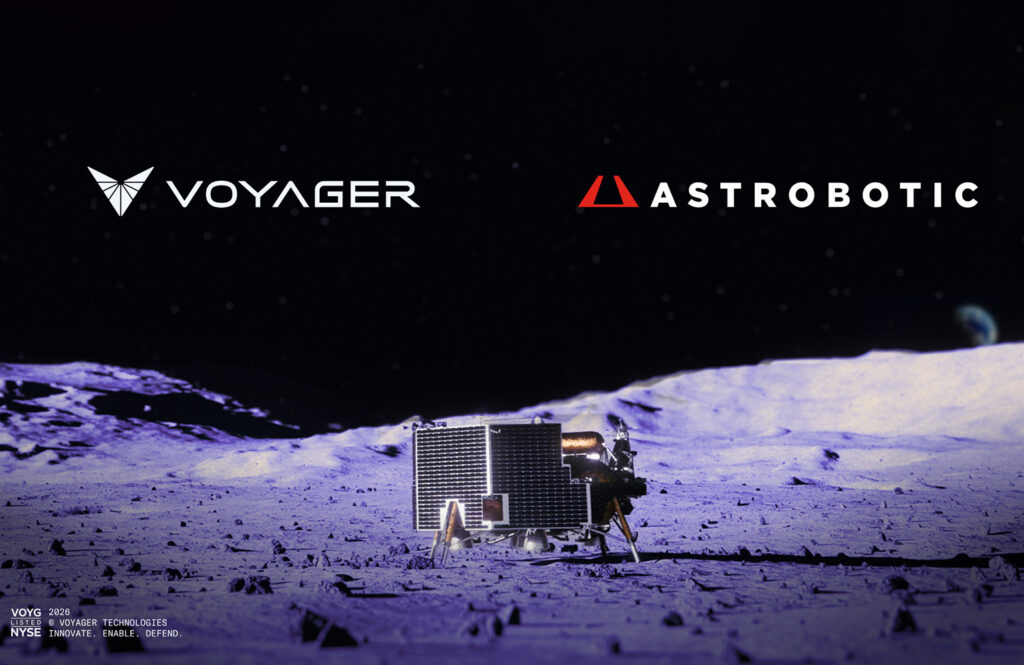
Context and Overview The recent acquisition of Astrobotic Technology Inc. by Voyager Technologies represents a pivotal move within the realm of lunar exploration and commercial space operations. Voyager Technologies, a leader in defense technology and mission-ready systems, aims to leverage Astrobotic’s expertise in lunar delivery, power systems, and reusable rocketry to expand its strategic initiatives associated with lunar operations. This collaboration seeks to enhance the capabilities and infrastructure necessary for sustained human presence on the Moon, aligning with NASA’s Artemis program objectives and other aspirations for lunar colonization. Main Goals and Achievement Strategies The primary goal of this acquisition is to establish a comprehensive lunar platform that can facilitate various lunar operations, including mission management, surface delivery, and long-duration habitation. By integrating Astrobotic’s existing technologies and expertise, Voyager intends to create a synergistic framework that will streamline lunar operations and logistics. This can be achieved through focused investments in Astrobotic’s lunar and reusable rocket programs, ultimately accelerating timelines for establishing a permanent U.S. presence on the Moon by 2028. Advantages of the Acquisition Enhanced Operational Capabilities: The merger will bolster Voyager’s lunar operations by incorporating Astrobotic’s advanced landers, such as the Peregrine and Griffin, which are crucial for surface delivery missions. Strategic Investment: Voyager’s commitment to investing in Astrobotic’s technology will catalyze the development of reusable rockets and lunar power systems, integral to sustaining life on the Moon. Robust Infrastructure: The establishment of a lunar infrastructure, including the LunaGrid solar distribution system, will facilitate energy management and operational efficiency on the lunar surface. Continuity and Stability: The acquisition ensures operational stability and leadership continuity for Astrobotic, allowing ongoing projects like Griffin Mission One to proceed without disruption. Long-term Vision: This collaboration embodies a long-term commitment to lunar presence, aligning with national interests in space exploration and technological advancement. Future Implications and Technological Developments The acquisition carries significant implications for the future of lunar exploration and the role of artificial intelligence in space operations. AI technologies are expected to play a pivotal role in automating various aspects of lunar missions, from navigation and obstacle avoidance to real-time data analysis for decision-making processes. As AI systems become increasingly sophisticated, they will enable more efficient robotic operations, reducing the need for human intervention and enhancing mission safety. Furthermore, advancements in AI will likely facilitate better resource management, allowing for sustainable practices in extraterrestrial environments. Conclusion The strategic acquisition of Astrobotic by Voyager Technologies marks a significant advancement in the pursuit of lunar exploration and commercial space operations. By harnessing Astrobotic’s capabilities and aligning with NASA’s objectives, Voyager is poised to play a crucial role in establishing a permanent lunar presence. The integration of AI technologies into future lunar missions will further enhance operational efficiency and pave the way for innovative solutions in space exploration, ultimately benefiting the broader field of Smart Manufacturing and Robotics. Disclaimer The content on this site is generated using AI technology that analyzes publicly available blog posts to extract and present key takeaways. We do not own, endorse, or claim intellectual property rights to the original blog content. Full credit is given to original authors and sources where applicable. Our summaries are intended solely for informational and educational purposes, offering AI-generated insights in a condensed format. They are not meant to substitute or replicate the full context of the original material. If you are a content owner and wish to request changes or removal, please contact us directly. Source link : Click Here

Context As biotechnology continues to evolve, the convergence of artificial intelligence (AI) and health innovation becomes increasingly significant. Recent developments highlight a notable shift, wherein pioneers in AI, such as Jakob Uszkoreit, are transitioning their expertise towards RNA-based therapeutics. This pivot exemplifies a broader trend in which AI methodologies are increasingly being utilized to enhance drug discovery and development processes. Furthermore, the discussions surrounding the efficacy of emerging treatments, such as those for pancreatic cancer by Revolution Medicines, underscore the critical interplay between scientific advancement and clinical application in the health sector. This intersection of technology and medicine presents both challenges and opportunities for HealthTech professionals. Main Goal and Achievement The primary goal articulated in the original content is to underscore the transformative potential of AI in drug development, particularly through the lens of RNA-based therapies. Achieving this goal necessitates an interdisciplinary approach that leverages AI algorithms to model biological processes and predict therapeutic outcomes. By harnessing advanced computational frameworks, such as biological foundation models, AI can facilitate the development of innovative treatments that are more targeted and efficient. This paradigm shift not only accelerates the discovery phase but also enhances the precision of therapeutic interventions. Advantages Enhanced Predictive Analytics: The integration of AI in drug development allows for more accurate predictions of drug interactions and patient responses, thereby increasing the likelihood of successful clinical outcomes. Streamlined Research Processes: AI methodologies can automate and optimize various stages of research, significantly reducing time and resource expenditures typically associated with drug development. Broader Applicability: The framework proposed by Inceptive Nucleics, for instance, can be adapted across diverse therapeutic modalities, including RNA interference therapies and mRNA-based treatments, thereby broadening the scope of potential innovations. Improved Data Utilization: AI systems can analyze vast datasets generated from biological experiments, leading to insights that may not be readily apparent through traditional analytical methods. Limitations Despite the promising advantages, there are inherent limitations associated with the application of AI in health technologies. The reliance on data quality is paramount; biased or incomplete datasets can lead to misleading conclusions. Moreover, the complexity of biological systems means that AI models may not always accurately capture the multifaceted nature of human health and disease. Thus, while AI presents opportunities for innovation, it is crucial for HealthTech professionals to approach its implementation with a critical mindset. Future Implications The future of AI in health and medicine appears poised for rapid transformation. As technologies such as machine learning and natural language processing continue to advance, their integration into healthcare systems will likely deepen. This evolution is expected to facilitate more personalized medicine approaches, enabling treatments tailored to individual genetic profiles and disease mechanisms. Additionally, as regulatory frameworks adapt to accommodate AI-driven innovations, the pathway for clinical application will become increasingly streamlined. Ultimately, the interplay between AI and healthcare will not only redefine therapeutic paradigms but also enhance the overall efficiency and effectiveness of healthcare delivery. Disclaimer The content on this site is generated using AI technology that analyzes publicly available blog posts to extract and present key takeaways. We do not own, endorse, or claim intellectual property rights to the original blog content. Full credit is given to original authors and sources where applicable. Our summaries are intended solely for informational and educational purposes, offering AI-generated insights in a condensed format. They are not meant to substitute or replicate the full context of the original material. If you are a content owner and wish to request changes or removal, please contact us directly. Source link : Click Here


