
Contextual Overview With the increasing prevalence of organized, industrial-scale scamming, social media platforms are facing immense pressure to implement robust security measures. The recent announcement by Meta regarding enhanced account protections aims to combat these multifaceted threats. By flagging potentially suspicious activities at the earliest stages of interaction, Meta is taking proactive steps to mitigate the impact of scams that have resulted in a multibillion-dollar crisis globally. This initiative aligns with a collaborative law enforcement approach, notably involving the Royal Thai Police, the FBI, and other international agencies, which recently led to significant arrests and the disabling of numerous fraudulent accounts linked to Southeast Asian scam operations. Main Goals and Implementation Strategies The primary goal of Meta’s new initiative is to enhance user safety by developing advanced detection systems that can identify and alert users to potential scams. This is achieved through the introduction of new features within Messenger and WhatsApp, which proactively warn users about suspicious activities, such as unfamiliar friend requests or unusual device link attempts. By leveraging technology to provide users with timely alerts, Meta aims to create a safer online environment and diminish the effectiveness of transnational scam syndicates exploiting digital platforms. Advantages of Enhanced Account Protections Proactive Detection: Early identification of suspicious interactions allows users to avoid potential scams before they escalate, significantly reducing the likelihood of financial loss. Collaborative Law Enforcement Efforts: By working closely with global law enforcement agencies, Meta can facilitate a broader crackdown on scam syndicates, enhancing overall efficacy in combating these threats. Increased User Trust: Enhanced security measures can improve user confidence in the platform, potentially leading to greater user retention and engagement. Scalability of Solutions: As Meta scales these features globally, the potential to deter scams increases, thereby creating a safer environment for users across various regions. Despite these advantages, it is essential to recognize potential limitations, such as the need for continuous updates to detection algorithms to keep pace with evolving scam tactics, and the risk of false positives that could alienate legitimate users. Future Implications of AI in Cybersecurity The role of artificial intelligence in enhancing cybersecurity measures is set to expand significantly in the coming years. As scamming techniques become increasingly sophisticated, AI will play a pivotal role in developing adaptive algorithms capable of learning from new threats in real-time. This continual evolution of AI technologies can lead to more personalized and effective security measures, ultimately shaping a future where digital interactions are increasingly secure. Moreover, as AI systems gain the capacity to analyze vast amounts of data for behavioral patterns indicative of fraudulent activities, the collaborative efforts between technology companies and law enforcement will likely become more streamlined. This synergy will enable a more robust defense against cybercrime, particularly in the realm of organized scams that operate across multiple jurisdictions. Disclaimer The content on this site is generated using AI technology that analyzes publicly available blog posts to extract and present key takeaways. We do not own, endorse, or claim intellectual property rights to the original blog content. Full credit is given to original authors and sources where applicable. Our summaries are intended solely for informational and educational purposes, offering AI-generated insights in a condensed format. They are not meant to substitute or replicate the full context of the original material. If you are a content owner and wish to request changes or removal, please contact us directly. Source link : Click Here

Context of AI in Product Engineering The integration of artificial intelligence (AI) within product engineering represents a transformative shift in how organizations design, develop, and manufacture products. Drawing insights from a recent survey of 300 respondents, including senior technology executives, the evolving landscape of AI adoption is becoming increasingly evident. This analysis provides a nuanced understanding of the challenges and opportunities that engineering teams face as they scale AI capabilities. With a focus on measurable outcomes, this discourse sheds light on the pivotal factors driving the adoption of AI technologies in real-world applications. Main Goal of AI Adoption in Product Engineering The primary objective of integrating AI into product engineering is to enhance operational efficiency while ensuring higher product quality and sustainability. Achieving this goal necessitates a systematic approach to embedding AI technologies in engineering processes. By adopting layered AI systems characterized by distinct trust thresholds, product engineers can mitigate risks associated with physical outputs, thereby reinforcing accountability. This approach not only safeguards against potential product failures but also establishes a framework for continuous improvement and regulatory compliance. Advantages of AI Integration in Product Engineering Enhanced Verification and Governance: The necessity for rigorous verification processes is paramount in environments where physical outputs are involved. By implementing AI systems with clear governance structures, organizations can ensure that engineering decisions are both transparent and accountable. Focus on Predictive Analytics: The survey indicates that product engineering leaders prioritize investments in predictive analytics and AI-driven simulations. These tools provide critical feedback loops that enable companies to track performance metrics, thus facilitating regulatory approval and demonstrating return on investment (ROI). Increased Investment in AI: A significant proportion of product engineering leaders (90%) plan to increase their AI investments within the next one to two years, although the anticipated growth is modest. This incremental approach allows for gradual trust-building in AI systems, aligning financial commitments with tangible outcomes. Sustainability and Quality Metrics: As organizations strive for sustainable practices, AI technologies are increasingly being leveraged to enhance product quality. Prioritizing measurable outcomes such as defect rates and emissions profiles ensures that engineering efforts resonate with customer and regulatory expectations. Caveats and Limitations While the benefits of AI integration are substantial, it is crucial to acknowledge inherent limitations. The focus on optimization rather than radical innovation may restrict the potential for transformative breakthroughs in product engineering. Additionally, the modest growth in AI investment reflects a cautious approach, which may hinder the speed of adoption and limit the exploration of more disruptive AI capabilities. Future Implications of AI in Product Engineering The trajectory of AI research and innovation is poised to shape the future landscape of product engineering significantly. As technology continues to evolve, the emphasis on sustainability and product quality will likely intensify, compelling organizations to adapt their strategies accordingly. The ongoing development of AI capabilities will not only enhance the efficiency of engineering processes but also redefine competitive paradigms within the industry. By embracing these advancements, product engineering teams can position themselves at the forefront of innovation, ultimately fostering a more resilient and sustainable manufacturing ecosystem. Disclaimer The content on this site is generated using AI technology that analyzes publicly available blog posts to extract and present key takeaways. We do not own, endorse, or claim intellectual property rights to the original blog content. Full credit is given to original authors and sources where applicable. Our summaries are intended solely for informational and educational purposes, offering AI-generated insights in a condensed format. They are not meant to substitute or replicate the full context of the original material. If you are a content owner and wish to request changes or removal, please contact us directly. Source link : Click Here
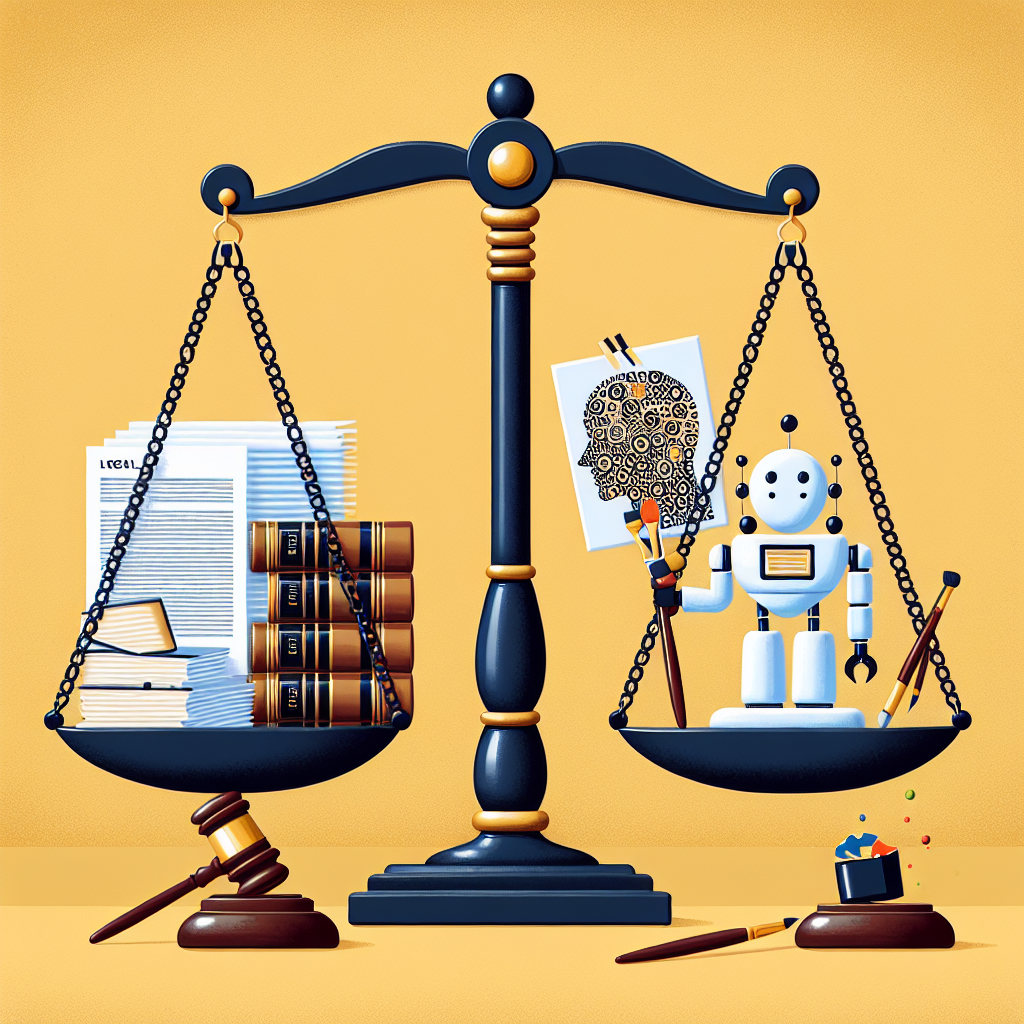
Contextual Overview Recent discussions surrounding the intersection of artificial intelligence (AI) and copyright law have been significantly influenced by the case of *Thaler v. Perlmutter*. An erroneous narrative emerged, suggesting that the U.S. Supreme Court had definitively ruled against the copyrightability of AI-generated works. However, it is crucial to clarify that the Supreme Court merely denied certiorari, meaning it chose not to review the lower court’s decision. This denial does not constitute an endorsement of the lower court’s findings nor does it establish a binding legal precedent. As the landscape of AI-generated content evolves, understanding the implications of this case is vital for legal professionals navigating the complexities of intellectual property law. Main Goals and Achievements The primary objective of addressing the *Thaler v. Perlmutter* case is to clarify the legal status of AI-generated works in the context of copyright law. Legal professionals must recognize that while the court’s decision reflects the current legal framework, it does not comprehensively address the broader implications of AI’s role in creative processes. Achieving clarity on the issue of authorship and copyrightability for AI-generated works is essential. This can be facilitated by ongoing legal discourse, legislative review, and case law development that may redefine the parameters of human authorship in the age of AI. Advantages of Understanding AI Copyright Implications 1. **Enhanced Legal Clarity**: The case underscores the necessity for legal clarity regarding the authorship of works generated by AI. Understanding the court’s rationale helps legal professionals advise clients effectively on copyright registration and protection. 2. **Guidance for Future Legislation**: By analyzing the *Thaler* decision, legal professionals can contribute to shaping future legislative reforms that may address the gaps in current copyright law concerning AI-generated content. 3. **Informed Decision-Making for Creatives**: Artists and creators utilizing AI tools can benefit from understanding the legal ramifications of their work, enabling them to make informed decisions regarding collaboration with AI systems. 4. **Promotion of Innovation**: A clear legal framework can foster innovation by encouraging creators to explore AI technologies without fear of infringing on copyright laws, thus enhancing the creative landscape. 5. **Strategic Litigation**: Legal professionals may leverage insights from the *Thaler* case to formulate strategic litigation approaches in future copyright disputes involving AI-generated works. Limitations and Caveats While the *Thaler* decision provides a foundation for understanding the current legal landscape, it does have limitations. The ruling specifically pertains to works created solely by AI without any human authorship claimed. Thus, it does not address scenarios where AI is used as a tool in the creative process, leaving significant questions unanswered regarding the degree of human involvement necessary for copyright eligibility. Furthermore, the decision does not prevent legislative changes that may redefine these parameters in the future. Future Implications of AI Developments The ongoing evolution of AI technology will likely prompt further legal challenges and discussions in the realm of copyright law. As AI systems become increasingly sophisticated, the distinction between human and machine-generated content may blur, necessitating a reevaluation of existing legal frameworks. The potential for new legislative measures exists, which could introduce more nuanced definitions of authorship and copyrightability. Moreover, as AI continues to permeate various creative sectors, the need for proactive engagement from legal professionals will become increasingly crucial. Continuous monitoring of developments in case law, legislative changes, and technological advancements will be essential for effectively navigating this complex and evolving landscape. In conclusion, the intersection of AI and copyright law presents both challenges and opportunities for legal professionals. By maintaining a clear understanding of the implications of cases like *Thaler v. Perlmutter*, legal practitioners can better advocate for their clients and contribute to the shaping of a legal framework that accommodates the innovations of AI. Disclaimer The content on this site is generated using AI technology that analyzes publicly available blog posts to extract and present key takeaways. We do not own, endorse, or claim intellectual property rights to the original blog content. Full credit is given to original authors and sources where applicable. Our summaries are intended solely for informational and educational purposes, offering AI-generated insights in a condensed format. They are not meant to substitute or replicate the full context of the original material. If you are a content owner and wish to request changes or removal, please contact us directly. Source link : Click Here


