
Contextual Overview of Advanced Phishing Techniques Phishing has long been a prevalent threat in the cybersecurity landscape, characterized primarily by the deployment of deceptive websites that replicate genuine login pages of widely-used online services. These fraudulent sites are typically static and easily dismantled by cybersecurity professionals and anti-abuse initiatives. However, a new evolution in phishing tactics has emerged with the introduction of sophisticated phishing-as-a-service models, notably exemplified by services like Starkiller. This particular offering allows cybercriminals to circumvent traditional detection methods by utilizing real login pages as proxies, thereby forwarding users’ credentials—including usernames, passwords, and multi-factor authentication (MFA) codes—to the legitimate sites while masquerading as trusted entities. Main Objective of Starkiller and Its Mechanism The primary goal of the Starkiller phishing service is to streamline the process of executing highly effective phishing campaigns by providing a user-friendly interface that allows cybercriminals to impersonate recognized brands with minimal technical expertise. By dynamically loading authentic login pages, Starkiller enhances the likelihood of user interaction, which significantly increases the success rates of credential theft. This is achieved through a man-in-the-middle configuration, wherein user data is captured and relayed to the genuine site, effectively neutralizing traditional MFA security measures. Advantages of Starkiller’s Phishing Infrastructure Real-time Data Capture: Starkiller captures every keystroke, form submission, and session token, providing attackers with a wealth of information that enables direct account takeover. Ease of Use: The service lowers the technical barriers for novice cybercriminals, allowing those with limited skills to conduct advanced phishing attacks. Stealth Operations: By utilizing legitimate login pages, Starkiller’s phishing links are more difficult to distinguish from genuine URLs, thereby bypassing conventional detection techniques. MFA Interception: The architecture of Starkiller enables the interception and relaying of MFA credentials, rendering these additional security measures ineffective in protecting user accounts. Comprehensive Analytics: The platform provides detailed analytics, including visit counts and conversion rates, akin to legitimate software-as-a-service platforms, enhancing the operational efficiency for users. Caveats and Limitations Despite the apparent advantages, there are critical limitations to consider. The reliance on proxy technology means that any misconfiguration or detection by cybersecurity measures could lead to rapid identification and shutdown of phishing operations. Additionally, the evolving landscape of cybersecurity defenses may eventually counteract the effectiveness of such services, as organizations enhance their security protocols to protect against sophisticated phishing techniques. Future Implications of AI in Phishing and Cybersecurity The rise of AI technologies in cybersecurity presents a dual-edged sword in the context of phishing threats. On one hand, advancements in AI can bolster defensive measures, enabling organizations to detect and mitigate phishing attempts more effectively. Automated systems can analyze user behavior patterns and identify anomalies that signify phishing attempts. Conversely, cybercriminals are likely to leverage AI to further refine their phishing strategies, potentially developing more sophisticated and personalized attacks that could circumvent existing security measures. As AI technologies continue to evolve, ongoing vigilance and adaptation will be necessary for cybersecurity professionals to remain ahead of emerging threats in the phishing domain. Disclaimer The content on this site is generated using AI technology that analyzes publicly available blog posts to extract and present key takeaways. We do not own, endorse, or claim intellectual property rights to the original blog content. Full credit is given to original authors and sources where applicable. Our summaries are intended solely for informational and educational purposes, offering AI-generated insights in a condensed format. They are not meant to substitute or replicate the full context of the original material. If you are a content owner and wish to request changes or removal, please contact us directly. Source link : Click Here
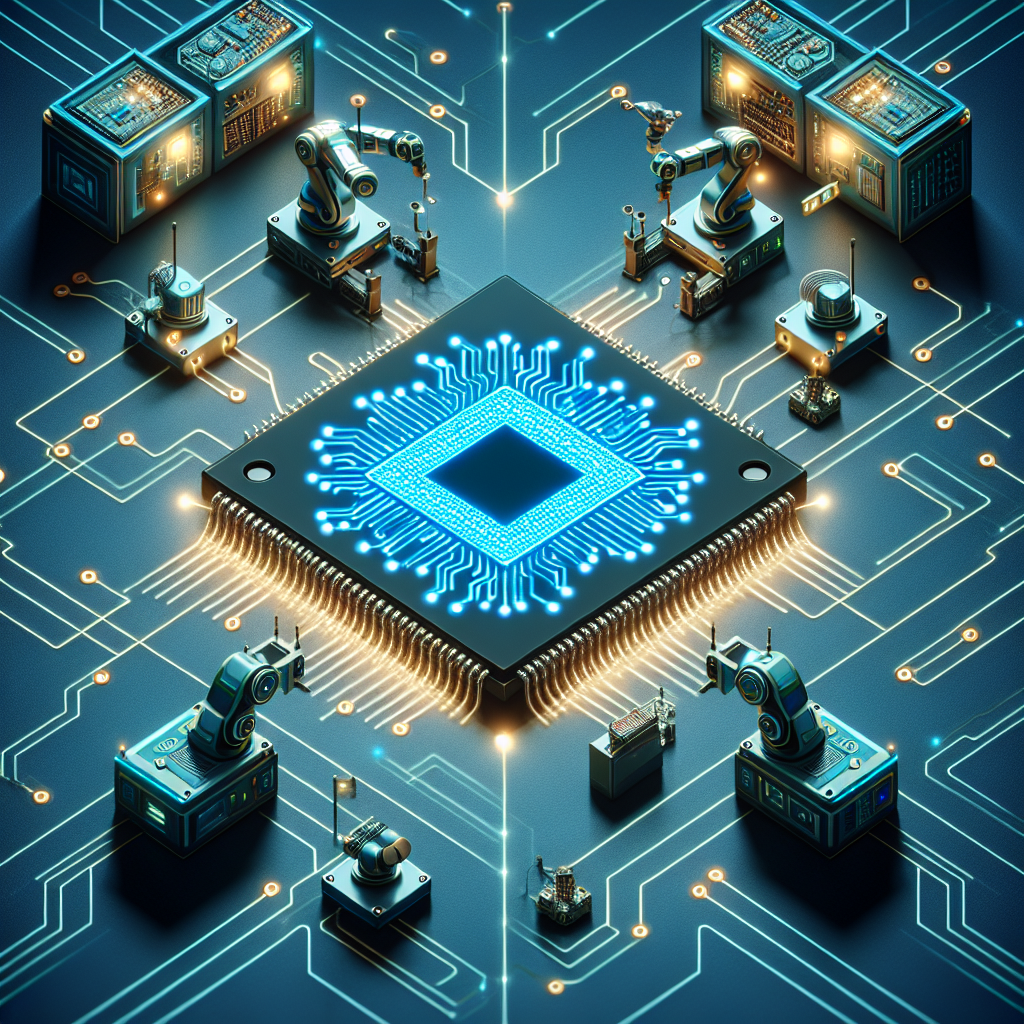
Context of AI in Industry 5.0 Transformation The transition to Industry 5.0 represents a paradigm shift where organizations must transcend traditional metrics of efficiency and cost reduction. As articulated by Sachin Lulla, a leader in industrial and energy transformation, the focus must pivot towards enhanced growth, resilience, and human-centric outcomes. This transformation necessitates not only the adoption of innovative technologies but also a redefined methodology where human and machine collaboration becomes paramount. The evaluation of value extends beyond mere financial savings to encompass the creation of new opportunities, which is critical for organizations aiming to harness the full potential of this new industrial era. Research conducted by MIT Technology Review Insights highlights a significant misalignment in current industrial investments, which predominantly prioritize efficiency. Although evidence suggests that human-centric and sustainable applications yield superior value, these areas remain underfunded. The failure to fully exploit the potential of Industry 5.0 can be attributed to several factors, including: Cultural, skills, and collaboration barriers. Tactical and poorly aligned technology investments. Prioritization of use cases that emphasize efficiency over growth, sustainability, and well-being. Main Goal and Achievement Strategies The primary objective of embracing Industry 5.0 is to foster a collaborative environment where technological advancements are leveraged to support human-centric outcomes. Achieving this goal involves a multifaceted approach that includes the enhancement of organizational culture, investment in relevant skills, and alignment of technology with strategic objectives. For organizations to successfully transition, it is essential to cultivate an ecosystem that promotes collaboration among stakeholders, encourages skill development, and prioritizes human well-being alongside operational efficiency. Advantages of Human-Centric AI Integration The integration of human-centric approaches within the framework of Industry 5.0 offers numerous advantages: Enhanced Collaboration: Fostering a culture of collaboration between humans and machines can lead to innovative solutions and improved productivity. Increased Value Creation: Organizations that prioritize human-centric applications can unlock new revenue streams and enhance customer satisfaction. Resilience and Adaptability: By focusing on human-centric outcomes, organizations can cultivate resilience, enabling them to adapt more rapidly to changing market conditions. Sustainable Practices: Investments in sustainable technologies can reduce environmental impact while promoting ethical innovation. However, organizations must remain aware of potential limitations, including the risk of underfunding human-centric initiatives and the challenge of overcoming entrenched cultural barriers. Future Implications of AI Advancements The continuous evolution of AI technologies will have profound implications for Industry 5.0 and its associated practices. As AI capabilities advance, organizations will be better positioned to harness data analytics, machine learning, and automation for enhanced decision-making and operational efficiency. The future landscape will likely see an increased emphasis on ethical AI practices, ensuring that technological advancements contribute positively to societal outcomes. Moreover, as organizations increasingly recognize the importance of human-centric approaches, the role of AI in facilitating this transformation will become more pronounced. This shift will not only redefine the operational dynamics within industries but will also elevate the significance of AI researchers who are tasked with developing solutions that align with these emerging priorities. Ultimately, the intersection of AI and Industry 5.0 will create a fertile ground for innovation, necessitating a collaborative effort among researchers, practitioners, and stakeholders to realize its full potential. Disclaimer The content on this site is generated using AI technology that analyzes publicly available blog posts to extract and present key takeaways. We do not own, endorse, or claim intellectual property rights to the original blog content. Full credit is given to original authors and sources where applicable. Our summaries are intended solely for informational and educational purposes, offering AI-generated insights in a condensed format. They are not meant to substitute or replicate the full context of the original material. If you are a content owner and wish to request changes or removal, please contact us directly. Source link : Click Here


