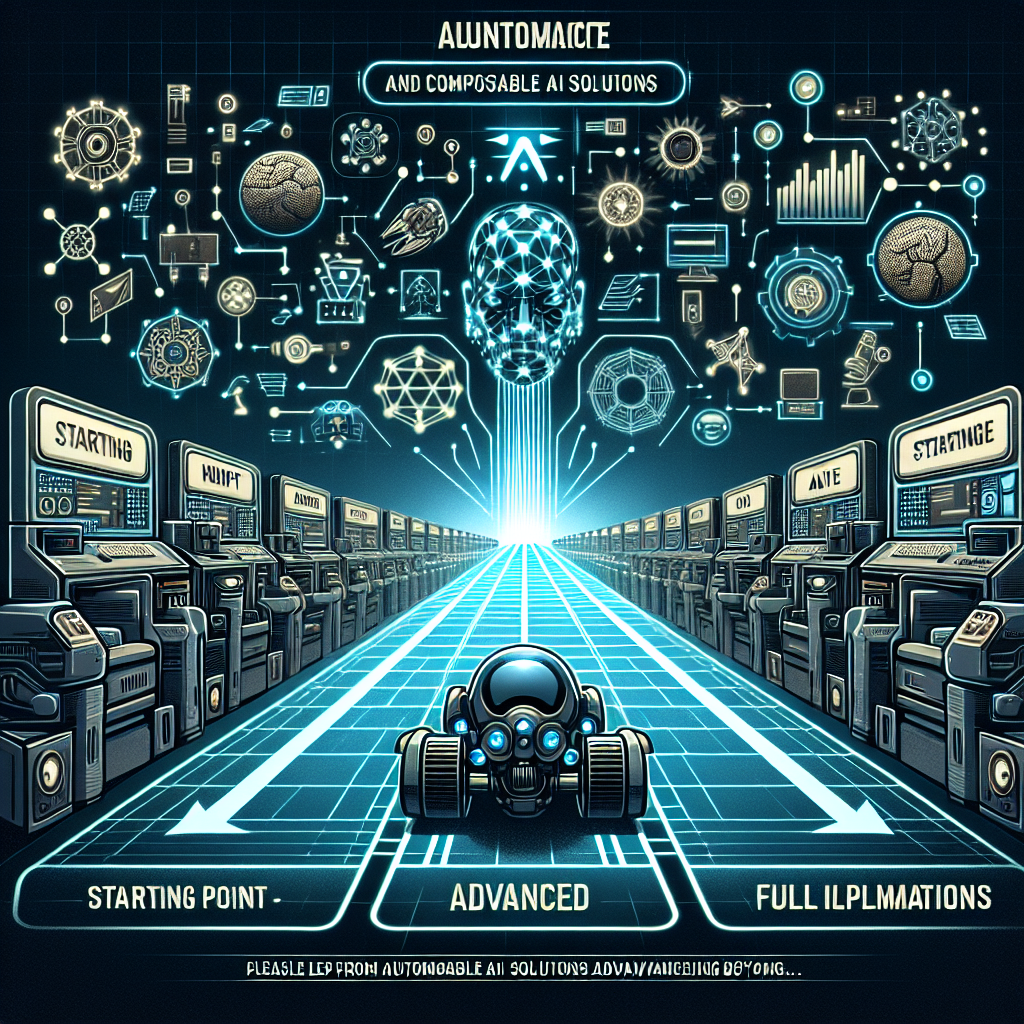
Context of AI Pilots and Production Realities The deployment of artificial intelligence (AI) in various sectors has garnered significant attention, particularly through the lens of pilot programs and proofs of concept (PoCs). These initiatives are designed to validate the feasibility of AI technologies, identify pertinent use cases, and foster confidence for larger-scale investments. However, it is crucial to recognize that these pilots often operate in environments that do not mirror real-world production scenarios. As such, they can create an illusion of success that may not translate into practical viability. As noted by Cristopher Kuehl, Chief Data Officer at Continent 8 Technologies, PoCs are conducted within a “safe bubble,” characterized by carefully curated data, limited integrations, and involvement from highly skilled teams. This insular approach can lead to structural misalignments, as highlighted by Gerry Murray, Research Director at IDC, who argues that many AI initiatives are predisposed to failure due to their foundational design flaws. Main Goal and Achievements in AI Deployment The primary objective of moving beyond pilot programs is to establish a sustainable and scalable AI implementation strategy that aligns with the complexities of real-world applications. Achieving this goal requires a paradigm shift towards composable and sovereign AI systems that prioritize adaptability, interoperability, and robustness. By focusing on these dimensions, organizations can enhance their capacity to deploy AI solutions that are not only effective in isolated environments but also resilient in diverse operational contexts. Advantages of Composable and Sovereign AI Enhanced Scalability: Composable AI allows organizations to build modular systems that can be easily expanded or modified according to evolving needs. This contrasts with traditional models that may be rigid and difficult to adapt. Improved Interoperability: Sovereign AI frameworks facilitate seamless integration across different platforms and technologies, thereby enhancing data flow and operational efficiency. Increased Resilience: By designing AI solutions that can function effectively in varied conditions, organizations mitigate the risk of failure associated with overly simplistic pilot programs. Real-World Relevance: A focus on practical application ensures that AI initiatives are grounded in the realities of the end-user environment, thereby increasing their likelihood of success. It is important to note, however, that transitioning to composable and sovereign AI systems is not without challenges. Organizations may face obstacles such as the need for expertise in new technologies, potential resistance to change within teams, and the complexity of integrating legacy systems. Future Implications for AI Research and Innovation As the field of AI continues to evolve, the implications of adopting composable and sovereign AI frameworks are profound. The future landscape will likely see a shift towards more collaborative and adaptable AI ecosystems that prioritize continuous improvement and user-centric design. This evolution will not only enhance the effectiveness of AI applications across various industries but will also democratize access to advanced technologies, enabling smaller organizations to leverage AI capabilities that were previously out of reach. In conclusion, the journey from pilot programs to fully operational AI systems demands a critical reevaluation of current practices and frameworks. By embracing composable and sovereign AI, organizations can pave the way for innovative solutions that meet the complexities of today’s dynamic environments, ultimately driving greater value and success in their AI initiatives. Disclaimer The content on this site is generated using AI technology that analyzes publicly available blog posts to extract and present key takeaways. We do not own, endorse, or claim intellectual property rights to the original blog content. Full credit is given to original authors and sources where applicable. Our summaries are intended solely for informational and educational purposes, offering AI-generated insights in a condensed format. They are not meant to substitute or replicate the full context of the original material. If you are a content owner and wish to request changes or removal, please contact us directly. Source link : Click Here

Introduction In the realm of cybersecurity, the integration of artificial intelligence (AI) has emerged as a transformative force, akin to the role of meteorologists in weather forecasting. Just as the reliability of weather apps can be called into question due to their dependence on algorithms without human intervention, the efficacy of AI in cybersecurity is contingent upon the quality of data interpretation and human expertise. This blog post aims to elucidate the significance of human oversight in the application of AI technologies within cybersecurity, drawing parallels with the reliability of weather forecasting. The Main Goal: Ensuring Reliable Cybersecurity Predictions The primary objective of leveraging AI in cybersecurity is to enhance threat detection and response capabilities. However, this goal can only be achieved when AI systems are complemented by human expertise. Unlike automated systems, cybersecurity experts are capable of contextualizing data, recognizing patterns, and making informed decisions based on real-world implications. By fostering a collaborative environment where human analysts work alongside AI tools, organizations can significantly improve their defense mechanisms against cyber threats. Advantages of Human-AI Collaboration in Cybersecurity 1. **Enhanced Data Interpretation**: – AI systems, while proficient at processing vast amounts of data, often lack the nuanced understanding required to accurately interpret complex threats. Cybersecurity experts can provide the contextual analysis necessary to make sense of this data. 2. **Adaptability to Emerging Threats**: – The cybersecurity landscape is ever-evolving, with new threats emerging regularly. Human experts can adapt AI-driven tools to respond to these changes, ensuring that defenses remain robust and relevant. 3. **Reduction of False Positives**: – AI models may generate a high volume of alerts, many of which could be false positives. Cybersecurity professionals can evaluate these alerts, prioritizing genuine threats and reducing alert fatigue among teams. 4. **Continuous Learning and Improvement**: – Human analysts can assess AI performance and refine algorithms based on feedback from real-world incidents. This iterative process fosters continuous improvement in threat detection capabilities. 5. **Ethical Considerations and Accountability**: – Human oversight ensures that ethical considerations are integrated into AI decision-making processes, fostering accountability in cybersecurity strategies. Caveats and Limitations While the collaboration between human experts and AI presents numerous advantages, it is essential to acknowledge certain limitations. – **Resource Intensive**: The reliance on human expertise may require significant investment in training and development, which can be a barrier for some organizations. – **Potential for Human Error**: Despite their expertise, human analysts are not infallible. Misjudgments can occur, underscoring the importance of maintaining a balance between AI and human input. – **Rapidly Evolving Threat Landscape**: Cyber threats are continuously changing, necessitating constant updates to both AI algorithms and human training programs to remain effective. Future Implications of AI in Cybersecurity The future of cybersecurity is poised for significant advancements driven by AI developments. As AI technologies evolve, their capabilities will expand, enabling more sophisticated threat detection and mitigation strategies. However, the effectiveness of these advancements will depend on the ongoing integration of human expertise. Cybersecurity professionals will need to adapt to new tools and methodologies, embracing a mindset of continuous learning and collaboration. Furthermore, as AI becomes more prevalent, ethical considerations surrounding its use will gain prominence. Organizations must prioritize transparency and fairness in AI algorithms to mitigate biases and ensure equitable treatment in cybersecurity measures. Conclusion In summary, the successful integration of AI into cybersecurity hinges on the collaboration between automated systems and human expertise. By recognizing the importance of human oversight, organizations can enhance their cybersecurity posture, ensuring that they are equipped to face an ever-changing threat landscape. As AI continues to evolve, so too must the strategies employed by cybersecurity professionals, creating a future where technology and human insight work in tandem for optimal security outcomes. Disclaimer The content on this site is generated using AI technology that analyzes publicly available blog posts to extract and present key takeaways. We do not own, endorse, or claim intellectual property rights to the original blog content. Full credit is given to original authors and sources where applicable. Our summaries are intended solely for informational and educational purposes, offering AI-generated insights in a condensed format. They are not meant to substitute or replicate the full context of the original material. If you are a content owner and wish to request changes or removal, please contact us directly. Source link : Click Here


