Mitigating Risks of Unrestricted Agent Autonomy in Site Reliability Engineering
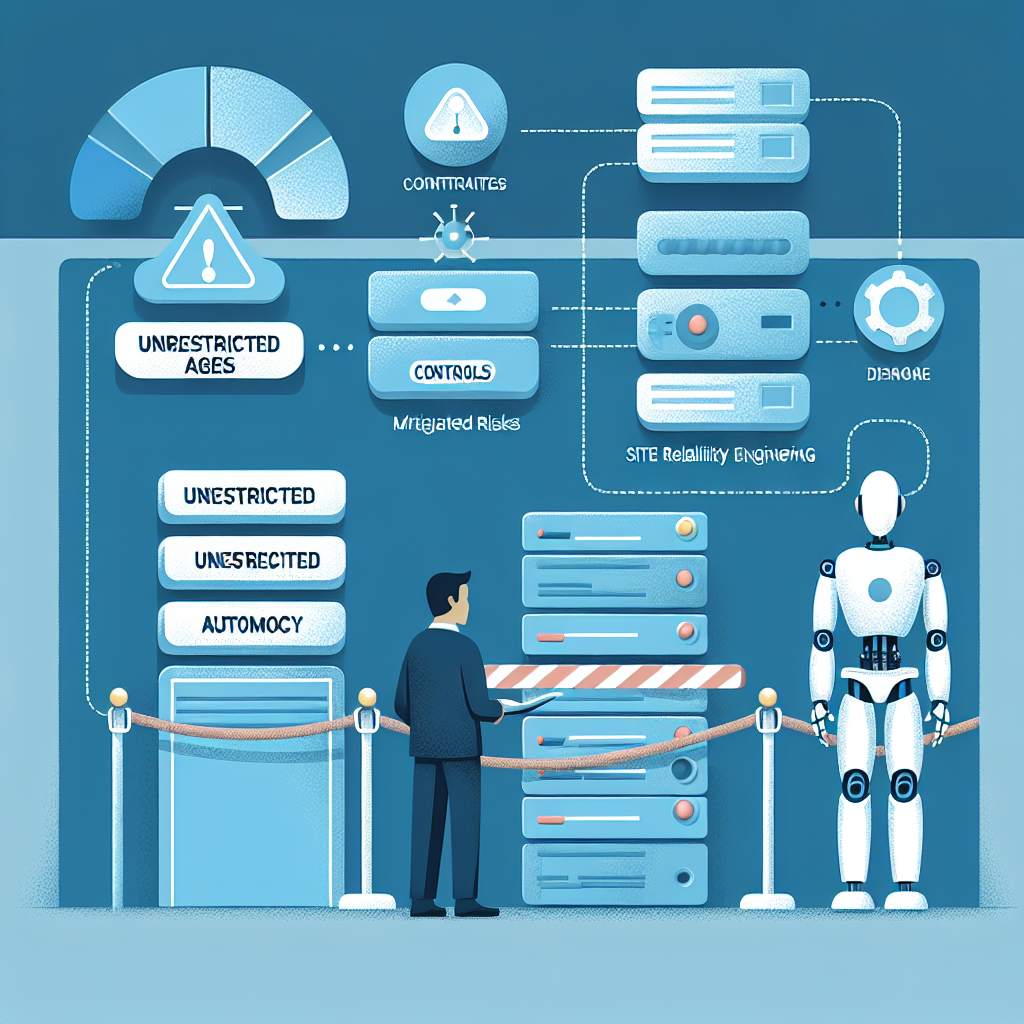
Introduction The rapid evolution of artificial intelligence (AI) within large organizations has prompted a significant shift toward the adoption of AI agents. As leaders strive to unlock substantial returns on investment (ROI), they must navigate the complexities associated with AI deployment. While the integration of AI agents holds immense potential for enhancing operational efficiency, it also raises critical concerns regarding governance, security, and accountability. This article examines the inherent risks associated with AI agent autonomy, outlining a framework for responsible adoption that ensures organizations can leverage AI’s capabilities without compromising security or ethical standards. Identifying Risks Associated with AI Agents AI agents, while powerful, introduce several risks that organizations must address to ensure secure and effective deployment. Key areas of concern include: Shadow AI: The unauthorized use of AI tools by employees can lead to security vulnerabilities. As AI agents operate with greater autonomy, the potential for shadow AI to proliferate increases, necessitating robust management processes to mitigate these risks. Accountability Gaps: The autonomous nature of AI agents requires clear delineation of ownership and accountability. Organizations must establish protocols to determine responsibility in the event of unforeseen agent behavior, ensuring that teams can swiftly address any issues that arise. Lack of Explainability: AI agents often employ complex algorithms to achieve their goals, resulting in decision-making processes that lack transparency. Ensuring that AI actions are explainable is crucial for enabling engineers to trace and rectify any problematic behaviors. Strategies for Responsible AI Agent Adoption To mitigate the aforementioned risks, organizations should implement the following guidelines: Prioritize Human Oversight: Establishing human oversight as the default mechanism in AI operations is essential, particularly for critical systems. Human intervention should be a built-in feature, allowing teams to monitor and regulate AI activities effectively. Integrate Security Measures: Security considerations should be embedded within the AI deployment process. Organizations must select AI platforms that meet stringent security standards, limiting agents’ permissions to their designated roles to prevent unauthorized access and maintain system integrity. Enhance Output Explainability: AI outputs must be transparent and traceable. Documenting the rationale behind AI decisions ensures that engineers can comprehend the underlying logic and respond appropriately to any anomalies. Advantages of Responsible AI Agent Deployment Implementing a structured approach to AI agent adoption offers numerous benefits: Enhanced Efficiency: AI agents can automate complex tasks, leading to improved productivity and streamlined workflows. Increased Accountability: Clear oversight mechanisms foster a culture of responsibility, ensuring that teams are prepared to handle the consequences of AI actions. Strengthened Security Posture: By integrating security protocols, organizations can safeguard their systems against potential threats posed by autonomous AI agents, thus enhancing overall operational resilience. Future Implications of AI Developments The landscape of AI technology is continually evolving, with emerging developments poised to reshape the interaction between organizations and AI agents. As AI capabilities advance, the emphasis on security, governance, and ethical considerations will become even more pronounced. Organizations must remain vigilant, adapting their strategies to accommodate technological advancements while ensuring that robust frameworks are in place to mitigate risks. The future of AI agents will demand an ongoing commitment to responsible practices, fostering a secure environment that nurtures innovation and protects organizational integrity. Conclusion In summary, while the deployment of AI agents presents significant opportunities for enhancing business processes, it is imperative that organizations approach this technology with a comprehensive understanding of the associated risks and implement appropriate governance frameworks. By prioritizing human oversight, embedding security measures, and ensuring output explainability, organizations can harness the power of AI agents while safeguarding their operational integrity. Disclaimer The content on this site is generated using AI technology that analyzes publicly available blog posts to extract and present key takeaways. We do not own, endorse, or claim intellectual property rights to the original blog content. Full credit is given to original authors and sources where applicable. Our summaries are intended solely for informational and educational purposes, offering AI-generated insights in a condensed format. They are not meant to substitute or replicate the full context of the original material. If you are a content owner and wish to request changes or removal, please contact us directly. Source link : Click Here