
Context and Overview The evolving landscape of Artificial Intelligence (AI) presents both opportunities and challenges that will shape our global economy in the coming years. As articulated in recent discussions, including a dialogue hosted by MIT Technology Review, there exists a dichotomy in predicting the trajectory of AI technologies by 2030. This uncertainty arises from varying expert opinions on the potential societal and economic impacts of generative AI. On one end, advocates like the AI Futures Project, led by former OpenAI researcher Daniel Kokotajlo, prognosticate that the forthcoming decade will witness AI’s influence surpassing that of the Industrial Revolution—a period marked by profound economic transformation. Conversely, researchers such as Arvind Narayanan and Sayash Kapoor from Princeton University caution against hyperbolic expectations, arguing that technology adoption is often gradual and societal acceptance lags behind technological advancements. Main Goals and Achievements The primary goal of these discussions is to establish a clearer understanding of AI’s prospective role in society by 2030, delineating its benefits and limitations. Achieving this goal necessitates a balanced examination of both optimistic forecasts and realistic apprehensions regarding technological progress. By fostering a comprehensive dialogue among AI researchers, economists, and policymakers, stakeholders can better anticipate and navigate the complexities associated with rapid advancements in AI technology. Advantages of Current AI Research and Innovation Enhanced Productivity: AI technologies have the potential to significantly enhance productivity across various sectors, akin to the industrial advancements of the past. Innovation Acceleration: The rapid development of AI tools can lead to novel solutions and efficiencies in problem-solving, benefiting industries ranging from healthcare to finance. Economic Growth: As AI becomes more integrated into business practices, it is expected to drive economic growth by creating new markets and job opportunities. Data-Driven Decision Making: AI allows for sophisticated data analysis, enabling organizations to make informed decisions based on real-time insights. However, it is important to acknowledge certain caveats. The transition to a more AI-driven economy may exacerbate existing inequalities if workforce retraining and education do not keep pace with technological change. Moreover, the effectiveness of AI in replacing or augmenting human roles remains uncertain, as evidenced by the ongoing debates concerning the capabilities of generative AI in professional fields. Future Implications of AI Developments Looking ahead, the implications of AI advancements are profound. As researchers continue to refine AI technologies, the potential for transformative impacts on labor markets, economic structures, and even social interactions will grow. The gradual integration of AI into daily operations may redefine roles across various industries while creating new avenues for innovation. However, the pace of this transition will likely depend on societal readiness and the development of regulatory frameworks that ensure ethical considerations are prioritized. Disclaimer The content on this site is generated using AI technology that analyzes publicly available blog posts to extract and present key takeaways. We do not own, endorse, or claim intellectual property rights to the original blog content. Full credit is given to original authors and sources where applicable. Our summaries are intended solely for informational and educational purposes, offering AI-generated insights in a condensed format. They are not meant to substitute or replicate the full context of the original material. If you are a content owner and wish to request changes or removal, please contact us directly. Source link : Click Here

Context: Navigating Technology Purchases with Intention In the contemporary digital marketplace, consumers face a plethora of options, particularly during peak shopping seasons. The competitive landscape among major retailers fosters an environment where price and service quality often dictate consumer preferences. Recently, a shopping editor shared insights into their purchasing behavior, specifically preferring Best Buy over Amazon for technology acquisitions. This preference is rooted in experiences reflecting reliability in product delivery, customer service, and return policies—a narrative that resonates deeply in the realm of cybersecurity technology procurement. Main Goal: Informed Decision-Making in Technology Purchases The primary objective articulated in the original narrative centers on making informed purchasing decisions, particularly when investing in significant technology products. This goal can be achieved by evaluating retailer policies, understanding product reliability, and assessing customer service capabilities. For cybersecurity experts, who often engage in high-stakes technology purchases, the necessity of informed decision-making is amplified, given the potential implications for data security and organizational integrity. Advantages of Choosing Best Buy Over Amazon for Tech Purchases Price Match Guarantees: Best Buy’s holiday price match policy provides assurance that consumers can secure the best available price, even post-purchase. This policy can mitigate financial loss and enhance overall satisfaction, particularly for cybersecurity experts who invest heavily in technology necessary for their operations. Customer Service Reliability: The experience of purchasing from Best Buy reflects the value of reliable customer service. Cybersecurity experts benefit from direct interaction with knowledgeable staff, ensuring that product inquiries and concerns are addressed promptly and effectively. Reduced Risk of Procurement Issues: Opting for a retailer with a strong reputation for quality control, such as Best Buy, minimizes the risk of receiving defective products. This is crucial in cybersecurity, where the integrity of technology can directly impact the security posture of an organization. Ease of Returns and Exchanges: The straightforward return process at Best Buy supports a hassle-free experience, an essential factor for cybersecurity professionals who may face challenges in managing procurement logistics. Future Implications: The Role of AI in Cybersecurity Procurement As artificial intelligence continues to evolve, its implications for technology procurement in the cybersecurity sector will be profound. AI-driven tools are anticipated to enhance the decision-making process by providing predictive analytics on product performance and potential vulnerabilities. Furthermore, as price comparison and consumer behavior analytics become more sophisticated through AI, cybersecurity experts will be better equipped to navigate the procurement landscape, ensuring they make optimal purchasing decisions that align with organizational needs. Disclaimer The content on this site is generated using AI technology that analyzes publicly available blog posts to extract and present key takeaways. We do not own, endorse, or claim intellectual property rights to the original blog content. Full credit is given to original authors and sources where applicable. Our summaries are intended solely for informational and educational purposes, offering AI-generated insights in a condensed format. They are not meant to substitute or replicate the full context of the original material. If you are a content owner and wish to request changes or removal, please contact us directly. Source link : Click Here
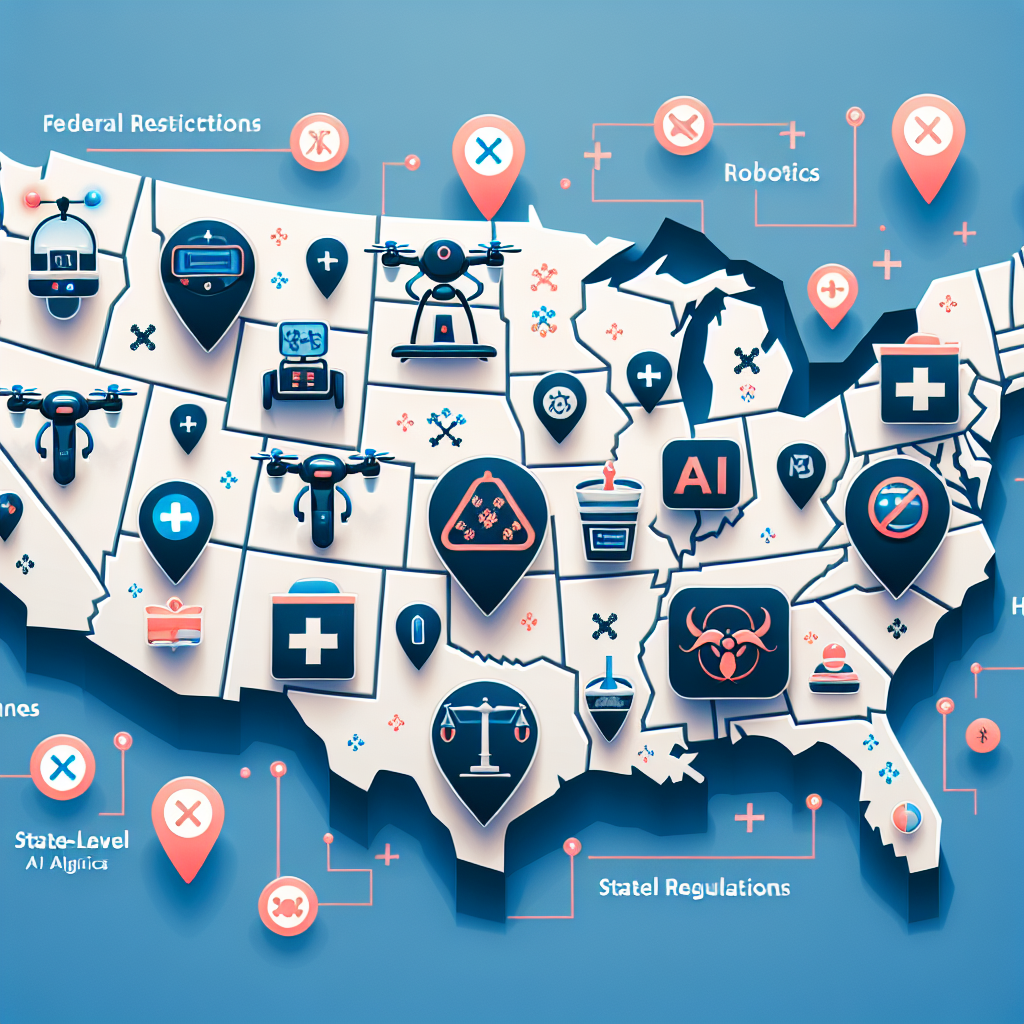
Contextual Analysis of Executive Regulation on AI in Healthcare In December 2025, President Donald Trump signed an executive order aimed at blocking state-level regulations governing artificial intelligence (AI). This order is designed to bolster the United States’ competitive edge in the rapidly evolving AI landscape. However, it raises significant concerns regarding the implications for healthcare systems seeking to integrate AI technologies safely. The absence of comprehensive federal regulations on AI and privacy could result in unintended consequences for patient safety and care quality, thereby jeopardizing the interests of both patients and healthcare providers. Main Goal of the Executive Order The primary objective of Trump’s executive order is to streamline the operational framework for AI companies by reducing compliance burdens associated with varying state regulations. This approach can facilitate innovation and enhance the speed at which AI technologies are brought to market. However, achieving this goal necessitates a careful balance between fostering technological advancement and ensuring the protection of patient rights and safety. Without adequate regulatory oversight, health systems may struggle to adopt AI solutions that are both effective and ethical. Advantages of Streamlined AI Regulations Facilitation of Innovation: By minimizing regulatory hurdles across states, AI companies can develop and deploy solutions more rapidly, potentially leading to significant advancements in healthcare delivery. Increased Market Competitiveness: A unified regulatory framework may enhance the competitive landscape for AI technologies, encouraging more companies to enter the market and invest in healthcare innovations. Potential Cost Reductions: Simplified compliance processes may reduce operational costs for AI firms, which could translate into lower prices for healthcare providers and, ultimately, patients. Enhanced Collaboration: With fewer barriers, collaborations between AI developers and healthcare providers may increase, fostering a more integrated approach to leveraging technology in patient care. Caveats and Limitations While the executive order presents several advantages, there are critical limitations to consider: Risk of Patient Harm: The lack of state-level regulations may lead to the deployment of untested or inadequately vetted AI applications, increasing the risk of harm to patients. Legal Accountability Issues: With potential immunity from state regulations, AI companies may face fewer legal repercussions for negligent practices, jeopardizing patient safety. Inadequate Patient Protections: Patients may find themselves in a vulnerable position without state regulations that could offer protections against misuse of AI technologies in healthcare settings. Future Implications of AI Developments in Healthcare The ongoing evolution of AI in healthcare is poised to have profound implications for the industry. As AI technologies become more sophisticated and integrated into clinical practice, the need for robust regulatory frameworks will become increasingly critical. Stakeholders must advocate for comprehensive federal legislation that addresses privacy concerns and establishes clear guidelines for the ethical use of AI in healthcare. Moreover, as AI continues to drive efficiencies and innovations in the health sector, ongoing dialogue between policymakers, healthcare professionals, and AI developers will be essential. This collaborative approach can ensure that the benefits of AI are harnessed while safeguarding patient welfare and promoting equitable access to advanced technologies. Disclaimer The content on this site is generated using AI technology that analyzes publicly available blog posts to extract and present key takeaways. We do not own, endorse, or claim intellectual property rights to the original blog content. Full credit is given to original authors and sources where applicable. Our summaries are intended solely for informational and educational purposes, offering AI-generated insights in a condensed format. They are not meant to substitute or replicate the full context of the original material. If you are a content owner and wish to request changes or removal, please contact us directly. Source link : Click Here


