
Contextual Overview: The Intersection of Sports Analytics and the 2026 FIFA World Cup The upcoming 2026 FIFA World Cup marks a significant milestone in the realm of global sports, particularly with the expansion of the tournament to include 48 teams. This increase necessitates adjustments in various operational aspects, including the draw process for team groups. As the draw approaches, it is imperative to consider how advancements in artificial intelligence (AI) and sports analytics can enhance the understanding and preparation of stakeholders, including teams, analysts, and fans alike. By leveraging data-driven insights, enthusiasts can better navigate the complexities of the tournament and improve their predictive capabilities regarding outcomes. Main Goal and Its Achievements The primary goal of the original post is to elucidate the mechanics of the World Cup draw and outline potential scenarios for the United States Men’s National Team (USMNT). Achieving this entails a thorough breakdown of the draw process, including the categorization of teams into pots based on FIFA rankings and the implications of these rankings on matchups. By analyzing historical data and current performance metrics, stakeholders can gain insights into the likelihood of favorable or unfavorable group placements for the USMNT, thereby enhancing strategic planning and resource allocation. Advantages of AI in Sports Analytics Enhanced Predictive Analytics: AI algorithms can analyze vast datasets to identify patterns in team performance, which can inform predictions about group outcomes. For instance, understanding the historical performance of teams in similar draw scenarios can lead to more accurate forecasts. Real-Time Data Processing: The ability to process data in real-time allows for immediate adjustments in strategies, contributing to improved decision-making during the tournament. This capability can be crucial during group stages where match outcomes influence progression. Comprehensive Profiling: AI tools can provide detailed profiles of teams, including player statistics, injury reports, and tactical formations. Such profiles enable analysts to assess strengths and weaknesses effectively, shaping game strategies. Fan Engagement: Advanced analytics can enhance the viewing experience for fans by delivering personalized content and predictions, thus increasing audience engagement and interest in the tournament. Limitations and Caveats Despite the numerous advantages, there are inherent limitations to relying solely on AI in sports analytics. Predictive models are only as good as the data fed into them; thus, inaccurate or incomplete data can lead to misleading conclusions. Additionally, the unpredictable nature of sports, influenced by human factors such as player psychology and unforeseen events (e.g., injuries), may not be fully accounted for by AI models. Future Implications of AI Developments in Sports As technology continues to evolve, the integration of AI in sports analytics is expected to deepen, leading to more sophisticated predictive tools and methodologies. Future developments may include enhanced machine learning algorithms that can adapt to new data inputs more effectively and provide more nuanced insights into team dynamics and match outcomes. Additionally, the use of AI in real-time decision-making during matches could revolutionize coaching strategies and player substitutions, ultimately influencing the trajectory of upcoming tournaments like the World Cup. Conclusion In summary, the 2026 FIFA World Cup presents a unique opportunity to explore the intersection of sports analytics and AI. By understanding the intricacies of the draw process and leveraging data-driven insights, stakeholders can enhance their strategic approaches and engage more meaningfully with the event. As AI technologies continue to evolve, their application in sports analytics will likely yield profound implications for both teams and fans alike, shaping the future landscape of competitive sports. Disclaimer The content on this site is generated using AI technology that analyzes publicly available blog posts to extract and present key takeaways. We do not own, endorse, or claim intellectual property rights to the original blog content. Full credit is given to original authors and sources where applicable. Our summaries are intended solely for informational and educational purposes, offering AI-generated insights in a condensed format. They are not meant to substitute or replicate the full context of the original material. If you are a content owner and wish to request changes or removal, please contact us directly. Source link : Click Here

Context Graphical User Interfaces (GUIs) play a pivotal role in the field of Computer Vision and Image Processing, facilitating interactive engagement for developers and researchers alike. These interfaces enable real-time visualization of results, parameter adjustments, and user interaction with applications, which is essential for refining algorithms and processes. While traditional frameworks such as PyQt and Tkinter provide robust capabilities, OpenCV’s HighGUI module stands out as a lightweight, cross-platform solution that integrates seamlessly with OpenCV. This integration makes it particularly suited for rapid experiments, prototyping, and debugging of computer vision applications. HighGUI empowers developers to create interactive windows, manage mouse and keyboard events, and implement tools such as trackbars and sliders for live parameter tuning. By supporting custom elements like checkboxes, radio buttons, and color pickers, HighGUI effectively bridges the gap between algorithmic development and user-centered design, particularly in tasks involving annotation, segmentation, and real-time image processing. What is OpenCV HighGUI? OpenCV HighGUI, or High-level Graphical User Interface, constitutes a fundamental module within OpenCV that provides essential tools for real-time interaction with images, videos, and users. This module serves as the visual interface for OpenCV applications, allowing for functionalities such as opening windows, rendering images, capturing camera feeds, and responding to user inputs via mouse and keyboard. Additionally, HighGUI facilitates the creation of simple user interface elements including sliders and buttons, enabling intuitive interaction with complex computer vision algorithms. Why Utilize OpenCV HighGUI? Despite OpenCV’s primary focus on image processing, the HighGUI module enhances its functionality by incorporating interactivity without the need for external GUI frameworks. This capability enables rapid prototyping of vision algorithms through real-time adjustments, facilitating visual debugging of complex image processing tasks. HighGUI’s intuitive mouse and keyboard callbacks allow users to engage in tasks such as drawing Regions of Interest (ROIs) or selecting objects in an interactive manner. The lightweight nature of HighGUI promotes quick real-time visualization with minimal setup, making it an ideal choice for research prototypes, educational demonstrations, and various computer vision applications. Structured Advantages of OpenCV HighGUI 1. **Rapid Prototyping**: HighGUI allows for quick iterations on vision algorithms, significantly reducing the time between conceptualization and operational testing. 2. **Real-time Parameter Adjustment**: The integration of sliders and trackbars facilitates immediate feedback on changes, enhancing the debugging process. 3. **Cross-platform Compatibility**: As a lightweight solution, HighGUI operates seamlessly across different operating systems, making it accessible for diverse development environments. 4. **User Interaction**: HighGUI supports various user interface elements, enabling developers to create custom tools that enhance user engagement and experience. 5. **Educational Utility**: Its simplicity and effectiveness make HighGUI an excellent tool for teaching computer vision principles and practical applications. While HighGUI presents numerous advantages, it is essential to acknowledge its limitations. For instance, while it is suitable for basic applications, it may not provide the sophistication required for more complex, polished GUI designs. Developers looking for advanced interface capabilities may need to integrate HighGUI with other frameworks for enhanced functionality. Future Implications in Computer Vision Looking ahead, the evolution of artificial intelligence (AI) is poised to significantly impact the field of Computer Vision and Image Processing. As AI technologies advance, they will likely augment the capabilities of GUI frameworks, including OpenCV HighGUI. Potential developments may include more sophisticated interactive elements that leverage machine learning algorithms for predictive analysis and user feedback. Furthermore, the integration of AI could streamline real-time processing capabilities, allowing for more dynamic and intelligent user interfaces. The continued convergence of AI with computer vision will not only enhance the functionality of existing tools but also pave the way for innovative applications across various industries, thereby expanding the horizons of research and development in this domain. Disclaimer The content on this site is generated using AI technology that analyzes publicly available blog posts to extract and present key takeaways. We do not own, endorse, or claim intellectual property rights to the original blog content. Full credit is given to original authors and sources where applicable. Our summaries are intended solely for informational and educational purposes, offering AI-generated insights in a condensed format. They are not meant to substitute or replicate the full context of the original material. If you are a content owner and wish to request changes or removal, please contact us directly. Source link : Click Here

Context of Azure Copilot and Innovations in AI Infrastructure The recent announcements made at Microsoft Ignite 2025 signify a transformative leap in cloud infrastructure capabilities, particularly through the introduction of Azure Copilot and a series of AI infrastructure innovations. Microsoft Azure is positioned not merely as a cloud platform, but as a pivotal engine for organizational transformation, designed to modernize cloud infrastructures at a global scale. This modernization is anchored in enhancing reliability, security, and performance, particularly in the context of AI-driven operations. Main Goal and Its Achievement The primary objective of the Azure innovations is to streamline and modernize cloud operations, thereby enabling organizations to leverage AI to operate more efficiently and innovate with agility. This goal can be achieved through the deployment of Azure Copilot, which utilizes specialized AI agents to facilitate various cloud management tasks such as migration, optimization, and troubleshooting. By automating these repetitive tasks, Azure Copilot frees data engineers and IT teams to concentrate on more critical areas such as architecture and innovation. Advantages of Azure’s Innovations Enhanced Operational Efficiency: Azure Copilot automates mundane tasks, allowing teams to focus on strategic initiatives. This results in significant time savings and productivity boosts. Scalability and Reliability: Azure’s infrastructure, with over 70 regions and advanced datacenter design, ensures reliable performance and compliance, which is crucial for businesses operating at scale. AI-Powered Insights: The integration of AI within Azure’s operations, particularly through Azure Copilot, provides actionable insights that improve decision-making processes and operational outcomes. Consistent Performance: The unified infrastructure of Azure supports consistent performance across various workloads, which is essential for organizations that require stability and reliability in their cloud environments. Flexibility in Workload Management: The advancements in Azure, such as Azure Boost and Azure HorizonDB, enhance the management of cloud-native applications and data, facilitating easier integration and deployment. Caveats and Limitations While the innovations present numerous advantages, there are caveats to consider. The reliance on AI for critical operations introduces challenges related to governance and compliance, necessitating robust oversight mechanisms. Additionally, transitioning to a fully AI-integrated model may require significant upfront investment in training and resources to ensure teams can effectively leverage these new tools. Future Implications of AI Developments in Big Data Engineering The trajectory of AI advancements suggests a profound impact on the field of Big Data Engineering. As organizations increasingly adopt AI-driven tools like Azure Copilot, the demand for skilled professionals in data governance, AI ethics, and cloud architecture will escalate. Furthermore, the evolution of AI capabilities will likely lead to more autonomous systems capable of self-optimizing and troubleshooting, thereby reshaping the role of data engineers. Future developments in AI could also enhance predictive analytics, enabling organizations to anticipate changes in data trends and make proactive adjustments in their cloud architectures. Disclaimer The content on this site is generated using AI technology that analyzes publicly available blog posts to extract and present key takeaways. We do not own, endorse, or claim intellectual property rights to the original blog content. Full credit is given to original authors and sources where applicable. Our summaries are intended solely for informational and educational purposes, offering AI-generated insights in a condensed format. They are not meant to substitute or replicate the full context of the original material. If you are a content owner and wish to request changes or removal, please contact us directly. Source link : Click Here

Context: Advancements in Video Advertising Technology In the rapidly evolving landscape of digital marketing, the introduction of innovative advertising formats is paramount for engaging audiences effectively. AdPlayer.Pro, a leading provider of Software as a Service (SaaS) video advertising technologies, has recently expanded its portfolio with the launch of Interstitial Video Ads 2.0. This enhanced ad format aims to significantly improve viewer engagement and ad visibility while minimizing disruption to the user experience. The full-screen interstitial ads are designed to be closable by the user, thereby addressing one of the common criticisms associated with intrusive advertising formats. Main Goal: Enhancing Viewer Engagement and Ad Flexibility The primary objective of AdPlayer.Pro’s Interstitial Video Ads 2.0 is to enhance viewer engagement while maintaining a seamless browsing experience. By allowing advertisers to implement a full-screen interstitial format that users can close at their discretion, the company aims to strike a balance between capturing attention and preserving user satisfaction. This goal can be achieved through the ad’s design, which enables publishers to customize functionalities based on their specific requirements, thus ensuring that the ads align well with the overall aesthetic and operational goals of their websites. Advantages of Interstitial Video Ads 2.0 Increased Viewability: The full-screen format inherently boosts ad visibility, making it more likely for viewers to engage with the content. Customizability: Publishers retain the flexibility to configure and tailor the ad experience according to their specific business needs, allowing for a more targeted advertising strategy. Minimized Disruption: The closable feature empowers users to control their experience, which can lead to higher satisfaction and lower ad fatigue. Enhanced Engagement during Peak Times: The format’s implementation is particularly advantageous during high-traffic periods, such as holidays, when maximizing revenue and viewer engagement is critical. Limitations and Considerations While the Interstitial Video Ads 2.0 format offers numerous benefits, it is essential to consider potential limitations. For instance, the effectiveness of this ad format may vary based on the target audience’s preferences and the context in which the ads are displayed. Furthermore, companies must ensure that the implementation of such ads complies with regulatory standards and does not infringe on user privacy or experience. Future Implications: The Role of AI in Video Advertising As artificial intelligence continues to advance, its integration with video advertising technologies promises to revolutionize the field further. AI can facilitate personalized ad experiences by analyzing user behavior and preferences, allowing for more targeted and effective ad placements. This evolution may lead to the creation of adaptive ad formats that respond in real-time to user interactions, ultimately enhancing engagement rates. Moreover, AI-driven analytics can provide deeper insights into ad performance, enabling marketers to refine their strategies continually. Conclusion The launch of Interstitial Video Ads 2.0 by AdPlayer.Pro exemplifies the ongoing innovation within the digital advertising sector. By focusing on viewer engagement while providing flexibility for publishers, this new ad format represents a significant step forward in addressing the challenges faced by digital marketers. Looking ahead, the integration of AI technologies will likely shape the future landscape of video advertising, creating more personalized and effective marketing solutions. Disclaimer The content on this site is generated using AI technology that analyzes publicly available blog posts to extract and present key takeaways. We do not own, endorse, or claim intellectual property rights to the original blog content. Full credit is given to original authors and sources where applicable. Our summaries are intended solely for informational and educational purposes, offering AI-generated insights in a condensed format. They are not meant to substitute or replicate the full context of the original material. If you are a content owner and wish to request changes or removal, please contact us directly. Source link : Click Here
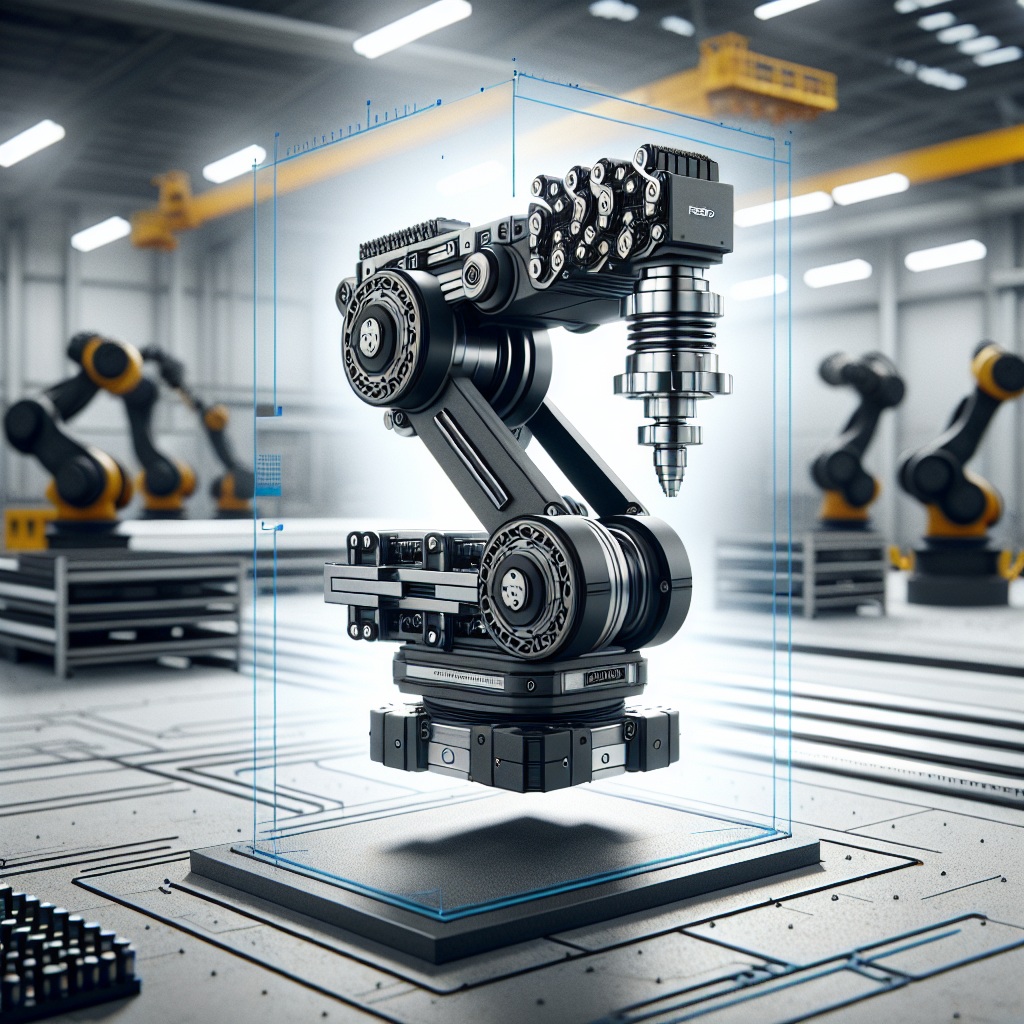
Context of the HPSX Gripper in Smart Manufacturing The integration of robotics in manufacturing processes has revolutionized operational efficiency, particularly in sectors such as food, pharmaceuticals, and cosmetics. The recent introduction of the Festo HPSX compliant gripper exemplifies advancements in robotic technologies aimed at enhancing product handling and manipulation. Designed specifically for delicate and hygienically sensitive items, the HPSX gripper addresses long-standing challenges associated with traditional rigid gripping solutions. Its ability to adapt to various object shapes and sizes marks a significant evolution in compliant gripper technology, which is crucial in environments where automation demands precision and care. Main Goal and Its Achievement The primary objective of the Festo HPSX gripper is to facilitate the automation of handling delicate products without causing damage. This goal is achieved through a pneumatic design that employs soft, silicone-based materials capable of conforming to the contours of different objects, thereby reducing the risk of product damage and contamination. In addition, the HPSX gripper’s design optimizes gripping force while minimizing air volume, enabling faster and more efficient picking processes. This innovation is particularly beneficial in industries where product integrity is paramount, such as food handling and pharmaceuticals. Advantages of the HPSX Gripper Versatility: The HPSX can handle a wide range of object shapes and sizes without requiring tool changes, making it suitable for various applications, such as kitting in the cosmetics industry and kitchen automation. Enhanced Hygiene: It features a hygienic design that allows for easy cleaning and maintenance, crucial for sectors dealing with raw food products, thus ensuring compliance with health standards. Rapid Operation: Capable of performing multiple picks per second, the HPSX enhances workflow efficiency by significantly reducing cycle times in automated processes. Durability: The material composition of the gripper is food-grade and metal-detectable, ensuring safety and reliability in food handling applications, with an average operational life of 5 million cycles. Ease of Use: Components such as the silicone membrane fingers can be replaced without specialized tools, facilitating maintenance and reducing downtime. Caveats and Limitations While the HPSX gripper offers numerous advantages, certain limitations must be acknowledged. Its performance can be influenced by external factors such as temperature extremes, the surface characteristics of the handled objects, and operational speeds that may induce excessive wear. Furthermore, while the standard model does not include haptic sensing capabilities, these features may be integrated upon request, which could increase complexity and cost. Future Implications in Robotics and AI Integration The ongoing developments in artificial intelligence (AI) are poised to significantly influence the capabilities of robotic systems, including grippers like the HPSX. As AI algorithms evolve, they will enable more sophisticated sensory feedback and machine learning capabilities, allowing robots to adapt in real-time to varying operational conditions and object characteristics. This integration promises to enhance the precision and effectiveness of robotic grippers, leading to further advancements in automation across diverse industries. The future may see grippers that not only manipulate objects but also make autonomous decisions based on sensory input, thereby optimizing workflows and minimizing errors in real-time. Disclaimer The content on this site is generated using AI technology that analyzes publicly available blog posts to extract and present key takeaways. We do not own, endorse, or claim intellectual property rights to the original blog content. Full credit is given to original authors and sources where applicable. Our summaries are intended solely for informational and educational purposes, offering AI-generated insights in a condensed format. They are not meant to substitute or replicate the full context of the original material. If you are a content owner and wish to request changes or removal, please contact us directly. Source link : Click Here

Introduction The recent announcement by SoFi Technologies, Inc. regarding a $1.5 billion stock offering has stirred significant attention within the financial markets. Following this news, SoFi’s stock experienced a nearly 6% decline in after-hours trading, a common reaction tied to equity dilution concerns among investors. This situation highlights the nuanced interplay between capital management strategies and market perceptions, particularly for fintech companies leveraging advancements in artificial intelligence (AI) in finance. This blog post aims to dissect the implications of such capital raising activities, the role of AI in shaping these outcomes, and the broader impact on financial professionals navigating this dynamic landscape. Understanding the Primary Goal of Capital Offering The principal goal underlying SoFi’s decision to initiate a stock offering is to enhance its capital position and operational flexibility. According to the company, the proceeds from this offering will be allocated towards “general corporate purposes” that encompass capital management efficiency and funding for growth opportunities. This strategy is indicative of a broader trend among fintech companies that are harnessing AI technologies to optimize capital allocation and improve financial analytics. By effectively utilizing AI, firms can identify lucrative investment opportunities and streamline operational processes, ultimately enhancing shareholder value. Advantages of Strategic Capital Management The strategic decision to undertake a stock offering presents several advantages for fintech firms, particularly in the context of AI integration: 1. **Enhanced Capital Position**: Access to capital through public offerings allows companies like SoFi to bolster their balance sheets, thereby increasing financial resilience. A stronger capital position can lead to improved credit ratings and lower borrowing costs. 2. **Increased Optionality**: The infusion of capital grants companies greater flexibility in pursuing strategic initiatives, including mergers and acquisitions or investment in innovative technologies such as AI. This optionality is crucial in an industry characterized by rapid technological advancements. 3. **Funding for Growth Opportunities**: The proceeds from stock offerings can be strategically deployed to fuel growth initiatives, including product development and market expansion. For instance, SoFi’s recent earnings report highlighted a 38% year-over-year revenue growth, underscoring the potential for reinvestment. 4. **Market Confidence and Valuation**: Although stock prices may initially dip post-offering, a successful capital raise can ultimately bolster investor confidence if the funds are used effectively to drive future growth. Caveats and Limitations While the advantages of a stock offering are apparent, there are inherent risks and limitations that must be considered: – **Dilution of Existing Shares**: The primary concern for existing shareholders is the dilution of their stakes, which can lead to a temporary decline in stock value. This dilution may affect investor sentiment and market perception. – **Market Volatility**: The fintech sector is often subject to market fluctuations influenced by broader economic conditions and investor sentiment. Unfavorable market reactions can significantly impact the performance of newly issued shares. – **Execution Risk**: The effectiveness of capital deployment is contingent upon the management’s ability to execute its strategic vision. Poor execution can negate the intended financial benefits of the offering. Future Implications of AI in Capital Management As the financial landscape continues to evolve, the integration of AI into capital management strategies will play a pivotal role in shaping outcomes for fintech firms. The ability to leverage AI for predictive analytics, risk assessment, and efficient capital allocation will enhance decision-making processes. For financial professionals, this means a growing emphasis on data-driven insights and technological proficiency. Moreover, advancements in AI could facilitate more sophisticated investment strategies, allowing firms to navigate market complexities with greater agility. As AI technologies mature, they will likely reshape the competitive dynamics of the fintech sector, driving innovation and potentially redefining traditional banking practices. Conclusion In conclusion, SoFi’s recent stock offering exemplifies a strategic approach to capital management influenced by the burgeoning field of AI in finance. While the immediate market reaction may raise concerns among investors, the long-term benefits of enhanced capital position, operational flexibility, and growth funding are critical for sustaining competitive advantage. Financial professionals must remain vigilant in adapting to these changes, harnessing the power of AI to navigate the complexities of capital management in an increasingly dynamic market environment. Disclaimer The content on this site is generated using AI technology that analyzes publicly available blog posts to extract and present key takeaways. We do not own, endorse, or claim intellectual property rights to the original blog content. Full credit is given to original authors and sources where applicable. Our summaries are intended solely for informational and educational purposes, offering AI-generated insights in a condensed format. They are not meant to substitute or replicate the full context of the original material. If you are a content owner and wish to request changes or removal, please contact us directly. Source link : Click Here

Context and Relevance in Generative AI Models The rapid advancement of Generative Artificial Intelligence (GenAI) models has sparked significant interest within the scientific community, particularly among GenAI scientists focused on enhancing machine learning capabilities. The integration of Claude, a language model equipped with new tools from Hugging Face, exemplifies a transformative approach to fine-tuning open-source language models (LLMs) effectively. This development is pivotal in the context of Generative AI applications, allowing scientists to streamline their workflows and improve model performance in various tasks, such as natural language processing and automated coding. Main Goal and Achievements The primary objective articulated in the original post is to enable Claude to fine-tune LLMs using Hugging Face Skills, thereby allowing users to automate and optimize the training process. This goal can be achieved through a structured workflow that includes validating datasets, selecting appropriate hardware, generating training scripts, and monitoring training progress. By leveraging Claude’s capabilities, users can efficiently deploy fine-tuned models to the Hugging Face Hub, enhancing the accessibility and usability of high-performing AI models. Advantages of the Claude Fine-Tuning Process Automation of Training Processes: Claude simplifies the training process by automating several key tasks such as hardware selection and job submission. This reduces the manual effort required and minimizes the potential for human error. Cost-Effectiveness: The ability to fine-tune models with minimal resource expenditure (e.g., an estimated cost of $0.30 for a training run) makes this approach financially viable for researchers and organizations alike. Flexibility and Scalability: The system supports various model sizes (from 0.5 billion to 70 billion parameters), enabling users to adapt their training processes to different project requirements. Integration with Monitoring Tools: The integration of Trackio allows users to monitor training in real-time, providing insights into training loss and other critical metrics, which aids in troubleshooting and optimizing the training process. Support for Multiple Training Techniques: Claude accommodates various training methods, including Supervised Fine-Tuning (SFT), Direct Preference Optimization (DPO), and Group Relative Policy Optimization (GRPO), allowing users to choose the most suitable approach based on their specific needs. Considerations and Limitations While the advantages are compelling, some caveats must be considered. The system’s reliance on properly formatted datasets is critical; any discrepancies can lead to training failures. Moreover, the requirement for a paid Hugging Face account may limit accessibility for some users. Additionally, advanced training techniques such as GRPO involve complexities that may require further expertise to implement effectively. Future Implications of AI Developments The progress in AI technologies, particularly in the realm of automated model training and fine-tuning, holds significant promise for the future of Generative AI applications. As tools like Claude become increasingly sophisticated, we can expect a democratization of AI capabilities, allowing a broader range of users to harness the power of advanced models without extensive technical knowledge. This evolution will likely accelerate innovation across various fields, from software development to personalized content creation, leading to enhanced efficiencies and novel applications in everyday tasks. Disclaimer The content on this site is generated using AI technology that analyzes publicly available blog posts to extract and present key takeaways. We do not own, endorse, or claim intellectual property rights to the original blog content. Full credit is given to original authors and sources where applicable. Our summaries are intended solely for informational and educational purposes, offering AI-generated insights in a condensed format. They are not meant to substitute or replicate the full context of the original material. If you are a content owner and wish to request changes or removal, please contact us directly. Source link : Click Here


