
Contextual Overview The integration of artificial intelligence (AI) into healthcare is revolutionizing access to medical services, particularly in underserved regions. One notable example is the deployment of AI-powered mobile clinics, such as the Women Cancer Screening Van in rural India, operated by the Health Within Reach Foundation. This initiative employs advanced AI technology from MedCognetics, a company based in Dallas, Texas. The van has successfully conducted breast cancer screenings for over 3,500 women, with 90% of the participants being first-time mammogram recipients. This innovative approach addresses the challenges of healthcare accessibility in developing countries, where traditional healthcare systems are often overwhelmed. Main Goal and Achievement Strategy The primary goal of this initiative is to enhance breast cancer screening accessibility for women in rural India, thus improving early detection rates and overall health outcomes. This objective can be achieved through the deployment of mobile clinics equipped with AI-driven diagnostic tools. By utilizing AI for rapid data triage and analysis, healthcare providers can identify high-risk patients and facilitate timely referrals for further evaluation and treatment. This model not only enhances the efficiency of screenings but also increases the likelihood of early cancer detection, significantly impacting survival rates. Advantages of AI-Powered Mobile Clinics Increased Screening Accessibility: The mobile clinic model brings screening services directly to rural communities, reducing travel barriers and associated costs for women who may otherwise forgo necessary medical care. High-Quality Diagnostic Tools: The integration of AI technology allows for rapid and accurate analysis of mammogram data, enabling healthcare professionals to identify abnormalities efficiently. Timely Referrals: The AI system can flag concerning results in real-time, ensuring that patients with abnormal findings are promptly referred to specialized medical facilities for further testing and treatment. Awareness and Education: Such initiatives raise awareness about breast cancer and the importance of regular screenings, potentially leading to increased participation in preventive healthcare programs. Data-Driven Insights: The collection and analysis of large datasets from screenings can inform public health strategies and improve resource allocation within healthcare systems. Limitations and Considerations While the benefits of AI-powered mobile clinics are substantial, certain limitations must be acknowledged. The reliance on technology may pose challenges in areas with limited internet connectivity, which could hinder real-time data sharing and analysis. Additionally, there is a need for ongoing training of healthcare personnel to effectively utilize advanced AI systems. Furthermore, cultural attitudes towards healthcare and potential stigma surrounding breast cancer may impact participation rates, necessitating tailored outreach strategies. Future Implications of AI in Healthcare The advancements in AI technology are poised to further transform healthcare delivery models, particularly in regions where access to quality medical services is limited. Future developments may include enhanced capabilities for on-site image analysis, allowing for immediate triage of patients in remote locations. As AI systems become more sophisticated, they may also incorporate predictive analytics, enabling healthcare providers to identify populations at higher risk for breast cancer and implement proactive measures. Ultimately, the continued integration of AI in healthcare has the potential to democratize access to essential medical services, significantly improving health outcomes for vulnerable populations. Disclaimer The content on this site is generated using AI technology that analyzes publicly available blog posts to extract and present key takeaways. We do not own, endorse, or claim intellectual property rights to the original blog content. Full credit is given to original authors and sources where applicable. Our summaries are intended solely for informational and educational purposes, offering AI-generated insights in a condensed format. They are not meant to substitute or replicate the full context of the original material. If you are a content owner and wish to request changes or removal, please contact us directly. Source link : Click Here
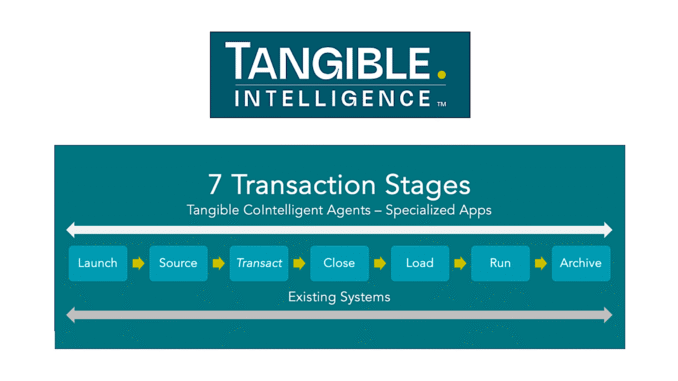
Contextual Overview of Agentic Orchestration in Legal Technology Tangible Intelligence has recently introduced its innovative CoIntelligent Platform, which is characterized as an agentic orchestration layer. This platform is designed to function in tandem with human reviewers, specifically targeting high-volume and recurring transactions that are commonplace within the legal and corporate sectors. Established in 2015, Tangible Intelligence positions itself as an Alternative Legal Service Provider (ALSP), catering to both corporate entities and law firms, thus emphasizing its commitment to a holistic operational framework. The CoIntelligent Platform aims to streamline processes, particularly during vendor onboarding. By leveraging agentic orchestration, the platform autonomously manages various tasks, such as gathering requirements, document review, compliance flagging, and routing approvals. This approach is intended to minimize the duration of review and approval processes significantly, showcasing a transformative shift in operational efficiency. Main Objective and Mechanism of the CoIntelligent Platform The primary goal of the CoIntelligent Platform is to enhance operational efficiency by reducing the time associated with transaction reviews and approvals. This is achieved through a systematic orchestration of tasks that would otherwise be fragmented across different systems. Each agent within the platform operates autonomously, taking on routine responsibilities, making informed decisions, and escalating only non-standard issues to human experts. This strategic design allows for a more fluid work process, minimizing delays that typically occur due to siloed operations. Advantages of the CoIntelligent Platform Accelerated Vendor Review Processes: The platform enables agents to transform lengthy vendor review timelines into instantaneous approvals, thereby enhancing the speed of securing Statements of Work (SOWs), Non-Disclosure Agreements (NDAs), and contracts. Increased Efficiency in Legal Operations: Legal professionals can expect a 70-90% reduction in the time required to finalize agreements, facilitated by automated document generation and approval workflows. Standard terms are automatically routed, while deviations are flagged for further examination, ensuring thorough oversight without compromising efficiency. Streamlined Claims and Compliance Management: The platform’s agents are capable of automating the intake, extraction, and processing of claims, significantly reducing the manual workload. Complex claims are escalated to human reviewers, while standard submissions are handled with robust audit trails, thereby ensuring compliance and accuracy. It is essential to note, however, that while the CoIntelligent Platform offers substantial advantages, its effectiveness is contingent upon the quality of the underlying data and the integration with existing systems. Organizations must be prepared to address potential challenges associated with data silos and system compatibility. Future Implications of AI in Legal Technology The emergence of generative AI technologies has sparked rapid evolution within the realm of Alternative Legal Service Providers (ALSPs). As the industry continues to adapt, the capabilities of platforms like Tangible Intelligence’s CoIntelligent Platform will likely expand, driven by advancements in machine learning and natural language processing. The integration of such technologies is expected to further refine operational efficiencies, enabling legal professionals to focus on higher-value tasks rather than administrative burdens. Moreover, the rise of hybrid law firms, which blend traditional legal practices with innovative technological solutions, underscores a significant shift in the market landscape. As these developments unfold, legal professionals will need to remain agile, continuously adapting to the evolving interplay between technology and legal service delivery. Disclaimer The content on this site is generated using AI technology that analyzes publicly available blog posts to extract and present key takeaways. We do not own, endorse, or claim intellectual property rights to the original blog content. Full credit is given to original authors and sources where applicable. Our summaries are intended solely for informational and educational purposes, offering AI-generated insights in a condensed format. They are not meant to substitute or replicate the full context of the original material. If you are a content owner and wish to request changes or removal, please contact us directly. Source link : Click Here

Context of the LegalTech Evolution The October 2025 issue of the Orange Rag marks a significant milestone, celebrating three decades of impactful contributions to the LegalTech landscape. Established by Charles Christian in 1995, the publication has chronicled the evolution of technology within the legal sector, transitioning from its humble beginnings as a two-page print newsletter to a comprehensive digital platform. This transformation reflects the growing importance of technology in legal practice, particularly as legal professionals increasingly rely on digital tools to enhance efficiency and client service. Main Goals and Their Achievement The primary objective highlighted in the original post is to maintain a connection to the publication’s rich history while simultaneously embracing advancements in LegalTech and artificial intelligence (AI). Achieving this goal involves actively engaging with the legal community through various formats, including daily updates, webinars, and in-person events. These initiatives serve to educate legal professionals about emerging technologies, fostering adaptability in a rapidly changing environment. Advantages of Embracing LegalTech and AI Increased Efficiency: Legal professionals can leverage technology to streamline workflows, automate routine tasks, and reduce administrative burdens, allowing for more focus on substantive legal work. Enhanced Client Engagement: The use of AI-driven tools enables lawyers to provide more personalized services, improving communication and responsiveness to client needs. Access to Real-Time Information: Continuous updates and news provided by platforms like the Orange Rag ensure that legal professionals remain informed about the latest developments, trends, and challenges in the industry. Opportunities for Professional Development: The introduction of webinars and podcasts offers legal professionals avenues for continuous learning, keeping them abreast of new technologies and best practices. Caveats and Limitations While the benefits of adopting LegalTech and AI are substantial, certain limitations must be acknowledged. The initial investment in technology can be significant, particularly for smaller law firms. Additionally, the rapid pace of technological change necessitates ongoing training and adaptation, which may pose challenges for some practitioners. Furthermore, ethical and security considerations regarding data protection must be addressed to maintain client trust. Future Implications of AI in LegalTech The future landscape of LegalTech is poised for further transformation as AI technologies continue to advance. The integration of machine learning and predictive analytics promises to revolutionize legal research, case analysis, and even trial strategies. As AI systems become more sophisticated, legal professionals will likely see enhanced decision-making capabilities and the potential for improved outcomes in legal proceedings. However, this evolution will also necessitate a reevaluation of existing legal frameworks and ethical standards to ensure that technology is applied responsibly and effectively. Conclusion In conclusion, the October 2025 issue of the Orange Rag serves as both a celebration of the publication’s legacy and a reminder of the ongoing challenges and opportunities presented by LegalTech and AI. By embracing these advancements, legal professionals can enhance their practices, improve client relationships, and prepare for the future of the legal industry. Disclaimer The content on this site is generated using AI technology that analyzes publicly available blog posts to extract and present key takeaways. We do not own, endorse, or claim intellectual property rights to the original blog content. Full credit is given to original authors and sources where applicable. Our summaries are intended solely for informational and educational purposes, offering AI-generated insights in a condensed format. They are not meant to substitute or replicate the full context of the original material. If you are a content owner and wish to request changes or removal, please contact us directly. Source link : Click Here

Contextualizing the Misuse of Generative AI Generative artificial intelligence (AI) has emerged as a transformative force across multiple domains, including creative industries, commerce, and public communication. However, the advancements in generative AI capabilities come with significant risks associated with misuse. This phenomenon encompasses a range of inappropriate activities, from manipulation and fraud to harassment and bullying. Recent research has highlighted the need for a comprehensive analysis of the misuse of multimodal generative AI technologies, aiming to inform the development of safer and more responsible AI applications. Main Goals of Addressing Generative AI Misuse The primary goal of the research into the misuse of generative AI is to identify and analyze various tactics employed by malicious actors utilizing these technologies. By categorizing misuse, the findings aim to inform governance frameworks and improve the safety measures surrounding AI systems. This objective can be achieved through systematic analysis of media reports, insights into misuse tactics, and the development of robust safeguards by organizations that deploy generative AI. Advantages of Understanding Generative AI Misuse Enhanced Awareness: By identifying key misuse tactics, stakeholders—including researchers, industry professionals, and policymakers—can develop a heightened awareness of potential risks associated with generative AI technologies. Informed Governance: The insights gained from analyzing misuse patterns can guide the formulation of comprehensive governance frameworks that ensure ethical and responsible deployment of AI. Improved Safeguards: Organizations can leverage research findings to reinforce their safety measures, thus minimizing the likelihood of misuse and enhancing user trust in generative AI applications. Proactive Education: By advocating for generative AI literacy programs, stakeholders can equip the public with the necessary skills to recognize and respond to AI misuse, fostering an informed society. Limitations and Caveats While the research offers valuable insights, it is essential to acknowledge certain limitations. The dataset analyzed primarily consists of media reports, which may not capture the full spectrum of misuse incidents. Furthermore, sensationalism in media coverage could skew public perception towards more extreme examples, potentially overlooking less visible but equally harmful misuse forms. Additionally, traditional content manipulation tactics continue to coexist with generative AI misuse, complicating the comparative analysis. Future Implications of AI Developments As generative AI technologies evolve, the landscape of potential misuse is likely to expand. Ongoing advancements in AI could lead to even more sophisticated exploitation tactics, necessitating continual updates to safety measures and governance frameworks. The integration of generative AI into various sectors raises ethical considerations, particularly around authenticity and transparency in AI-generated content. Future research and policy initiatives must focus on developing adaptive frameworks that can respond to emerging threats, ensuring the ethical use of generative AI while harnessing its creative potential. Disclaimer The content on this site is generated using AI technology that analyzes publicly available blog posts to extract and present key takeaways. We do not own, endorse, or claim intellectual property rights to the original blog content. Full credit is given to original authors and sources where applicable. Our summaries are intended solely for informational and educational purposes, offering AI-generated insights in a condensed format. They are not meant to substitute or replicate the full context of the original material. If you are a content owner and wish to request changes or removal, please contact us directly. Source link : Click Here

Introduction The integration of advanced software tools in the legal sector has become increasingly vital as firms seek to improve operational efficiency, enhance document management, and adapt to technological advancements. A recent case exemplifying this trend is the decision by Seddons GSC to implement the full suite of Novaplex software to support its transition to iManage. This strategic move underscores the importance of leveraging technology to streamline practice management and document workflows, ultimately aiming to enhance service delivery in a competitive legal landscape. Main Goal of Document Productivity Enhancement The primary objective of Seddons GSC in adopting the Novaplex suite is to modernize its document management processes while facilitating a seamless transition to iManage. This initiative reflects a broader trend within the legal industry, where firms are increasingly recognizing the need for sophisticated tools that not only improve document productivity but also ensure consistency and security throughout the document lifecycle. Achieving this goal requires a comprehensive approach that integrates various functionalities, such as document creation, comparison, and metadata management, into a cohesive operational framework. Advantages of Implementing Novaplex Software Increased Efficiency: The Novaplex suite is designed to streamline document workflows, reducing the time spent on manual tasks and allowing legal professionals to focus on higher-value work. Enhanced Document Accuracy: By utilizing tools that facilitate document comparison and proofing, Seddons GSC can significantly improve the accuracy of its document outputs, thereby minimizing errors that may lead to compliance issues. Improved Security: The integration of metadata cleaning and secure document handling features ensures that sensitive information is protected, aligning with industry standards for data privacy. Scalability: As Seddons GSC continues to grow post-merger, the flexibility of the Novaplex suite allows for easy scalability, helping the firm meet increasing client demands without compromising quality. Alignment with Client Expectations: The commitment to high-quality outputs and compliance with client specifications is reinforced through the functionalities offered by Novaplex, fostering stronger client relationships. Caveats and Limitations While the advantages of implementing the Novaplex suite are significant, it is important to acknowledge potential limitations. The initial investment in technology can be substantial, and firms must also consider the time and resources required for staff training and system integration. Moreover, the effectiveness of such tools heavily depends on the willingness of legal professionals to adapt to new workflows and embrace technology in their daily operations. Future Implications of AI in Legal Practices As artificial intelligence continues to evolve, its integration into legal practices promises to further revolutionize document management and productivity. AI-driven tools can enhance the capabilities of software suites like Novaplex by automating routine tasks, analyzing large volumes of data, and providing predictive insights into legal outcomes. This evolution could lead to even greater efficiencies and accuracy in document handling, allowing legal professionals to leverage their expertise more effectively. However, it is crucial for firms to stay informed about technological advancements and be prepared to adapt their strategies accordingly to maintain a competitive edge in the legal market. Conclusion The decision by Seddons GSC to implement the Novaplex software suite alongside iManage represents a significant step toward modernizing document workflows and enhancing productivity within the firm. By adopting such advanced tools, legal professionals can improve efficiency, accuracy, and client satisfaction while preparing for the future impact of AI developments in the industry. As the legal sector continues to evolve, embracing technology will be essential for firms seeking to thrive in an increasingly competitive landscape. Disclaimer The content on this site is generated using AI technology that analyzes publicly available blog posts to extract and present key takeaways. We do not own, endorse, or claim intellectual property rights to the original blog content. Full credit is given to original authors and sources where applicable. Our summaries are intended solely for informational and educational purposes, offering AI-generated insights in a condensed format. They are not meant to substitute or replicate the full context of the original material. If you are a content owner and wish to request changes or removal, please contact us directly. Source link : Click Here

Introduction In the rapidly evolving landscape of cybersecurity, organizations face unprecedented challenges posed by machine-speed attacks. The collaboration between CrowdStrike and NVIDIA introduces an innovative approach that seeks to empower security operations centers (SOCs) with enhanced capabilities to counteract these threats through open-source artificial intelligence (AI). This partnership leverages advanced autonomous agents designed to transform the way enterprises defend against cyber adversaries, thereby shifting the balance of power in cybersecurity. Main Goal of the Collaboration The primary objective of the CrowdStrike and NVIDIA partnership is to equip security teams with autonomous agents that can proactively respond to threats at machine speed. This goal can be achieved by integrating CrowdStrike’s Charlotte AI with NVIDIA’s Nemotron models, allowing SOC leaders to transition from a defensive posture to a more aggressive stance against cyber-attacks. By employing open-source methodologies, the collaboration aims to enhance the transparency, efficiency, and scalability of AI applications in cybersecurity, ultimately reducing risks and improving threat detection accuracy. Advantages of the Partnership Enhanced Threat Detection: The collaboration allows for continual aggregation of telemetry data from CrowdStrike Falcon Complete analysts, enabling autonomous agents to learn and adapt based on real-world intelligence. This data-driven approach significantly enhances threat detection capabilities. Reduction of False Positives: By utilizing high-quality, human-annotated datasets, the partnership aims to minimize false positives in alert assessments. The Charlotte AI Detection Triage service has already demonstrated over 98% accuracy in automating alert assessments, which alleviates the burden on SOC teams. Scalability: The open-source nature of the technologies allows organizations to customize AI agents according to their specific security needs, making it easier to deploy solutions at scale across diverse environments. Transparency and Control: Open-source models provide enterprises with greater visibility into the operational mechanics of AI, enabling them to maintain data privacy and security. This is particularly crucial for organizations in regulated industries that require assurance regarding the integrity of their data. Proactive Defense Mechanisms: By bringing intelligence closer to data sources, the partnership promotes faster anomaly detection and response times, effectively addressing the speed of AI-driven attacks. Limitations and Caveats While the advantages of this collaboration are significant, certain limitations must be acknowledged. The complexity of integrating open-source AI into existing security frameworks may pose challenges for some organizations. Additionally, managing compliance and security throughout the lifecycle of open-source models requires diligent oversight and resource allocation. Furthermore, the reliance on high-quality data sources necessitates continuous updates and management of datasets to ensure optimal performance. Future Implications of AI Developments in Cybersecurity The advancements brought forth by the CrowdStrike and NVIDIA partnership suggest a transformative trajectory for cybersecurity practices. As AI technologies continue to evolve, the integration of generative AI models in security operations will likely become a standard practice. Future developments may include even more sophisticated algorithms capable of anticipating and neutralizing emerging threats in real-time. The emphasis on open-source solutions will not only enhance collaboration across the cybersecurity community but also foster innovation in defensive strategies, ultimately leading to a more resilient cybersecurity posture for organizations worldwide. Conclusion The collaboration between CrowdStrike and NVIDIA exemplifies a pivotal shift in the cybersecurity landscape. By harnessing the power of open-source AI, enterprises can effectively combat machine-speed attacks while maintaining control over their data. As the industry moves forward, the integration of these advanced AI technologies will be crucial in shaping the future of cybersecurity, ensuring that organizations are well-equipped to face evolving threats. Disclaimer The content on this site is generated using AI technology that analyzes publicly available blog posts to extract and present key takeaways. We do not own, endorse, or claim intellectual property rights to the original blog content. Full credit is given to original authors and sources where applicable. Our summaries are intended solely for informational and educational purposes, offering AI-generated insights in a condensed format. They are not meant to substitute or replicate the full context of the original material. If you are a content owner and wish to request changes or removal, please contact us directly. Source link : Click Here

Context: The Intersection of AI and the Legal Profession The advent of artificial intelligence (AI) in the legal sector presents a dual-edged sword for legal professionals. As AI tools progressively diminish barriers to legal services, they concurrently create an intriguing paradox: while facilitating greater access to legal aid, these technologies may also reduce the demand for traditional legal practitioners. This evolving landscape raises critical questions regarding the future role of lawyers and the overall sustainability of the legal profession. Recent statistics highlight a significant justice gap, where 92% of low-income Americans struggle with substantial civil legal issues without adequate support. Furthermore, a notable 32% decline in small claims filings within a four-year span underscores the accessibility challenges faced by the average citizen. However, AI technologies have emerged as a transformative force, enabling pro se litigants to navigate legal procedures more effectively and enhancing the operational capabilities of legal aid organizations. Main Goal: Closing the Justice Gap Through AI Integration The primary objective of integrating AI within the legal sector is to bridge the justice gap by increasing accessibility to legal resources and services. This can be achieved through the deployment of innovative AI-driven platforms that streamline legal processes, making them more user-friendly for individuals lacking legal expertise. By automating routine tasks and enhancing the efficiency of legal operations, AI could substantially mitigate the barriers inhibiting access to justice. Advantages of AI in the Legal Sector Increased Accessibility: AI technologies empower individuals to represent themselves in legal matters, significantly broadening access to justice. This is particularly beneficial for underrepresented populations who often lack the resources to secure legal representation. Efficiency and Cost Reduction: Legal processes can become more streamlined through AI applications, which can automate time-consuming tasks such as document review and case analysis. This efficiency potentially lowers costs for both clients and law firms. Revival of Dormant Legal Issues: By simplifying legal procedures, AI has the potential to reactivate previously dormant disputes, encouraging individuals to pursue legal recourse that they may have otherwise deemed unattainable. Enhanced Legal Aid Operations: Legal aid organizations can utilize AI tools to optimize their resources and serve a larger number of clients effectively, thereby amplifying their impact on communities in need. However, it is crucial to acknowledge the limitations that accompany the integration of AI in the legal domain. The initial surge in legal activity facilitated by AI may be temporary, as evidenced by historical parallels in other industries. For instance, the automobile industry initially increased demand for related services, such as horseshoeing, before rendering them obsolete. Future Implications: The Evolving Role of Legal Professionals The ongoing developments in AI technology are poised to significantly alter the landscape of the legal profession. As AI continues to evolve, it is likely to redefine the traditional roles of lawyers, potentially leading to a shift where routine and less complex cases may no longer require human intervention. This transformation could result in a bifurcated legal profession, where highly specialized lawyers focus on complex legal issues while AI handles the more mundane aspects of legal work. In conclusion, the integration of AI in the legal sector holds the promise of closing the justice gap and enhancing access to legal services. Nevertheless, the potential for AI to supplant certain functions traditionally performed by lawyers presents a critical challenge that the profession must navigate. The future of the legal profession will depend on how effectively legal practitioners adapt to these technological advancements while continuing to uphold the principles of justice and advocacy. Disclaimer The content on this site is generated using AI technology that analyzes publicly available blog posts to extract and present key takeaways. We do not own, endorse, or claim intellectual property rights to the original blog content. Full credit is given to original authors and sources where applicable. Our summaries are intended solely for informational and educational purposes, offering AI-generated insights in a condensed format. They are not meant to substitute or replicate the full context of the original material. If you are a content owner and wish to request changes or removal, please contact us directly. Source link : Click Here


