
Context The partnership between the Singapore National Parks Board (NParks), Microsoft, and Conservation International has led to the innovative development of an AI-based mobile application named Fin Finder. This pioneering technology is designed to visually identify shark and ray species, a critical advancement in the ongoing battle against illegal wildlife trade. As shark and ray populations face unprecedented declines, largely attributed to illegal activities, this application aims to enhance conservation efforts through rapid species identification, thereby supporting global biodiversity. Main Goal and Achievement The primary goal of Fin Finder is to provide a swift and reliable method for identifying illegally traded shark and ray species, thus enhancing enforcement against wildlife trafficking. Through the implementation of an AI-driven algorithm, the application matches images of shark and ray fins against a comprehensive database containing over 15,000 entries. This technological innovation allows enforcement officers to accurately identify species in mere seconds, expediting the process of flagging suspicious shipments for further investigation. The collaboration with Microsoft’s AI for Earth program underscores the potential of integrating advanced technology into conservation practices. Advantages of Fin Finder Rapid Identification: The application significantly reduces the time taken for species identification from an average of one week to just seconds, allowing for immediate action against illegal trade. Enhanced Enforcement Capabilities: By equipping officers with an easy-to-use tool for visual identification, the application strengthens the enforcement of CITES regulations, thereby bolstering conservation efforts. Comprehensive Resource Access: Fin Finder serves as a single-platform directory for relevant shark and ray species, providing officers with onsite access to reference materials for verifying CITES-approved permits. Collaboration Across Sectors: The project exemplifies the power of public-private partnerships in addressing environmental challenges, leveraging resources and expertise from diverse stakeholders. Support for Global Biodiversity: As a part of Microsoft’s AI for Earth initiative, Fin Finder contributes to global efforts in preserving wildlife and maintaining ecosystem balance, aligning technology with sustainability goals. Limitations and Caveats While Fin Finder represents a significant leap forward in combating illegal wildlife trade, certain limitations should be acknowledged. The reliance on image quality and environmental conditions can affect the accuracy of species identification. Additionally, while the application streamlines the identification process, it does not eliminate the need for traditional DNA testing in all cases, particularly for ambiguous specimens. The effectiveness of the application is also contingent on the continued collaboration among stakeholders and the regular updating of the species database. Future Implications The advancement of AI technologies within wildlife conservation signifies a transformative shift in the approach to environmental protection. As machine learning algorithms continue to evolve, future enhancements may include improved accuracy in species identification, broader databases encompassing more marine species, and the potential for integrating additional features such as real-time data analytics. Such innovations could further empower conservationists and law enforcement agencies in their efforts to combat wildlife trafficking, ensuring that ecological integrity is preserved for generations to come. Disclaimer The content on this site is generated using AI technology that analyzes publicly available blog posts to extract and present key takeaways. We do not own, endorse, or claim intellectual property rights to the original blog content. Full credit is given to original authors and sources where applicable. Our summaries are intended solely for informational and educational purposes, offering AI-generated insights in a condensed format. They are not meant to substitute or replicate the full context of the original material. If you are a content owner and wish to request changes or removal, please contact us directly. Source link : Click Here

Contextual Overview In the realm of video content creation, trimming is an indispensable editing function that allows creators to enhance their videos by removing unwanted segments, pauses, and other extraneous elements. The emergence of video trimmer tools, particularly those integrated with advanced artificial intelligence (AI), has revolutionized the editing landscape. These tools not only facilitate quick and efficient editing but also enhance the overall quality of the final product by intelligently detecting scene changes, silences, and highlights, thereby saving creators valuable time in manual editing processes. This blog post will explore the primary goal of these tools, specifically in the context of the Computer Vision and Image Processing sectors, and how they serve the needs of vision scientists and content creators alike. Main Goal and Achievements The primary objective of utilizing video trimmer tools is to streamline the editing process, enabling users to produce high-quality, polished videos expeditiously. This goal can be successfully achieved through the implementation of AI-powered functionalities that automate key editing tasks such as scene detection and content refinement. By leveraging machine learning algorithms, these tools can enhance the editing workflow, allowing creators to focus on content creation rather than the intricacies of video editing. Advantages of AI-Powered Video Trimmer Tools Time Efficiency: AI tools drastically reduce editing time by automatically detecting and trimming unnecessary segments, thereby expediting the production process. Quality Preservation: Advanced algorithms ensure that the integrity of the video is maintained, preserving HD and 4K quality throughout the editing process. User-Friendly Interfaces: Many tools, such as LiveLink and Kapwing, offer intuitive interfaces that cater to both novice and experienced users, making video editing accessible to a wider audience. Comprehensive Functionality: These tools often come equipped with additional features such as captioning, resizing, and exporting options, providing a holistic video editing solution. Versatile Application: The capability to export videos in formats optimized for platforms like TikTok, YouTube, and Instagram enhances the utility of these tools for social media creators. Future Implications of AI in Video Editing The trajectory of AI development in video editing tools suggests a transformative impact on the creation and consumption of video content. As machine learning algorithms continue to evolve, we can anticipate even greater automation in video editing processes, including personalized content suggestions based on user behavior and preferences. Furthermore, innovations in AI could lead to more sophisticated analysis of visual content, enabling enhanced capabilities for content creators and vision scientists alike. As these tools become increasingly intelligent, they may redefine not only the efficiency of video production but also the creative possibilities available to content creators in various fields. Disclaimer The content on this site is generated using AI technology that analyzes publicly available blog posts to extract and present key takeaways. We do not own, endorse, or claim intellectual property rights to the original blog content. Full credit is given to original authors and sources where applicable. Our summaries are intended solely for informational and educational purposes, offering AI-generated insights in a condensed format. They are not meant to substitute or replicate the full context of the original material. If you are a content owner and wish to request changes or removal, please contact us directly. Source link : Click Here

Introduction In the contemporary digital landscape, the proliferation of data has made it increasingly essential for organizations to leverage data analytics to derive actionable insights. Businesses now find themselves with vast amounts of data stored in structured databases, commonly accessed through Structured Query Language (SQL). The ability to query this data effectively is crucial; however, challenges arise when complex queries become necessary. SQL stored procedures emerge as a solution to streamline these intricate queries, transforming them into reusable, simplified callables. This blog post explores how SQL stored procedures can facilitate data analytics automation, particularly within the fields of Natural Language Understanding (NLU) and Language Understanding (LU). Understanding SQL Stored Procedures SQL stored procedures are essentially predefined collections of SQL statements that are stored within a database. They function similarly to programming functions, allowing encapsulation of a series of operations into a single executable unit. This encapsulation not only enhances code organization but also promotes dynamic querying capabilities. Particularly in the context of NLU and LU, where data complexity often increases, stored procedures serve as a vital tool for automating repetitive tasks and optimizing query execution. Main Goals and Achievements The primary objective of utilizing SQL stored procedures is to simplify and automate complex data analytics tasks. By encapsulating intricate SQL queries into procedures, data analysts and NLU scientists can reduce the likelihood of errors while enhancing the efficiency of data retrieval processes. Achieving this goal involves the creation of procedures that accept parameters, thus allowing for dynamic querying based on user-defined inputs. For instance, a stored procedure can be designed to aggregate data metrics over specified date ranges, effectively streamlining the process of data analysis. Advantages of SQL Stored Procedures Code Reusability: Stored procedures can be reused across different applications and scripts, reducing redundancy in code writing and maintenance. Enhanced Performance: Executing stored procedures may yield performance improvements since they are compiled and optimized by the database server. Dynamic Querying: By accepting parameters, stored procedures allow for dynamic data retrieval, which is particularly beneficial in environments with varying data requirements. Error Reduction: Encapsulating complex queries into stored procedures minimizes the risk of human error during data retrieval processes. Centralized Logic: Business logic encapsulated within stored procedures simplifies the maintenance and updating of analytical processes across applications. Limitations and Considerations While SQL stored procedures offer numerous advantages, there are notable caveats. One limitation is that they can lead to performance bottlenecks if not correctly optimized, particularly when dealing with large datasets. Additionally, the complexity of managing stored procedures can increase as they proliferate, potentially leading to challenges in version control and documentation. Future Implications of AI Developments The evolution of artificial intelligence (AI) is poised to significantly impact the deployment and effectiveness of SQL stored procedures in NLU and LU. As AI algorithms become more sophisticated, the integration of machine learning with SQL databases may allow for predictive analytics and automated data insights. Such advancements could further enhance the capabilities of stored procedures, enabling them to adapt to evolving data patterns and user requirements autonomously. In this way, AI will not only augment the functionalities of stored procedures but also redefine the landscape of data analytics in the NLU and LU domains. Conclusion In summary, SQL stored procedures represent a pivotal development in the automation of data analytics processes, particularly within the fields of Natural Language Understanding and Language Understanding. By simplifying complex queries and promoting code reusability, they enable data analysts to execute analytics tasks more efficiently. As AI continues to evolve, the potential for integrating these technologies will likely enhance the capabilities of stored procedures, leading to more dynamic and intelligent data analytics solutions. Disclaimer The content on this site is generated using AI technology that analyzes publicly available blog posts to extract and present key takeaways. We do not own, endorse, or claim intellectual property rights to the original blog content. Full credit is given to original authors and sources where applicable. Our summaries are intended solely for informational and educational purposes, offering AI-generated insights in a condensed format. They are not meant to substitute or replicate the full context of the original material. If you are a content owner and wish to request changes or removal, please contact us directly. Source link : Click Here

Introduction The emergence of advanced AI models has revolutionized the landscape of content moderation and compliance across industries. In particular, OpenAI’s gpt-oss-safeguard represents a significant advancement in AI-driven safety mechanisms. This model is designed to interpret and apply user-defined policies with a level of reasoning that enhances transparency and accountability, thereby moving beyond traditional content moderation methods. This article will elucidate the critical functions and implications of the gpt-oss-safeguard model and its potential benefits for data engineers operating within the realm of data analytics and insights. Understanding gpt-oss-safeguard The gpt-oss-safeguard model is built on the gpt-oss architecture, featuring 20 billion parameters (with a variant containing 120 billion parameters). It is specifically fine-tuned for safety classification tasks, employing the Harmony response format, which facilitates auditability by delineating reasoning into distinct channels. This innovative architecture allows the model to process two inputs simultaneously: a system instruction (the policy) and the content subject to that policy. By analyzing these inputs, the model generates conclusions and the rationale behind its decisions. Main Goal: Policy-Driven Safety The primary objective of the gpt-oss-safeguard model is to implement a policy-driven safety framework that enhances compliance and content moderation. Unlike conventional systems that rely on pre-defined rules, this model allows for real-time adjustments to safety policies without necessitating retraining. This flexibility is particularly advantageous for organizations that require swift adaptations to their moderation strategies in response to evolving guidelines or regulatory environments. Advantages of gpt-oss-safeguard 1. **Enhanced Transparency and Accountability**: The model’s output includes reasoning traces, which document how decisions were made. This transparency is essential for auditability, allowing stakeholders to understand and trust the moderation process. 2. **Dynamic Policy Application**: By enabling users to modify policies at inference time, the gpt-oss-safeguard eliminates the lengthy retraining process associated with traditional models. This feature is particularly valuable in fast-paced environments where compliance standards can change rapidly. 3. **Reduction in Black-Box Operations**: Traditional AI moderation systems often operate as black boxes, providing little insight into their decision-making processes. The gpt-oss-safeguard’s reasoning capabilities mitigate this issue, fostering greater confidence among users. 4. **Support for Multilingual Policies**: While primarily optimized for English, the model can be adapted to recognize and apply policies across different languages, though with potential limitations in performance. This capability broadens its applicability for global organizations. 5. **Improved Efficiency in Content Moderation**: The model demonstrates a significant capability in handling multi-policy accuracy, outperforming several existing models in terms of deployment efficiency. This is particularly beneficial for organizations looking to optimize their moderation tools without incurring high computational costs. Limitations and Caveats Despite the compelling advantages, the gpt-oss-safeguard model has inherent limitations: – **Performance Constraints**: Specialized classifiers tailored for specific tasks may outperform the gpt-oss-safeguard in terms of accuracy and reliability. Organizations should evaluate their specific needs when considering the adoption of this model. – **Compute and Resource Intensive**: The computational demands of the gpt-oss-safeguard may exceed those of lighter classifiers, raising concerns regarding scalability, especially for operations with limited resources. – **Potential for Hallucination**: The reasoning provided by the model may not always be accurate, particularly in cases of brief or ambiguous policies. This can lead to misleading conclusions, necessitating human oversight in critical applications. Future Implications As AI technologies continue to evolve, the implications of models like gpt-oss-safeguard are profound. The integration of transparent, policy-driven safety mechanisms will likely become a standard expectation across industries, particularly in sectors that require stringent compliance measures, such as finance, healthcare, and social media. For data engineers, this shift presents an opportunity to leverage advanced AI capabilities, enhancing their roles in data-driven decision-making processes. Moreover, the ability to conduct real-time policy testing and adjustment will empower organizations to remain agile in their compliance strategies, fostering a more responsive approach to content moderation challenges. As AI develops, we anticipate further advancements in model accuracy, efficiency, and multilingual capabilities, ultimately shaping a more secure digital landscape. Conclusion In conclusion, the gpt-oss-safeguard model epitomizes a significant advancement in AI-driven safety mechanisms, offering a promising framework for policy-driven content moderation. Its advantages, particularly in transparency and adaptability, mark a departure from traditional moderation systems. However, organizations must remain cognizant of its limitations and the necessity of human oversight in high-stakes environments. The future of AI in data analytics and insights will likely hinge on the continued evolution of such models, driving innovations that enhance compliance and operational efficiency. Disclaimer The content on this site is generated using AI technology that analyzes publicly available blog posts to extract and present key takeaways. We do not own, endorse, or claim intellectual property rights to the original blog content. Full credit is given to original authors and sources where applicable. Our summaries are intended solely for informational and educational purposes, offering AI-generated insights in a condensed format. They are not meant to substitute or replicate the full context of the original material. If you are a content owner and wish to request changes or removal, please contact us directly. Source link : Click Here

Context: Microsoft’s Leadership in Distributed Hybrid Infrastructure Microsoft has reaffirmed its position as a leader in the realm of distributed hybrid infrastructure, as recognized by Gartner in their 2025 Magic Quadrant. This accolade marks the third consecutive year that Microsoft has been distinguished, underscoring its commitment to facilitating seamless workload management across hybrid environments, edge computing, multicloud, and sovereign settings via Azure. These advancements are pivotal for organizations aiming to optimize their operational frameworks within increasingly complex technological landscapes. Main Goal: Achieving Comprehensive Workload Management The primary objective articulated in the original content is to empower organizations to run various workloads seamlessly across diverse environments. This goal can be achieved through Microsoft Azure’s adaptive cloud approach, which leverages technologies such as Azure Arc and Azure Local. By integrating these technologies, organizations can manage and govern their resources effectively, thus enhancing operational efficiency and scalability. Advantages of Azure’s Adaptive Cloud Approach Unified Management Across Environments: Azure Arc enables organizations to manage resources across on-premises, multicloud, and edge environments, creating a cohesive management experience. This integration allows data engineers to streamline operations and ensure consistent governance across all platforms. Enhanced Flexibility for Workloads: The Azure Local functionality brings Azure services to customer-controlled environments, allowing for the execution of cloud-native workloads locally. This flexibility is particularly beneficial for organizations needing to comply with regulatory requirements while still leveraging cloud capabilities. Improved Security and Compliance: With features such as Microsoft Defender for Cloud, organizations can bolster their security posture and maintain compliance across disparate environments. This aspect is crucial for data engineers who must safeguard sensitive data while navigating complex regulatory landscapes. Accelerated Innovation: By reducing disaster recovery times and freeing engineering resources from routine tasks, organizations can focus on innovation and strategic initiatives. This shift enables data engineers to dedicate more time to developing new solutions rather than maintaining existing systems. While these advantages are substantial, it is important to recognize potential limitations. For instance, integrating Azure services across diverse environments may pose challenges in terms of compatibility and performance optimization, requiring careful planning and execution. Future Implications: The Role of AI in Big Data Engineering The future landscape for data engineers will undoubtedly be shaped by advancements in artificial intelligence (AI) and machine learning (ML). These technologies are expected to enhance data processing capabilities, enabling quicker insights and more sophisticated analytics. As organizations increasingly adopt AI-driven solutions, the need for seamless integration of AI models within hybrid infrastructures will become paramount. Furthermore, the emergence of AI will facilitate improved decision-making processes, allowing data engineers to leverage predictive analytics and automation tools. This evolution will not only streamline operations but also create new opportunities for innovation within the field of big data engineering. Disclaimer The content on this site is generated using AI technology that analyzes publicly available blog posts to extract and present key takeaways. We do not own, endorse, or claim intellectual property rights to the original blog content. Full credit is given to original authors and sources where applicable. Our summaries are intended solely for informational and educational purposes, offering AI-generated insights in a condensed format. They are not meant to substitute or replicate the full context of the original material. If you are a content owner and wish to request changes or removal, please contact us directly. Source link : Click Here

Contextual Overview of AI-Driven Advertising on Reddit Reddit, a prominent social media platform, is poised to enhance its advertising capabilities by developing an AI-powered campaign tool aimed at advertisers. This initiative aligns Reddit with industry giants such as Meta, Google, TikTok, Pinterest, and LinkedIn, all of which have introduced similar automated advertising solutions. These platforms are increasingly focused on attracting small to medium-sized enterprises (SMEs) to ensure a stable and sustainable revenue stream. According to Jennifer Wong, Reddit’s COO, the platform’s new tool is designed to simplify the advertising process for smaller advertisers, who often face challenges in navigating complex ad systems. By providing an automated, end-to-end campaign experience, Reddit aspires to empower advertisers with insights and data-driven strategies, thereby enhancing performance and campaign effectiveness. Main Goal of Reddit’s AI Campaign Tool The primary objective of Reddit’s forthcoming AI-driven advertising tool is to streamline campaign management and optimize performance for advertisers. By integrating various existing capabilities into a single platform, Reddit aims to facilitate the onboarding process, improve campaign optimization, and ultimately yield better advertising outcomes. This alignment with automation trends reflects a broader industry shift toward machine learning and artificial intelligence in marketing strategies. Advantages of Reddit’s AI Campaign Tool Simplified User Experience: The AI tool is designed to enhance user experience, particularly for small advertisers, by providing automated features that minimize the need for extensive manual oversight. Performance Insights: Advertisers will gain access to valuable insights regarding customer behavior and campaign performance, enabling data-driven decision-making. Increased Efficiency: Through automation, advertisers can expect improved efficiency in campaign execution, leading to higher engagement rates and better return on investment (ROI). Competitive Positioning: By adopting AI-driven solutions, Reddit positions itself as a formidable player in the advertising landscape, potentially attracting more advertising dollars from SMEs. Enhanced Automation Features: The introduction of automated bidding and targeting capabilities has shown positive results, with reports indicating a 15% increase in impressions and a notable year-over-year adoption rate exceeding 50%. Caveats and Limitations Despite the promising outlook, it is essential to acknowledge the limitations of the current alpha testing phase, which involves only a select group of advertisers. The full rollout of the tool is contingent upon further development and feedback, and no definitive timeline has been established for its wider availability. Additionally, while automation offers numerous advantages, it may also reduce the need for human oversight, which could have implications for creative strategy and brand messaging. Future Implications of AI Developments in Advertising The advancements in AI-driven advertising tools are expected to reshape the marketing landscape significantly. As platforms like Reddit, Meta, Google, and others continue to refine their AI capabilities, advertisers will benefit from faster campaign optimization, improved creative generation, and enhanced targeting precision. This trend towards automation will likely lead to a more competitive advertising environment, where businesses must adapt to leverage these technologies effectively. Furthermore, the consolidation of advertising efforts within proprietary ecosystems may encourage advertisers to explore innovative strategies that align with evolving consumer preferences and behaviors. Disclaimer The content on this site is generated using AI technology that analyzes publicly available blog posts to extract and present key takeaways. We do not own, endorse, or claim intellectual property rights to the original blog content. Full credit is given to original authors and sources where applicable. Our summaries are intended solely for informational and educational purposes, offering AI-generated insights in a condensed format. They are not meant to substitute or replicate the full context of the original material. If you are a content owner and wish to request changes or removal, please contact us directly. Source link : Click Here
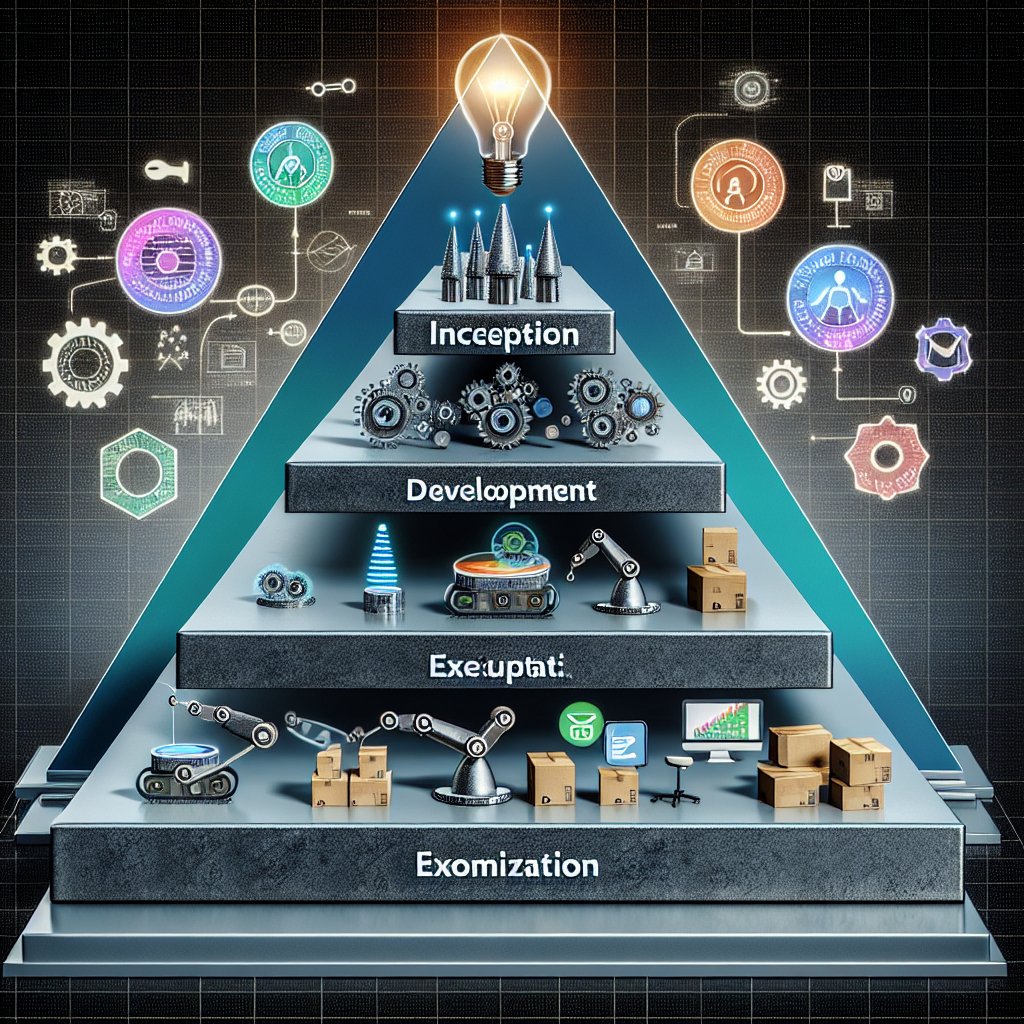
Context: AI in Smart Manufacturing and Robotics Artificial Intelligence (AI) is increasingly becoming a pivotal component in Smart Manufacturing and Robotics. Historically, AI’s utility in Product Lifecycle Management (PLM) has evolved significantly, particularly with the emergence of advanced technologies such as generative AI and Agentic AI. The integration of AI into manufacturing processes has transformed not only the tools used by engineers but the very methodologies they employ in design, production, and maintenance. The discourse has shifted from whether AI should be adopted to how it can be effectively integrated within existing systems. Organizations are now faced with the challenge of navigating this transition without incurring unnecessary costs or operational failures. This necessitates a clear understanding of AI’s role within the framework of PLM. Main Goal: Achieving Effective AI Integration The primary objective articulated in the original article is to present a structured framework that guides organizations through the integration of AI in PLM. This Four-Level Framework delineates the prerequisites and capabilities associated with each stage, providing a roadmap for companies to enhance their operational efficiency and decision-making processes through AI. To achieve this goal, organizations must first comprehend the distinct levels of AI maturity, from basic tool-native AI (Level 1) to the development of custom AI models for competitive advantage (Level 4). Each level is contingent upon a foundation of clean data, integrated systems, skilled personnel, and robust governance frameworks. Advantages of the Four-Level Framework Structured Approach: The framework provides a clear pathway for organizations to follow, ensuring they can systematically advance in their AI capabilities. Enhanced Decision-Making: By progressing through the levels, organizations can leverage AI to improve the quality of their decisions, leading to better design and production outcomes. Cross-Functional Collaboration: Level 2 capabilities enable AI to synthesize data across multiple systems, fostering collaboration between departments such as engineering, procurement, and quality assurance. Competitive Advantage: Organizations that successfully implement Level 4 capabilities can build custom AI models tailored to their specific needs, positioning themselves ahead of competitors. Risk Mitigation: The framework highlights the importance of prerequisites, thereby helping organizations avoid costly missteps that arise from premature AI adoption. However, it is crucial to note that there are limitations associated with each level. For example, while Level 1 offers immediate value, its capabilities are confined to single-tool environments. Transitioning to Level 2 requires substantial investment in integration infrastructure and data governance, which may present challenges for resource-constrained organizations. Future Implications of AI in Smart Manufacturing and Robotics The trajectory of AI development suggests that its influence on Smart Manufacturing and Robotics will only intensify in the coming years. As technologies evolve, the capabilities of AI will expand, enabling even greater automation and intelligent decision-making. Companies that proactively engage with the Four-Level Framework will be better equipped to adapt to these changes. Anticipated advancements in AI, such as improved machine learning algorithms and enhanced data analytics, will further facilitate the integration of AI across all levels of manufacturing. This evolution will likely lead to increased efficiency, reduced time-to-market, and heightened product quality. In conclusion, understanding and implementing the Four-Level Framework for AI in PLM is not merely a strategic advantage; it is becoming essential for organizations aiming to thrive in the rapidly changing landscape of Smart Manufacturing and Robotics. Disclaimer The content on this site is generated using AI technology that analyzes publicly available blog posts to extract and present key takeaways. We do not own, endorse, or claim intellectual property rights to the original blog content. Full credit is given to original authors and sources where applicable. Our summaries are intended solely for informational and educational purposes, offering AI-generated insights in a condensed format. They are not meant to substitute or replicate the full context of the original material. If you are a content owner and wish to request changes or removal, please contact us directly. Source link : Click Here

Context The recent statements from Lisa Gordon, the head of global communications at Palantir Technologies, regarding the company’s political realignment towards the Trump administration, have raised concerns within the technology and finance sectors. As organizations increasingly navigate a politically charged environment, the implications of such shifts resonate deeply, particularly in the realm of artificial intelligence (AI) in finance and fintech industries. This discussion is essential, given the pivotal role that AI technologies play in enhancing decision-making, optimizing operations, and driving the future of financial services. Main Goal and Its Achievement The primary goal emerging from this discourse is to understand how political dynamics influence corporate strategies and public perceptions, especially for companies like Palantir that operate at the intersection of technology and government. Achieving this understanding requires a robust framework for analyzing the internal and external implications of such shifts. Companies must prioritize transparency in their political affiliations and ensure that their core values align with the interests of their stakeholders while navigating the complexities of political engagement. Advantages of Political Alignment in AI and Finance Enhanced Government Contracts: Political alignment can facilitate access to lucrative government contracts, as evidenced by Palantir’s $10 billion deal with the U.S. Army. This contract underscores the financial benefits that can arise from strategic political positioning. Increased Support for AI Initiatives: As governmental focus shifts towards AI-driven efficiencies, companies aligned with the current administration may be better positioned to influence and participate in policy discussions, enhancing their technological adoption and integration within financial operations. Diverse Opinions Foster Innovation: Gordon’s assertion that Palantir welcomes diverse opinions reflects a broader trend where varied perspectives can lead to innovative solutions. This diversity is crucial in developing AI technologies that cater to a wide range of financial needs. Corporate Resilience: Companies that successfully navigate political shifts can demonstrate resilience and adaptability, qualities that are increasingly valued in the fast-evolving fintech landscape. Caveats and Limitations While the advantages of political alignment are notable, they come with caveats. The risk of alienating employees who may disagree with a company’s political stance can lead to talent attrition, as indicated by Karp’s admission of losing staff due to his pro-Israel views. Additionally, companies must be cautious of the potential backlash from consumers who may oppose their political affiliations. Thus, while political alignment can open doors, it may also close others. Future Implications The future of AI in finance and fintech is poised for significant transformation, influenced by ongoing political developments. As regulatory frameworks evolve, companies that leverage their political connections to advocate for favorable AI policies may gain a competitive edge. Furthermore, as AI technologies continue to advance, their integration into financial services will likely reshape job roles and operational strategies, necessitating a workforce that is adaptable and skilled in both technology and compliance. The intersection of political strategy and technological innovation will be crucial for companies aiming to thrive in this complex landscape. Disclaimer The content on this site is generated using AI technology that analyzes publicly available blog posts to extract and present key takeaways. We do not own, endorse, or claim intellectual property rights to the original blog content. Full credit is given to original authors and sources where applicable. Our summaries are intended solely for informational and educational purposes, offering AI-generated insights in a condensed format. They are not meant to substitute or replicate the full context of the original material. If you are a content owner and wish to request changes or removal, please contact us directly. Source link : Click Here

Contextual Overview In a significant advancement for mobile connectivity in the UK, Virgin Media O2 has announced its plans to introduce automatic satellite connectivity for customers in areas lacking traditional phone signal. This initiative, branded as O2 Satellite, is set to launch in the first half of 2026 through a collaboration with Elon Musk’s Starlink. The service aims to provide connectivity in rural regions where terrestrial networks are inadequate, thereby enhancing communication capabilities for users in remote locations. Main Goal and Implementation Strategy The primary objective of this initiative is to bridge the connectivity gap caused by geographical limitations in rural and remote areas. By leveraging satellite technology, Virgin Media O2 intends to ensure that users can maintain essential digital communications, particularly in emergencies. The implementation of this service requires the integration of compatible smartphones capable of switching to satellite connectivity automatically when terrestrial signals are unavailable. This approach not only aims to enhance user experience but also aligns with the growing demand for uninterrupted connectivity in today’s digitally-driven society. Advantages of Satellite Connectivity Enhanced Communication in Remote Areas: The introduction of satellite connectivity enables users in signal blackspots to access essential services such as messaging and navigation applications. This is particularly beneficial for individuals in rural settings where traditional mobile networks fall short. Automatic Switching to Satellite Signal: Enabled smartphones will seamlessly transition to satellite coverage when terrestrial networks are unavailable, providing users with a reliable communication alternative without manual intervention. Potential for Future Capabilities: While the initial service will not support voice calls, future iterations may allow for voice communications through data-based applications like WhatsApp, enhancing overall service functionality. Support for Software-Defined Applications: The service facilitates the connectivity needs of software-defined vehicles, which depend on consistent internet access for updates and performance enhancements, thereby supporting advancements in automotive technology. Limitations and Considerations Despite the advantages, several limitations must be acknowledged. The initial rollout will restrict users to messaging and location services, excluding traditional voice calls. Furthermore, the pricing structure has not been disclosed, which could affect user adoption rates based on affordability. Additionally, the environmental concerns surrounding low-earth orbit satellites must be considered, as they pose potential challenges to astronomical observations and the night sky. Future Implications and the Role of AI The evolution of satellite connectivity in mobile communications heralds a new era for technological advancements in various sectors, including AgriTech. As artificial intelligence continues to develop, its integration with satellite communications can lead to more sophisticated solutions for precision agriculture, enabling real-time data transmission and analysis for better crop management. AI-driven analytics could optimize resource allocation based on satellite data, thereby enhancing productivity and sustainability in farming practices. Additionally, the combination of AI and satellite technology may pave the way for innovative applications that can address the unique challenges faced by AgriTech innovators in connecting with their target markets and optimizing operational efficiencies. Disclaimer The content on this site is generated using AI technology that analyzes publicly available blog posts to extract and present key takeaways. We do not own, endorse, or claim intellectual property rights to the original blog content. Full credit is given to original authors and sources where applicable. Our summaries are intended solely for informational and educational purposes, offering AI-generated insights in a condensed format. They are not meant to substitute or replicate the full context of the original material. If you are a content owner and wish to request changes or removal, please contact us directly. Source link : Click Here

Contextual Framework of AgriTech Adoption The landscape of agricultural technology (AgriTech) is currently undergoing significant transformation, driven by both market dynamics and technological advancements. Recent discussions, particularly highlighted during the 2025 Tech Hub LIVE event in Des Moines, IA, reveal a cautious but optimistic outlook among industry stakeholders. The conversation led by Ben Sheldon, Technology Sales Manager at Raven Industries, underscores the necessity for growers to invest in technologies that prioritize profitability in the face of uncertain economic conditions. The shift from high-cost, new machinery to retrofit-friendly solutions exemplifies a strategic pivot towards enhancing existing agricultural infrastructures. Main Goal: Enhancing Profitability through Strategic Tech Adoption The primary objective articulated by Sheldon revolves around the return on investment (ROI) in agricultural technology. This goal can be achieved by providing growers with technologies that integrate seamlessly with their current equipment, thereby reducing the capital outlay required for new machinery. The emphasis on retrofit solutions allows farmers to optimize their existing resources while maintaining profitability amidst fluctuating commodity prices and tightening margins. Advantages of Retrofit-Friendly Solutions Cost Efficiency: Retrofit solutions enable growers to enhance their operational capabilities without the burdensome costs associated with purchasing new equipment. This financial accessibility is crucial in an era of constrained credit and volatile market conditions. Incremental Implementation: The ability to integrate new technologies gradually allows farmers to assess the impact on productivity and ROI without committing to large-scale investments upfront. Flexibility and Adaptability: As market conditions shift, retrofit solutions provide growers with the flexibility to adapt their technology stack according to their immediate needs and financial situations. Focus on Profitability: By prioritizing technologies that enhance profit margins, the agricultural sector can better navigate the uncertainties associated with global commodity markets. Considerations and Limitations While the advantages of retrofit-friendly solutions are substantial, it is essential to recognize potential limitations. The effectiveness of such technologies can vary based on existing equipment compatibility, and there may be a lag in the adoption of cutting-edge innovations that require more significant investments. Additionally, growers must remain vigilant about the evolving regulatory environment, which can impact the feasibility and implementation of new technologies. Future Implications: The Role of AI in AgriTech The future of AgriTech is poised for significant evolution, particularly with advancements in artificial intelligence (AI). AI technologies have the potential to revolutionize agricultural practices by enabling predictive analytics, optimizing resource allocation, and improving decision-making processes. As growers increasingly adopt AI-driven solutions, the focus will likely shift towards achieving not only operational efficiency but also sustainable practices that enhance environmental stewardship. Moreover, the integration of AI in retrofitting existing technologies can lead to enhanced data collection and analysis capabilities, providing growers with actionable insights to further improve their ROI. As the industry continues to embrace these innovations, the dialogue surrounding AgriTech will need to evolve, emphasizing the symbiotic relationship between technology adoption and profitability in uncertain times. Disclaimer The content on this site is generated using AI technology that analyzes publicly available blog posts to extract and present key takeaways. We do not own, endorse, or claim intellectual property rights to the original blog content. Full credit is given to original authors and sources where applicable. Our summaries are intended solely for informational and educational purposes, offering AI-generated insights in a condensed format. They are not meant to substitute or replicate the full context of the original material. If you are a content owner and wish to request changes or removal, please contact us directly. Source link : Click Here


